


Most people assume their Samsung TV just displays content, but Samsung TVs running Tizen software actively track viewing habits, record voice commands, and collect data for personalized advertising — all enabled by default.
Samsung’s tracking sends data about what you watch, when you watch it, and how you interact with your TV back to the company’s servers.
Here’s how to disable tracking on Samsung TVs and why you should do it.
1. Why Samsung TVs collect your data
Samsung collects viewing data through Automatic Content Recognition (ACR), which identifies what you’re watching across all inputs. This data builds a profile of your viewing habits that Samsung uses for advertising and analytics.
Voice recognition features record and analyze voice commands when you use Samsung’s smart TV features. Samsung claims this improves voice command accuracy, but it also means your TV is listening and transmitting audio data.
Interest-based advertising uses your viewing history to target ads. Samsung tracks which shows you watch, which apps you use, and how long you spend on different content. This information creates advertising profiles that follow you across Samsung devices and services.
All of these features are enabled by default when you set up a Samsung TV. You have to actively opt out if you don’t want Samsung collecting this information.
2. How to turn off Samsung TV tracking
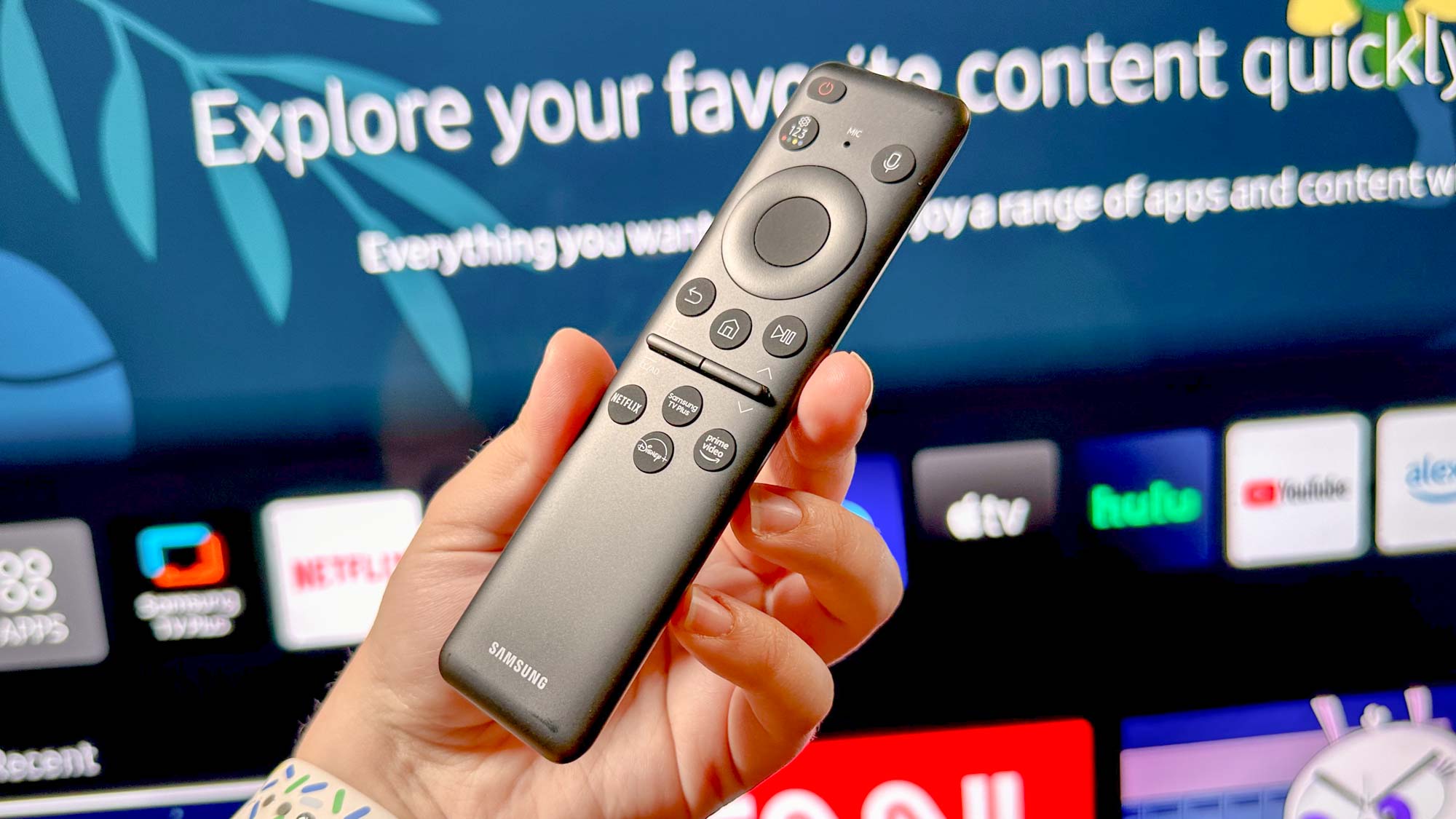
Press the Home button on your Samsung remote, then navigate to Settings, Support, Terms & Privacy, and Privacy Choices. This menu contains all the tracking settings you need to disable.
Select Viewing Information Services and toggle it off to disable ACR tracking. This stops Samsung from monitoring what you watch across streaming apps, cable boxes, gaming consoles, and any other connected devices.
To prevent Samsung from using your viewing data to target ads, select Interest-Based Advertising and toggle it off. You’ll still see advertisements, but they won’t be based on your personal viewing history.
If you use Samsung’s voice features, select Voice Recognition Services and toggle that off too. This stops the TV from recording and analyzing voice commands, but it also disables voice control entirely — there’s no way to use voice features without data collection.
3. Why you should disable these features
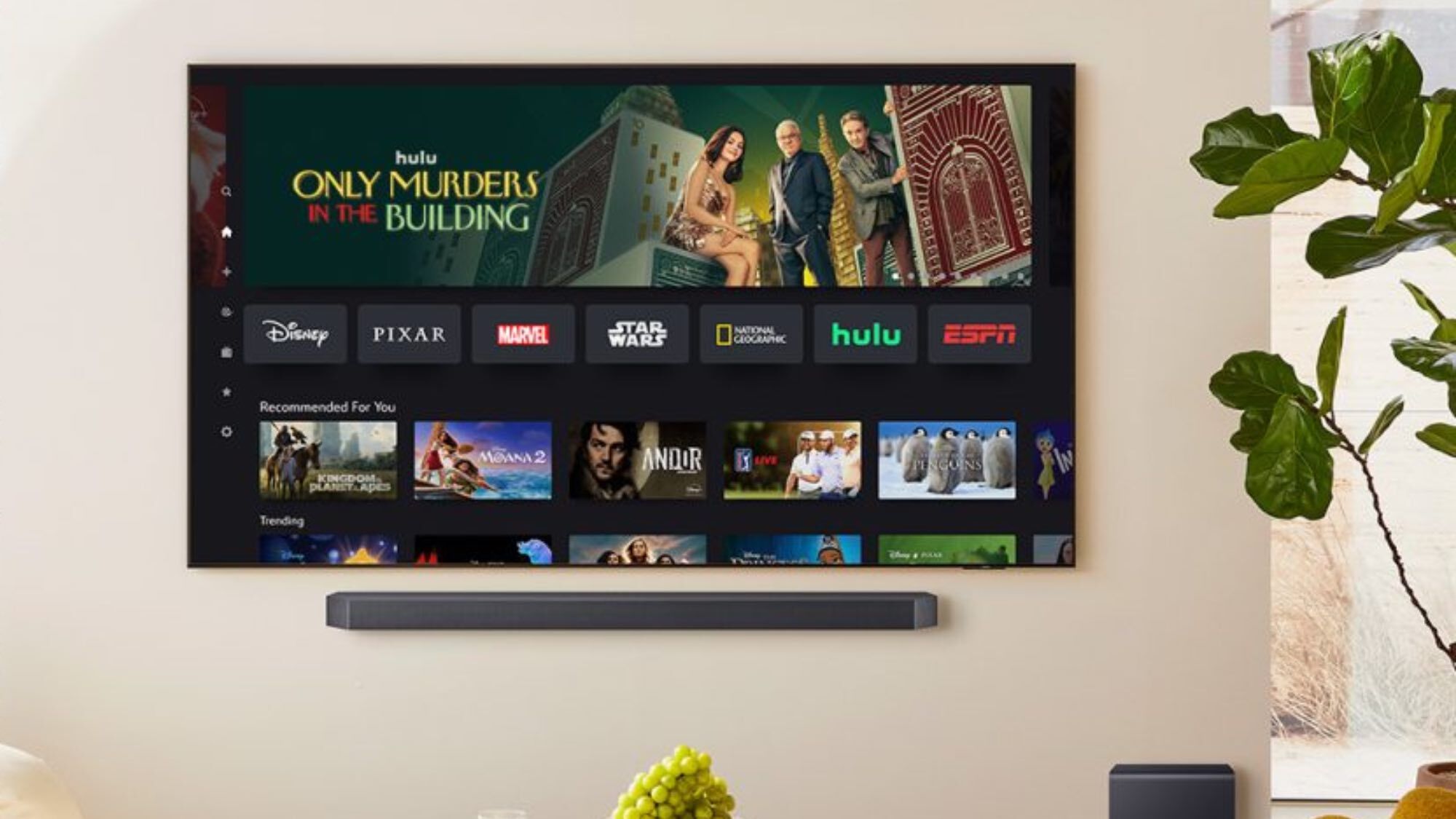
Viewing data reveals more about you than you might realize. The shows you watch, when you watch them, and how often you re-watch certain content can indicate your interests, habits, and daily schedule. This information has value, which is why Samsung collects it.
You paid for the TV. You didn’t agree to be a data source when you bought it, even though that’s effectively what you became by accepting default settings. Disabling tracking features reclaims some control over the device you own.
The TV works exactly the same with tracking disabled. Picture quality doesn’t change. Apps still function. You’re not sacrificing performance by opting out of data collection, you’re just preventing Samsung from monitoring your activity.

Follow Tom’s Guide on Google News and add us as a preferred source to get our up-to-date news, analysis, and reviews in your feeds. Make sure to click the Follow button!
More from Tom’s Guide
First Appeared on
Source link






Leave feedback about this