

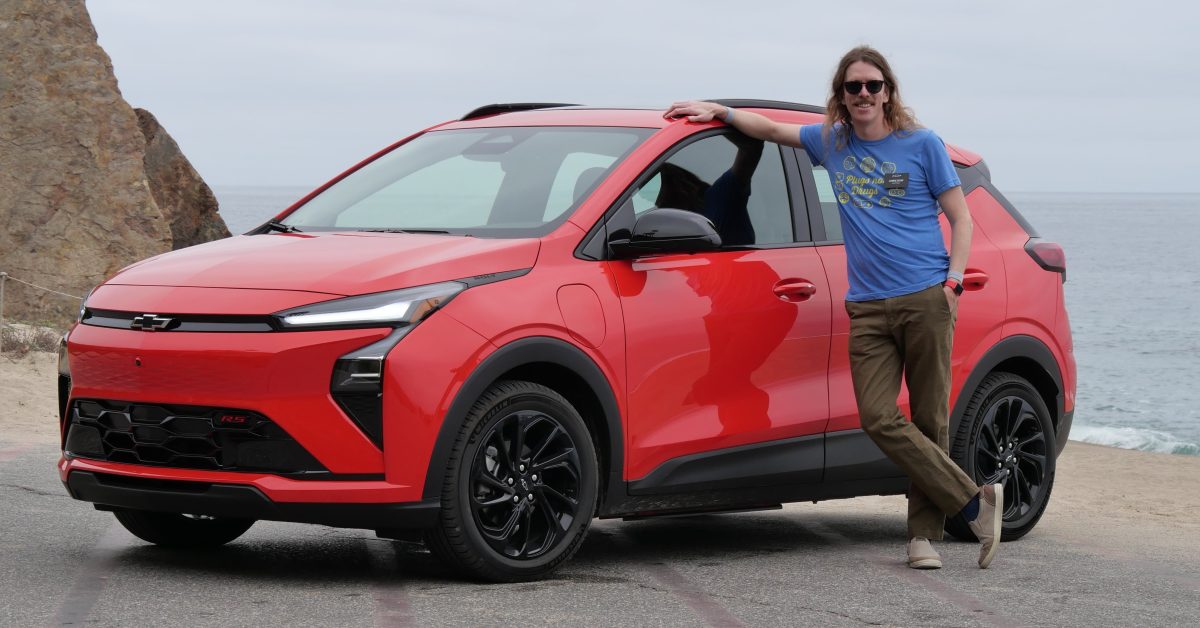
The Bolt is back by popular demand, and we got to drive it in the hills of Malibu to test out its myriad improvements over the old model, including an all-new battery, faster charging and improved Super Cruise hands-off driving system.
It’s also in dealerships now at the most affordable EV price in America, but not for long, as GM has already said it’s only around for a “limited time.” So, should you rush out and buy it?
The Chevy Bolt was originally released in the 2017 model year. It was GM’s first real, modern effort at an EV, designed to be all-electric rather than a compliance car like the old Chevy Spark EV. (GM did previously design the EV1 from the ground up, but it came along before the lithium ion era of EVs, and was decidedly a compliance car).
The Bolt was also a great car. Not only was it a good size unlike the ridiculous land yachts we’re seeing so many of today, it had a phenomenal price, especially near the end of the model’s life. It was good enough to be Electrek’s vehicle of the year for 2022.
But, due to an extended recall and because the Bolt used GM’s first-gen EV platform, rather than its then-current “Ultium” battery branding (which it has since retired), GM cancelled the vehicle in late 2023, even though it was having its best sales year ever.
Thankfully, that wasn’t the end of the Bolt. Owners begged GM to bring it back (including us here at Electrek), and GM complied.
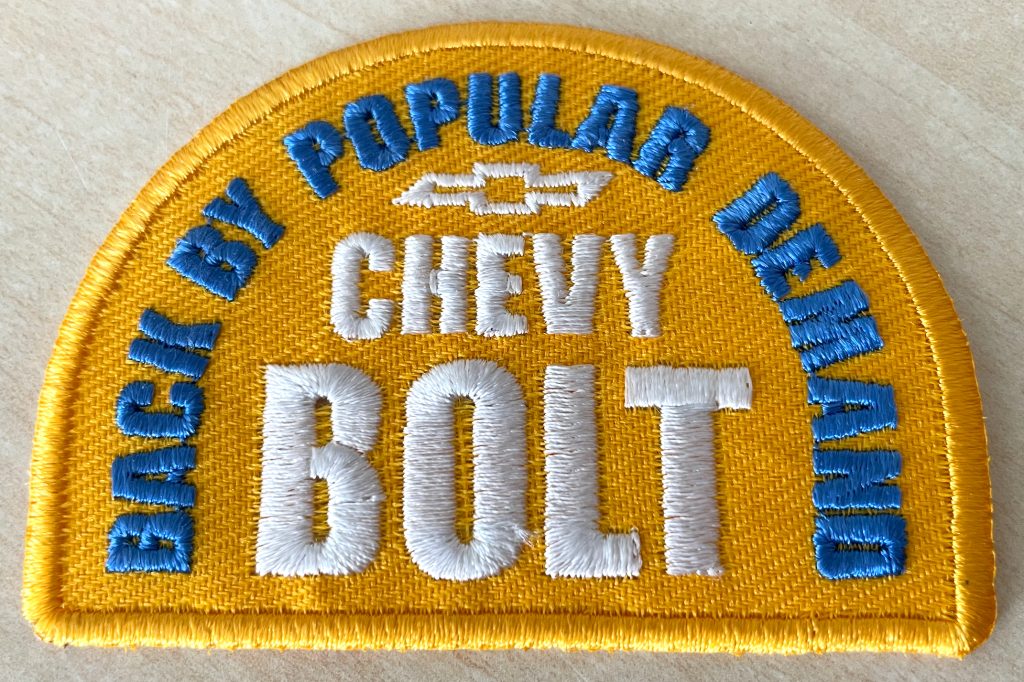
And now, that upgraded Bolt is finally out – it should be in stock at your local dealership now, and we got a chance to spend a couple days driving it around the hills of LA to see if it’s just as charming as it ever was.
Meet the new Bolt, same as the old Bolt (but better!)
The main headline differences between the old Bolt and the new Bolt are the battery, the charging, and the software.
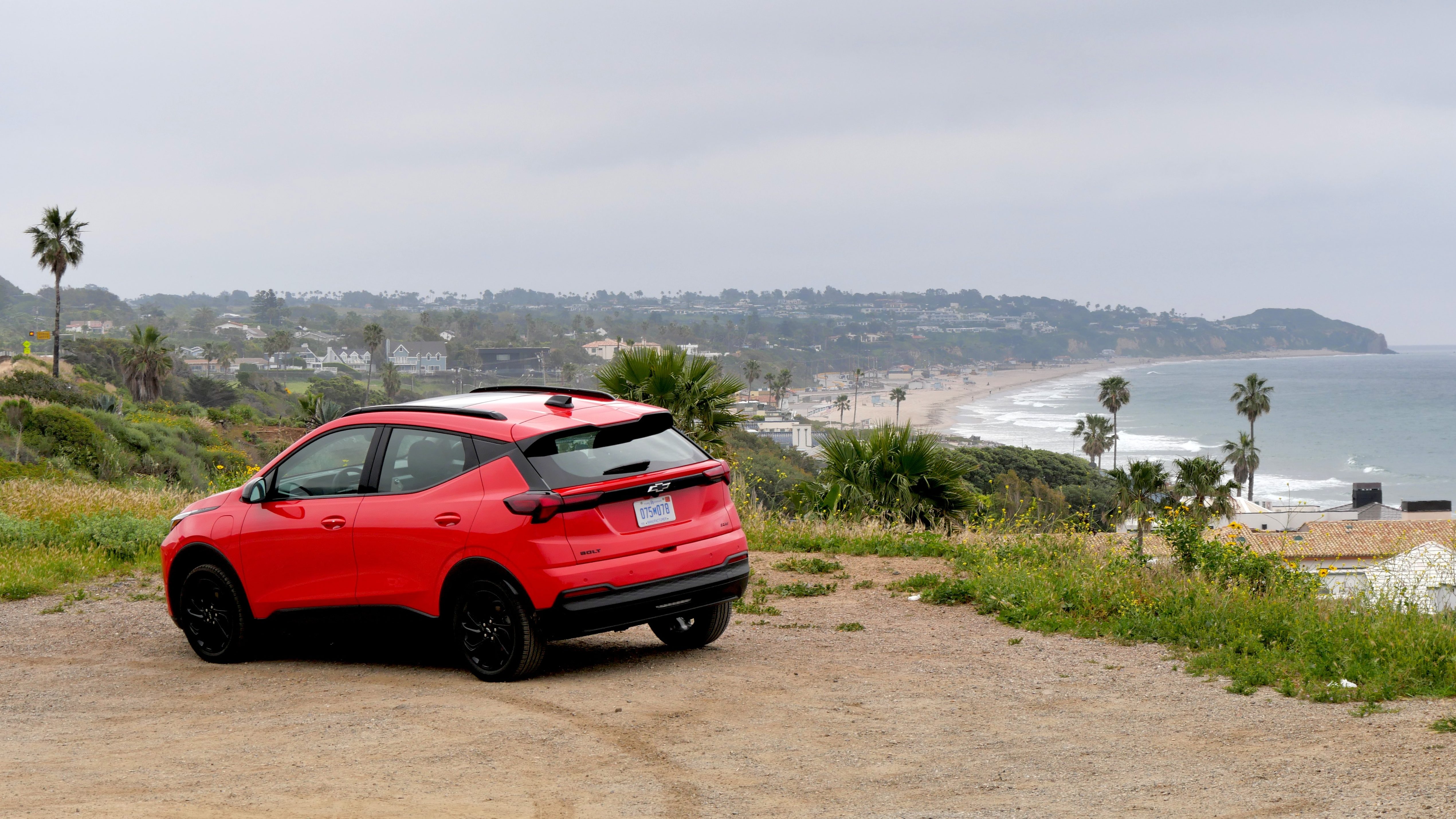
There are some very minor exterior design differences, but you’d really have to be looking at the cars side by side to pick any of them out (slight differences in the grille, headlights, taillights, and rear bumper). In particular, the brake lights are higher and more visible than the prior version, which is the largest and most welcome change.
More importantly, on exterior design, Chevy decided to axe the smaller Bolt EV and only bring back the bigger Bolt EUV, which I think is a mistake, but the Bolt is still more right-sized than almost anything else on American roads, so I wont press that point too far.
And perhaps even more importantly… look at all these fun colors!
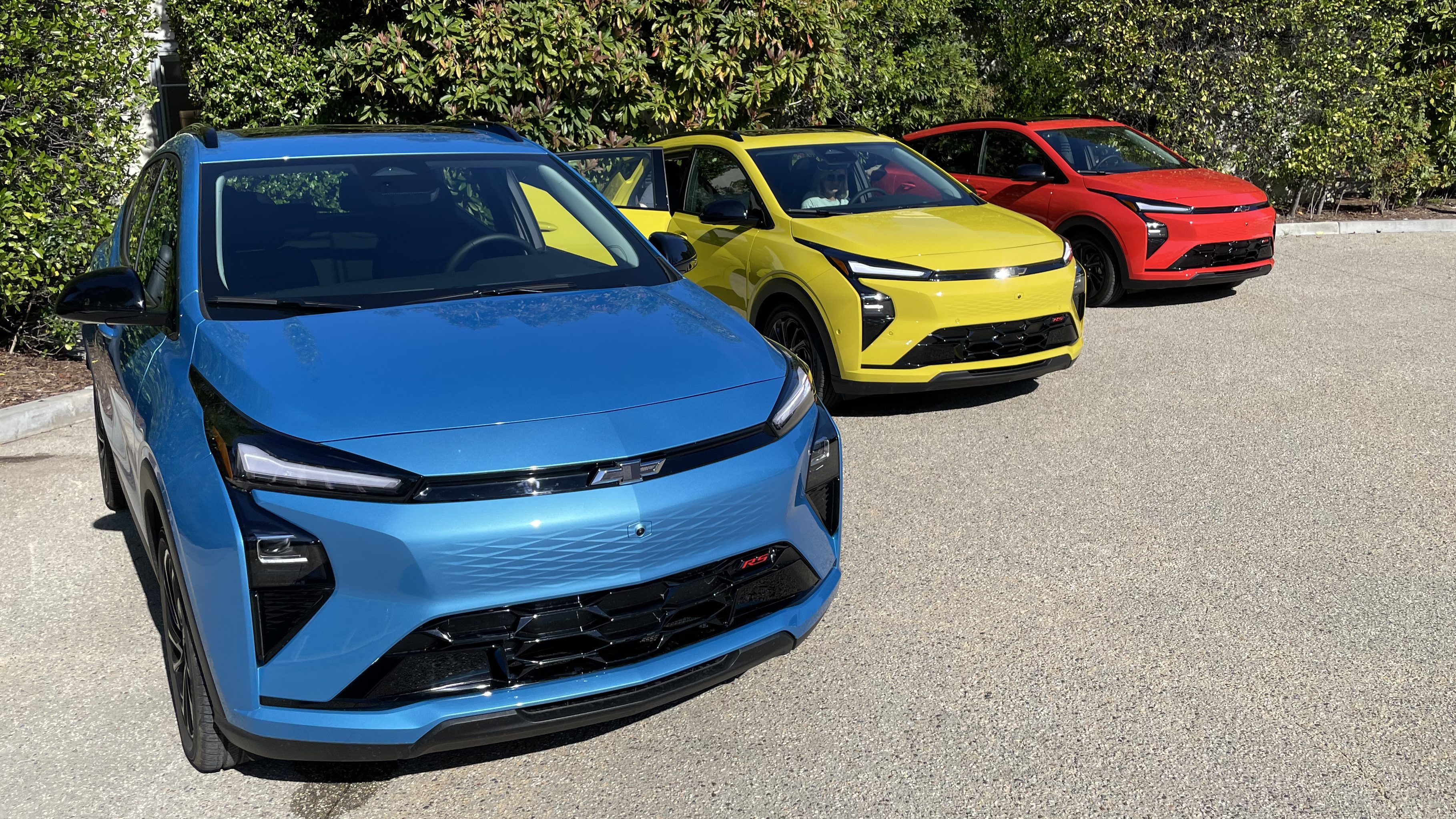
(And then, upon checking our local dealer’s inventory the next day, we found… 8 out of the 11 cars they had were monochrome. Sigh. Customers, please demand a color, any color, and bring some whimsy to the roads that have been taken over by drab silver and white)
The battery and charging are much bigger differences. The new Bolt has a lithium iron phosphate (LFP) battery, which should have more long-term durability and is also lower-cost than an NMC pack (although, that might be offset by the fact the battery is sourced from China – there’s currently no LFP manufacturing in the US, but they’re working on that).
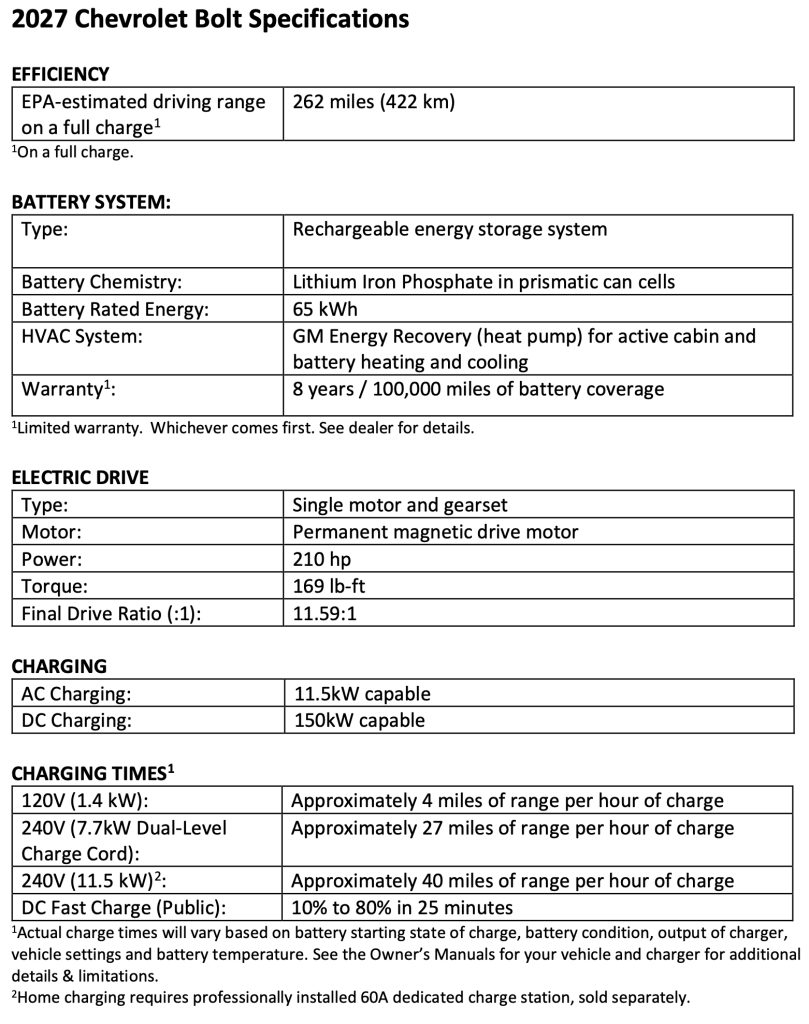
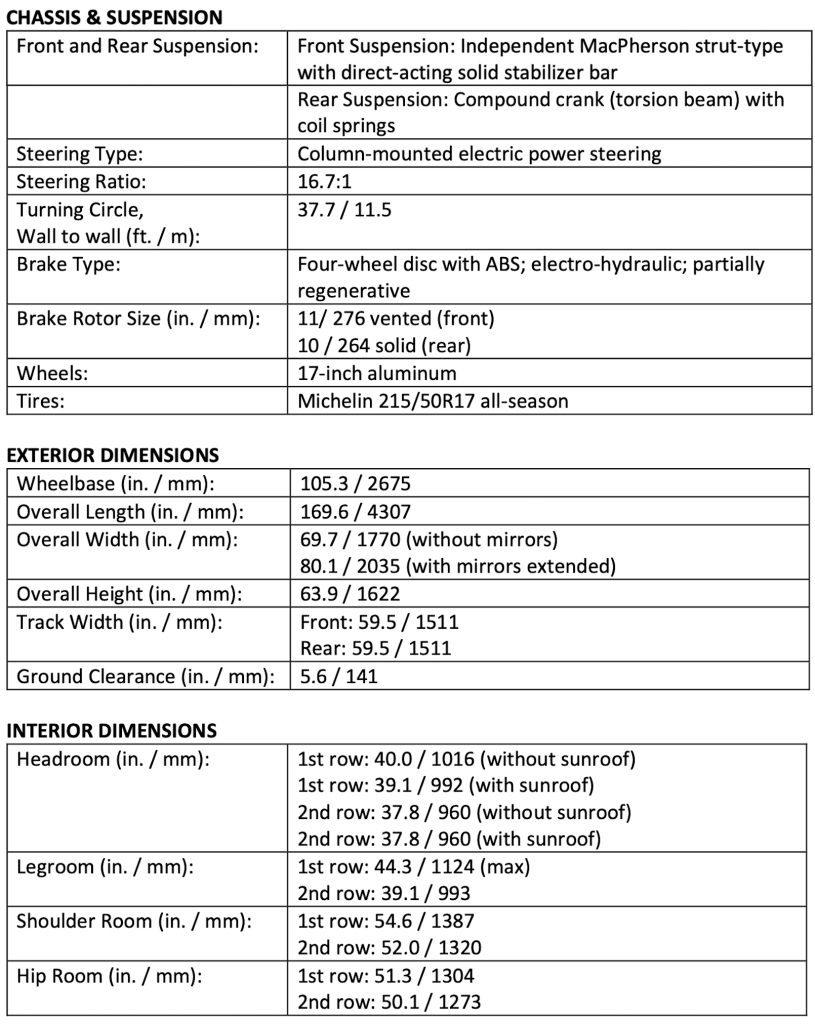
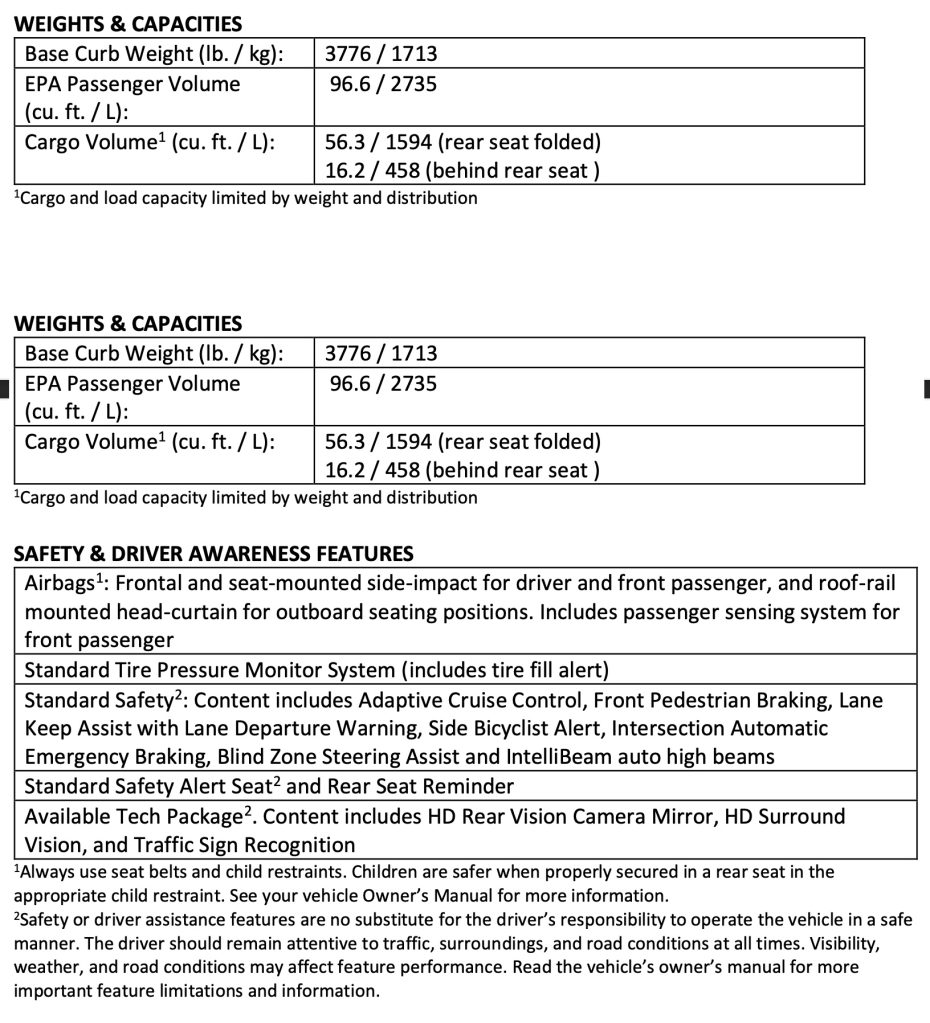
The battery has roughly the same amount of storage as the previous one at 65kWh, but slightly more range at 262 miles. Chevy says this is primarily due to a more efficient electric motor.
More importantly, charging speed has been drastically upgraded. Whereas the previous Bolt peaked at just over 50kW, the new Bolt peaks at 150kW. That gives it a 10-80% charge time of around 25 minutes.
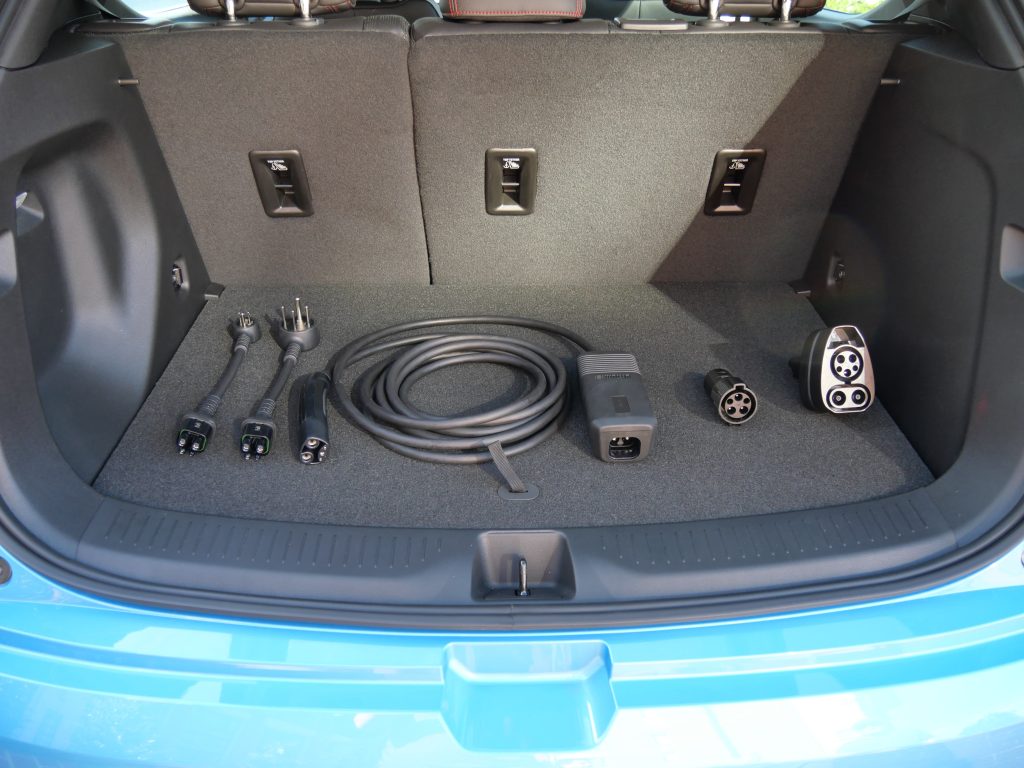
That charging now happens through a native NACS port (aka Tesla port, aka SAE J3400 port). This means easy Supercharger use, but a CCS adapter is still available for $189. The car also comes with GM’s “Dual Level Charge Cord” with 120v/240v adapters, and a J1772 AC adapter is available for $67.
Supercharging is easy, and will get easier
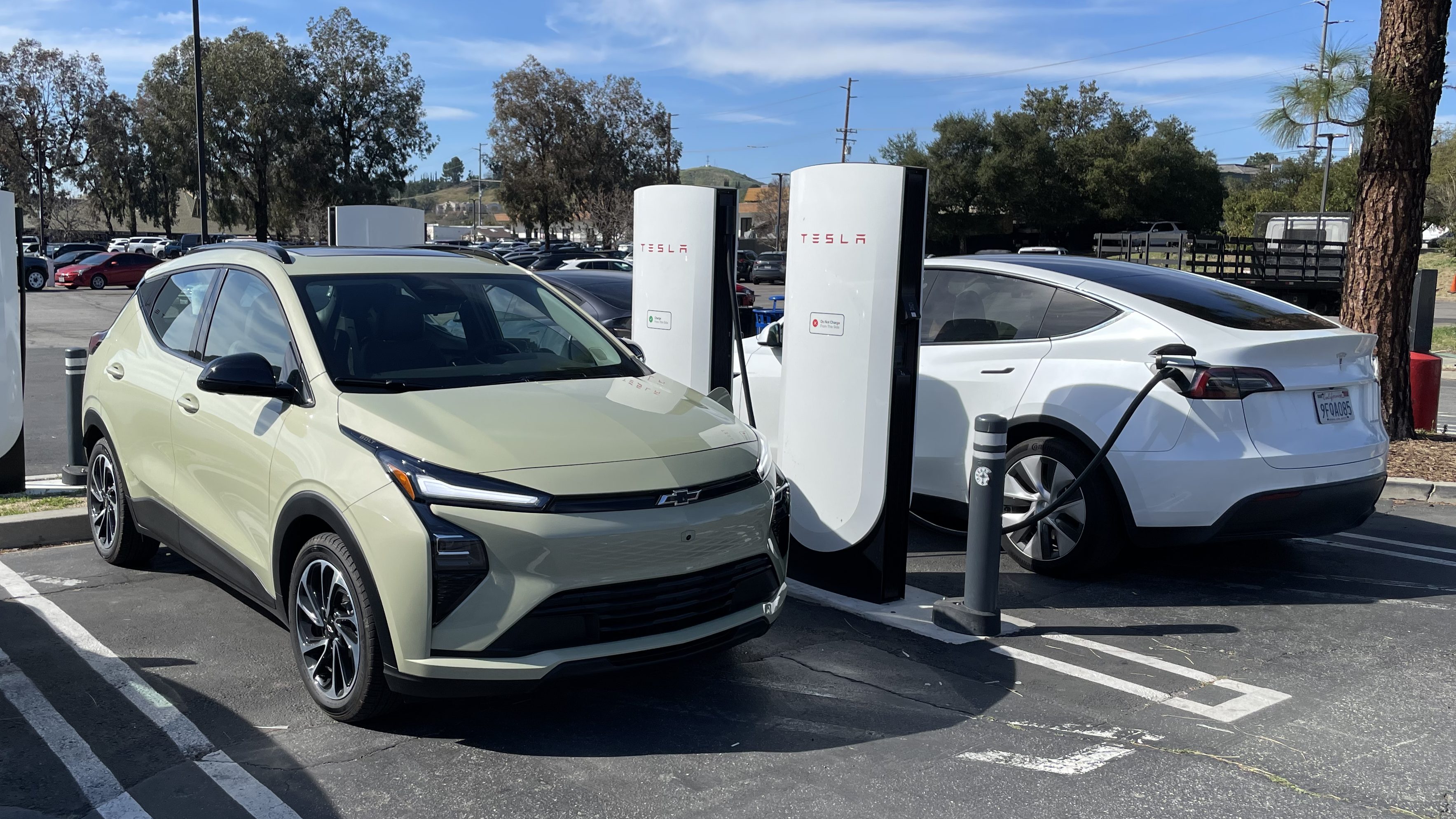
We got to test out the charging at a nearby Tesla V4 Supercharger with peak 325kW capacity. It’s rare for manufacturers to give us this chance on drive events, but Chevy went to the extra effort because it’s such a big upgrade from the previous Bolt.
The charge process was simple, though required starting the charge manually through the Tesla app, as is often the case with other EV brands. However, GM has an update in the works that will allow for seamless Plug & Charge at Tesla Superchargers coming in a few months (it already has Plug & Charge on GM Energy, EVgo and Ionna networks). Then you won’t need to open the app, just plug in and charging will start automatically, debiting whatever account you’ve set up.
The charging session also started quicker than we’ve often seen from non-Tesla vehicles on non-Tesla charging networks – it took about 20 seconds from plugging in until the first energy was delivered, which is pretty quick. GM said it can take “up to 2 minutes” but we were satisfied with how quickly the session started in our test.
Better yet, we saw a Bolt charge more than twice as fast as any we’d ever seen before, so that’s just swell.
We pulled in with 17% charge, which apparently put us out of the super-optimal peak charge range. By the time I started filming, we were getting 113kW at 25% SOC. Apparently, one car hit a peak of 157kW during the same event.
The display shows how much the car is capable of taking and how fast the car is currently charging, so you can tell if the car’s battery or the charging station itself are limiting charge speed (e.g. if you’re sharing a 150kW charger with another car).
Or, you can swap over to various infotainment features and watch youtube or access other apps from the Google Play Store. Chevy includes 8 years of “OnStar Basics” with every Bolt, which includes data for maps, all audio apps (one of those is Apple Music, which is newly available on GM EVs), voice assistance, crash response and remote mobile app features. There’s an additional tier called OnStar One for $35/mo, which includes video streaming data (cars with Super Cruise get 3 years of this included)
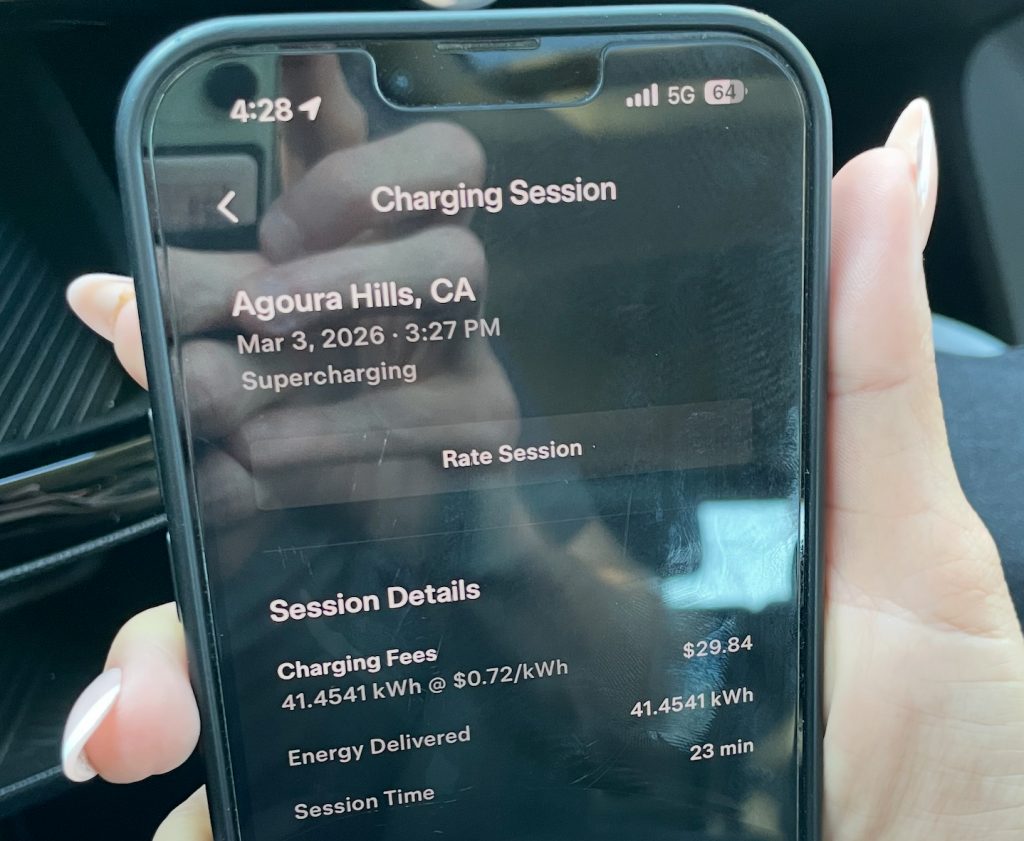
In the end, we spent 23 minutes charging and got 41.5kWh of energy before ending the charge at 80% (it’s recommended to leave DC chargers at 80%, as charge rate falls off drastically after that; however, since this battery is LFP and not NMC like most other EVs, you can and should charge it up to 100% when home AC charging). That roughly tracks with Chevy’s “10-80% in 26 minutes” number, which is over twice as quick as the old Bolt can do.
Even AC charging is quicker, as the Bolt has an 11.5kW AC charger. Better yet, its bidirectional-capable, and can discharge at that same rate and power your entire home, through GM Energy products. This will cost you several thousand dollars, but basically turns the Bolt into a home battery – at least when it’s plugged in.
11.5kW is a lot of capacity for V2H, able to power the necessities and more. Unfortunately, this system is not V2G-capable, nor does the Bolt have any V2L capacity (e.g. a 120V plug somewhere in the vehicle, or a charge port adapter with a plug strip on it).
So if you don’t have GM Energy products, the only way to get juice out of the car is through its front and rear USB ports, or its inductive phone chargers (which, side note, seem to be near the air-con vents, as my phone was cold when I pulled it off the pad – nice to avoid overheating).
Surround Vision Recorder is an integrated dashcam
Another new headline feature is Chevy’s “Surround Vision Recorder,” a feature that utilizes the car’s safety cameras as a dashcam, so you don’t have to install your own dashcam separately.
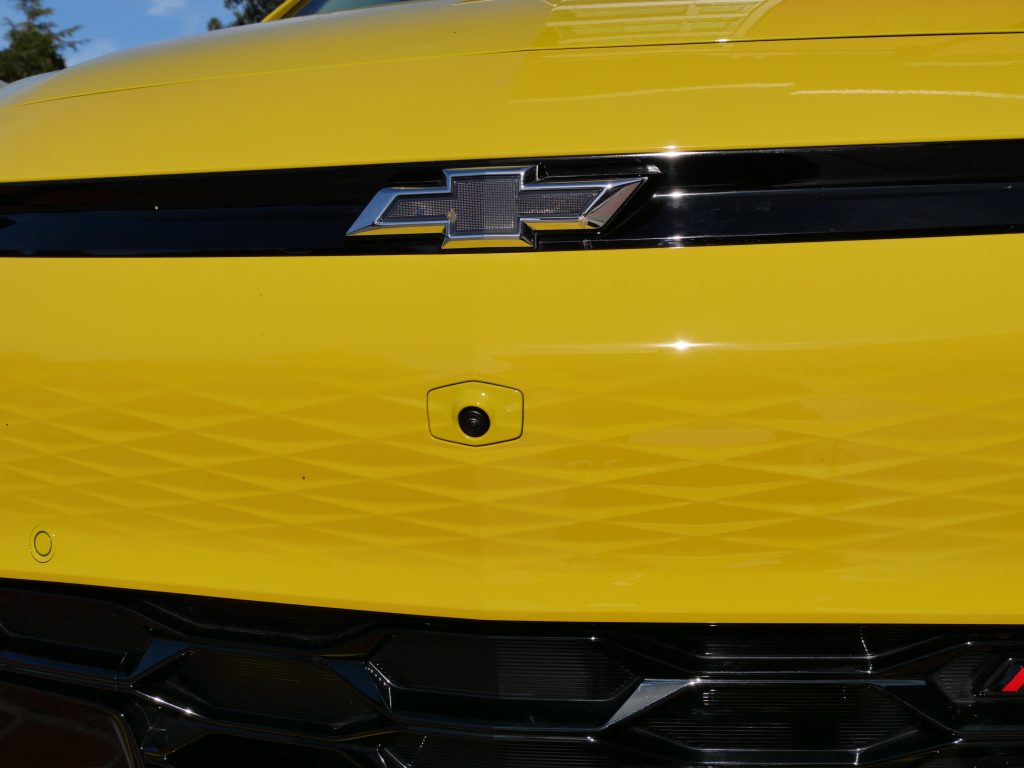
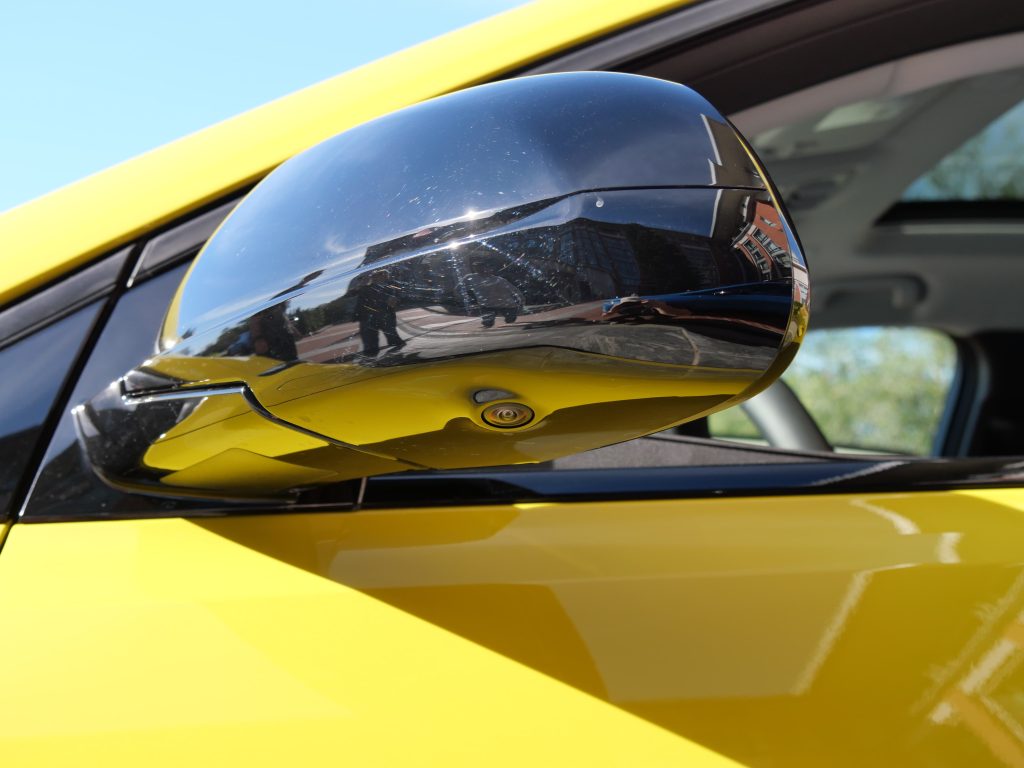

All you need to do is plug in some sort of storage device (flash drive, SD card + adapter, etc – make sure to get a “high endurance” model or it will wear out in a month) to the car’s USB-C port and the car’s cameras will continuously record to it, replacing old footage when the drive fills up – it’s about 1GB per 10 minutes of footage, counting all four cameras. You can then view the footage in the car, or take the USB drive out of the car and view/save the footage on another device.
The feature isn’t quite as advanced as Tesla’s version of the same feature, nor can it be used when the vehicle is parked.
But it’s also newer. What’s cool is that at Chevy’s October debut event, the car didn’t have this feature, and now it does. That’s because Chevy is committing to over-the-air software updates for this vehicle, which means your car will gain new features while you own it (like Plug & Charge for Superchargers, coming in a few months).
So, you just might see the feature improved over time, or other features rolled out to Chevy vehicles.
Super Cruise – most affordable hands-off vehicle in the US
Super Cruise is a “hands off” system, which means as long as the road is mapped, conditions are good and you’re watching the road, it won’t nag you to touch the steering wheel (but it’s still SAE level 2, which means the driver is still responsible for the car, unlike Mercedes’ level 3 Drive Pilot, where the car can actually responsible for driving).
At about $35k for the lowest-priced Bolt configured with Super Cruise, that makes it the cheapest vehicle in America with “hands-off” driving capability.
We got a chance to try out GM’s Super Cruise software on a quick drive up and down the 101 freeway, testing its new ability to follow highway interchanges.
This is a big deal in the LA area, given the large amount of highway interchanges required for navigation through the area – I’ve got friends who live in an hour away, and I touch eight freeways on the way to their house.
The feature only works when moving from a mapped road to another mapped road, but in that case, the car will automatically change lanes and take the interchange for you.
Further, you can also activate your own lane changes by hitting the turn signal, and the car will do the lane change for you.
Both of these worked fine, until I deliberately gave it only a mile to change four lanes before an exit. Then, the system told me to take over and do the lane changes myself.
I did note, even in the only ~15 minutes where I was using the system, that it had one “phantom braking” event when approaching a crossing overpass. The car slowed several mph within the lane, but then continued under the overpass. Other drivers on the same route told me they didn’t have the same problem, so I’m not sure what triggered the system in my case.
This would be nice advancement in terms of Super Cruise features, except that there is another system out there that works in far more circumstances – Tesla’s Autopilot/FSD.
Super Cruise’s feature list looks like an Autopilot feature list from several years ago – complete with the phantom braking that I witnessed. But, you can still add Super Cruise as an option (for $3,255, though the $1,195 tech package is also required), unlike FSD which is now subscription-only, and even basic safety features are locked behind a subscription on a Tesla now.
A note on software
Speaking of software – that’s another big change for the new Bolt. The 2027 model has GM’s own infotainment system (which it partnered with Google to develop), and doesn’t have Apple CarPlay/Android Auto as earlier models did.
This has been controversial. Many people like the familiarity of CarPlay, and think that GM has only done this in order to increase software subscription revenue for itself (note: Chevy does include 8 years of basic data with the Bolt, which is a lot more than, say, the Subaru Uncharted, which includes only 1 year).
I have another view. I think that phone projection systems like CarPlay and Android Auto are never going to be as good as a good native system. They only exist because in the 2010s and prior, automotive infotainment systems were impossibly bad. They had never been given any attention, and everyone just dealt with it because they didn’t know any better and there was no competition making anything good.
Then the tech industry came along, and started releasing cars with actually good infotainment systems (e.g. Tesla, Rivian). The tech industry even provided an acceptable infotainment system in the form of CarPlay/Android Auto for other cars, and it blew everyone away. People quickly fell in love, because car infotainment had always been such utter trash.
But things have changed since then. Automakers all opened software divisions in Silicon Valley (you know… where all the best software engineers are) and got their act together. Car software has finally gotten better. It’s at least acceptable on most models, and on some I’d actually say it’s quite good these days.
GM’s is one that I think is actually good. It’s not my #1 rank (that’s still Tesla), but I don’t have problems finding features, the layout isn’t ugly, and the system responds quickly enough to commands (except the Bolt’s screen often dropped inputs – it needs to be made more touch sensitive).
The benefit of a native system is that it can be better integrated into vehicle functions. This allows for things like charge routing – using the live status of the car’s battery to recommend charging stops on a roadtrip. That has recently become possible with CarPlay, but few vehicles support it – so native software has the leg up here.
And, generally, I think it’s much better to have one consistent native experience, instead of having to jump in and out of phone projection.
That said, one note about GM’s charge routing system – I really like the ability to easily see nearby restaurants when charge routing on a roadtrip, so you can combine a charge stop with grabbing what you want for lunch, or discover new local spots that you might not have seen otherwise.
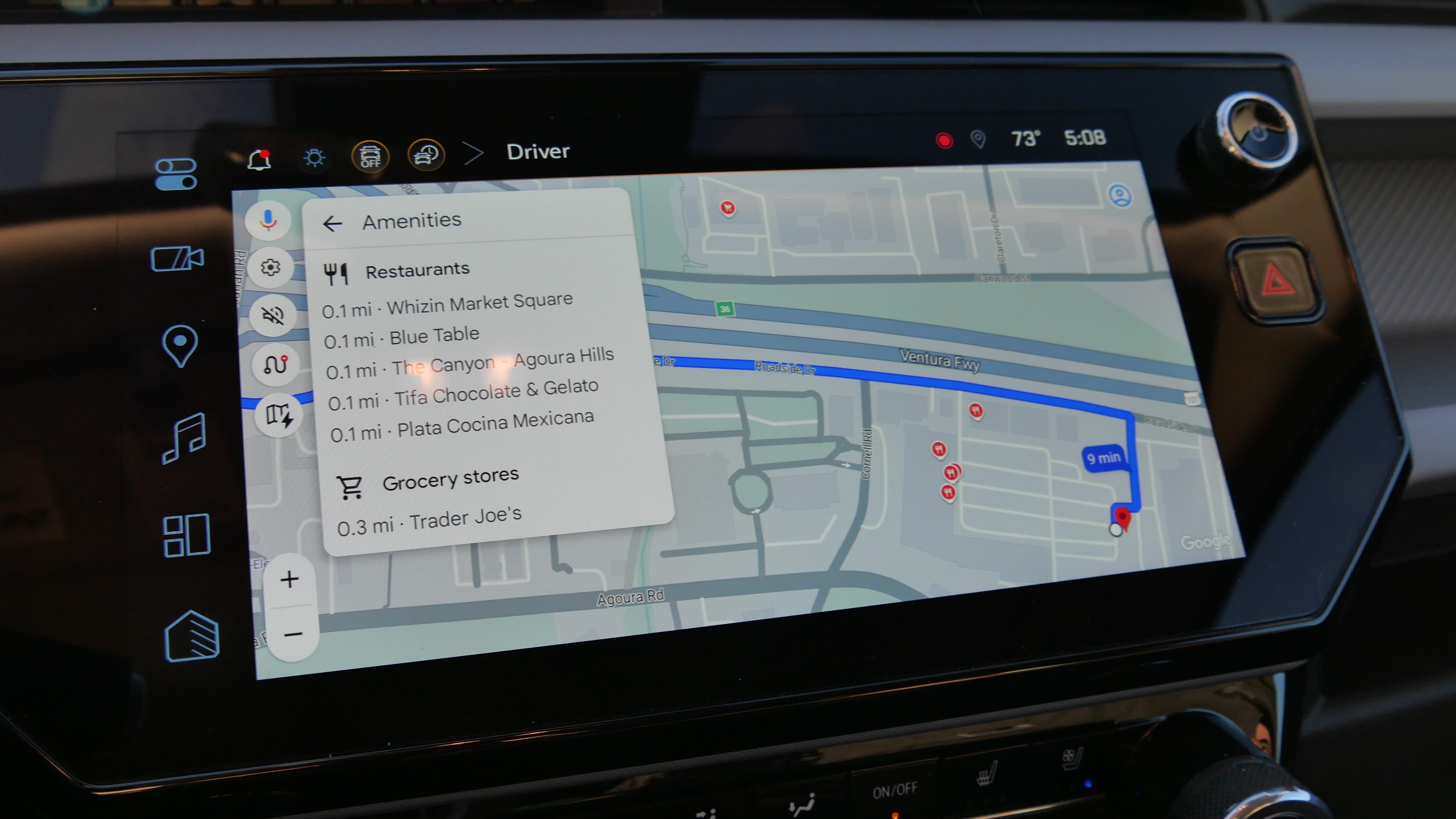
GM’s system has this, but it’s buried under a few more taps than I’d like. If it were ~2 taps easier to get to, it would be perfect. (You can also use Google’s voice assistant, but we found the results inconsistent – maybe we were missing the right keywords?)
Also, and I couldn’t find another place to put this… the car makes a lot of funny noises? Between a door chime that sounds whenever the door is open and can’t be silenced, a quick triple-honk whenever you walk away/lock the vehicle, and a bunch of quieter noises when the car puts itself into park and powers down various drive/electronics systems.
We (and some owners, in our last article) wish there were some way to silence the door chime, and the triple-honk would be nice to turn off as well.
Drive experience – serviceable, and even a bit peppier than before
All those new features are well and good, but how does it drive?
Well, it’s a Bolt. It’s the most affordable EV in America. It’s a tall-ish, quirky-looking hatchback. So you’re not getting a sportscar here.
We actually did have a short chance to drive it around Universal’s backlot in October, but that was hardly representative. This is our first drive on actual roads.
Chevy says it has improved power delivery compared to the previous Bolt, using the X76 drive unit carried over from the Equinox EV. It now has 210hp (up from 200hp on the old Bolt), but has lower torque than before at 169 lb-ft (266 on the old Bolt).
Chevy increased the final drive ratio to mitigate this loss in torque, and in practice, it feels snappier than the old Bolt EUV did, and has slightly faster 0-60 times. The old Bolt EUV got to 60 in 7 seconds, and the new one does it in 6.8s (though both are slower than the smaller-format Bolt EV, which did it in 6.5s).
This was enough that we didn’t feel wanting in normal driving situations, but it would have been nice to have a little more oomph available at highway passing speeds.
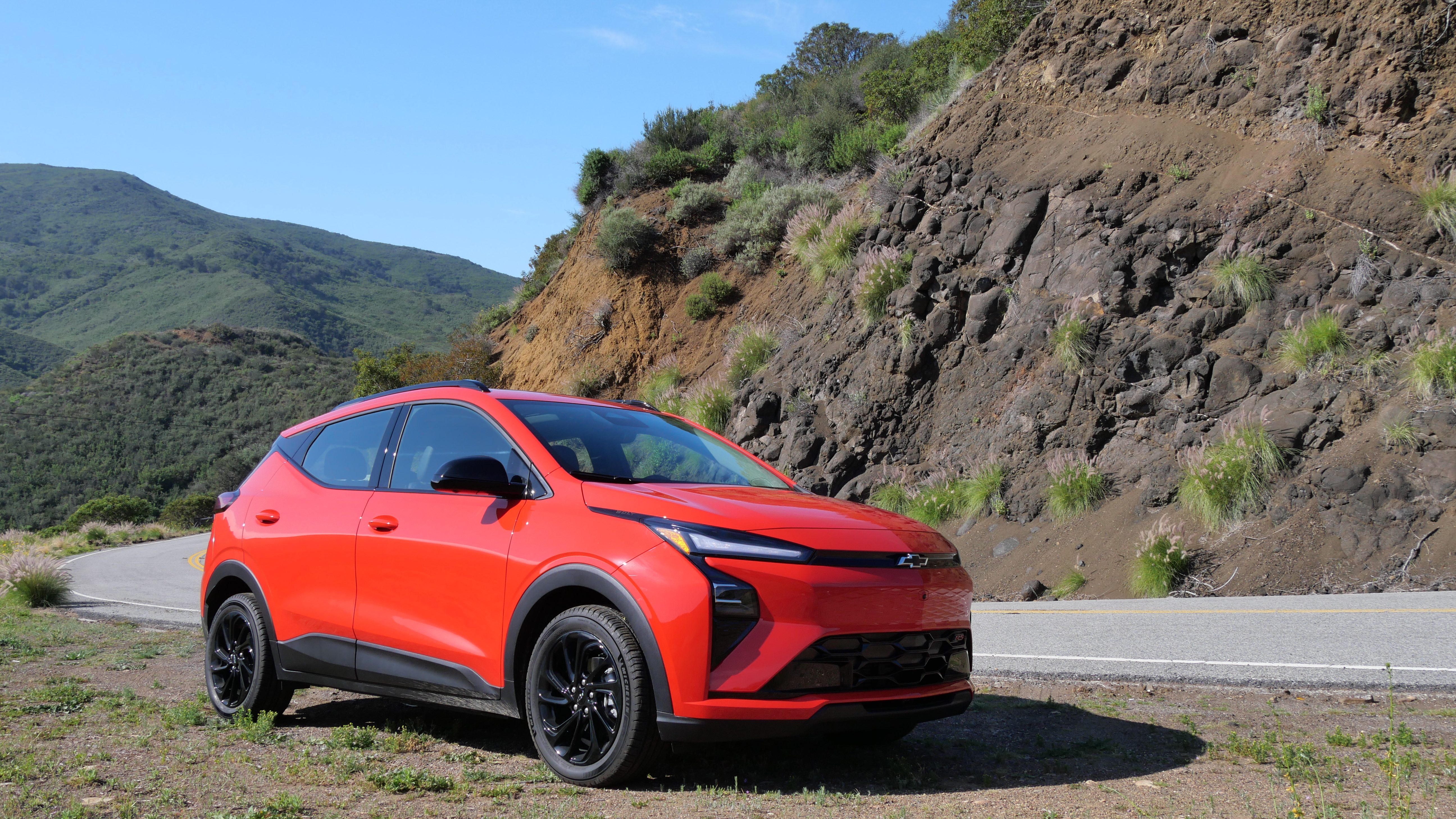
Handling felt good on the twisty Malibu roads we drove, though obviously this is not a sportscar. The new Bolt is just shy of a hundred pounds heavier than the old Bolt EUV (depending on equipment), but it felt nimble enough.
As for ride comfort, the old Bolt didn’t have the best ride quality, and the new one felt slightly improved in this respect. There are more comfortable cars out there, but the ride was acceptable.
So, perfectly serviceable performance all around, if even a little upgraded from the previous Bolt.
One nice bit: the seats are somewhat plush. I am accustomed to, and like, cars with relatively hard seats, but I thought these seats were quite nice. And ventilated seats are available, though the ventilation wasn’t the strongest we’ve felt.
We also found the adjustable cupholders to be very useful – making them useful not just for cups, but for whatever other stuff you might want to store. The interior felt utilitarian – and I mean that as a matter of praise.
A note on regenerative braking/throttle feel
Chevy completely changed the regenerative braking system as compared to the old Bolt, and it now functions a lot like the other vehicles in Chevy’s EV stable. The car has multiple drive modes, and a “My Mode” where you can pick and choose different throttle, steering and regen settings, which is quite nice.
One pedal driving comes in Off, Normal or High settings. The regen is quite strong on the higher settings, and will smoothly blend in friction brakes to bring you to a complete stop, even on a hill. This one-pedal stopping actually felt smoother to me than the blended braking system in the Porsche Macan EV, so Chevy has really knocked it out of the park on that aspect.
I do have my misgivings about the throttle and regen feel on the Bolt, though. Just as with other GM EVs, there’s a slight delay to any throttle inputs. Automakers often apply smoothing to throttle inputs in the name of increasing passenger comfort, as inexperienced EV drivers often feather the throttle pedal too much creating a jerky ride.
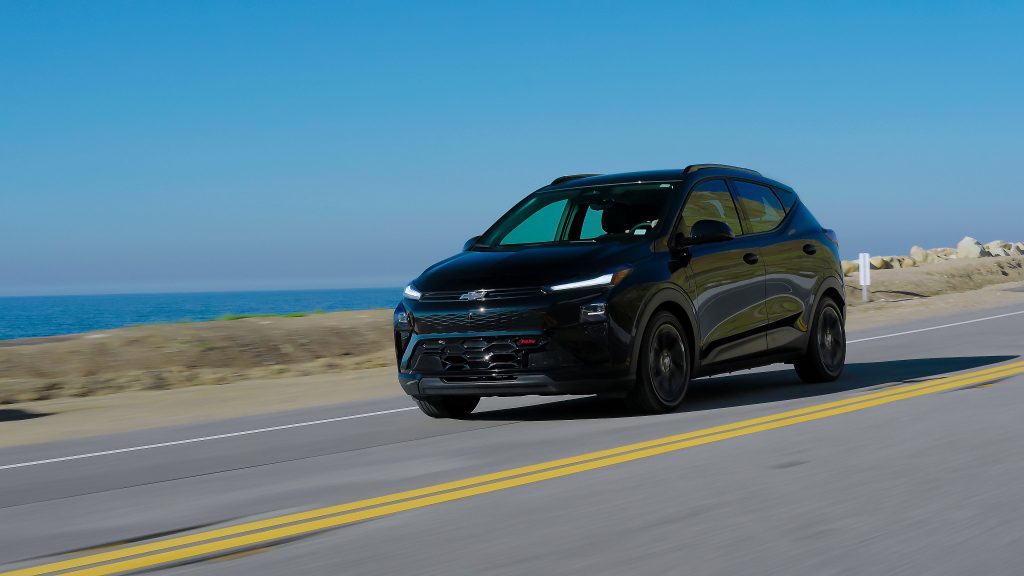
But the problem with that is that experienced EV drivers who are expecting quicker throttle response might feel uncomfortable from the weird throttle input delays that take control away from the driver. The delay is only a fraction of a second, but it still muddies the driving experience.
The annoying part to me is that there is a solution available – the car already has drive modes, so just remove all smoothing from the sport drive mode, and keep more smoothing on the relaxed drive mode. Then you can accomplish smoother rides in taxis and responsive rides for drivers who are used to quick EV throttles. As-is, the drive modes mostly just change throttle mapping, rather than throttle response.
While this may sound like a niche complaint, there are a couple other cars that have displayed more severe versions of this behavior, and have been roundly panned because of it.
This does result in some strange behavior, especially at low speeds. In one-pedal drive mode, the car was oddly lurchy when trying to move in parking lots, charging stalls, etc., as the car transitions between accelerating and braking. I could kind of live with the throttle delay when traveling at speed on the road, but in a parking lot, I hated it. It makes precision moves more difficult.
One interesting thing the Bolt does, though, is that it has no creep when moving forward, but does have creep in reverse. I find this to be a pretty natural mode of operation, and have decided that maybe it’s even the optimal solution. Or it would be, if not for the strange low-speed operation when moving forward, which I’d like to see the control logic updated on.
Value – about as good as you can get today in the US
All of this comes in the most affordable package for any EV in America, starting at just $27,600 before destination charges ($28,995 after). That’s an almost identical price to the old EUV model, which is quite impressive when prices have been going up for everything else.
| Configuration | Pricing (plus $1,395 dest. charge) |
| LT | $27,600 |
| LT + Comfort | $28,595 |
| LT + COMFORT + EVOTEX + TECH + SUPER CRUISE | $34,260 |
| RS | $31,600 |
| RS + TECH + SUPER CRUISE + SUNROOF | $37,595 |
That’s $2.5k less than the other budget EV deal in the US, the Nissan Leaf. The Leaf was going to beat the Bolt on price eventually, but Nissan recently indefinitely delayed their rumored base trim, which means for the time being the Leaf will still start at $30k (plus $1,495 dest. charge). The Leaf does still offer a great value proposition, even at the slightly higher base price.
I’ve had more time in the Bolt than the Leaf, and at this moment in time, I’m unable to give a full-throated recommendation for on over the other. You’ll have to check out the feature set at each option level and decide what’s most important to you. Or it might just be down to what’s the better deal you can find in any given week.
But the point here is that both these cars are great values, and both sit at the top of the value ladder for EVs today. And there’s something nice about the fact that these two models remain the unchallenged best values in the US EV space, as they’ve been since both of their inceptions.
You can get more or better packages from other cars for more money, but in terms of value for money, you can’t go wrong with a Bolt.
The elephant in the room – GM to replace Bolt with a gas guzzler in ~16 months
So, go out and get one right? Well, if you want to, you better do it quick. Because, inexplicably, after all the re-engineering and new supply contracts, GM will reportedly end production of the Bolt somewhere around 16 months from now.
Once it’s gone, its production slot at GM’s Kansas plant will be filled by the Buick Envision, a gas-guzzling SUV which wastes five times as much energy as the Bolt per mile driven, despite that the world is currently in a climate emergency. The billion climate refugees in the coming decades thank you, GM, for the decisionmaking that will contribute to the disaster that will destroy their homes.
The Envision was formerly only manufactured in China, a country where EV sales are correctly booming, to great benefit of all who live there. Bringing it to the US will help GM avoid tariffs, and opens up the option of ending sales in China if fossil car sales continue to drop there (which they will).
The US-built version of the Envision will come out in the 2028 model year, meaning it looks like the Bolt, which has a particularly early 2027 MY designation even though it’s currently the start of 2026, may only exist for a single model year.
And to add insult to injury, GM announced the Envision will take the Bolt’s place before you could even buy it.
Things could change, and GM could find a different factory to slot Bolt production in to. We imagine if it’s a huge hit, that would be more likely.
But given that EV sales are depressed in the US right now (partially due to a fuel economy rollback which GM CEO Mary Barra signaled support for), Bolt sales will likely have a relatively slow start, since so many EV purchases were pulled forward into September of last year after Congressional republicans inflated the price of every EV by $7,500.
And with GM’s repeated use of “limited time” phrasing, we doubt the new Bolt is long for this world, though we’d obviously love to see otherwise.
The new Bolt should be a hit, if GM lets it be
It’s a shame that GM fixed all the problems of the old Bolt but has signaled that it will take it away so quickly. And it’s doing this despite recognizing the Bolt is one of the most-loved vehicles it has ever sold.
GM bragged to us that 60% of its EVs represent conquests from other brands, that the Bolt had the highest conquest rate of any vehicle GM sold, that Bolt owners have extremely high loyalty to Chevy/GM brands, and that once owners go EV, they almost never switch back. Not only that, but the Bolt has extremely high loyalty within the model itself.
Finally, in the Bolt’s first iteration, GM announced its death during its best year of sales ever. That’s right – once the word got out about this model, sales just kept growing.
So, given all of these stats – that the Bolt specifically is responsible for bringing customers to GM and keeping them there, and that those customers don’t want to drive anything else – who in their right mind would cancel it? …Twice? And for a gas guzzling SUV, too?!?
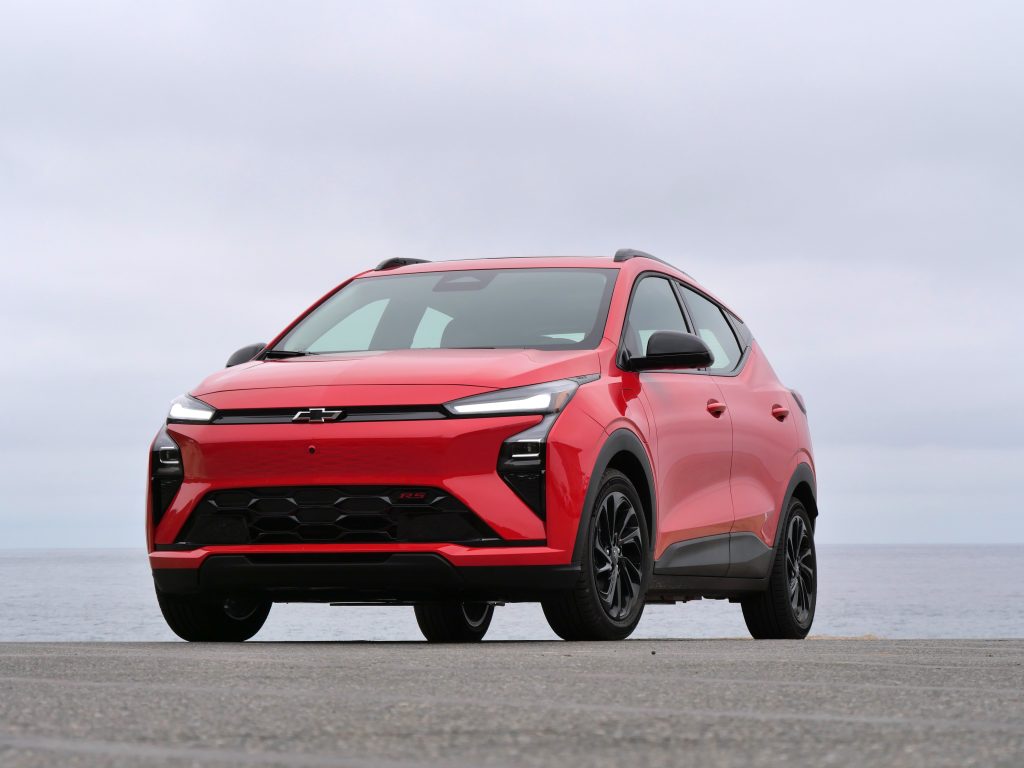
All of this suggests that GM is not merely “responding to consumer demand” as it prematurely writes down its EV investments, especially considering that global EV sales continue to rise as gas car sales continue to fall. I also sincerely doubt that the Envision will put up the sort of customer conquest and loyalty numbers that the Bolt has.
Instead, it seems GM is just shifting with the political tides. But that’s no way to run a car company, where planning timelines are longer than election cycles. (It’s also not a way to run a government, but literally everyone with two or more neurons knows that already)
All that said, maybe we should put our knives away for a moment. We do keep hearing from GM that something is coming to replace the Bolt. Nothing has been announced, but the implication is that there will be another affordable (possibly small? please!?) EV that comes around after the Bolt. And the timing on that car could be fitting, if it happens to show up in the 2029 model year, after America’s national nightmare will hopefully be over.
And, GM has a significant EV stable anyway. I just want to see them commit fully to it, and especially to the EV that it has sold more of than any other, with about 200k Bolts on the road today.
So if you want what just might be the best Bolt that Chevy will ever make (unless it changes its mind again), then you’ve got 18 months to contact your local dealer and snatch one up.
Use our links to contact your local dealers about the 2027 Chevy Bolt EV, and see whether they have them in stock yet. Same goes for the Nissan Leaf, if that model is more your taste.


FTC: We use income earning auto affiliate links. More.
First Appeared on
Source link





Leave feedback about this