

Editor’s note: The story is being updated.
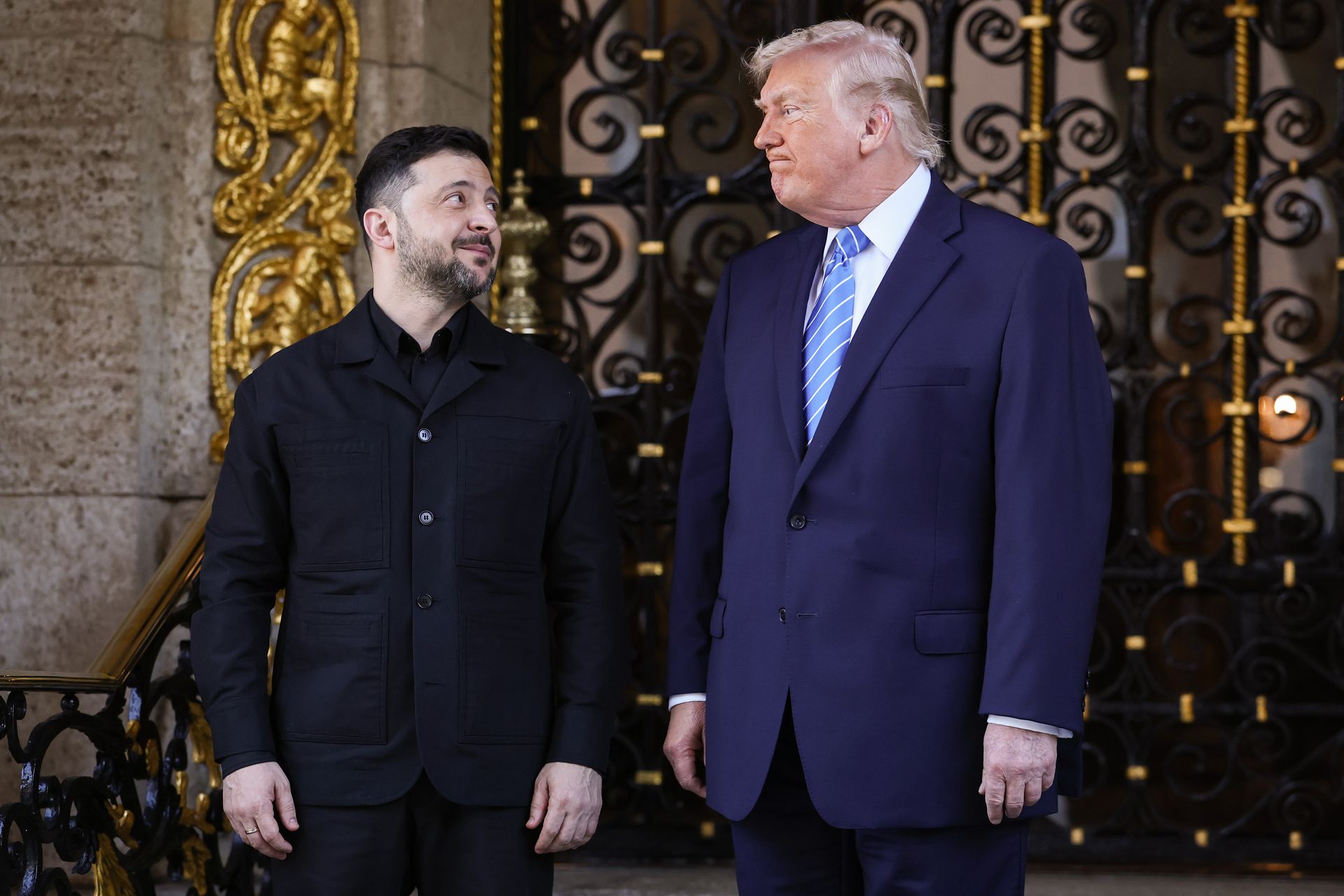
The U.S. does not need Ukraine’s assistance with strengthening anti-drone defenses amid the ongoing fighting in the Middle East, U.S. President Donald Trump said in an interview with Fox News aired on March 13.
“No, we don’t need (Ukraine’s) help in drone defense,” Trump said in the interview. “We know more about drones than anybody. We have the best drones in the world, actually.”
The comments come as an unexpected rebuff of Kyiv’s offer to share its combat‑tested experience and technology for countering Iranian‑made strike drones with the U.S. and Middle Eastern countries.
The claim also appears to conflict with President Volodymyr Zelensky’s earlier statement that Kyiv agreed to Washington’s request for assistance in protecting U.S. military bases in Jordan.
More than 10 countries have already requested Kyiv’s aid, Zelensky said on March 13, after previously confirming that Ukrainian experts were also sent to Saudi Arabia, Qatar, and the United Arab Emirates.
Already since last year, Ukraine has been offering to share its experience in drone technology — a vital weaponry on Ukrainian battlefields — with the U.S. in exchange for anti-missile defenses.
The Trump administration reportedly dismissed the initial offer last August during Zelensky’s visit to the White House.
Russia targets Ukraine with mass drone strikes on a daily basis, with a daily average estimated at between 150 and 200 drones. The country was hit by a record 728 Shahed-type attack drones and decoys in a mass attack in July 2025.
From December 2025 through February, Russian forces launched nearly 19,000 strike drones against Ukraine, mainly Shahed-type strike unmanned aerial vehicles (UAV), according to Zelensky.
Hostilities in the Middle East erupted after U.S. and Israeli forces launched combined attacks against Iran on Feb. 28, leading Tehran to fire waves of missiles and drones against countries across the region.
Since the start of the conflict, Iran has launched over 500 ballistic missiles and over 2,000 drones, though the latest reporting suggests Tehran’s weapons stockpiles may be diminishing.
The conflict led to a surge in oil and gas prices after Tehran closed the Strait of Hormuz, a route that carries roughly 20% of the world’s oil supply.
In the interview, Trump acknowledged that Russia may be providing limited assistance to Iran, lending credibility to earlier reports that Moscow is helping Iranian forces target American military assets in the region.
The comments come as the Trump administration moved to temporarily ease sanctions on Russian oil amid rising prices.
First Appeared on
Source link


Leave feedback about this