

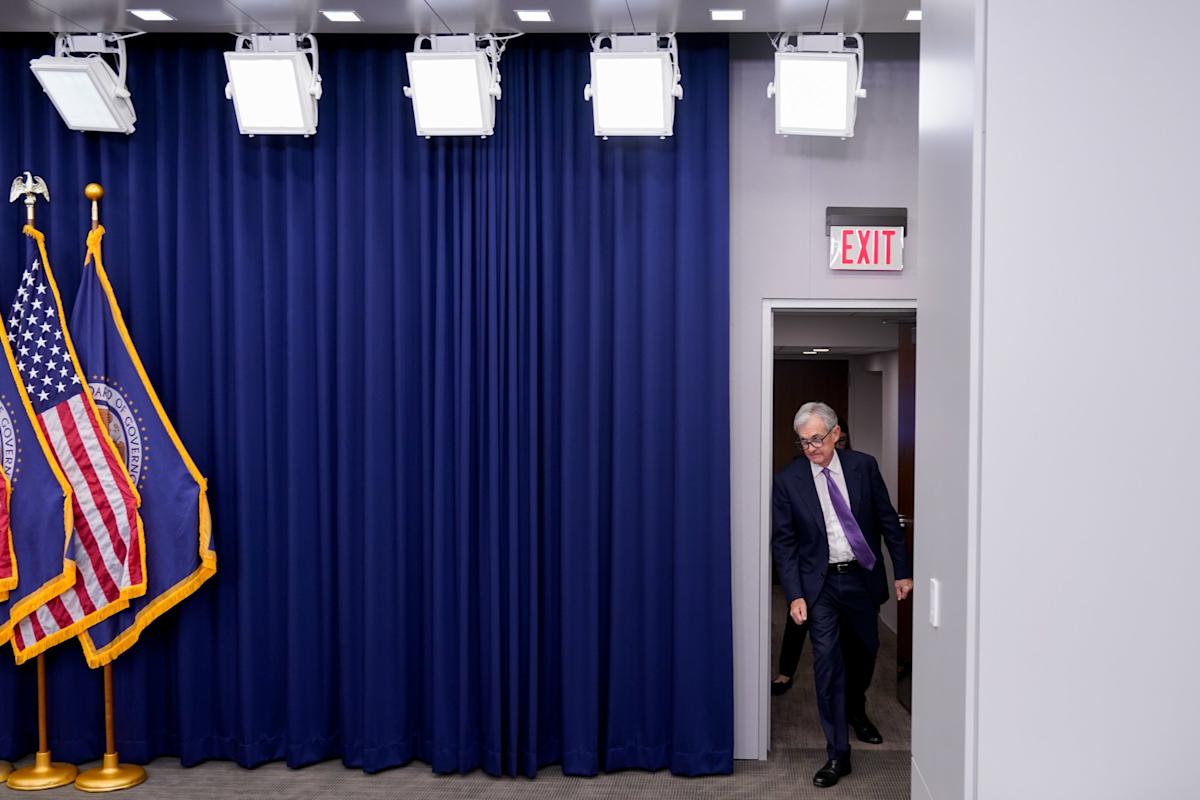
Analysts’ favourite gauge of the U.S. economy’s health comes from data. And at the moment, the numbers look OK … ish. Hiring is down, but unemployment hasn’t spiked, inflation isn’t ballooning (as feared) because of tariffs, and consumer spending is holding up remarkably well.
So why does reality feel so gloomy?
Economist Claudia Sahm is an expert (if not the expert) on the conditions that presage a recession and how policymakers should react as a result. She is the creator of “the Sahm Rule,” an employment indicator monitored by everyone from central banks to the global financial giants. The Sahm Rule says that a recession is likely when the three-month moving average of the national unemployment rate rises by 0.5 percentage points or more, relative to the minimum of the three-month averages from the previous year.
Sahm’s equation has proved invaluable. As JP Morgan observed, it “was 100% accurate prior to the pandemic, dating back to 1959.”
Therein lies the problem: During the pandemic, Sahm believes the tectonic plates of the economy began shifting and haven’t settled since.
The labor market has behaved strangely since the pandemic. President Trump’s anti-immigration drive has reduced the number of available workers. Employers have been reluctant to hire for new roles. Unemployment has ticked up but isn’t out of control by historical standards. Hiring remains tight, in a “low-hire, low-fire” environment.
Secondly, America’s institutions—the courts, the central bank, its federal agencies—have been politically swayed by the Trump Administration. Economists are no longer sure they act independently to provide the checks and balances that historically made the U.S. economy a transparent, and therefore trustworthy, place to do business.
The former Fed Section Chief who once served as Obama’s senior economist doesn’t think a blow-out event will crash the American economy. Rather, her fear is that aggregating events will reshape these two fundamental factors, and that the usual responses from policymakers are unlikely to be fit for purpose.
If a path can be charted, Sahm fears we’re moving the wrong way down it.
Many economists have been eyeing the “knife-edge” in the labor market. They are watching the “breakeven number” (the job creation figure needed to stop unemployment from climbing) grind lower and lower, offset by significant immigration, which has reduced labor supply.
First Appeared on
Source link




Leave feedback about this