

Off the coast of Argentina, the deep ocean is revealing secrets that could change everything we know about marine ecosystems. Recent discoveries have uncovered vast, uncharted coral reefs and species previously unknown to science, highlighting a richness of life that was once hidden beneath the waves.
Argentina’s Deep-Sea Biodiversity: A New Frontier
In a significant leap for marine biology, scientists embarked on a comprehensive expedition in Argentina’s deep-sea regions to explore the diverse ecosystems that reside on the continental slope. Armed with cutting-edge technology, including the remotely operated vehicle SuBastian, the team uncovered a wealth of species and coral formations that were previously unknown to science. The study conducted by the University of Buenos Aires and published on Schmidt Ocean Institute’s website, details how the researchers documented nearly thirty species previously unrecognized, broadening our understanding of life in the deep Atlantic. The team’s findings are a testament to how much there is still left to discover in our oceans.
“We were not expecting to see this level of biodiversity in the Argentine deep sea, and are so excited to see it teeming with life,” said Dr. María Emilia Bravo, the expedition’s chief scientist from the University of Buenos Aires and CONICET. “Seeing all the biodiversity, ecosystem functions, and connectivity unfolding together was incredible. We opened a window into our country’s biodiversity only to find there are so many more windows left to be opened.”
The focal point of the expedition was a vast coral reef built by Bathelia candida, a white hard coral. This reef, stretching over 0.15 square miles, holds a variety of marine life within its structure, creating a habitat for species in need of shelter from strong ocean currents. Reefs like this are slow-growing and vulnerable to human activity, particularly bottom fishing that can damage delicate coral formations. The discovery of this reef is pivotal for the scientific community, offering insights into how these ecosystems evolve and their importance to marine biodiversity.
Credit: ROV SuBastian / Schmidt Ocean Institute
Mapping the Uncharted Deep Sea: What We’ve Learned So Far
Argentina’s deep-sea ecosystems were once thought to be less diverse, but this new study has flipped that assumption on its head. The research highlights how little we truly know about the vast habitats beneath the ocean’s surface. The expedition, conducted from the research vessel Falkor, used advanced imaging technology to reveal not just coral reefs, but also chemical-rich cold seeps and a whale fall, all of which contribute to sustaining complex food webs in the deep. Cold seeps are particular areas where chemicals like methane seep out from the seafloor, providing energy to microbes that form the foundation of these underwater ecosystems.
“We collected an unprecedented number of chemical, physical, and biological samples that will be used to understand connections in our waters for years to come,” said Dr. Melisa Fernández Severini of Instituto Argentino de Oceanografía and CONICET. “These samples represent a unique opportunity to understand not only how extraordinary these extreme ecosystems are, but also how vulnerable they can be.”
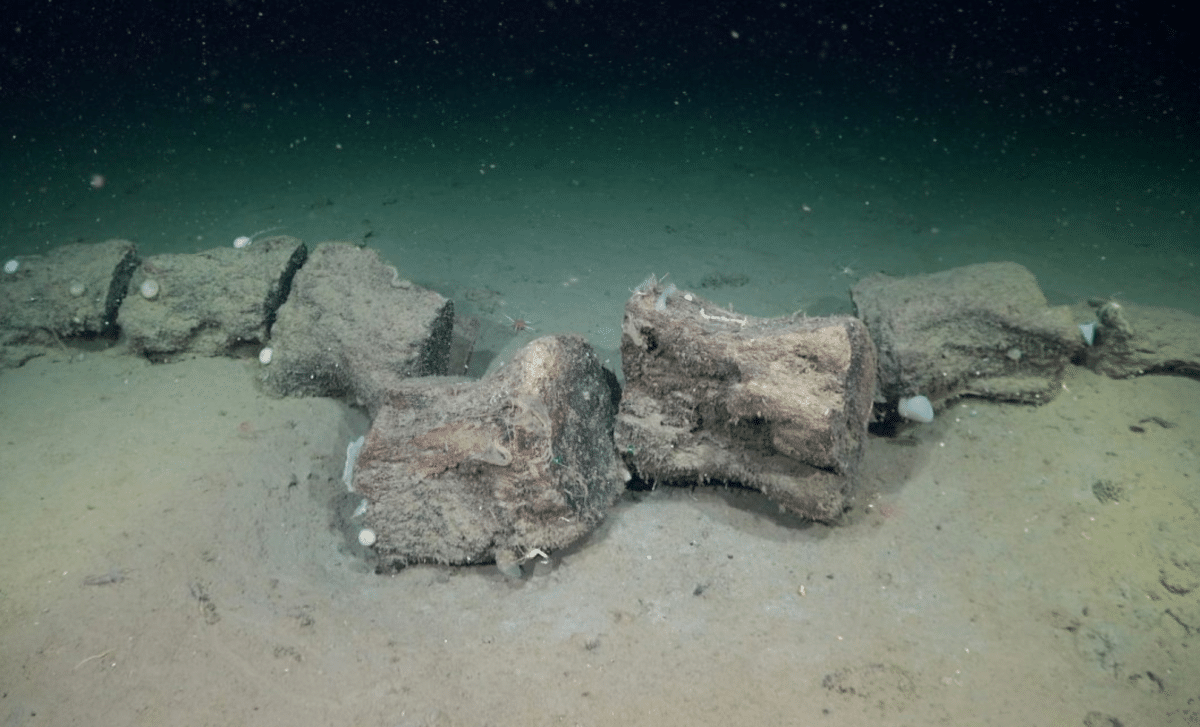
One of the most intriguing aspects of this discovery is the whale fall found at a depth of 2.4 miles. This phenomenon occurs when a whale carcass sinks to the ocean floor, providing food for a host of scavengers, from bacteria to larger predators. The bone structure of the whale also becomes a home for various creatures for years after the meat has been consumed. The deep-sea whale fall found off the coast of Argentina is the first of its kind to be documented in this region, adding a new dimension to our understanding of life in these extreme environments.
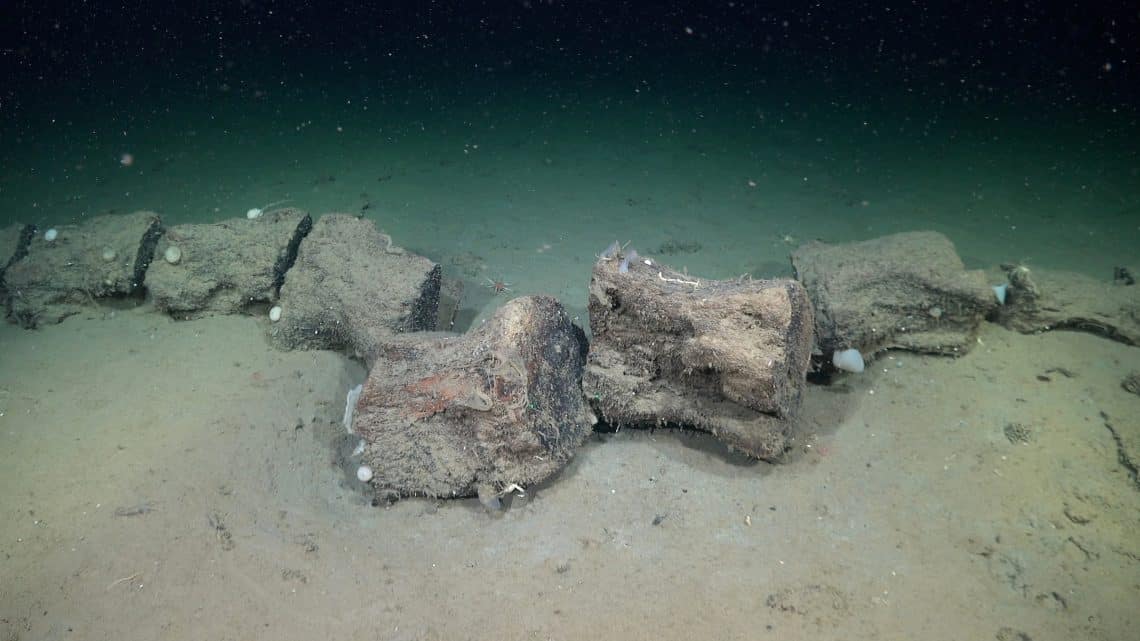
Credit: ROV SuBastian / Schmidt Ocean Institute
Cold Seeps and Their Role in Marine Ecosystems
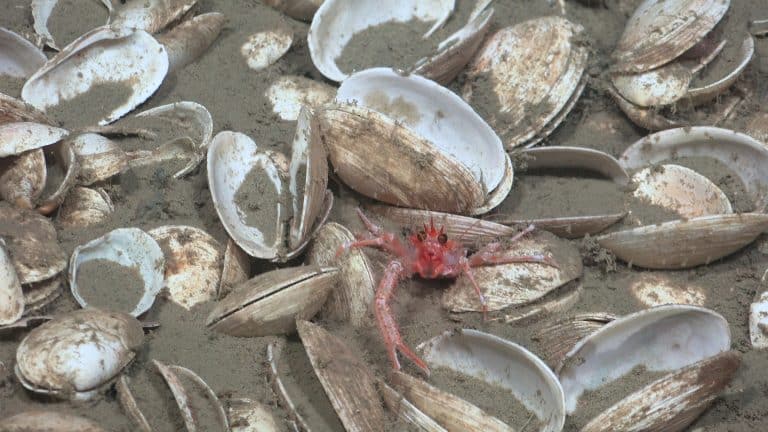
Cold seeps, where methane and other chemicals seep from the ocean floor, are critical to sustaining deep-sea ecosystems. These seeps create unique microbial food webs that support various marine life forms, including clams, tube worms, and crustaceans. The Schmidt Ocean Institute study, revealed an active seep that spanned almost 0.4 square miles, raising new questions about the relationship between these seeps and coral habitats. This discovery challenges previous perceptions of how ecosystems are connected in the deep sea and underscores the importance of preserving these little-understood environments.
The methane that seeps from these areas feeds bacteria, which, in turn, supports a range of animals that depend on these microbes for nutrition. The research team also noted that many of these creatures are not found anywhere else, suggesting that cold seeps may act as isolated ecosystems, with unique species adapted to survive in such extreme conditions. The discovery of these habitats is crucial for scientists working to understand the full extent of life in the deep ocean and how different ecosystems are interconnected.
Credit:ROV SuBastian / Schmidt Ocean Institute
The Impact of Human Activity on Fragile Marine Ecosystems
While the discoveries made during the Argentine expedition are exciting, they also raise concerns about the impact of human activities on these fragile ecosystems. During the study, the researchers found evidence of human waste on the seafloor, including plastic fishing nets, garbage bags, and even an old videotape. These items, likely discarded from ships, can remain on the seafloor for years due to the cold, dark environment that slows the decay process.
The presence of such waste alongside delicate marine ecosystems highlights the urgent need for better regulation of human activities in these areas. As the team’s findings show, areas once thought to be untouched are now showing signs of degradation. The researchers argue that protecting these newly discovered ecosystems from further damage should be a priority, as many of the species in these regions are extremely vulnerable to disturbances.
First Appeared on
Source link





Leave feedback about this