

The discovery pushes estimates of advanced resource collection thousands of years earlier than previously thought. Turns out, the assembly line has much older roots than Henry Ford‘s 1913 production floor.
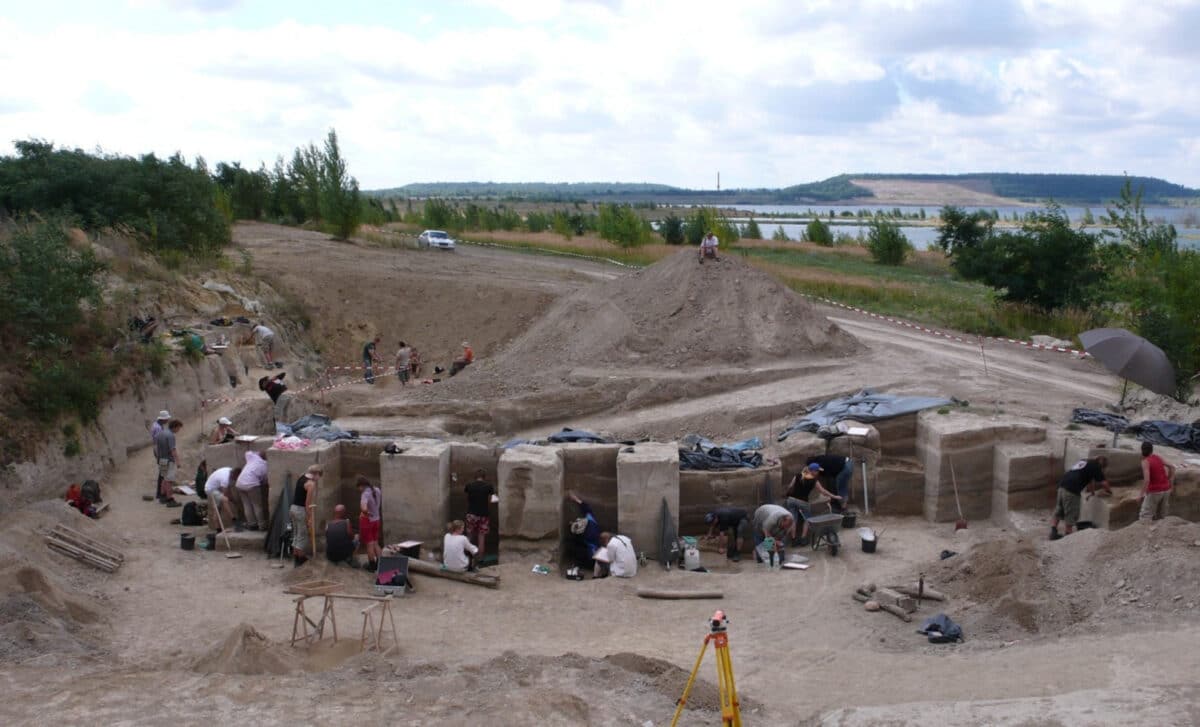
The findings come from the Neumark-Nord archaeological site, where researchers from Leiden University have been excavating for decades. Their latest study, published in the journal Science Advances, adds a striking new chapter to what was already a surprisingly rich record of Neanderthal activity in the region. Around 125,000 years ago, Earth was going through an interglacial period with weather conditions broadly similar to today’s climate, a detail that helps explain the remarkable preservation of what researchers found.
Previous excavations at Neumark-Nord had already documented that Neanderthals hunted straight-tusked elephants in the area, used fire to manage vegetation, and showed signs of plant use, though that evidence rarely survives the millennia. The new study builds directly on that foundation, revealing not just what Neanderthals were eating, but how deliberately, and on what scale, they were going about it.
A Lakeside Site Chosen With Purpose, Not Chance
According to the study, Neanderthals intentionally selected the lakeside location to process the bones of at least 172 mammals, including deer, horses, and aurochs, a now-extinct species of bovine. The operation was multi-step: inhabitants broke open large mammal bones to extract the marrow, ground those bones into thousands of fragments, and then heated them in water to render out calorie-rich bone grease.
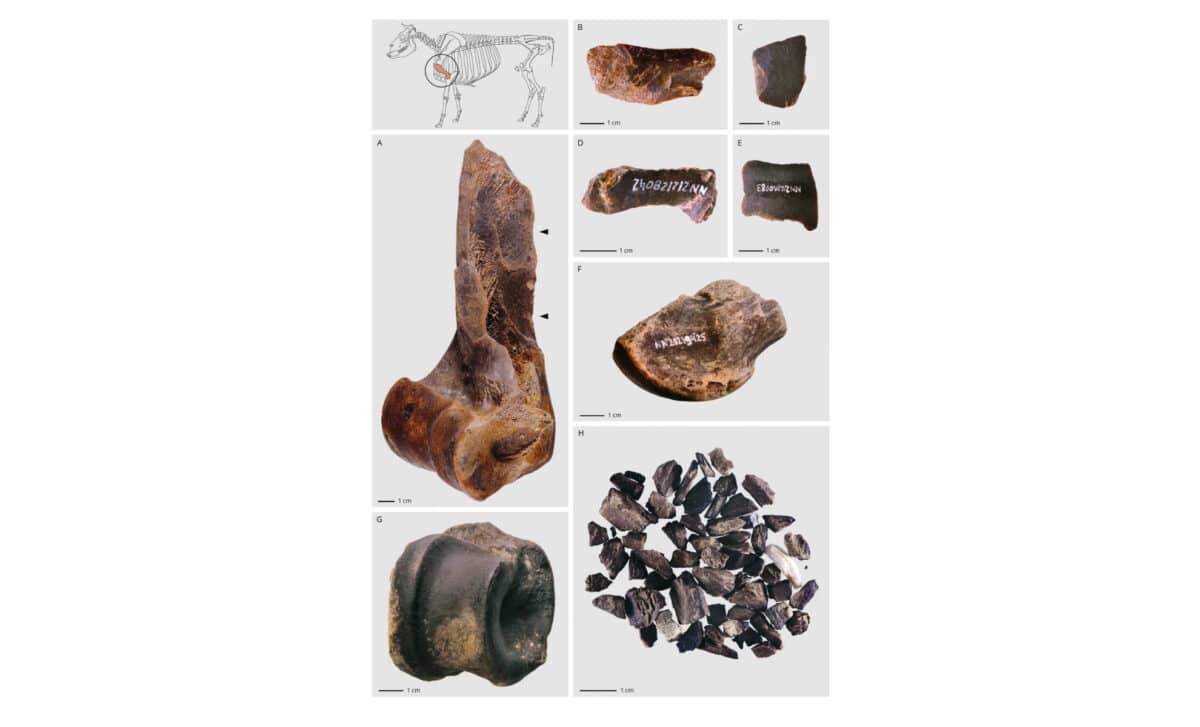
Researchers believe the Neanderthals operating this site understood what they describe as a “fat quota“, a minimum threshold of caloric yield that had to justify the labor-intensive, literally bone-crushing process. The authors of the paper also emphasized the sheer number of herbivores that must have been hunted to sustain this level of activity, pointing to a degree of environmental management that goes well beyond what most people picture when they think of Neanderthal survival.
Planned, Transported, Rendered — in That Order
“This was intensive, organised, and strategic,” said Lutz Kindler, first author of the study, in a press release from Leiden University. “Neanderthals were clearly managing resources with precision — planning hunts, transporting carcasses, and rendering fat in a task-specific area.”
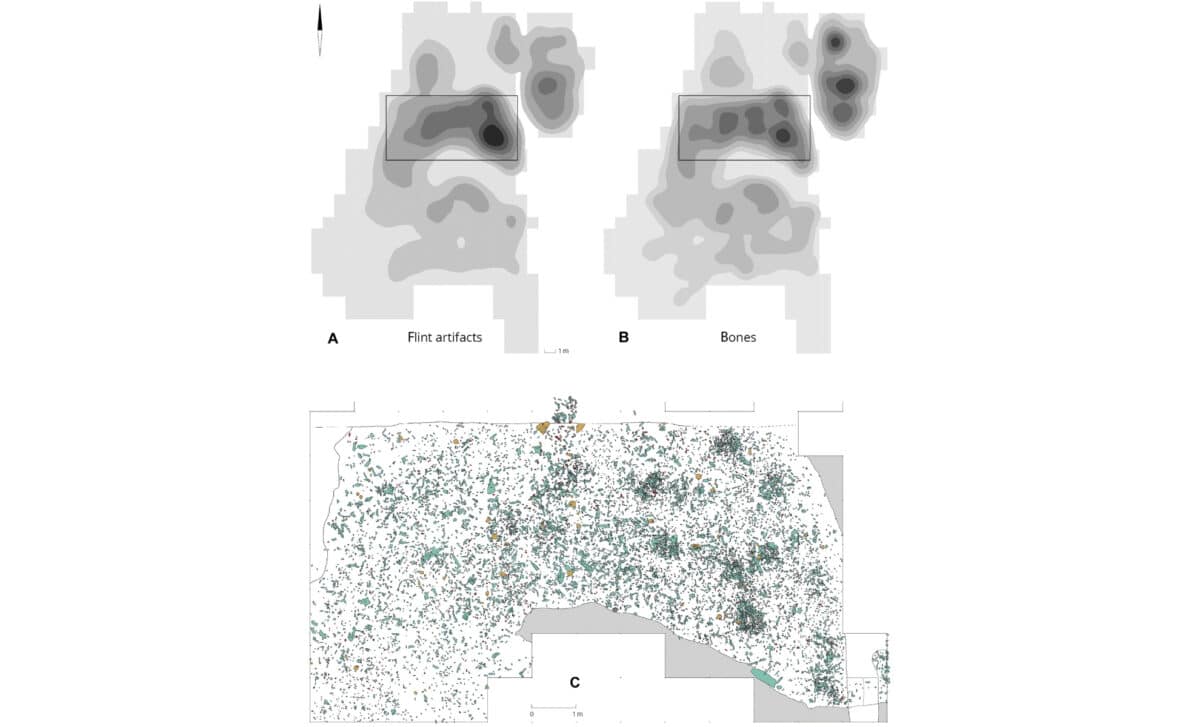
Kindler went further, suggesting the operation most likely involved caching carcass parts at various points across the landscape before transporting them to the dedicated grease rendering site. “They understood both the nutritional value of fat and how to access it efficiently,” he added. It’s a supply chain logic applied to prehistoric subsistence, something researchers had not previously documented at this age.
A Rare Preserved Landscape That Changes Everything
What truly sets Neumark-Nord apart, according to researcher Fulco Scherjon, is its extraordinary scope. It wasn’t just one site that survived, it was an entire landscape. “The enormous extent and exceptional preservation of the Neumark-Nord site complex offers us a unique opportunity to investigate how Neanderthals influenced their environment — both flora and fauna,” Scherjon said in the Leiden University press release. “This is extremely rare for such an ancient site — and opens exciting perspectives for future research.“
According to Popular Mechanics, these findings place estimates of advanced resource collection thousands of years earlier than scientists had previously believed. Neanderthals, it seems, have long been underestimated, and Neumark-Nord keeps making that case harder and harder to ignore.
First Appeared on
Source link






Leave feedback about this