

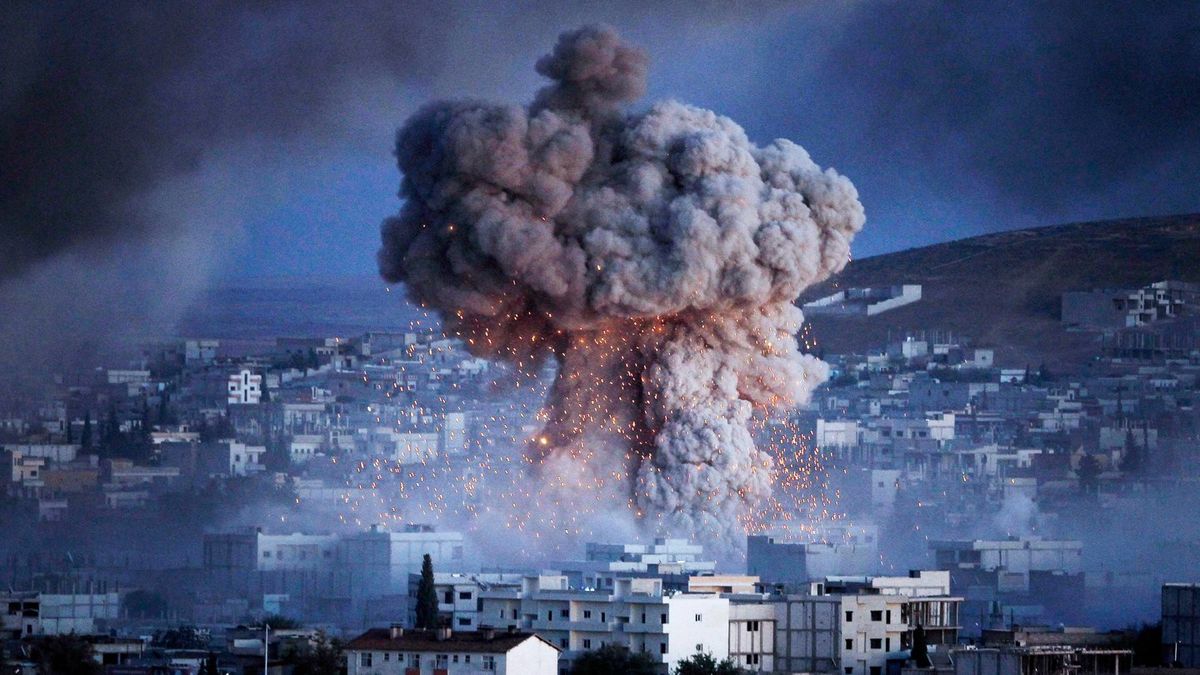
Fresh conflicts involving the world’s nuclear powers have raised the dreaded prospect of a potential World War Three breaking out, with all its deadly consequences for mankind.
Not only have America and Israel, both nuclear powers, gone to war with Iran in the past week, but as missiles were flying to and from Tehran, the Taliban in Afghanistan started its own ‘open war’ with nuclear-armed Pakistan.
While these conflicts are terrifying for the people in the Middle East living under regular bombardment and subject to travel warnings, the ever-increasing entanglement of nuclear powers in escalating tensions raises the prospect of total armageddon.
Peer-reviewed research published in Nature suggests that a ‘small’ nuclear war would likely wipe out billions by sending large amounts of soot into the atmosphere, blocking sunlight and causing a ‘nuclear winter’ that would blanket every corner of the Earth.
Two countries would apparently make it through a nuclear apocalypse (Getty Stock Images)
This could disrupt global agriculture and lead to widespread famine – but apparently two places would survive.
Armageddon expert Annie Jacobsen, author of Nuclear War: A Scenario, used scientific papers and defense experts to find out what would happen if the Great Powers started slinging the 12,000 nuclear weapons held in the world’s arsenals.
“Hundreds of millions of people die in the fireballs, no question,” the investigative journalist explained on Steven Bartlett’s The Diary Of A CEO podcast.
But the true devastation happens to the people who survive these devastating blasts and their radioactive fallout. Jacobsen claimed that after this, three billion people would be left alive, but that life would be completely unrecognizable.
“Places like Iowa and Ukraine would be just snow for 10 years, and so agriculture would fail. When agriculture fails, people just die,” she said, before Bartlett raised the question of where could even be ‘safe’ in such a scenario.
It turns out that people living in New Zealand and Australia would apparently be the ones to make it through the nuclear winter, with Jacobsen stating that research suggests they would be the ‘only places that could actually sustain agriculture’.
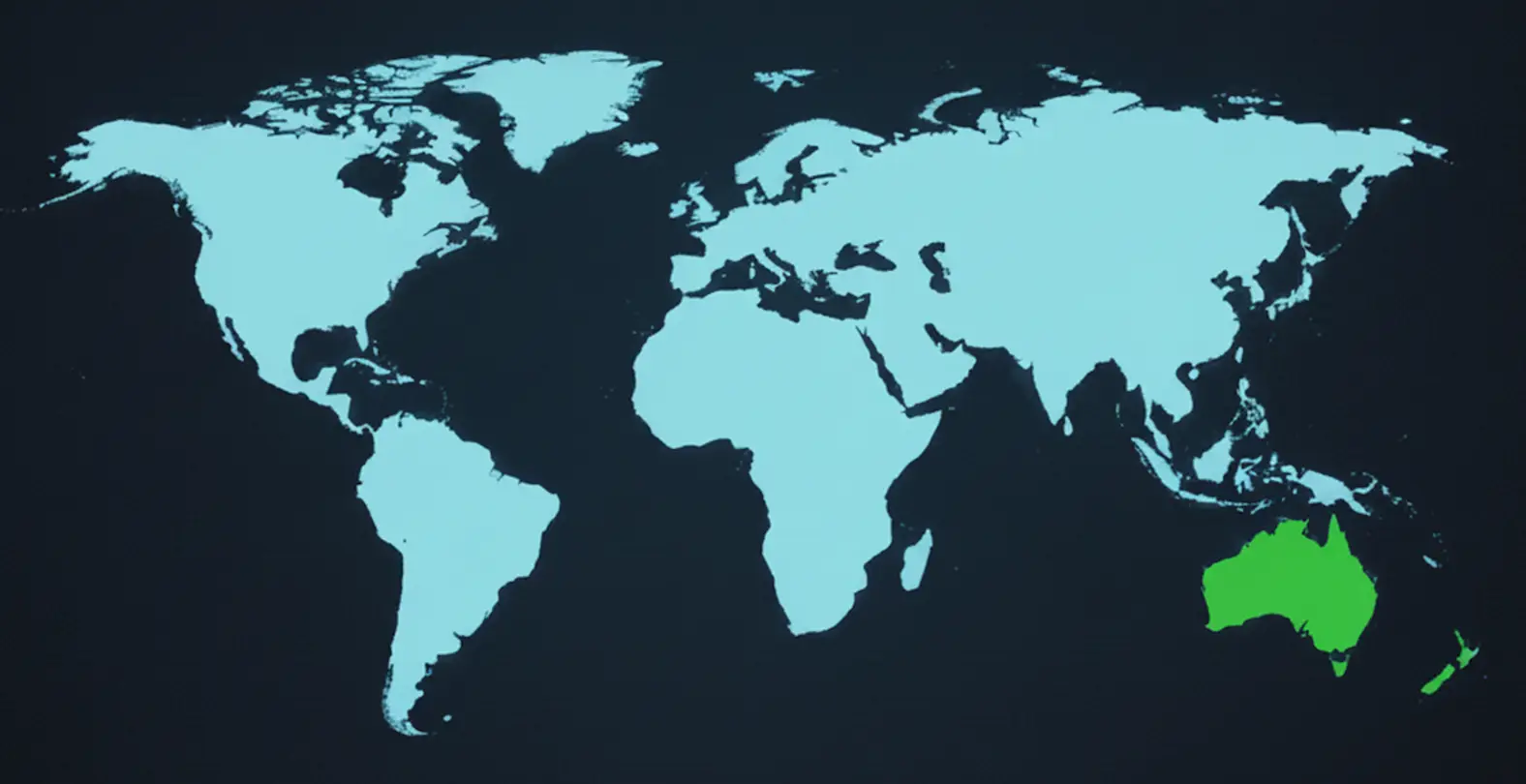
According to experts, just two countries would survive (UNILAD)
Setting off thousands of modern nuclear warheads, most of which are 50 times more powerful than the ones dropped on Hiroshima and Nagasaki, would eviscerate the thin layer of gas that protects us from the sun’s deadly radiation.
Jacobsen described: “On top of [a nuclear winter], you have the radiation poisoning, because the ozone layer would be so damaged and destroyed that you can’t be outside in the sunlight.”
With sunlight itself becoming deadly for mankind, except for the Aussies and Kiwis, the few remaining people left on the rest of the planet will be left to scrounge an existence in the dark.
“People will be forced to live underground,” she added. “So you have to imagine people living underground, fighting for food, everywhere except for in New Zealand and Australia.”
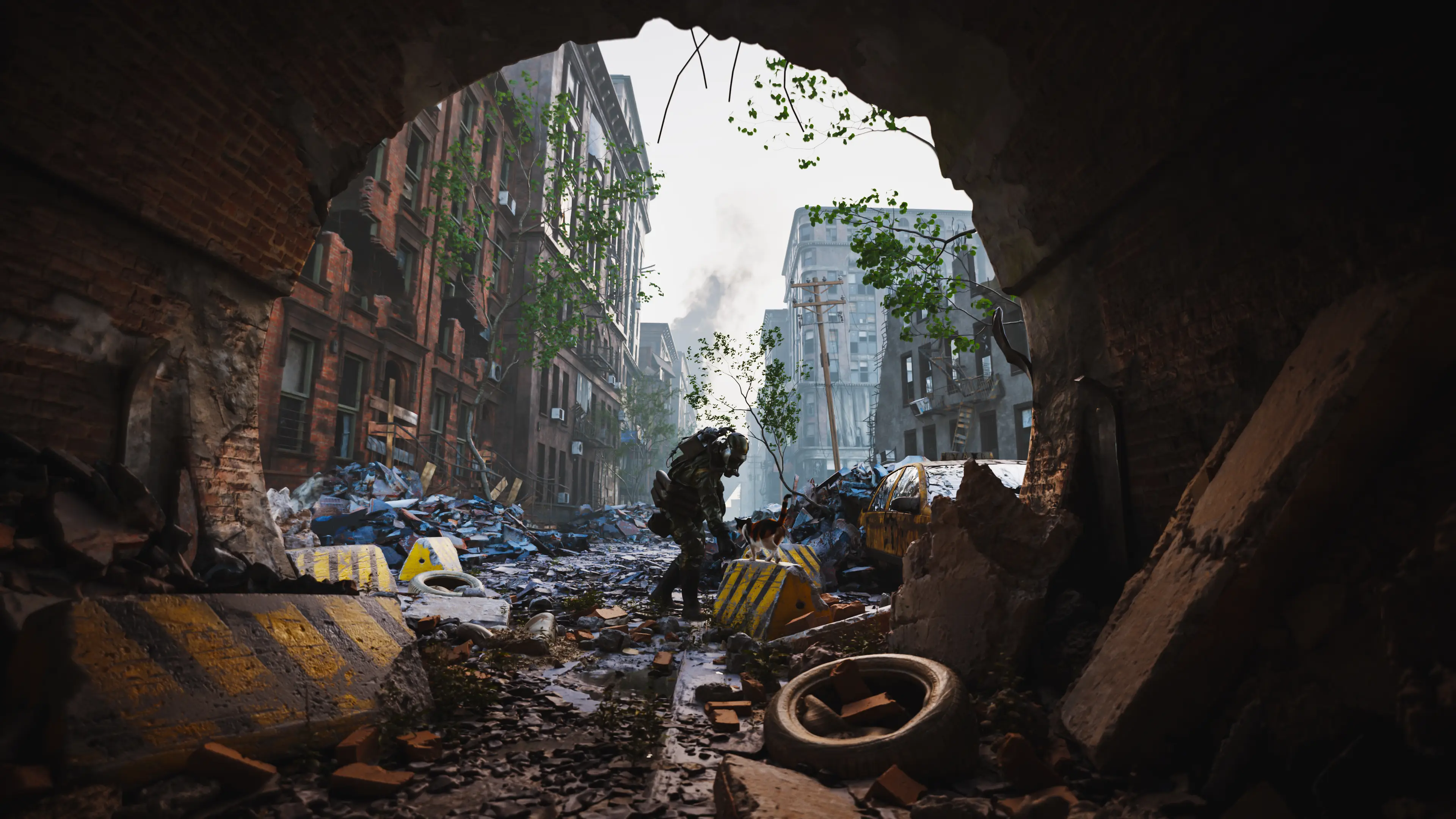
You wouldn’t even be able to go outside because the ozone layer would be gone (Getty Stock Images)
With this bleak outlook for the future of humanity, Jacobsen pointed out that nuclear armageddon would not be like the asteroid that wiped out the dinosaurs and 70 percent of all species on Earth.
That is because we have the power to stop nuclear proliferation and the wars that threaten humanity’s continued existence, even if at the moment that looks about as possible as stopping an asteroid.
However, with all of that said, nowhere is particularly ‘safe’ if modern nuclear weapons are used in a global conflict, according to an expert who spoke to Newsweek.
John Erath, the Senior Policy Director for the Center for Arms Control and Non-Proliferation, told the outlet: “While those who live near military facilities, ICBM silos in the Midwest or submarine bases along the coasts might bear the most immediate and severe consequences of a nuclear attack, there’s no question: ANY nuclear war or weapons detonation would be bad for everyone.
“Nowhere is truly ‘safe’ from fallout and other consequences like contamination of food and water supplies and prolonged radiation exposure.”
First Appeared on
Source link




Leave feedback about this