

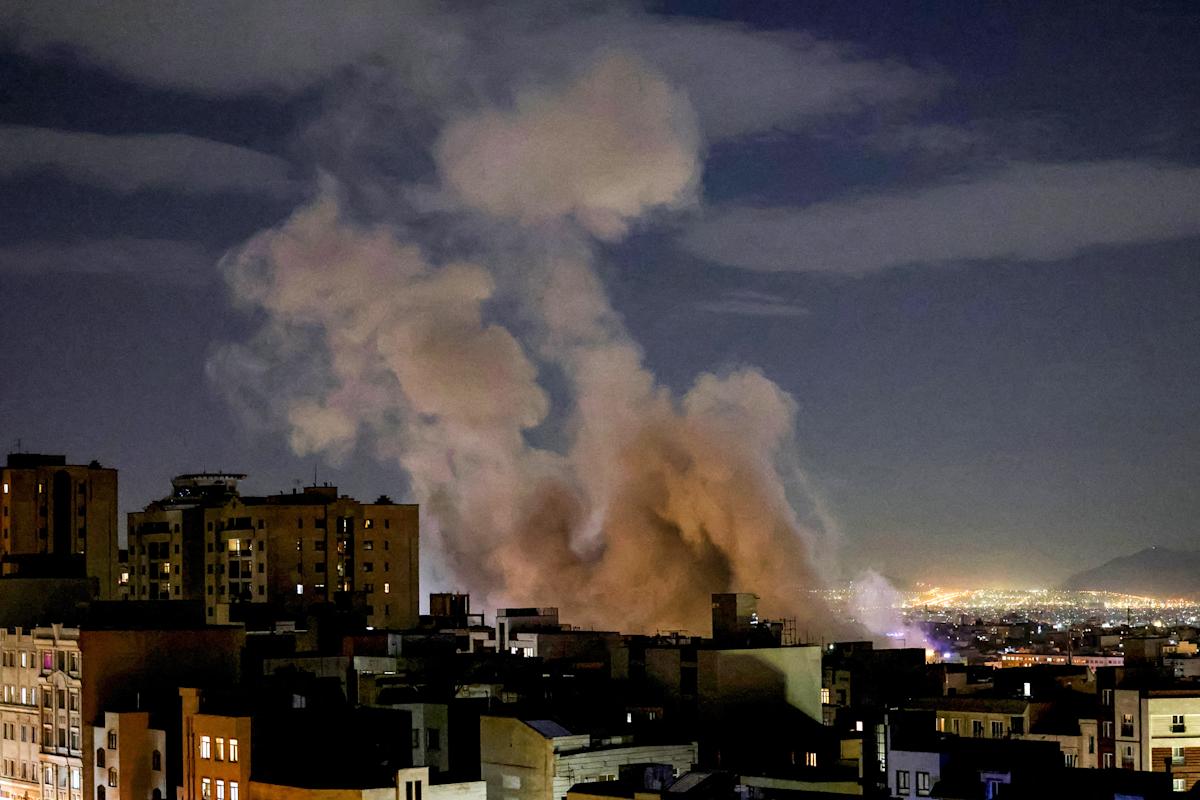
(Bloomberg) — Stocks fell and crude oil surged as an escalation in the Middle East conflict unsettled global markets, prompting investors to trim risk exposure and seek haven assets. The dollar strengthened.
Asian shares fell 1.3%, while S&P 500 and Nasdaq 100 futures slid over 1% in their first response to the US-Israeli war against Iran. Benchmark Brent crude oil surged as much as 13% — before paring gains — as the conflict plunged the global crude market into turmoil with the effective closure of the Strait of Hormuz.
Most Read from Bloomberg
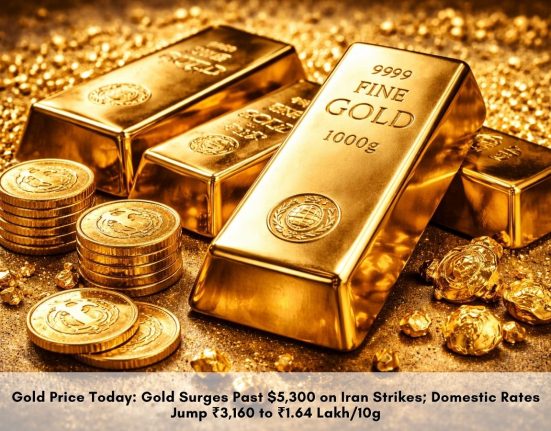
As investors shunned risk, haven assets got a boost. Treasuries rose, with the 10-year yield falling to the lowest level since April and the 5-year yield declining to the lowest since October 2024. Gold advanced 1.6%, trading close to $5,360 an ounce. The dollar strengthened against almost all its Group-of-10 peers.
“History tells us that geopolitical shocks tend to produce sharp initial moves in oil and safe havens that often fade relatively quickly if the conflict proves contained,” said Josh Gilbert, market analyst at eToro Ltd. “Until there are clear signals of de-escalation, investors should expect elevated volatility across oil, gold, currencies, and equities throughout the week ahead.”
Shaken by fresh anxieties over artificial intelligence and potential cracks in credit, all while trading at historically high valuations, stock markets now must contend with the spiraling military action in Iran and the broader region that threatens to destabilize global shipping and limit travel. The impact on oil and inflation is of paramount concern in markets that last month saw US stocks post their worst drop since April.
Bloomberg Economics said that if the Strait of Hormuz is closed, then it could trigger a spike as high as $108. About one-fifth of global oil flows pass through the waterway, making it a critical energy choke point.
Digital signals indicate that oil-tanker traffic through Hormuz has nearly halted, and three ships were attacked near the mouth of the Persian Gulf, heightening fears that supplies could tighten. Iran has said it doesn’t intend to shut the passage.
“Markets are pricing a limited conflict, with broader investment implications still manageable unless escalation proves prolonged,” Adam Hetts, Global Head of Multi-Asset at Janus Henderson, wrote in a note. “As always, diversification and a long‑term perspective matter most when uncertainty peaks.”

First Appeared on
Source link




Leave feedback about this