

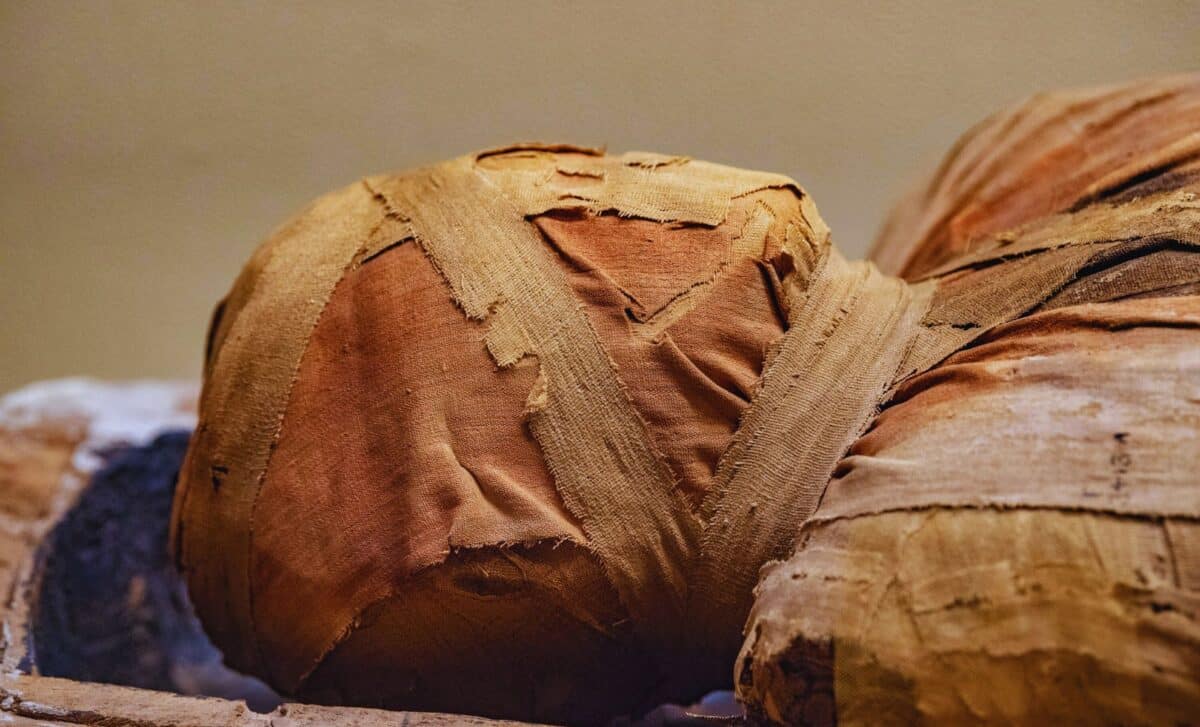
A woman who lived over 2,000 years ago in Siberia is giving us a fascinating look into the past, thanks to tattoos preserved on her mummified body. These intricate designs found on her hands and forearms are some of the most detailed from an ancient culture. The discovery is a breakthrough in understanding how tattoos were applied, revealing that they were part of a rich cultural tradition.
Led by Gino Caspari from the Max Planck Institute of Geoanthropology and the University of Bern, a team of researchers used cutting-edge imaging technology to uncover these tattoos, which had been hidden by the mummification process.
Advanced Technology Reveals Ancient Ink
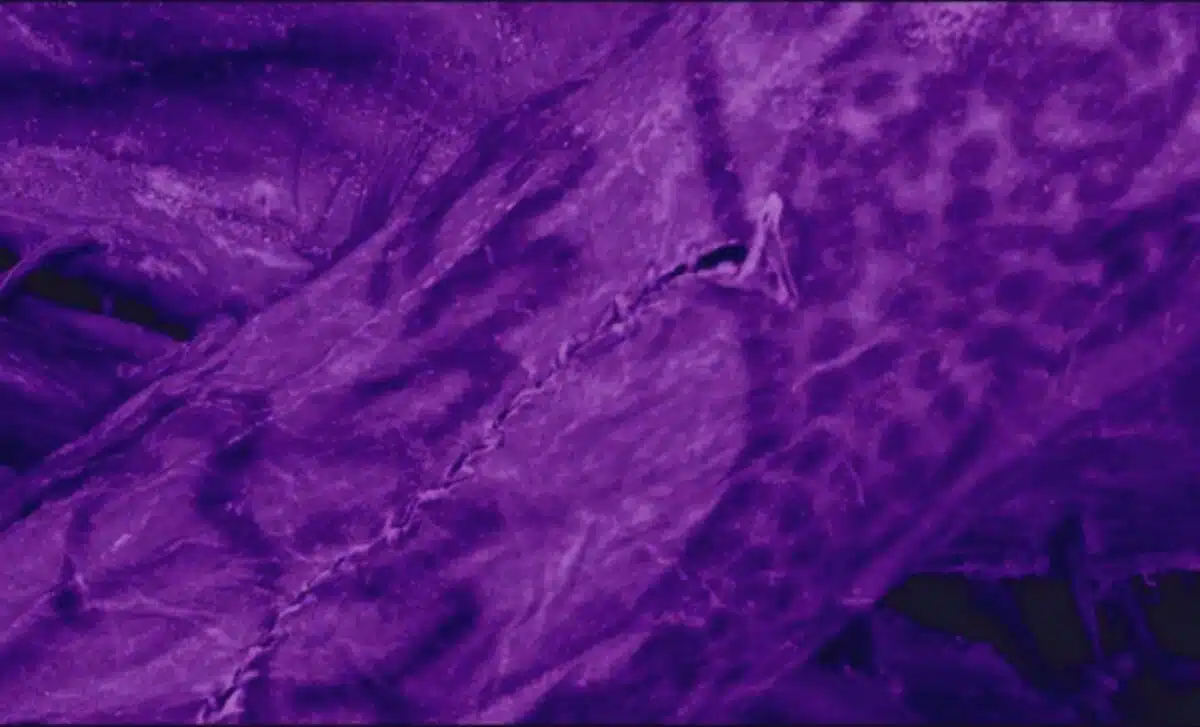
As explaine din a study, published in Antiquity, the tattoos on the Pazyryk woman’s body are remarkably detailed, especially given how old they are. The team used infrared and near-infrared photography to reveal what was hidden beneath the surface.
These imaging techniques allowed them to see the body art that had been darkened and obscured during mummification. What they found was an incredible array of designs, from simple patterns on her hands to complex scenes on her forearms.
On her hands, there are basic motifs like flowers and a bird resembling a rooster, while the forearm tattoos are much more elaborate. One shows a moose-like animal being attacked by a mythical creature, and another features a dramatic battle between antlered animals and tigers.
A Marking with Purpose
For the Pazyryk people, tattoos had meaning. The placement of each body art seems to have been intentional, with no designs overlapping, suggesting that the positioning on the body was part of the cultural significance. According to Gino Caspari, this shows how carefully they were thought out, perhaps as a form of personal expression or social identity.
“The insights really drive home to me the point of how sophisticated these people were,” he said.
Tattooing in Pazyryk culture was deeply ingrained in the community, and these designs may have had a spiritual or social meaning. The way the markings were placed on specific body parts hints at a sophisticated understanding of how they could be used to enhance or represent certain aspects of the person’s identity.
Tattoo Techniques of the Past
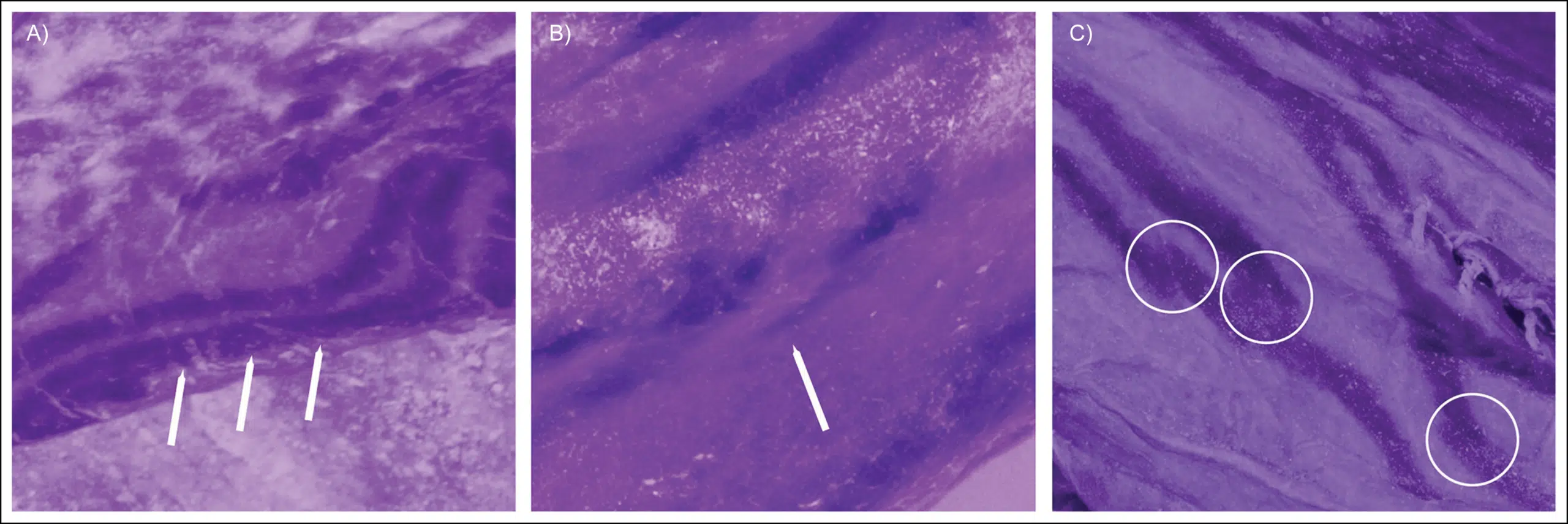
Tattooing in ancient times was no easy task. The team discovered that the tattoos were made using hand-poking methods, where sharp tools or needles were used to puncture the skin. According to tattoo artist Danny Riday, who worked on the study:
“This study provides the first positive evidence that the Pazyryk tattoos were created by hand poking, and establishes the use of multiple tool types.” He added that, “It also reiterates the ability of Pazyryk tattooers, and establishes them as skilled craftspeople comparable to the Iron Age artisans who created Scythian textiles, wood, leather, and metal work.”
These findings show that Pazyryk tattoo artists were incredibly skilled, just like the tattoo artists we know today. The intricate designs suggest that some artists probably got better with time, perfecting their craft through years of practice.
First Appeared on
Source link





Leave feedback about this