

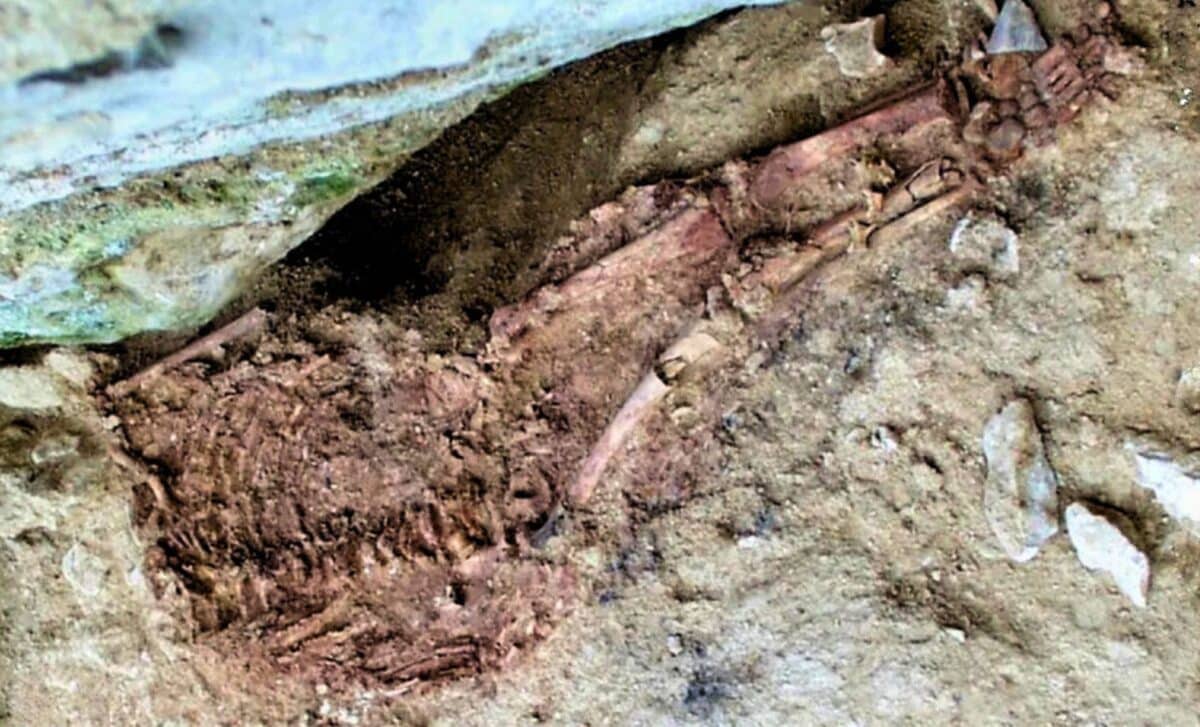
A new radiocarbon reassessment has established that the so-called Lapedo child from central Portugal was buried approximately 28,000 years ago, several millennia after Neanderthals are widely thought to have disappeared from the fossil record. The finding narrows the margin between documented Neanderthal extinction and the persistence of anatomically mixed traits in early modern human populations.
The updated chronology, reported in Science Advances, resolves a long-standing dating uncertainty that has shaped two decades of debate about whether the child represented direct hybridization between Neanderthals and modern humans or a later population carrying inherited traits.
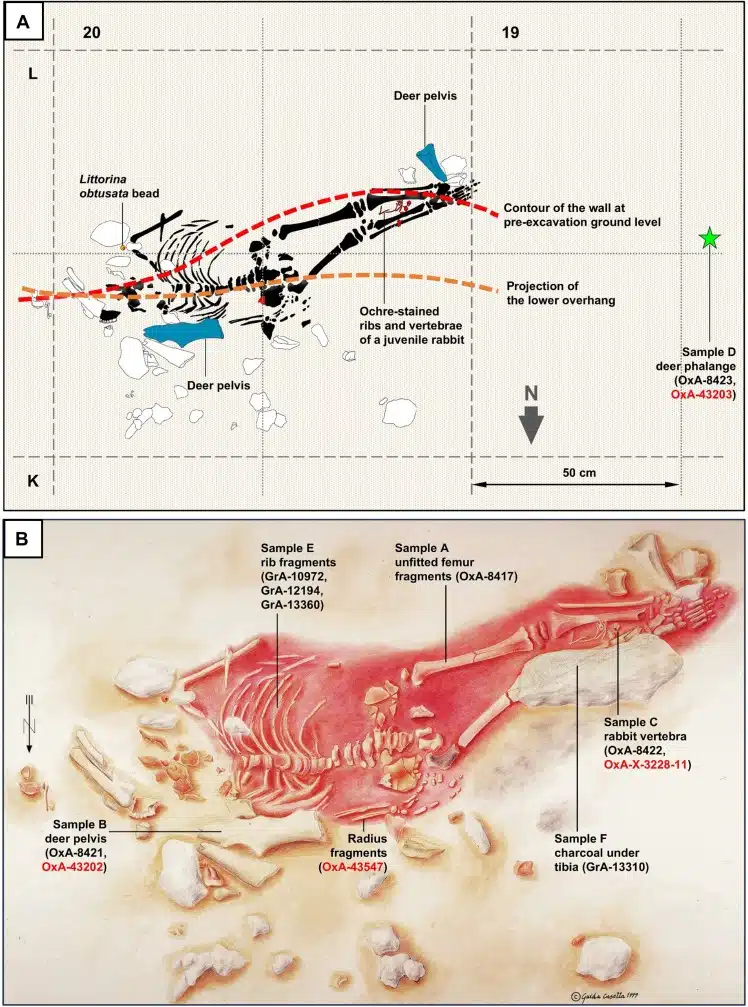
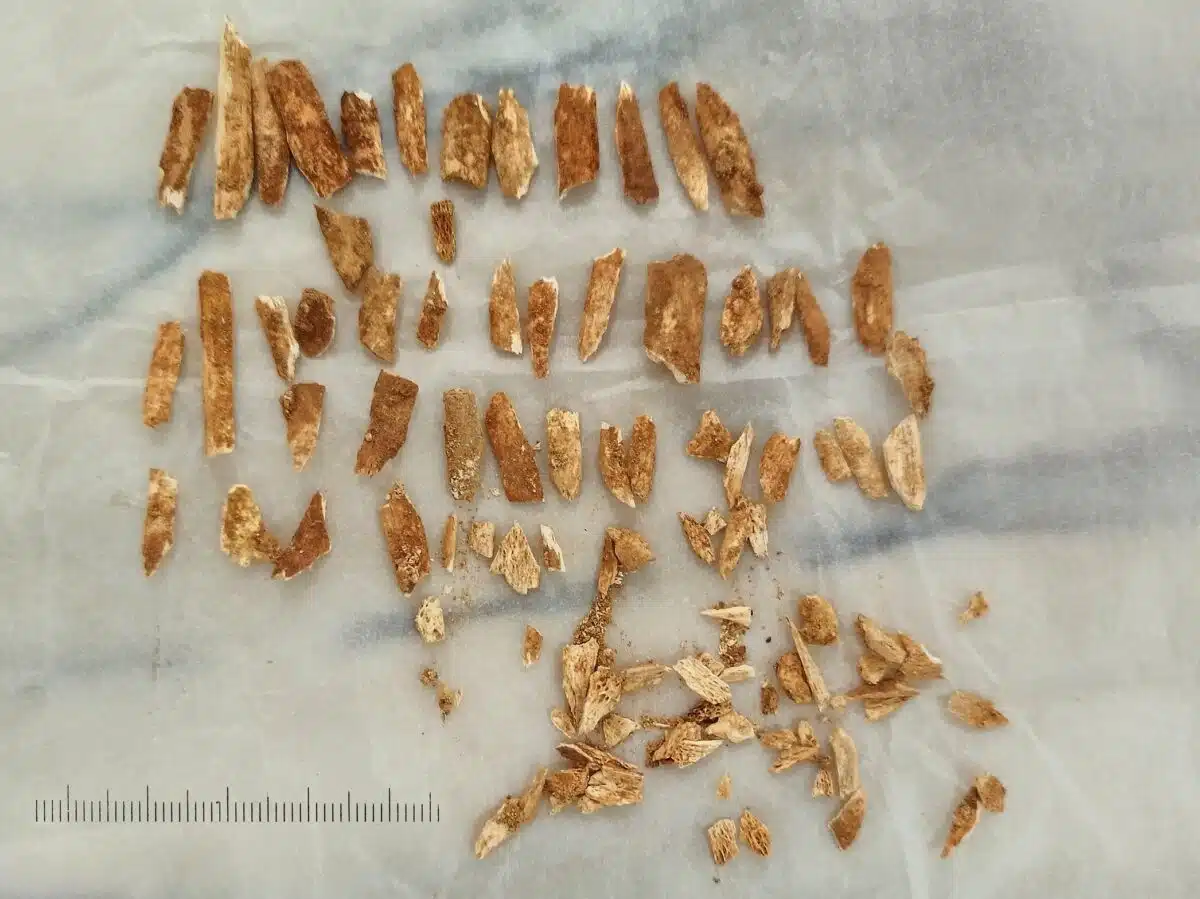
Researchers led by João Zilhão and colleagues applied compound-specific radiocarbon dating to hydroxyproline extracted from the child’s bones. According to the study, this method isolates amino acids specific to bone collagen, reducing contamination that affected earlier attempts to date the remains. The resulting age places the burial at roughly 27,800 to 28,600 calibrated years before present.
That timeframe matters because most European Neanderthal sites cluster earlier. The youngest widely accepted Neanderthal fossils, from sites such as Gorham’s Cave in Gibraltar, date to around 32,000 to 40,000 years ago, though those estimates remain debated. If the Lapedo burial is correctly dated to 28,000 years ago, it postdates those populations by several thousand years.
Confirmed Chronology From Direct Bone Dating
The authors report that previous dates were either indirect, based on associated charcoal, or compromised by contamination. The new work relies on accelerator mass spectrometry applied to purified hydroxyproline.
According to the paper, earlier radiocarbon efforts produced inconsistent results, partly because soil processes in the Lagar Velho rock shelter degraded collagen and introduced exogenous carbon. The new protocol, developed in recent years for poorly preserved Pleistocene remains, aims to isolate endogenous carbon fractions.
The team reports that multiple independent extractions converged on the late Gravettian period of the Upper Paleolithic. That cultural horizon is associated with early modern human groups in Europe, not with Neanderthal lithic traditions.
The burial itself was discovered in 1998 at the Lagar Velho site in Portugal’s Leiria region. The skeleton belonged to a child estimated to have been around four years old at death. It was intentionally interred, covered in red ochre and accompanied by pierced shell ornaments and animal bones.
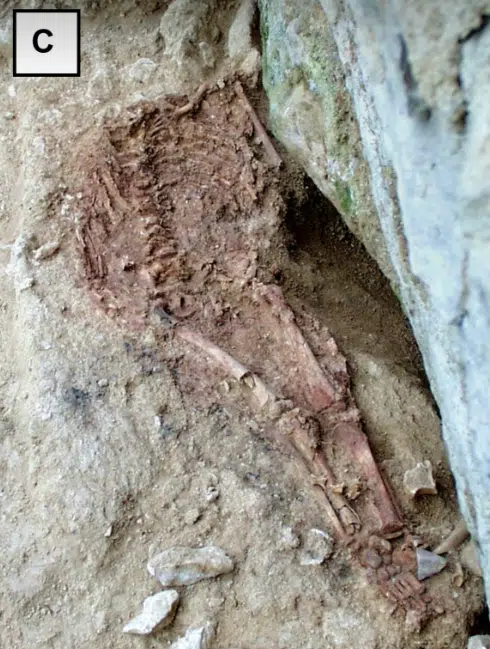
The morphology drew immediate attention. The child exhibited a modern human chin and cranial vault, but also limb proportions and certain dental characteristics described at the time as Neanderthal-like. In a 1999 report in Proceedings of the National Academy of Sciences, the discovery team argued that the skeleton could represent a first-generation hybrid.
Subsequent analyses challenged that interpretation. Some paleoanthropologists suggested the features fell within the range of variation of early modern humans in Europe. Others maintained that the combination of traits was unusual enough to support admixture.
Morphology Versus Genetics
The new date does not resolve that dispute. It does, however, clarify the temporal context in which the debate must be situated.
Genomic research over the past decade has established that non-African modern human populations carry between 1 and 2 percent Neanderthal DNA. That introgression likely occurred between 50,000 and 60,000 years ago, shortly after modern humans dispersed from Africa into Eurasia. By 28,000 years ago, any Neanderthal genetic contribution would have been deeply embedded in modern human populations rather than the result of recent contact.
The authors of the Science Advances paper state that the revised age “eliminates the possibility” that the child reflects late-surviving Neanderthals in Iberia. Instead, if Neanderthal-like traits are present, they would reflect inherited ancestry within modern human groups.
The study does not present ancient DNA from the child. Preservation conditions at the site have not yielded usable genomic material. Without genetic data, interpretations remain morphological.
That limitation is acknowledged in the open-access companion analysis available through the U.S. National Library of Medicine, which reviews methodological challenges in dating and interpreting fragmentary Upper Paleolithic remains. It notes that skeletal traits alone can be difficult to categorize in populations that experienced admixture tens of thousands of years earlier.
Gravettian Burial Context Rules Out Late Neanderthal Survival
The Lagar Velho burial falls within the Gravettian cultural complex, dated broadly between 33,000 and 22,000 years ago in Europe. According to Portuguese archaeological authorities, the site includes lithic tools consistent with that tradition. No Neanderthal-associated Mousterian artifacts were recovered from the burial layer.
The presence of red ochre and personal ornaments indicates symbolic behavior typical of Upper Paleolithic Homo sapiens populations. While Neanderthals are now known to have engaged in symbolic practices, the assemblage at Lagar Velho aligns with contemporaneous modern human sites in western Europe.
The new chronology therefore places the burial firmly within a period when Neanderthals had already vanished from the Iberian Peninsula. The Iberian refugium hypothesis, which once suggested prolonged Neanderthal survival in southern Spain and Portugal, has narrowed under improved dating at sites such as El Sidrón and Gorham’s Cave.
Researchers unaffiliated with the study have noted that the Lapedo child remains an important data point for understanding how Neanderthal ancestry manifested physically in early European modern humans. Without DNA, the skeleton cannot confirm the degree of admixture, but its anatomy continues to inform debates over how visible Neanderthal traits persisted.
The authors conclude that future progress depends on advances in ancient protein and DNA recovery from poorly preserved contexts. Several European laboratories are now applying proteomic techniques to Pleistocene remains previously considered unsuitable for genetic analysis.
First Appeared on
Source link





Leave feedback about this