

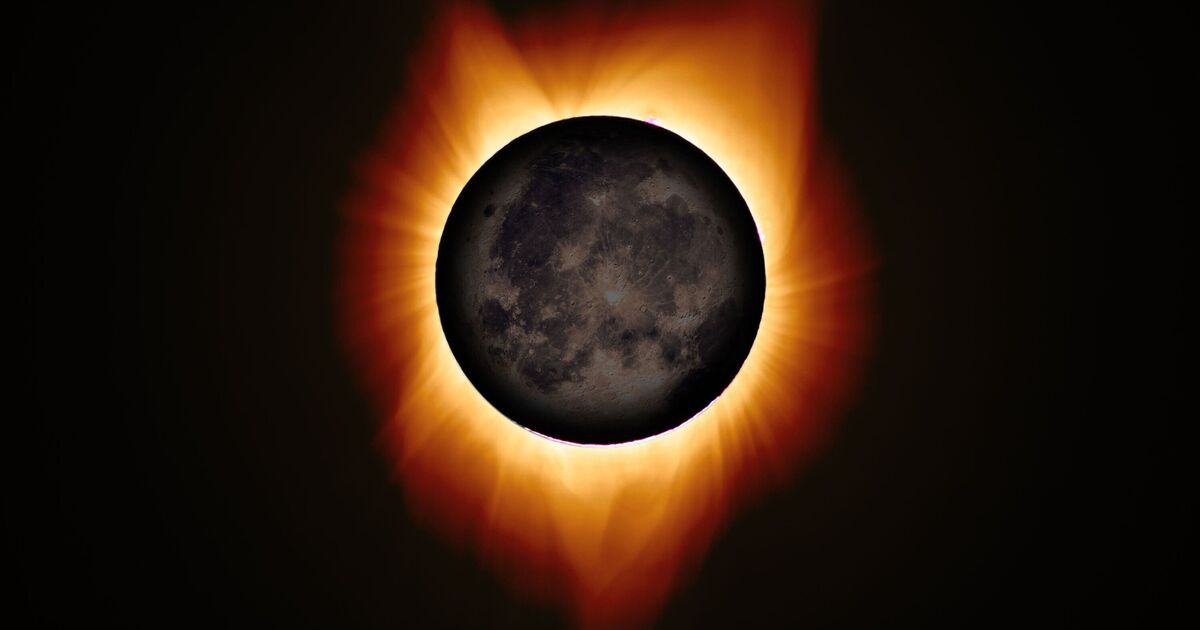
The first solar eclipse of the year is set for 7.10am on Tuesday (Image: Getty)
A spectacular phenomenon is set to place this week and it will only be visible from 13 areas on Earth. The event, most popularly known as “ring of fire”, happens when the earth, moon and sun reach the perfect alignment.
In this alignment, the moon positions itself squarely between Earth and the sun, blocking almost all direct sunlight and leaving only a brilliant ring of the sun’s outer edge glowing around the moon’s silhouette. This striking and relatively uncommon event is scheduled for Tuesday, February 17, and is expected to be one of the standout astronomical moments of the 2026 lunar calendar. Yet despite the excitement, whether people will actually witness it hinges on one crucial factor: clear skies. Visibility conditions will ultimately determine how many observers get to experience the spectacle firsthand.
Read more: February horoscopes as first Mercury retrograde of the year arrives
Read more: Solar eclipse will stun on August 2 BUT you’ll have to wait longer
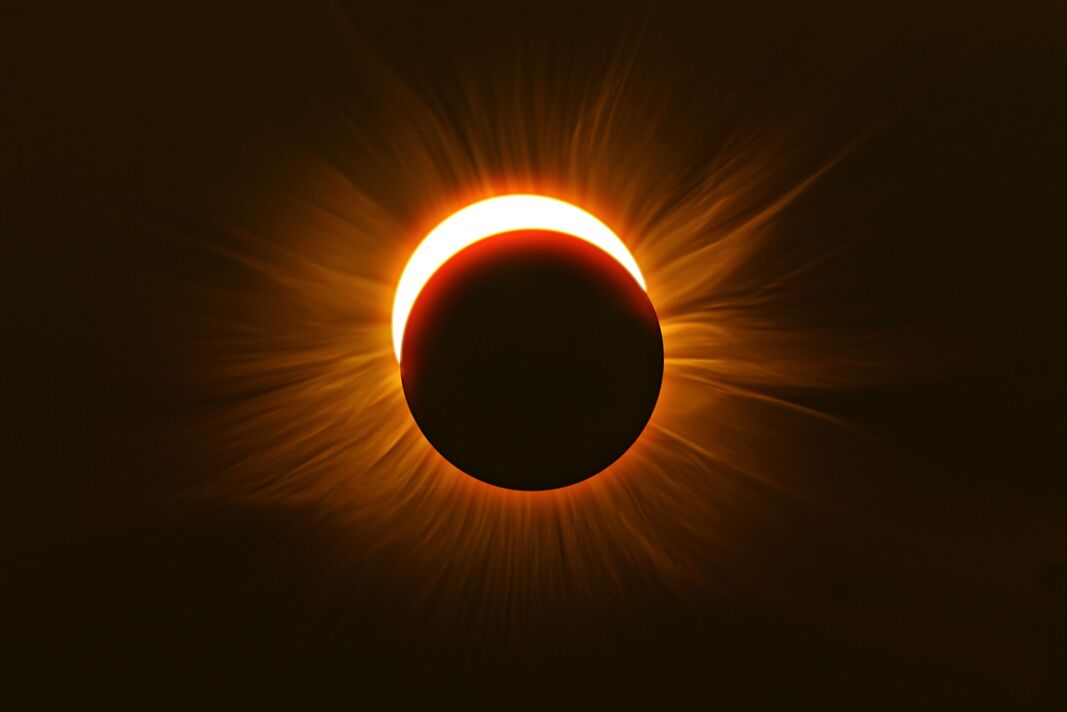
The first solar eclipse of the year is set for 7.10am on Tuesday, February 17 (Image: Getty)
Whether the UK will see the “ring of fire” eclipse depends entirely on the narrow corridor traced by the Moon’s shadow, and astronomers say only people positioned along this precise route will experience the full annular effect.
The first solar eclipse of the year is set for 7.10am on Tuesday, February 17, but National World reports that only a small number of regions fall within the viewing zone. The annular path — the track along which the eclipse will be visible — begins over western Antarctica before sweeping across the Davis Sea coastline and continuing over the Southern Ocean.
Because this route never passes over the UK, the eclipse will not be visible from Britain.
On the other hand, scientists based in Antarctica will be the only ones around the world perfectly located to enjoy the full eclipse.
A number of other locations will witness instead a partial solar eclipse.
Once Tuesday’s solar event has passed, sky‑watchers can look ahead to a lunar eclipse on the night of March 3–4. In this case, Earth will slip between the Sun and the Moon, casting a shadow that gives the Moon a deep, coppery glow. This striking colour is the reason lunar eclipses are often nicknamed “Blood Moons.”
*** Ensure our latest news headlines always appear at the top of your Google Search by making us a Preferred Source. Click here to activate or add us as Preferred Source in your Google search settings. ***
Full list of areas with the percentage of the sun’s disk obscured in each location:
Heard and McDonald Islands, Australia – 88%
French Southern and Antarctic Lands, France – 88%
Mascarene Islands, Mauritius/France – 35%
Port Louis, Mauritius – 32%
Saint-Denis, Reunion, France – 31%
Antananarivo, Madagascar – 20%
Durban, South Africa – 16%
First Appeared on
Source link





Leave feedback about this