

Consumer prices broadly remained unchanged in February, holding steady just before war with Iran rattled markets and threatened to wear a hole in Americans’ pocketbooks, government data shows.
The Consumer Price Index increased 0.3% in February on a monthly basis and 2.4% over last year, matching economists’ expectations while showing little change from January’s cooler-than-expected print, according to the Bureau of Labor Statistics’ inflation report released Wednesday.
On a “core” basis, excluding volatile energy and food categories, consumer prices rose 0.2% from a month earlier and 2.5% from a year ago, also matching economists’ predictions.
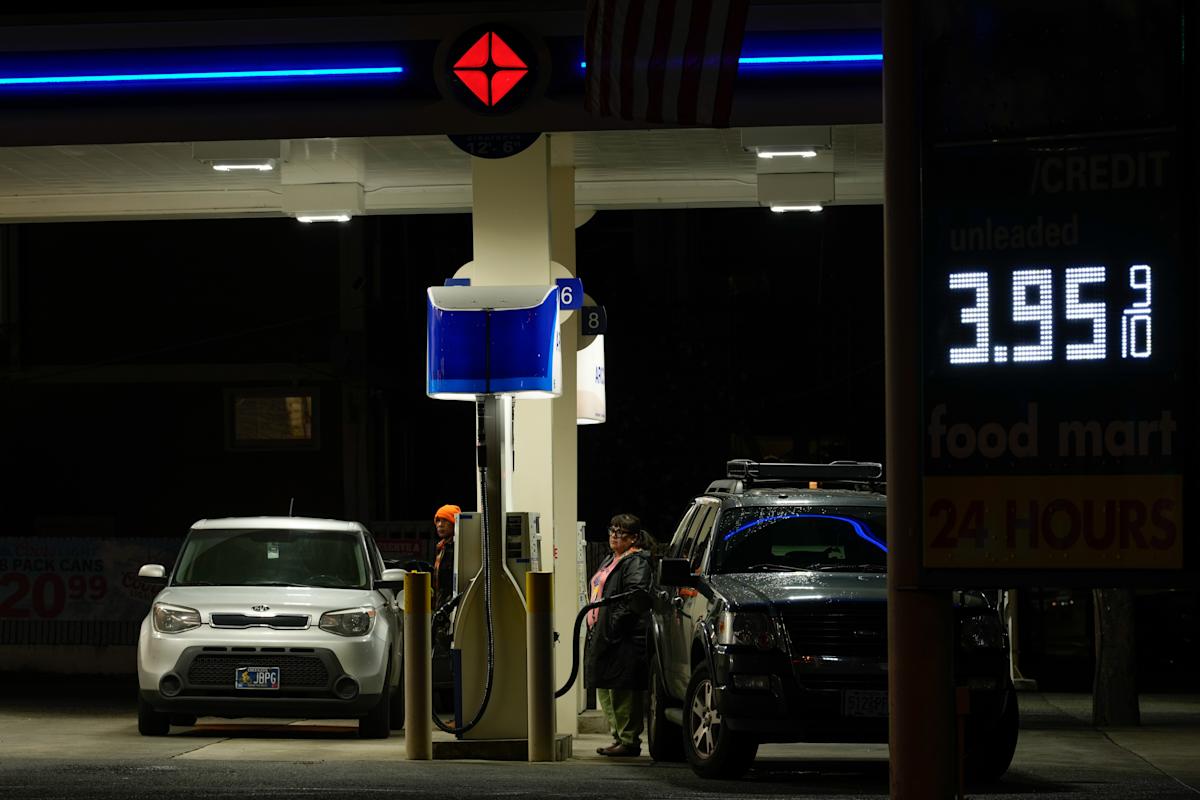
But Wednesday’s report comes with a big caveat: The data covers the period before the war with Iran broke out, which is raising gas prices and fueling concerns about higher utility bills.
“Today’s CPI report is already something of a historical artefact,” Seema Shah, chief global strategist at Principal Asset Management, said in a statement. “With oil prices up roughly $30 in recent weeks — and potentially heading toward triple digits — investors are far more focused on how the conflict feeds into inflation over the months ahead.”
As of February, electricity prices had already increased 4.8% from last year, government data shows, while natural gas prices had increased 10.9% over the same period. Gasoline prices fell 5.6% on an annual basis in February — but have jumped 60 cents a gallon on average since this time last month.
Read more: How oil price shocks ripple through your wallet, from gas to groceries
The data “offers some reassurance that underlying inflation pressures were not moving in the wrong direction before the latest energy shock,” Shah said.
Other concerns about the pace of price increases remain, however.
The Federal Reserve’s preferred gauge of inflation — the Personal Consumption Expenditures index, which includes spending on behalf of consumers for things like employer-based health insurance — ran a bit hotter than expected in December, posting a 2.9% annual increase. That’s well above the Federal Reserve’s target of 2%, and economists see that pace holding in January’s data, set for release Friday.
Meanwhile, the labor market also appears to be on shaky ground after unexpectedly losing 92,000 positions last month, pushing the unemployment rate up to 4.4%. That’s further complicating the Federal Reserve’s rate deliberations as policymakers weigh higher oil prices and inflation amid conflict with Iran, coupled with a soft job market.
First Appeared on
Source link






Leave feedback about this