

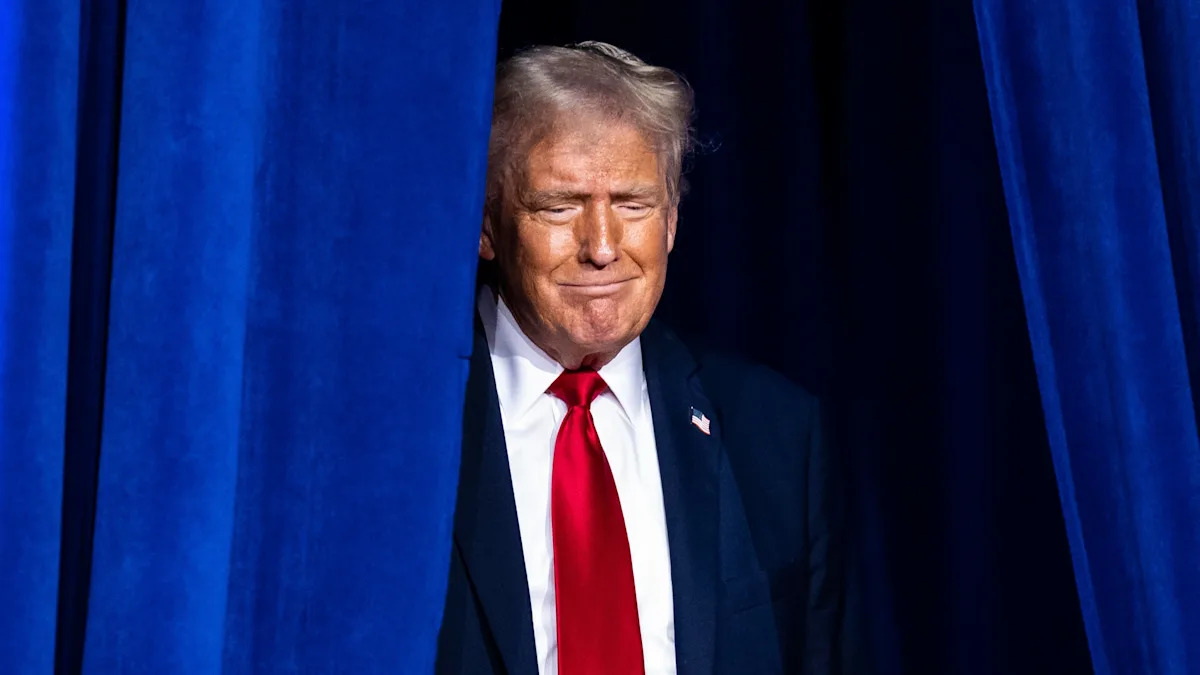
President Donald Trump’s claims that he had no prior knowledge of Israeli strikes on Iranian energy infrastructure have been contradicted by sources inside both the U.S. and Israeli governments.
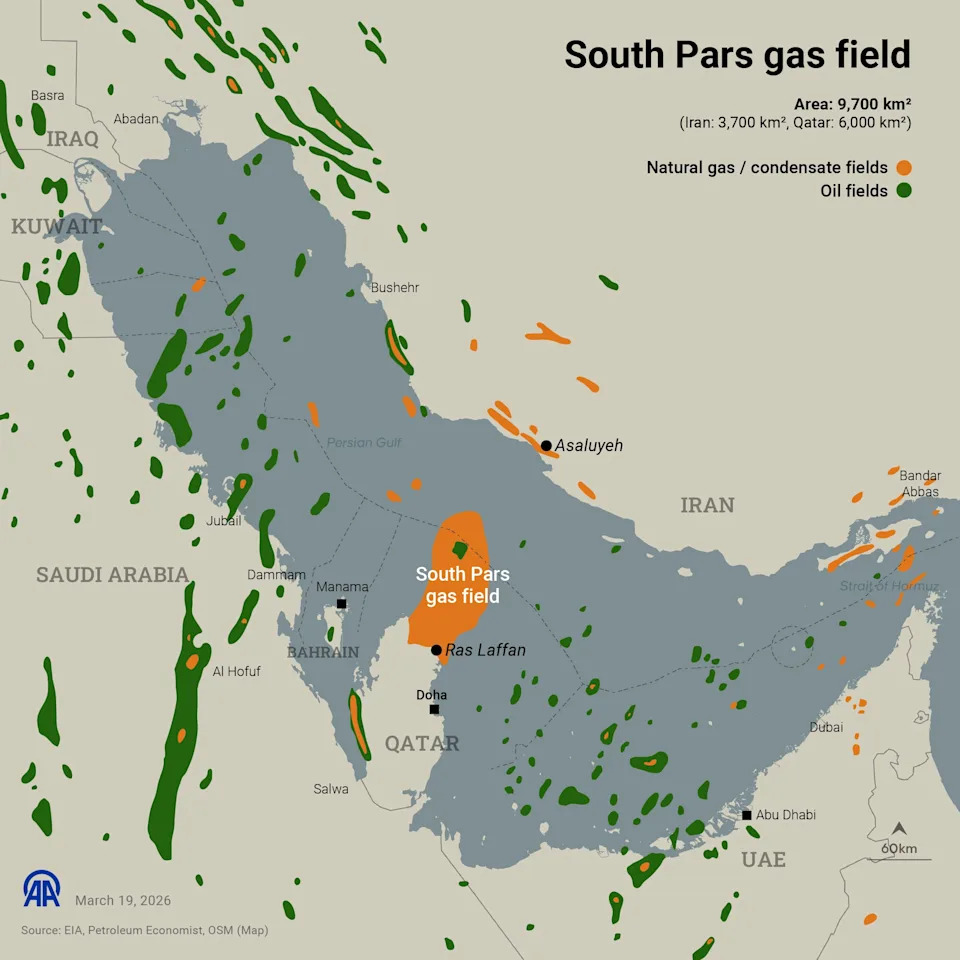
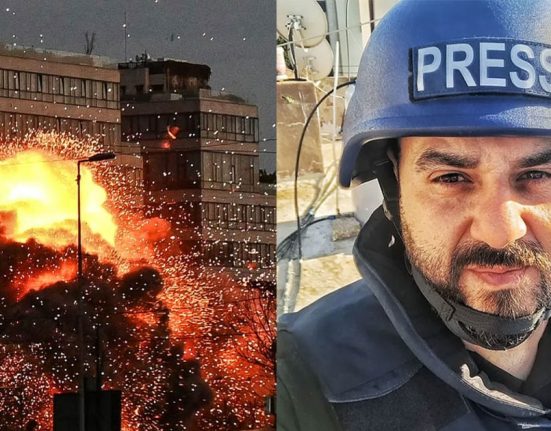
On Wednesday, Israel inflicted “extensive damage” on the South Pars gas site—part of the world’s largest natural gas field, located in the Persian Gulf and the Iranian regime’s primary source of income. Iranian President Masoud Pezeshkian responded with a warning of “consequences beyond control, the scope of which would engulf the entire world.”
The Israelis struck the South Pars gas field, a key part of Iran’s energy infrastructure. / Reuters Photographer / Reuters
Tehran then struck Qatar’s Ras Laffan industrial zone—hit twice—a Persian Gulf facility responsible for a significant share of global liquefied natural gas and gas-to-liquid production. Iran also launched missiles toward Saudi Arabia, which were reportedly intercepted, with shrapnel landing near an oil refinery. Brent crude, the international benchmark, surged more than 7 percent to $111.23 a barrel.
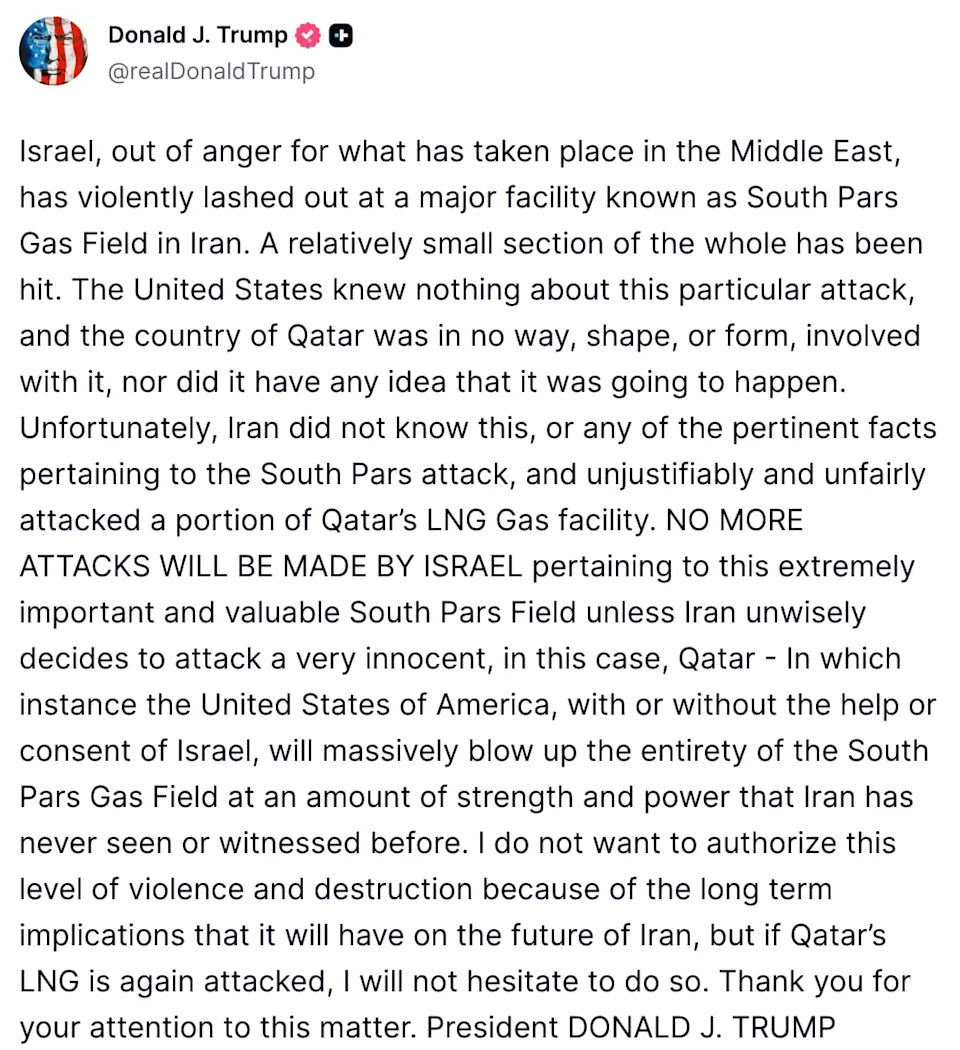
Trump quickly blamed Israel, before he was busted. / Donald Trump/Truth Social
That evening, Trump, 79, posted on Truth Social claiming he had been blindsided. “The United States knew nothing about this particular attack,” he wrote.
The Wall Street Journal and Axios both reported otherwise. Multiple sources from the upper reaches of the U.S. and Israeli governments told the Journal that Trump personally approved the strike before deciding to deny any knowledge of it. According to those sources, the attack was designed to pressure Iran into reopening the Strait of Hormuz—the narrow shipping lane connecting Gulf fuel to global markets, which has been effectively closed by Iranian strikes since Trump launched Operation Epic Fury on Feb. 28.
The Qatar angle made the contradiction harder to contain. After Ras Laffan was hit, Qatari officials angrily demanded answers from Washington about what prior knowledge the U.S. had. White House envoy Steve Witkoff, Trump’s Middle East point man, scrambled to arrange a call between the president and the Qatari emir.
An hour after the second strike, Trump’s Truth Social post went up. U.S. and Israeli officials told Axios it was inaccurate—Qatar had been blindsided, they said, but Trump had coordinated the attack directly with Israeli Prime Minister Benjamin Netanyahu.
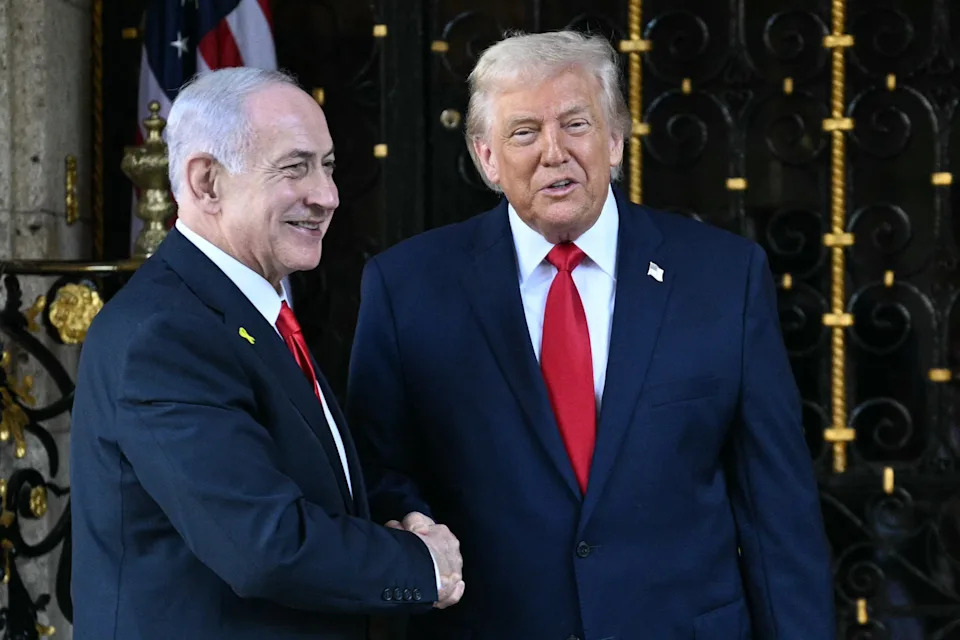
Trump blamed regional partner Benjamin Netanyahu. / Jim Watson/AFP via Getty Images
Anadolu / Anadolu via Getty Images
Officials told Axios that Trump now believes Tehran has gotten the message. He doubled down on this message in his Truth Social post, warning Iran that if it retaliated again, the U.S. would wipe out the entire South Pars operation.
“I do not want to authorize this level of violence and destruction because of the long term implications that it will have on the future of Iran,” Trump said, “but if Qatar’s LNG [liquified natural gas] is again attacked, I will not hesitate to do so.”
Markets were less sanguine. “This latest escalation feels like a turning point for markets, because the conflict is no longer just about military headlines or Strait of Hormuz closure,” said Charu Chanana, chief investment strategist at Saxo in Singapore. “It is now hitting the plumbing of the global energy system.”
The White House referred the Beast to Trump’s Truth Social post when approached for comment. The Department of Defense and the Israeli government have also been contacted for comment.
First Appeared on
Source link

Leave feedback about this