


There’s been a lot of heat surrounding Marathon in the lead-up to its launch. Some say it’s not what they want from Bungie, others say it’s a far cry from the glory days of Halo. But cutting through all of the noise, we think Marathon is actually a bold new adventure from Bungie.
It may take you a little bit to realise that, though, and that’s really been the throughline of our time with the game so far. It’s good to start, great even, but it only gets better the deeper you go.
Today, we’re breaking down our review in progress, as we’re waiting for the end-game Cryo Archive map to drop before giving it a full scored review. However, after around 15 hours with the Server Slam and another 20 hours with the full release, we’ve got a pretty good grasp on the game.
It’s been one hundred years since anyone has heard from the UESC Marathon, a colony ship headed for Tau Ceti IV. That is, until a mysterious distress signal is received, beckoning the mega-corporations that backed the expedition to scramble to this star system to recoup their losses.
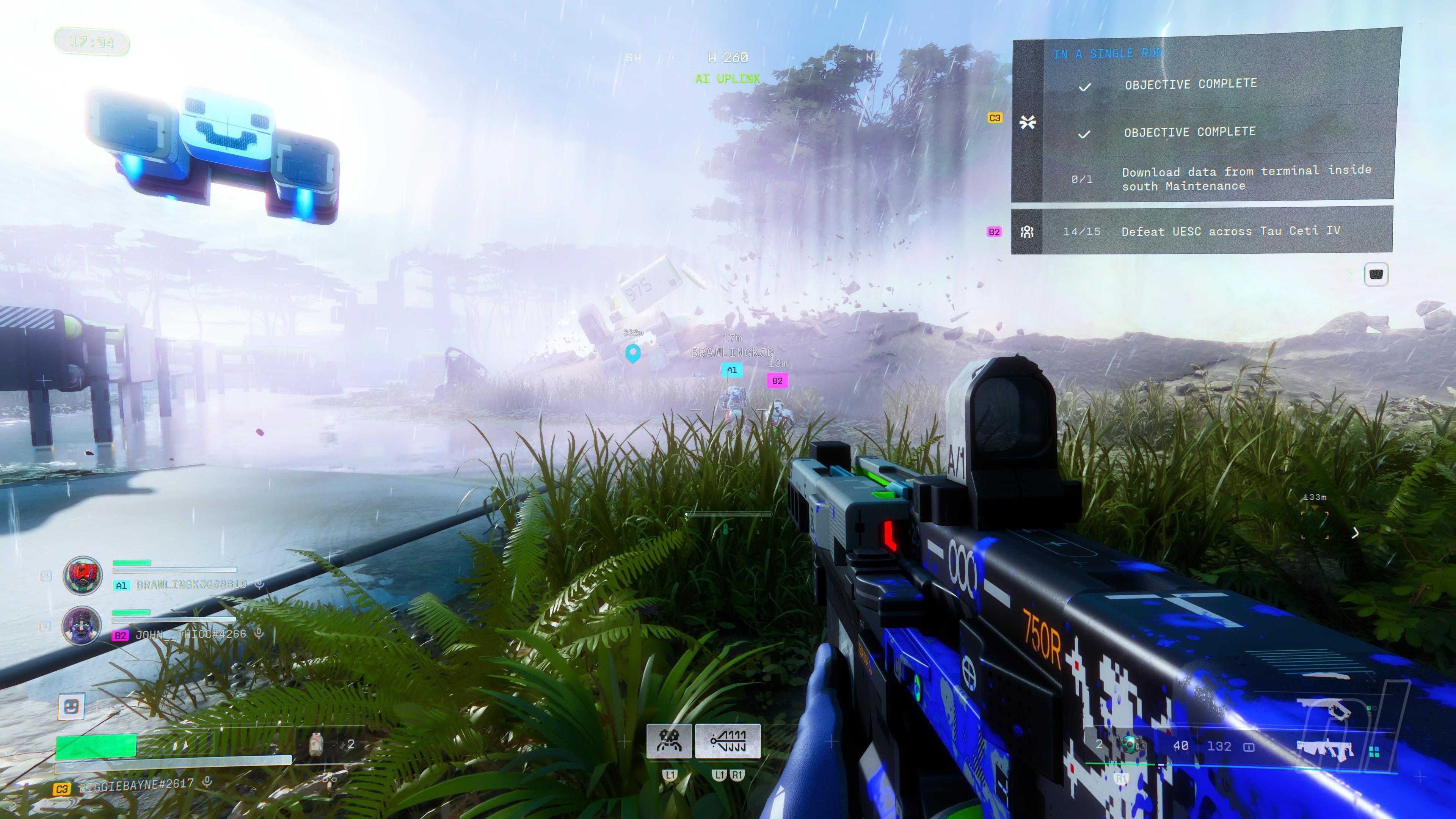
Runners, consciousnesses uploaded to synthetic shells, are then hired by the mega-corporations to salvage what they can and try to figure out what the hell happened to the lost colony.
It’s a fantastic premise, and if you’re anything like us, you’ll be dying to scoop up every piece of lore as you explore its maps, comb through its codex entries, and take in every piece of dialogue from its Faction AIs. Any Destiny heads out there will know how deep a lore Bungie can cook up, and that affinity for expansive and intriguing sci-fi worlds is certainly here in Marathon.
We get the woes of a lack of a single player campaign, but we can’t really complain too much. Most other multiplayer games barely even bother to establish lore or narrative, so the fact that we’d like to see more of this world in a single player capacity is a testament to what Bungie is doing with its narrative here.
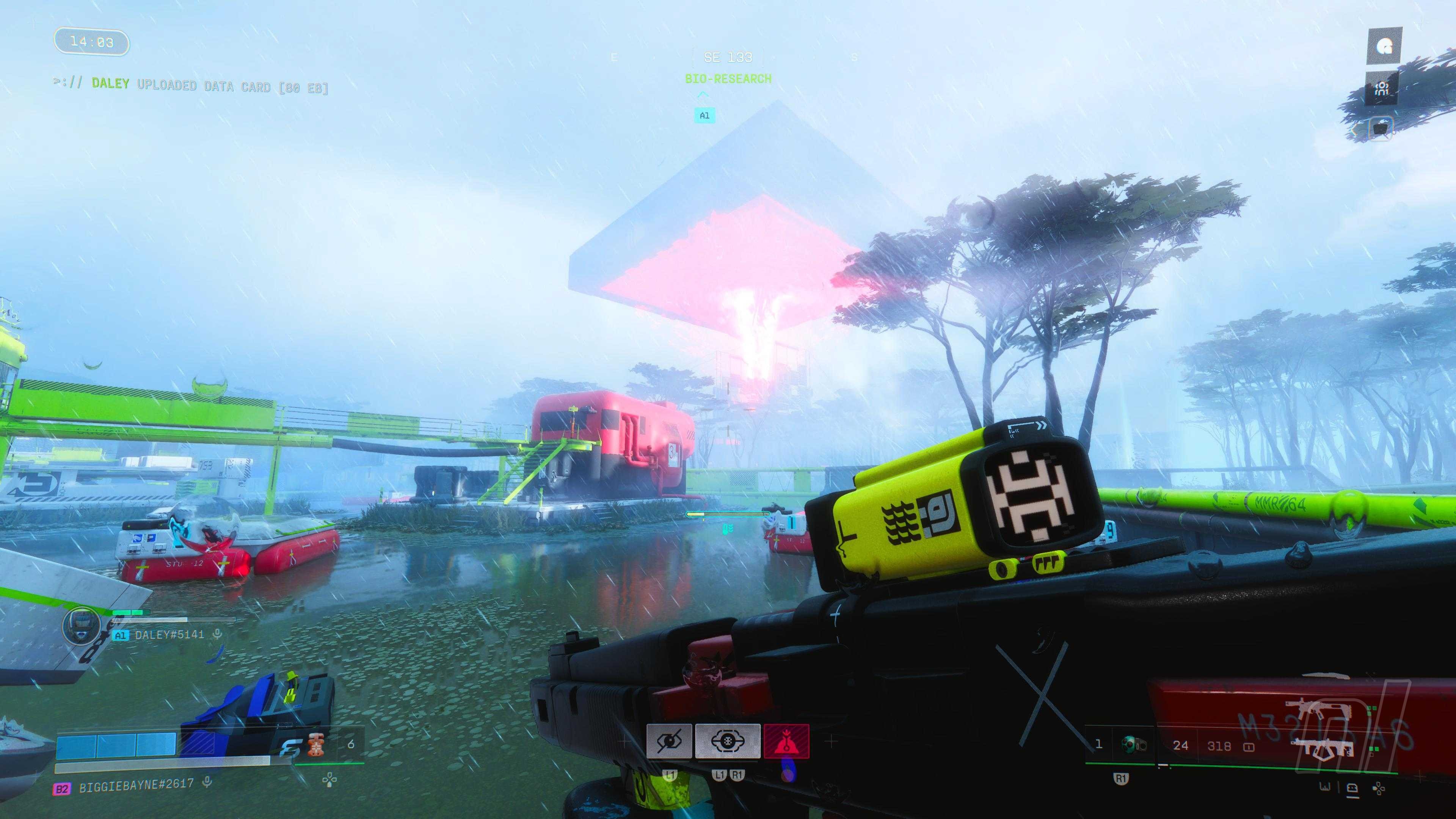
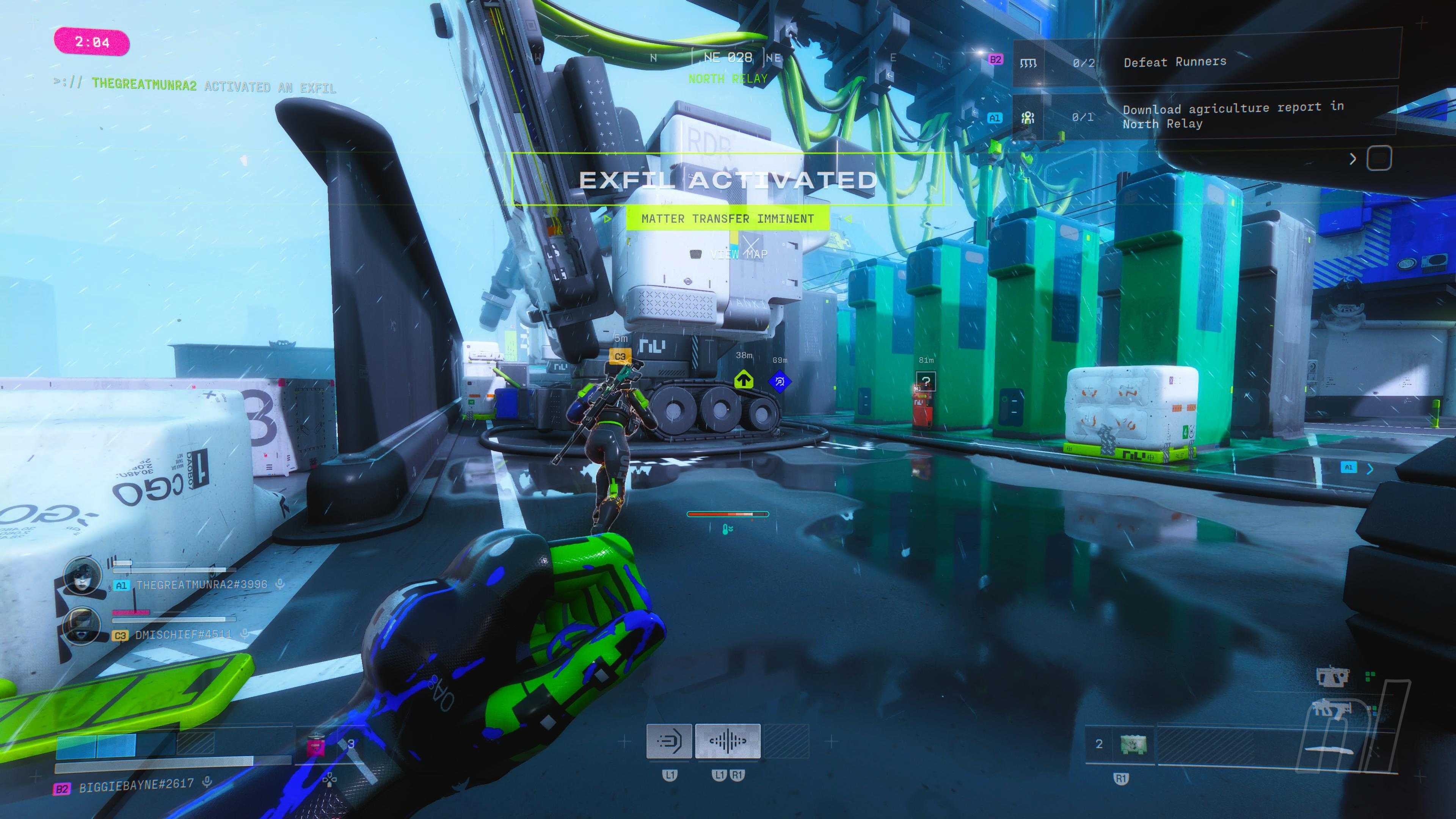
But let’s step out onto Tau Ceti IV. Launching with three maps, with a fourth dropping shortly after launch, Marathon tasks you with gathering supplies, completing faction contracts, and trying to exfil, all while surviving AI and real players.
Anyone who’s played an extraction shooter before will know the loop: drop in, loot up, try to make it home, and do it all again. If you die, you lose your loot. If you make it back, you can maybe go out again with slightly better loot.
Exploring its maps is fantastic fun, each of which is stuffed with secret vents, underground tunnels, and passageways. Even dozens of hours in, we’re finding new areas, and locked rooms we’re desperate to find the keys to. They are quite tight-knit, too, so you don’t need to spend half your match simply getting to where you need to go.
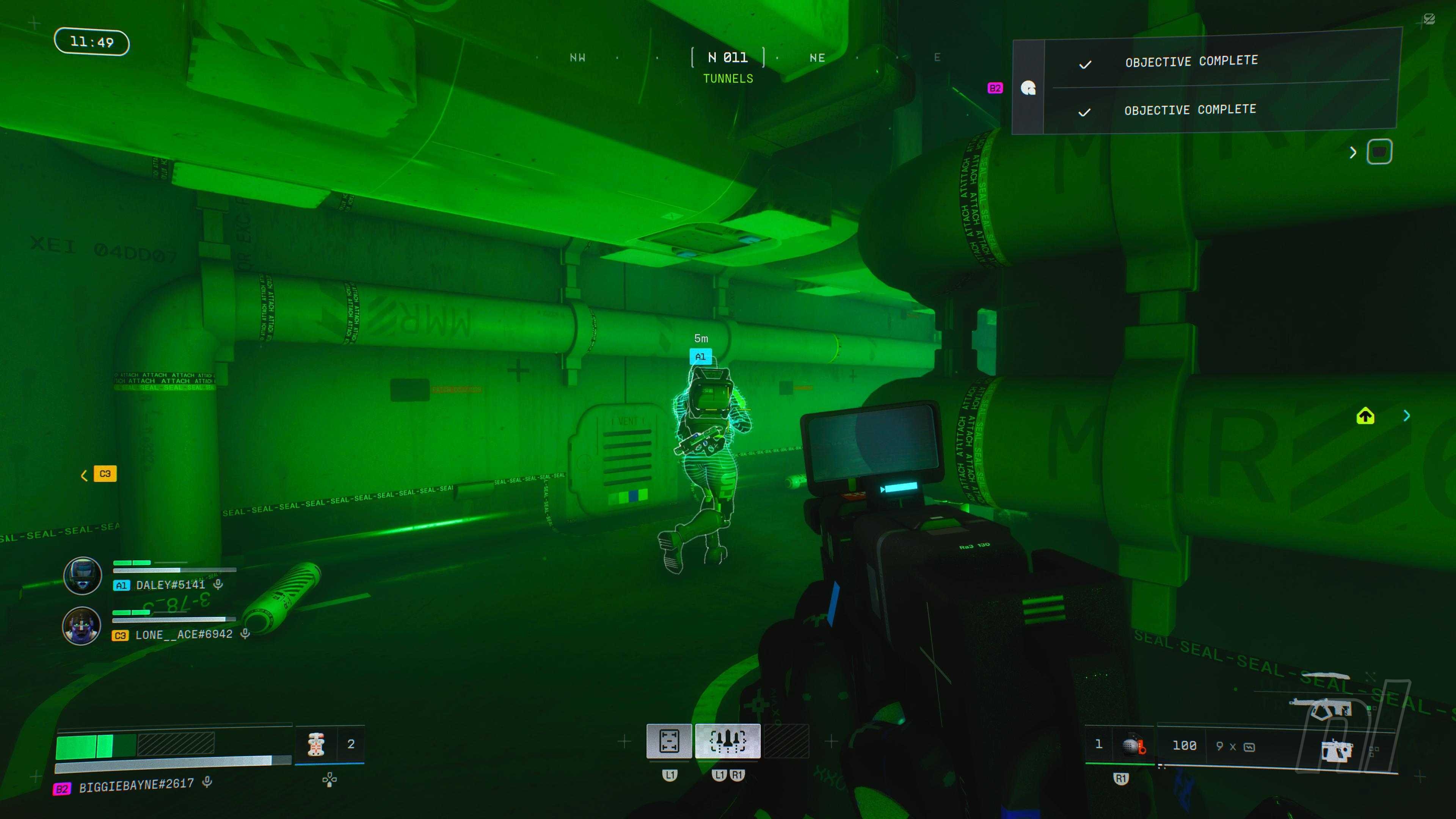
What will surprise many is how tough the game is. Time to kill is very short, meaning it’s easy for other players to get the drop on you. You need to keep your head on a swivel, and the lack of PvP interactions that we were concerned with during the Server Slam has been all but eradicated with the full launch.
Enemy AI also hits like a truck, so you actually have to be tactical and smart as you navigate its world. We’d go as far as saying that fighting AI is on the same level as playing through the Destiny 2 DLC campaigns on Legendary difficulty.
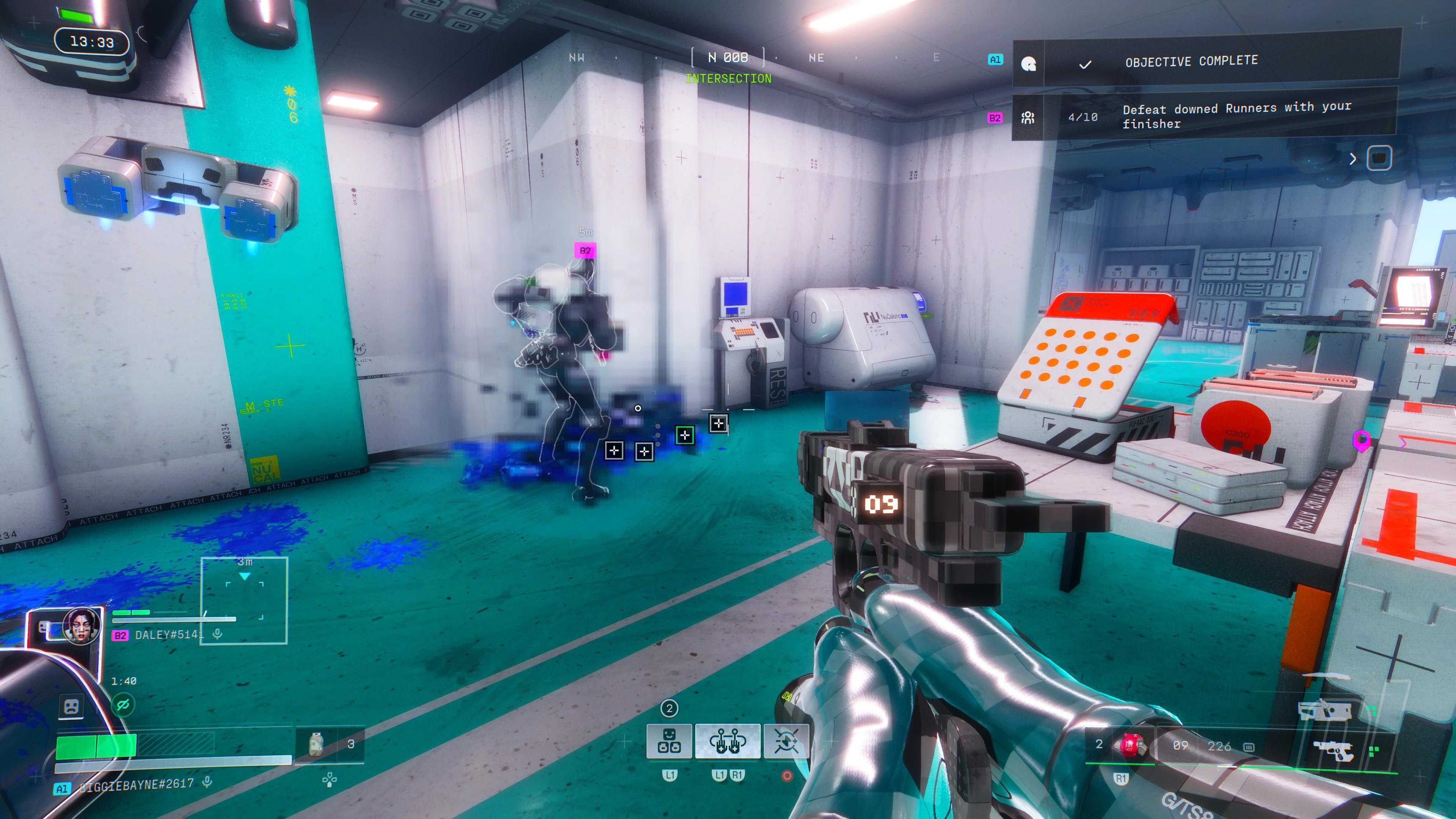
Thankfully, moving around and actually shooting said enemies is a delight. Bungie’s pedigree for first-person shooters is very much alive and kicking here, delivering some of the finest first-person gunplay currently available on PS5. Across shotguns, battle rifles, SMGs and more, weapons all have their unique feel, bolstered all the more by stellar DualSense haptics.
With genuinely smart and proactive AI, alongside real players lurking around, gunfights have a brilliant tension to them, and every time bullets start flying, it’s never some brain-dead shoot-out you can half pay attention to. It’s weighty, tactile, and incredibly satisfying. Even the little skull hit marker upon killing an enemy adds an extra sprinkle of satisfaction to combat.
While we really enjoyed this more grounded and hardcore approach to combat, Destiny players are probably wondering where the power fantasy element of it all comes in. Truth be told, you’ll never quite feel like the god-slaying Guardians of Bungie’s past two games, instead feeling like someone who’s constantly going up against the odds.
But as you sink a little deeper into the game, that’s where things get really interesting. For starters, you have your Runner Shells, which are sort of like hero characters, each with their own passive, tactical, and ultimate abilities.
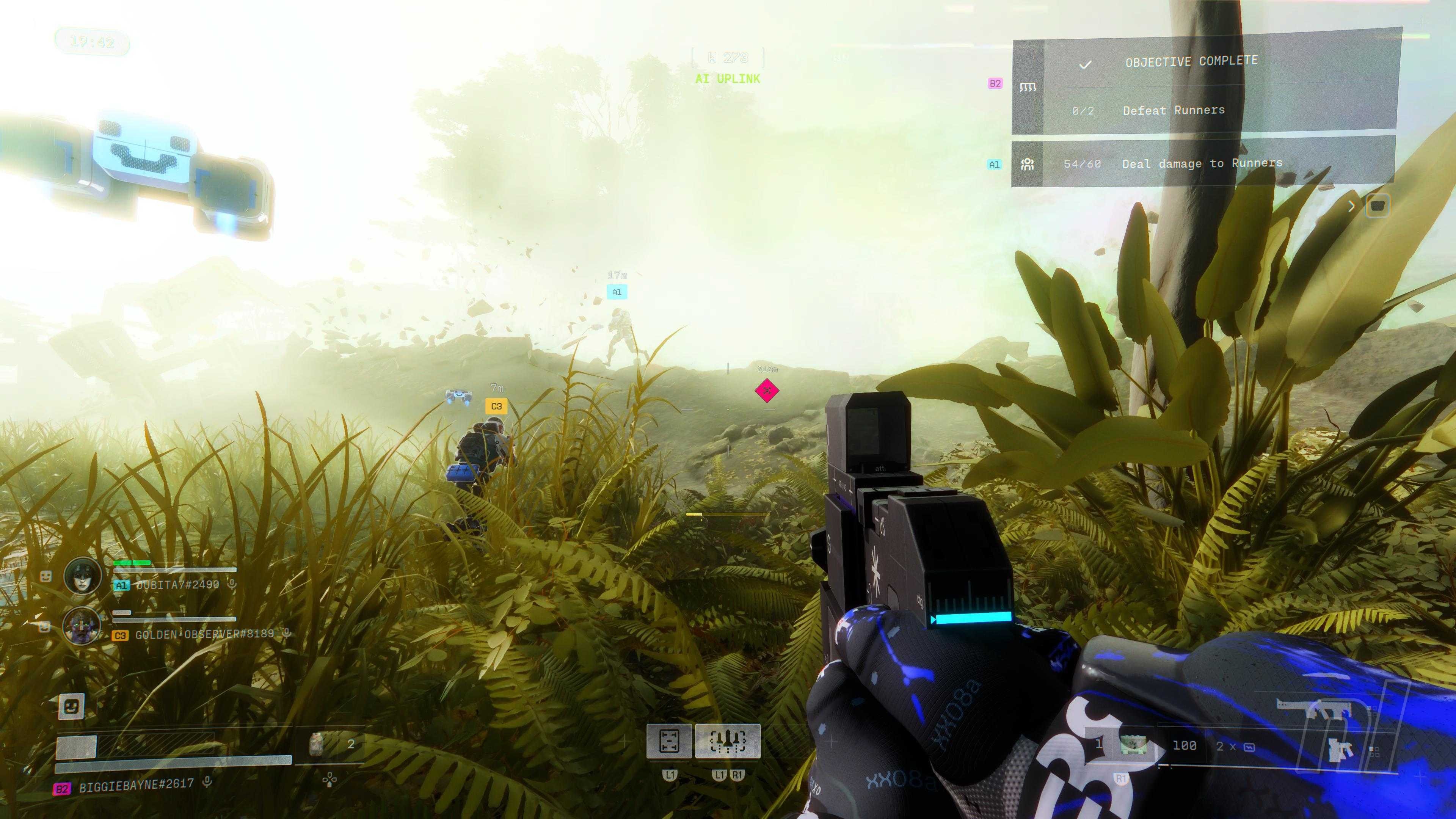
We loved sneaking around as the Assassin, turning invisible to get the drop on enemies or avoid combat entirely. Then, grappling to a new position as the Thief for the strategic high-ground. However, while these are nice starting points, we’ve seen these kinds of features in other shooters before, like Apex Legends.
It’s the build-crafting that really elevates Marathon. Cores can amplify specific Runner Shells, like extending the Assassin’s invisibility windows, or increasing stamina for faster runners like Vandal. Then implants add perks like buffs that increase shield regeneration or reduce damage from AI enemies.
Weapon modifications can increase range, magazine size, stability and more, meaning you can take a grey-tier weapon and upgrade it to a green, blue, or even higher.
There is a fairly steep learning curve with all of this, but for us, that is part of the charm. Learning which modification does what, and how it impacts your build, not only creates a more invested gameplay loop, but it also creates an attachment to your loot in a way that others in the genre never quite do.
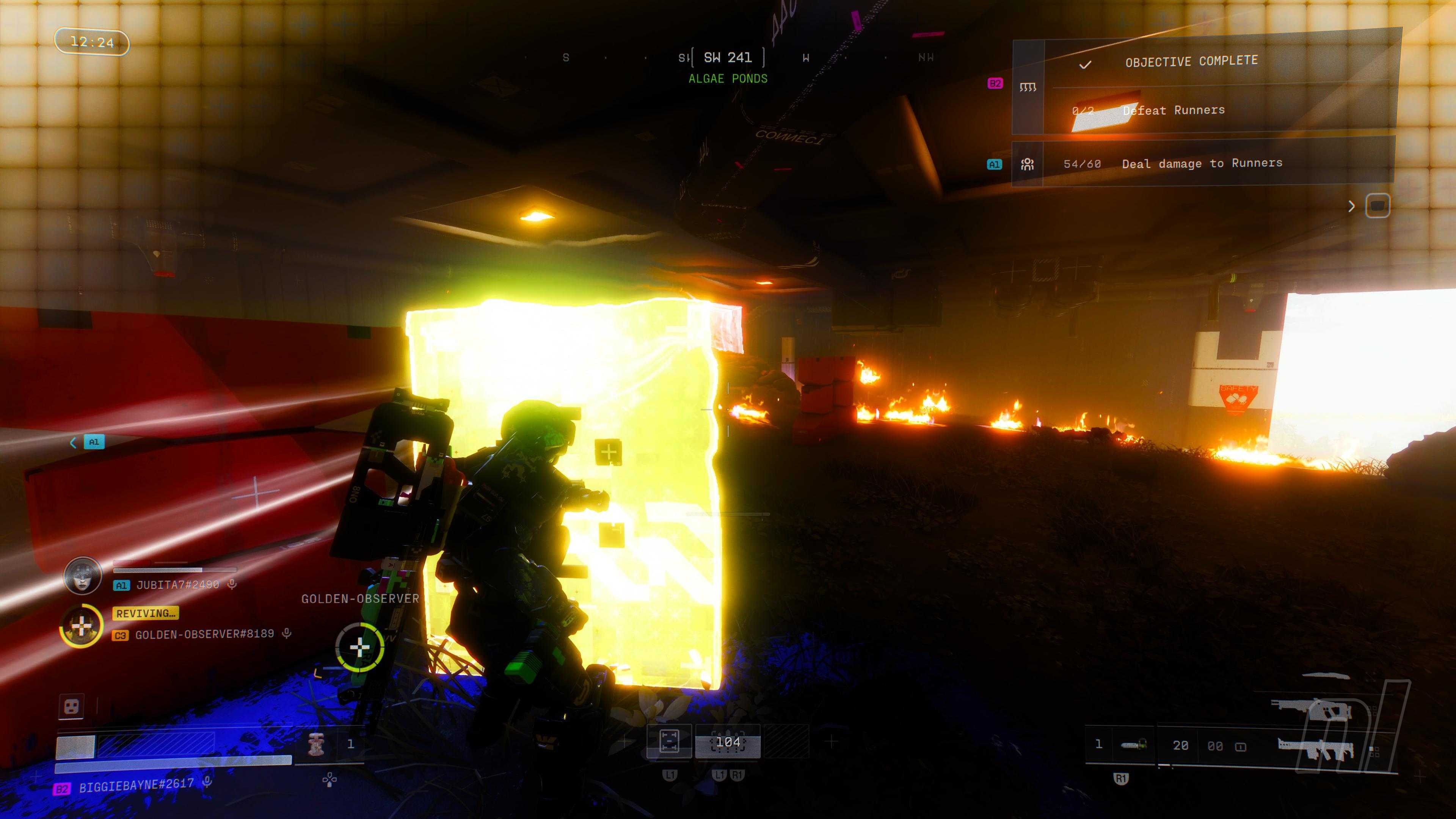
It’s not just a high-tier weapon or a decent backpack; they are items that you have accumulated and moulded through your runs. And with the countless perks Bungie has baked into these, they aren’t just better versions of the gear you had before — they can completely change the game. If we ever lost decent gear, we were utterly heartbroken, but knowing that loss also made every fight a real high-adrenaline moment.
Gunfights with your squad always feel like a high-octane affair, and as alluded to with the game’s difficulty, it means that team coordination is a must. With that, we’ve had plenty of runs ruined by teammates who aren’t quite working as a team. However, playing with friends is a lot of fun if your squad is into the sweatier experience.
On the other side of things, solo runs are surprisingly fantastic. You can jump into solo lobbies with any of the six launch Runners, but there is also a Rook class, which grants you temporary invisibility to the UESC robots.
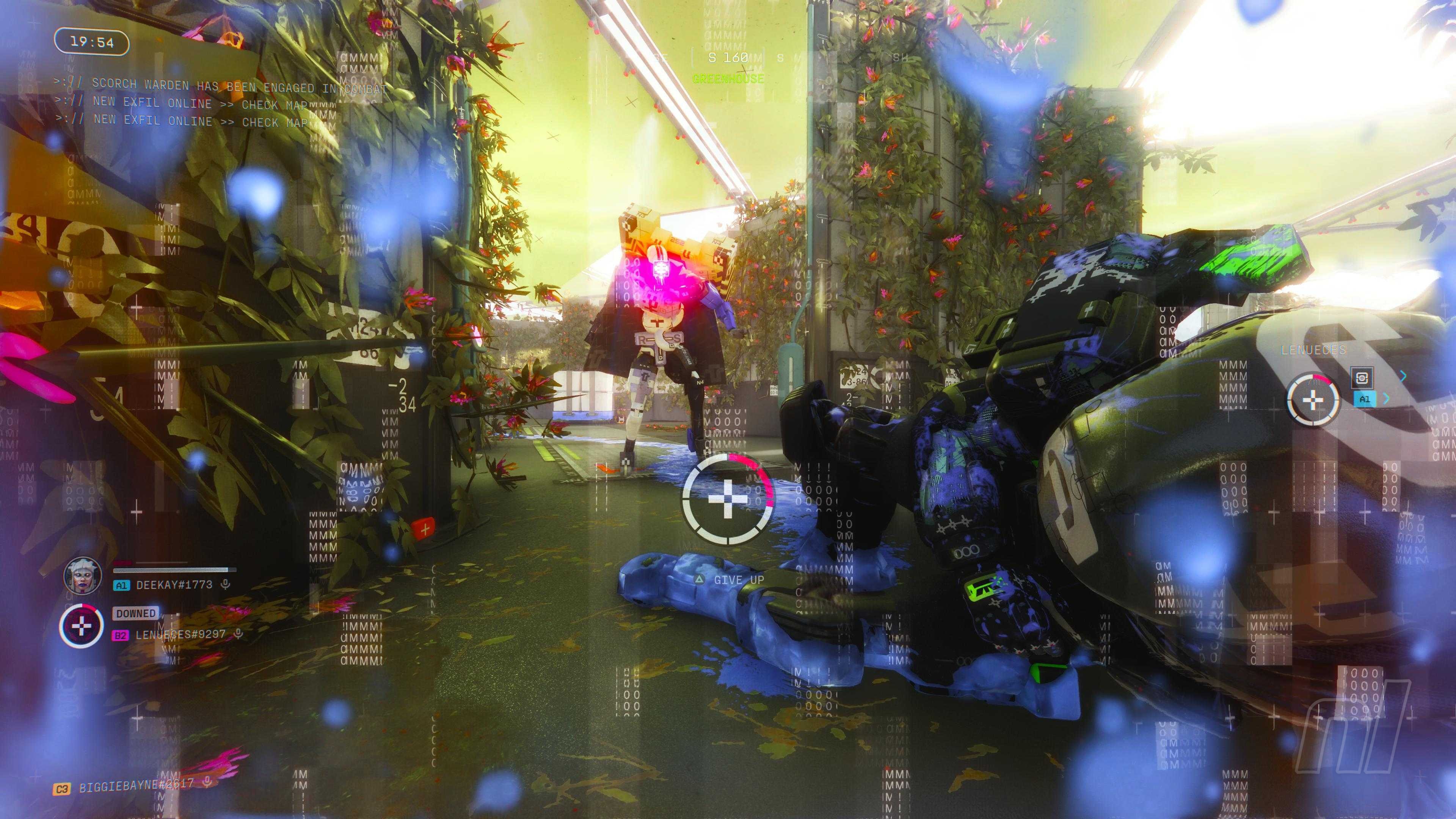
Solo runs really let the horror side of Marathon shine, as you stealth your way around patrols and listen out for other solo players. A lot of multiplayer games like this can feel solely made for teamplay, which can be a problem, as not everyone has a squad. But some of the best fun we’ve had with the game has surprisingly been on solo runs.
The big distinction with Marathon, for us, is that it is much more of a grind, which is a good or bad thing depending on who you ask.
We really enjoy grinding the six factions currently available. Each of them dishes out contracts which need to be completed on runs and range from basic tasks like smashing windows to interacting with a string of terminals in a single run. The quests themselves aren’t anything special, but what is is that it gives each run a distinct goal.
By completing quests for each faction, you level them up, allowing you to unlock more gear to buy in the store to handcraft your loadout or unlock perks for your character.
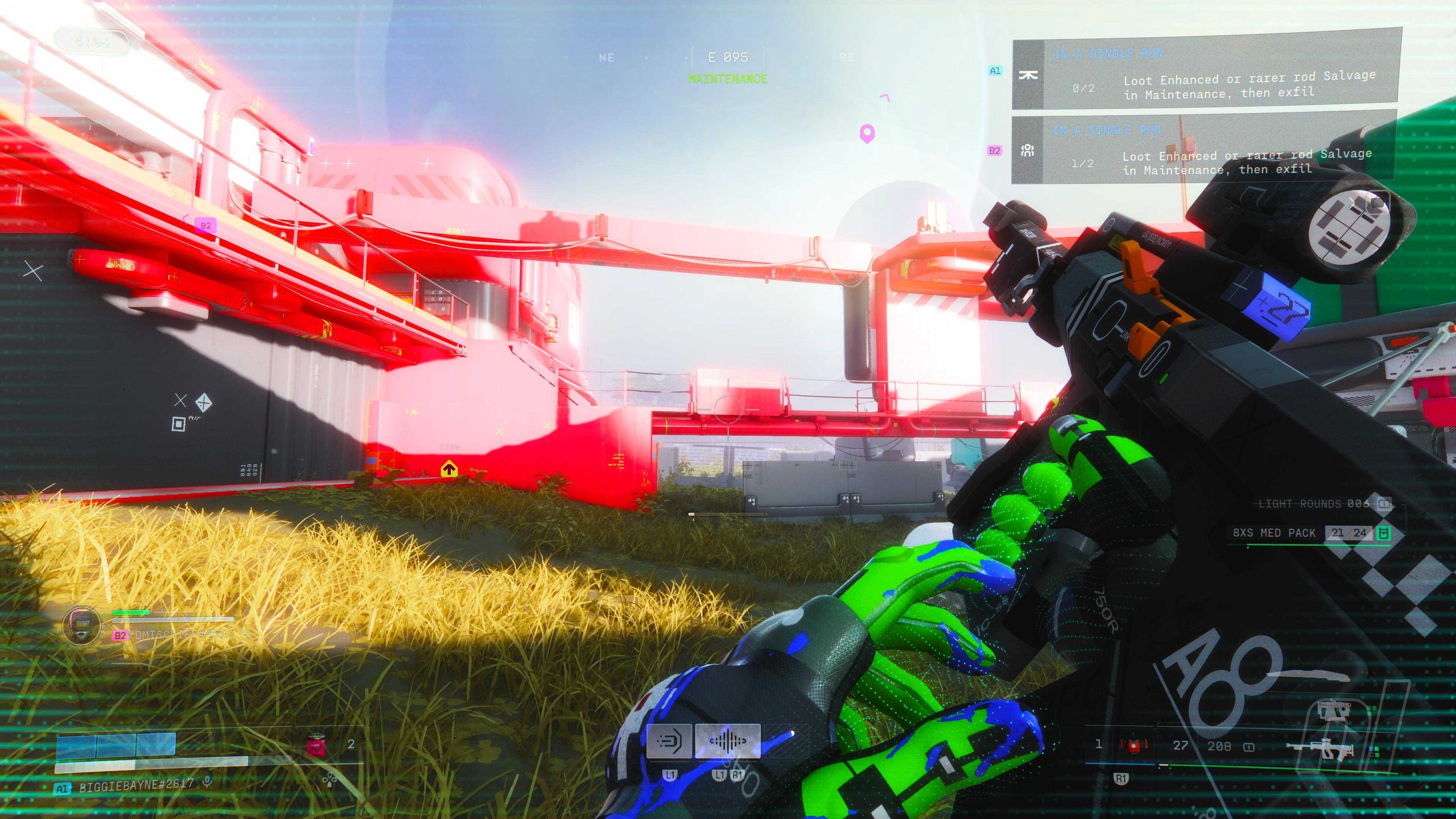
Each faction has a specialisation, as NuCaloric focuses on healing materials, whereas Mida is all about throwables, meaning it can really inform your matches as you try to level up a specific faction that fits your playstyle.
Along with the better attachment to build-crafting, it gives you much more incentive to actually jump into a game beyond doing it for fun. It gives the whole experience the feel of a dense RPG that you can grind out into the wee small hours of the morning.
That is certainly quite easy when Marathon looks as good as it does. In a sea of mil-sim gunmetal shooters, it’s incredibly refreshing to see something this vibrant. Across its sound design, its menus and loading screens, and its score, Marathon is a delight for the senses, and as we mentioned previously, we think it’s one of the best-looking shooters of the generation.
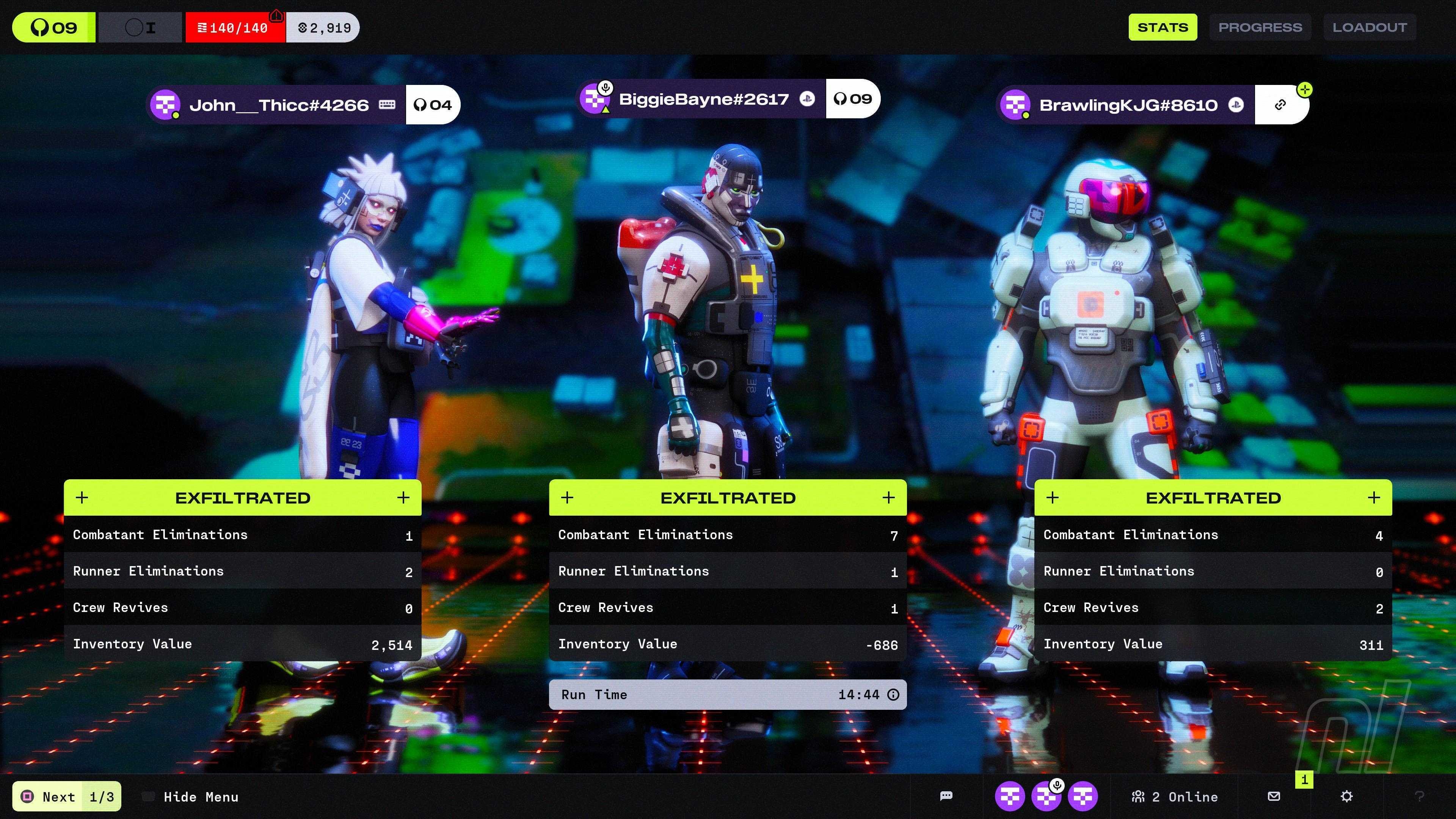
Performance on PS5 is also pretty stellar. The game runs at a solid 60fps, and we experienced no hiccups. This is especially the case with the PS5 Pro version of the game, which doesn’t boost its frames, but does utilise PSSR. It looks incredible on both versions of Sony’s consoles.
First Appeared on
Source link





Leave feedback about this