

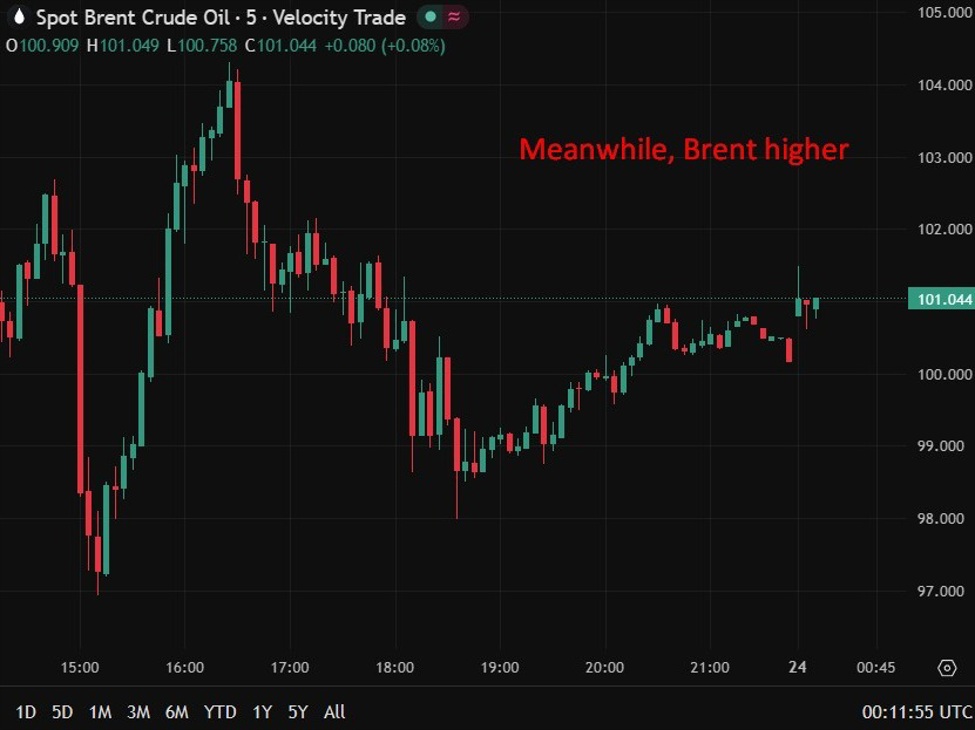
Strikes on Iran’s gas infrastructure highlight rising risks to energy systems as the conflict broadens, with potential implications for supply and market stability.
Summary:
- Projectile reported to have struck gas pipeline feeding Khorramshahr power station
- Additional gas-related facilities hit in Isfahan, including pressure reduction station
- Reports link damage to US-Israeli strikes in central Iran
- Energy infrastructure increasingly in focus as conflict intensifies
- Raises risks of disruption to domestic energy supply and regional flows
- Adds to broader concerns over oil and gas market stability
Energy infrastructure in Iran has reportedly come under renewed pressure, with strikes targeting gas-related assets in both the southwest and central regions of the country. According to reports, a projectile struck a gas pipeline supplying a power station in Khorramshahr, a key city near Iran’s southern energy corridor, raising concerns about potential disruptions to electricity generation and domestic gas distribution.
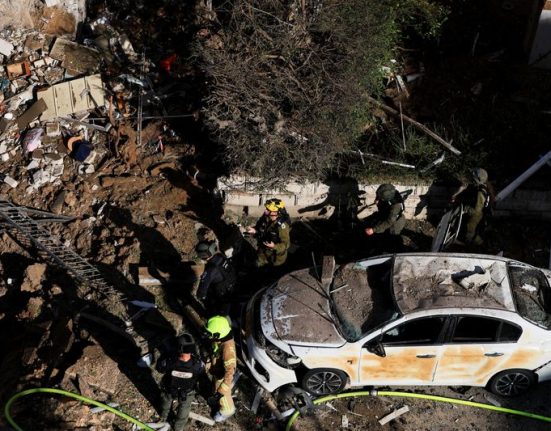
Separately, additional damage was reported in Isfahan, where gas-related facilities—including offices linked to a gas company and a gas pressure reduction station—were said to have been hit in strikes attributed to US-Israeli activity. The targeting of such infrastructure suggests a widening scope of the conflict, with energy systems increasingly exposed to disruption risks.
While the immediate impact on Iran’s broader energy exports remains unclear, the incidents highlight the vulnerability of critical infrastructure amid escalating tensions. Damage to pipelines and pressure facilities can have knock-on effects for both industrial activity and power generation, particularly if repairs are delayed or if further strikes occur. Markets are likely to interpret such developments as adding to the risk premium across energy prices, especially given the strategic importance of the region to global oil and gas flows.
The reports were carried by Fars News Agency, a semi-official Iranian news outlet often viewed as closely aligned with state institutions, including the Islamic Revolutionary Guard Corps. While Fars is a key domestic source for developments within Iran, its reporting is typically assessed alongside other international and regional sources given the sensitivities surrounding conflict-related information.
Overall, the developments underscore a growing pattern of strikes affecting energy infrastructure, reinforcing concerns about potential supply disruptions and the broader economic implications of a prolonged conflict. The situation remains fluid, with markets closely monitoring for confirmation of damage extent and any escalation that could impact regional or global energy supply chains.
First Appeared on
Source link





Leave feedback about this