

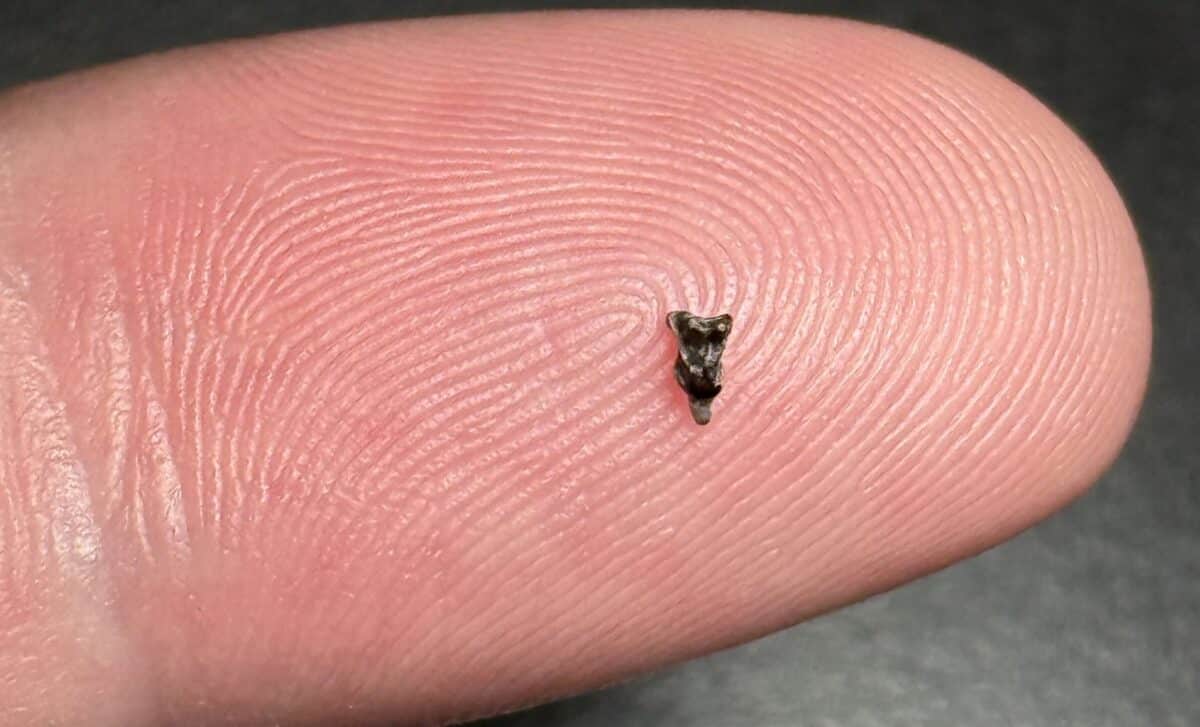
A groundbreaking discovery in Colorado’s Denver Basin has expanded the known range of Purgatorius, the earliest known relative of all primates, including humans. The tiny fossils, found 500 miles south of previous findings in Montana, offer fresh insights into the spread and diversification of early primates after the mass extinction event that wiped out the dinosaurs. The finding challenges prior assumptions about the geography of early primate evolution.
Until now, Purgatorius fossils had only been documented in the northern parts of North America, specifically Montana and Canada. The new fossils from Colorado’s Corral Bluffs study area push the species’ southernmost range, providing an essential clue to understanding the early primate migration across the continent and the rapid diversification that followed the Cretaceous-Paleogene (K/Pg) extinction.
Uncovering the Fossils
The Purgatorius fossils were recovered using an intensive screen-washing technique that allowed researchers to sift through sediments in search of small fossils that traditional methods might have missed. According to Dr.Stephen Chester, a lead author of the study and an associate professor at Brooklyn College, the recovery process yielded several tiny teeth, each about the size of a baby’s fingertip. These teeth could belong to an earlier species of Purgatorius, adding a new layer of mystery to the genus. The fossils were uncovered at the Corral Bluffs study area, a part of the Denver Basin, which provides a critical link between the regions previously known to host Purgatorius.
Dr. Chester noted that while the asteroid impact 66 million years ago severely impacted forest ecosystems, the rapid recovery of plant life likely allowed Purgatorius to spread into southern areas much sooner than scientists had previously thought. This reinforces the theory that the absence of early primates south of Montana was not a matter of ecological limits but rather due to gaps in fossil sampling.
What These Tiny Teeth Reveal
The newly discovered teeth from Purgatorius are revealing more than just the species’ geographic range. Dr. Jordan Crowell, a postdoctoral fellow at the Denver Museum of Nature & Science who contributed to the study, pointed out that the specimens exhibit a unique combination of features compared to known species of Purgatorius. These features suggest that the teeth could belong to a new, early-diverging species within the genus, though more fossils are needed for confirmation.
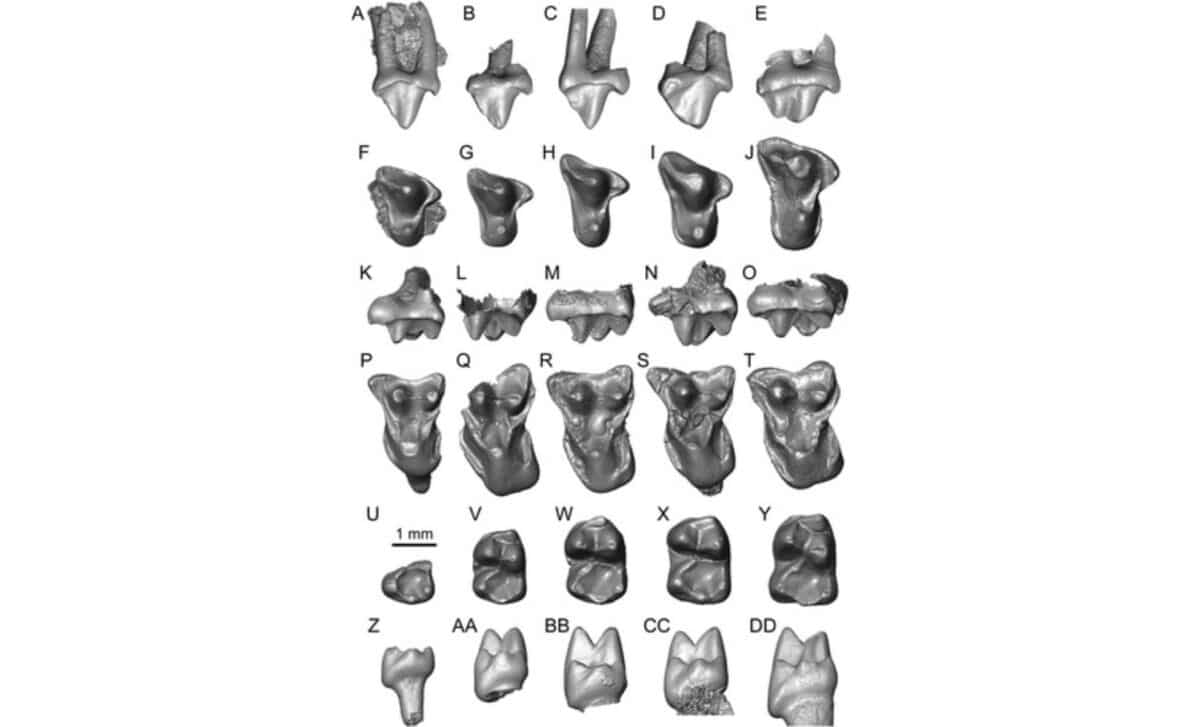
This discovery also challenges the notion that early primate relatives were confined to northern regions after the K/Pg extinction. The previous assumption was that southern regions of North America might not have supported Purgatorius due to the asteroid’s devastating impact on the environment. However, paleontologists now suspect that the absence was more likely due to a sampling bias. As the study shows, the extensive use of screen-washing techniques opens the door for further discoveries, including more fossils that could fill in the gaps in the early primate fossil record.
Shifting Perspectives on Early Primate Spread
Before the discovery of these southern fossils, scientists believed that Purgatorius had first appeared in the northern parts of North America and did not venture south until about two million years later. The new findings, which push the species’ presence into the southern regions of North America, suggest a different evolutionary pattern. According to Dr. Chester, the fossil evidence from Colorado indicates that archaic primates may have diversified more quickly following the mass extinction, migrating southward as forests recovered.
This discovery is crucial because it not only extends the known range of Purgatorius but also changes the way scientists think about the early biogeography of primates. It supports the idea that primates were already occupying different regions of North America soon after the K/Pg extinction, not waiting millions of years for their range to expand. The presence of these fossils in Colorado may provide a more comprehensive understanding of how early primates spread and adapted during a period of significant environmental recovery.
First Appeared on
Source link






Leave feedback about this