

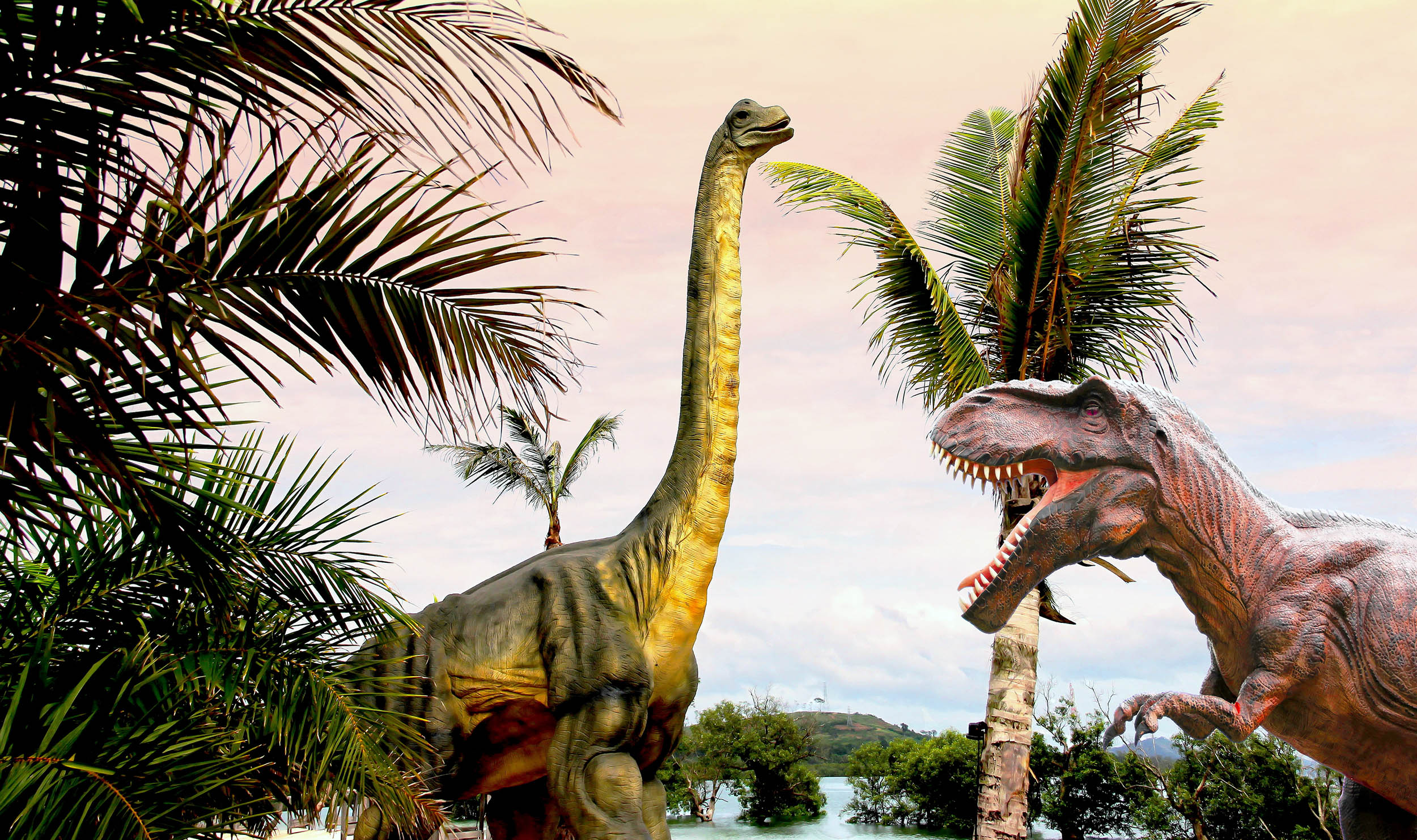
Fossil evidence shows that baby long-necked dinosaurs were a major food source for several large meat-eating dinosaurs during the Late Jurassic period.
Because these young plant-eaters were so common and easy to catch, predators at the time had an easier food supply than the giant hunters that evolved millions of years later.
Dry Mesa evidence
At Dry Mesa Dinosaur Quarry in western Colorado, a fossil site known for its rich dinosaur bone beds, a dense layer of remains preserved predators and prey from the same place.
By sorting those remains into feeding links, a team at University College London (UCL) made young long-necked dinosaurs impossible to ignore.
Across the reconstructed network, Cassius Morrison, a postdoctoral researcher in Earth Sciences at UCL, linked several big hunters to the same small prey. Those links put the most dangerous part of a long-neck’s life at the very beginning, not the end.
Small eggs, big risk
Long-necked sauropods, plant-eating giants with heavy tails, began life in eggs small enough to leave hatchlings exposed.
A review captured how small eggs and slow growth left young animals vulnerable for years after hatching.
“When these animals walked, the ground shook under their feet, but despite that, they laid relatively small eggs, no more than one foot in diameter,” said Morrison.
With no quick way to grow safe, juveniles formed a steady food supply that big predators could count on.
A web of meals
Building a food web lets the team connect each bone to a meal. Clues came from tooth wear, fossil stomach contents, and bone isotopes, chemical signatures that differ among diets, plus simple body size.
From that evidence, the analysis produced more than 12,000 unique food chains and gave long-necked dinosaurs far more connections than armored plant-eaters.
Numbers like that turn fossil piles into testable ecology, rather than a guess about which predator ate what.
Why sauropods dominated
Across the Morrison Formation, rocks laid down about 150 million years ago, huge plant-eaters made up the biggest bodies.
Different kinds of long-necked plant-eating dinosaurs, including Diplodocus and Brachiosaurus, fed at different heights, which allowed them to live side by side without competing for the exact same plants.
By trampling, browsing, and stripping branches, these giants acted as ecosystem engineers, animals that physically remake habitats for everything around them.
So much weight in one group means the whole system depended on how many young survived, not just on plants.
Predators picked the young
For hunters like Allosaurus, an adult long-neck was too large to bring down alone, but a youngster offered a safer target.
Spiny tails and bony plates on Stegosaurus made armored dinosaurs costly prey, so predators gained more by grabbing unprotected juveniles.
Fossil injuries show those carnivores sometimes paid dearly, and steady access to smaller bodies could keep them fed anyway.
That tradeoff likely shaped how often they hunted, scavenged, or fought, even before climate or geography changed.
Later hunters faced hardship
70 million years after Dry Mesa, predators met fewer easy long-necks, and large prey carried sharper defenses.
Bigger bites and better senses helped later meat-eaters, including Tyrannosaurus rex, handle opponents closer to their own size.
In Morrison’s comparison, the Jurassic prey supply gave predators less pressure to tackle dangerous adults on a regular basis.
That contrast ties anatomy to opportunity, because prey choices can reward power in one era and speed in another.
What fossils miss
Even Dry Mesa captured only a sliver, because the bones built up over less than 10,000 years.
Scavengers and floods can erase the smallest victims, so the record may undercount the very hatchlings predators ate.
One quarry also blends many seasons and droughts into a single stack, which can hide short bursts of chaos. So the new web works best as a sharp snapshot, not a full census of the whole Jurassic West.
Rebuilding ancient ecosystems
Food webs give paleontologists a way to test ideas about balance, instead of relying only on dramatic skeletons.
By counting links, scientists can see which creatures supported the most other lives, and which ones sat at risk.
Those patterns can point to a few animals that hold many links together, where losing one would ripple through many feeders.
Applied across more sites, this approach could compare dinosaur communities the same way ecologists compare forests or reefs.
Baby sauropods and T. rex
More quarries could reveal whether young long-necks were always abundant, or if Dry Mesa was an odd case.
Better finds of eggshell, bite marks, and stomach contents would tighten links that now rely on indirect clues.
New chemical work could track diets across growth stages, showing when a young herbivore stopped being worth the risk.
Each added detail would move ancient ecology closer to behavior, turning bones into evidence of daily survival.
Seen through meals instead of museum poses, the Late Jurassic looks like a system powered by its youngest giants.
That picture raises clearer expectations for future finds, especially where predators and hatchlings shared the same river plains.
The study is published in the New Mexico Museum of Natural History and Science Bulletin.
—–
Like what you read? Subscribe to our newsletter for engaging articles, exclusive content, and the latest updates.
Check us out on EarthSnap, a free app brought to you by Eric Ralls and Earth.com.
—–
First Appeared on
Source link





Leave feedback about this