

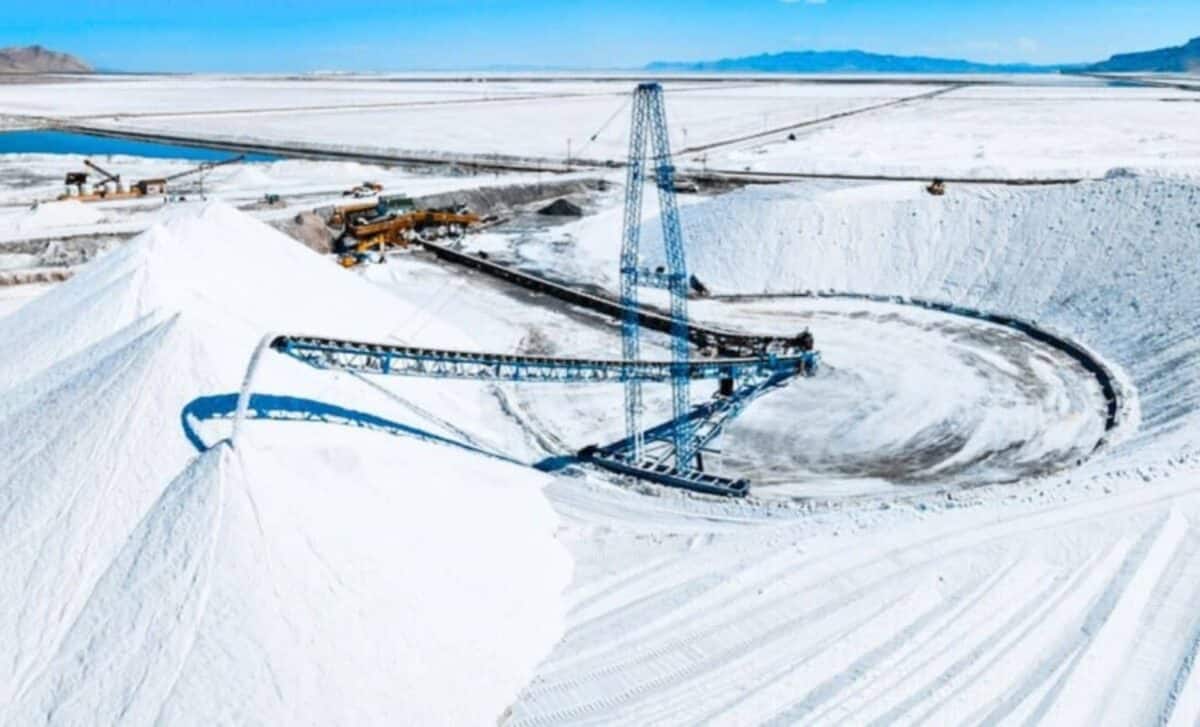
On September 24, 2025, Neptune Energy published an update from the Altmark region in Saxony-Anhalt, a landscape better known for gas production than battery metals. The company said it had been expanding its work across former hydrocarbon acreage, adding a third lithium exploration license in August 2025. That move placed more of the old producing area under a single development plan. It also hinted that the company saw something larger in the basin than a one-off pilot.
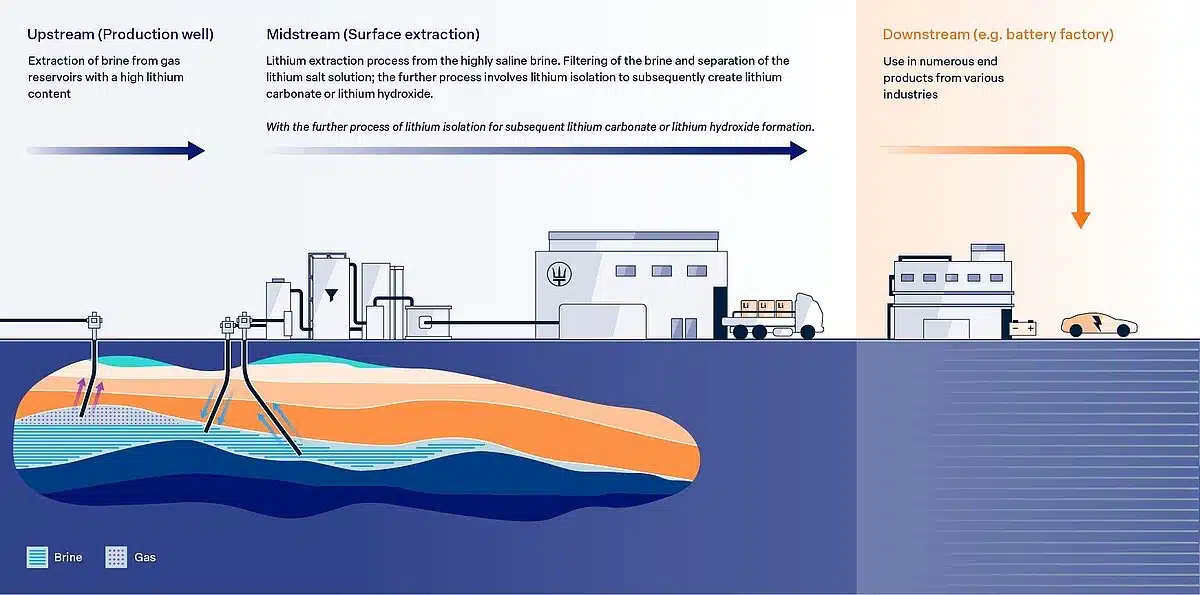
The setting is unusual for a lithium story. Neptune Energy and its predecessor companies have produced natural gas in Altmark since 1969, and the region has more than 55 years of mining tradition tied to gas. Instead of opening a new mine, the company is working with the same deep subsurface system that once supplied fuel. The new target is not rock at the surface, but hot, mineral-rich brine far below it.
That shift has already moved beyond the lab bench. Neptune Energy said its second pilot project with Lilac was completed in August 2025, producing battery-grade lithium carbonate from Altmark brine through an ion exchange process. A third pilot started in mid-September to test an adsorption process, while the company prepares for a later demonstration phase that would use a fully integrated extraction plant. For a basin long associated with gas wells and pipelines, the equipment may look familiar even if the product is not.
What the Deeper Brines Showed
The wider geological picture came into focus through research linked to the basin itself. In a 2025 conference paper, J. Böcker of Neptune Energy described Altmark brines as strongly mineralized and highly enriched in lithium. The fluids occur in Upper Rotliegend sandstones and possibly also in underlying Lower Rotliegend volcanics at depths of about 3200 to more than 4000 meters TVDSS. The paper reported a mean lithium concentration of 375 mg/l.
That paper also offered an explanation for where the lithium came from. According to J. Böcker, the primary source is the release of lithium from phyllosilicates, especially mica, within Rotliegend volcanites and volcanic clasts redeposited into the sandstone reservoir. At temperatures above 120 °C, those minerals interacted with formation water and helped enrich the brines. The result is a deep fluid system with a coherent geochemical signal, not an isolated pocket discovered by chance.
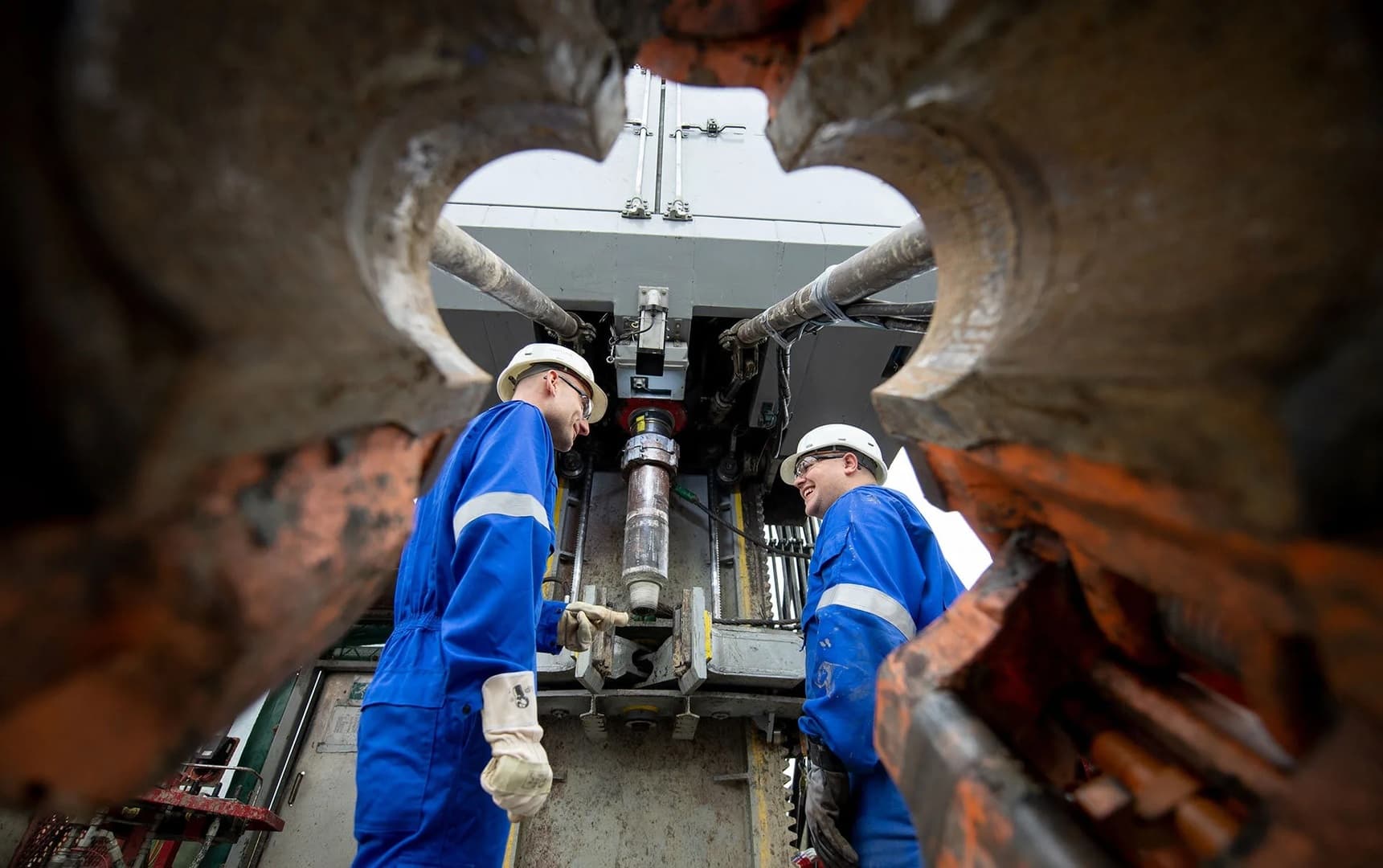
Only after that work did Neptune Energy move to quantify the resource in commercial terms. In its September 2025 release, the company said the independent valuation agency Sproule ERCE had assessed the Altmark project under the CIM/NI43-101 standard. The result was a figure of 43 million tons of lithium carbonate equivalent, or LCE, across the company’s license areas in northern Saxony-Anhalt. That is the number that moved the project from a technical curiosity to one of the larger lithium stories in Europe.
How Neptune Energy Plans to Extract It
The extraction method is central to Neptune Energy’s pitch. The company says it is using direct lithium extraction from brine rather than open-pit mining or evaporation ponds. That matters in Altmark because the area already has wells, industrial sites, and subsurface expertise built over decades of gas work. It also means the project is being framed as a reuse of existing energy infrastructure rather than a conventional mining buildout.
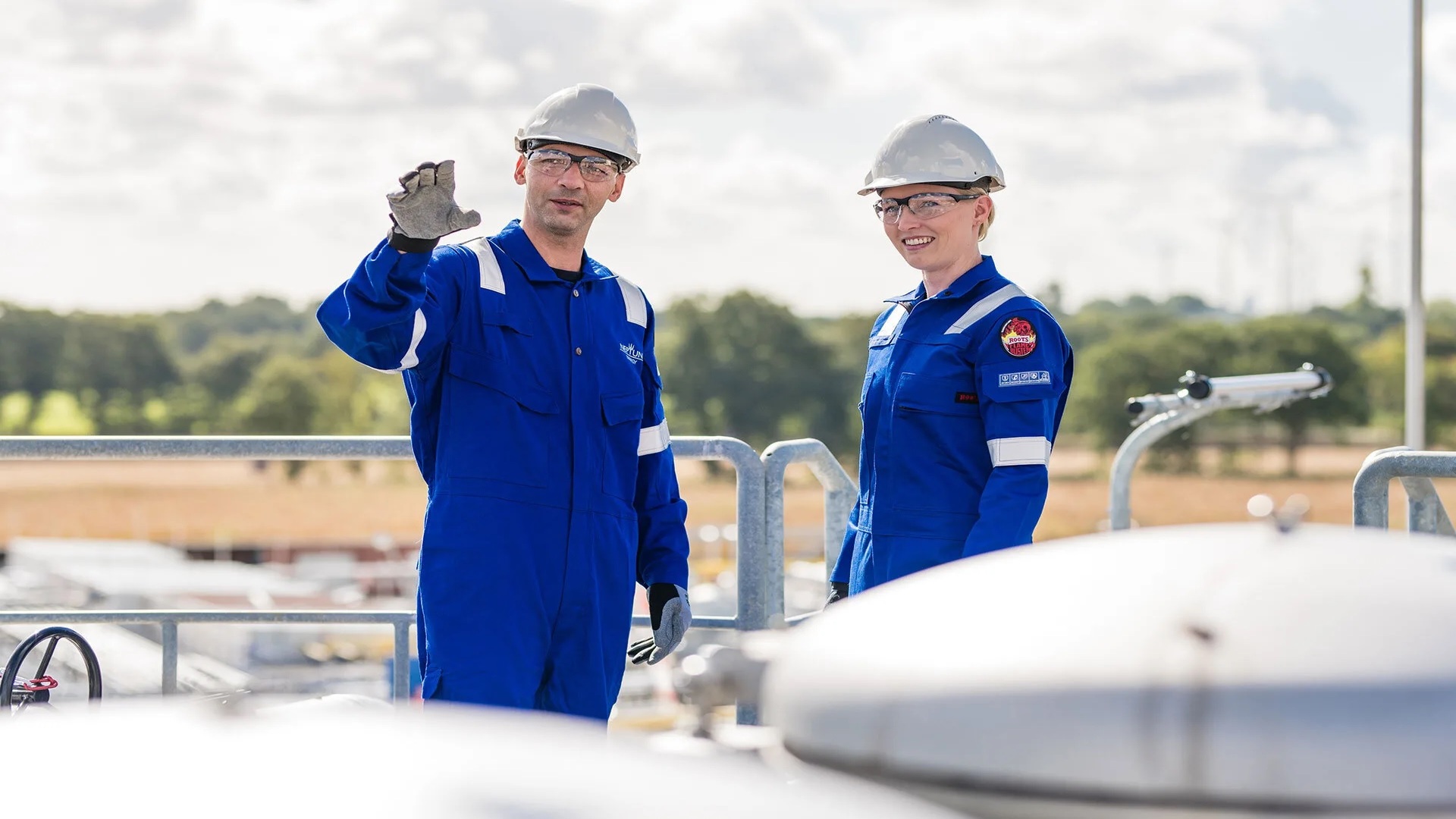
Neptune Energy now holds the Jeetze-L production license and three lithium exploration licenses in the region: Milde A-L, Milde C-L, and Milde B-L. Those permits map onto a basin where infrastructure and operating history already exist, giving the company access to both data and logistics that newer projects often lack. In the company’s words, “The Altmark region combines geological potential, established infrastructure, and technical know-how – perfect conditions to successfully complete the transformation from natural gas production to environmentally friendly lithium extraction,” said Axel Wenke, Director of New Energy at Neptune Energy.
The company has also made clear that the pilot work is still a step in a longer process. Full development would require further mining permits, followed by a demonstration phase before any commercial production. Neptune Energy is not presenting Altmark as a finished supply source yet. It is presenting it as a tested basin with enough evidence to justify moving to the next stage.
Why Altmark Is Drawing Wider Attention
The timing lines up with a broader European push to secure strategic raw materials closer to home. In March 2023, the European Commission proposed the Critical Raw Materials Act, setting a benchmark that at least 10 percent of the EU’s annual consumption of strategic raw materials should come from extraction within the bloc by 2030. The proposal also set targets for processing and recycling while aiming to reduce dependence on single third-country suppliers. Projects like Altmark land in that policy conversation because they sit inside existing European industrial networks.
The backdrop is a global supply chain still shaped by a small number of producing regions. A Harvard International Review article described Chile, Argentina, and Bolivia as the Lithium Triangle, a zone associated with large lithium resources beneath salt flats. That article is not a technical resource estimate for today’s market, but it captures the wider reason European projects are getting so much attention. A domestic source, even one still in pilots, offers a very different supply route from lithium moved across oceans.
For now, the facts are narrower and clearer than the hype that often follows battery-metal stories. Neptune Energy has reported a second successful pilot, launched a third, secured additional Altmark licenses, and cited an independent estimate of 43 million tons of LCE in its northern Saxony-Anhalt project areas. Those are the developments documented in the company’s September 24, 2025 announcement.
First Appeared on
Source link




Leave feedback about this