

Aspides and Atalanta
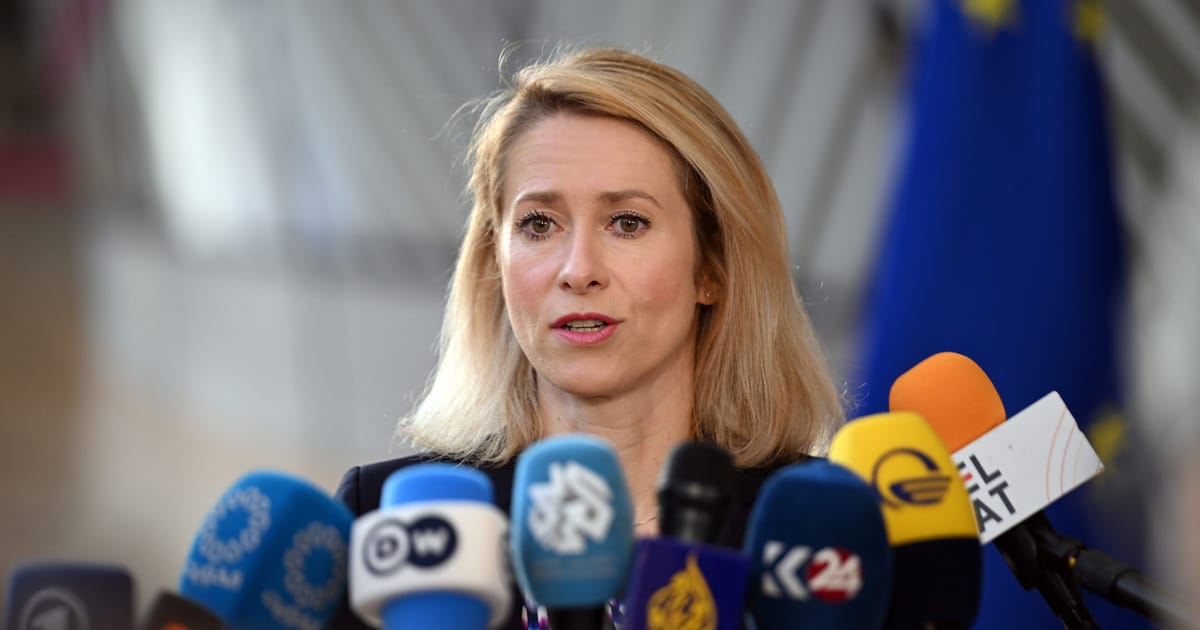
Kallas also said that EU foreign ministers would look into changing the mandate of two ongoing EU-backed naval protection missions — Operations Aspides and Atalanta — so that they could help to open the Strait of Hormuz.
Currently those missions — originally conceived to protect EU commercial vessels from attacks by Houthi rebels in Yemen — are not operating in the strait and are bound by rules of engagement that would limit their effectiveness, a senior EU diplomat said.
“We will discuss with the member states whether it’s possible to really change the mandate of this mission,” said Kallas. “We have proposals on the table … The point is whether the member states are willing to use this mission.”
“If the member states are not doing anything with this then of course it’s their decision, but we have to discuss to show we help to keep the Strait of Hormuz open,” Kallas said.
In her remarks, Kallas blasted Trump’s decision to lift sanctions on Russian oil exports as a “dangerous precedent,” saying it was important that the ongoing war in the Middle East did not overshadow Russia’s invasion of Ukraine. Washington lifted the sanctions on Rosneft and Lukoil exports for one month to alleviate pressure on global oil markets amid a surge in the price of oil to more than $100 per barrel following the attacks on Iran.
Even so, the top EU diplomat underscored European efforts to help clear the Strait of Hormuz. Another possibility, she said, was to use a so-called coalition of the willing to secure the strait. This refers to a group of countries rather than the entire 27-member bloc.
First Appeared on
Source link




Leave feedback about this