

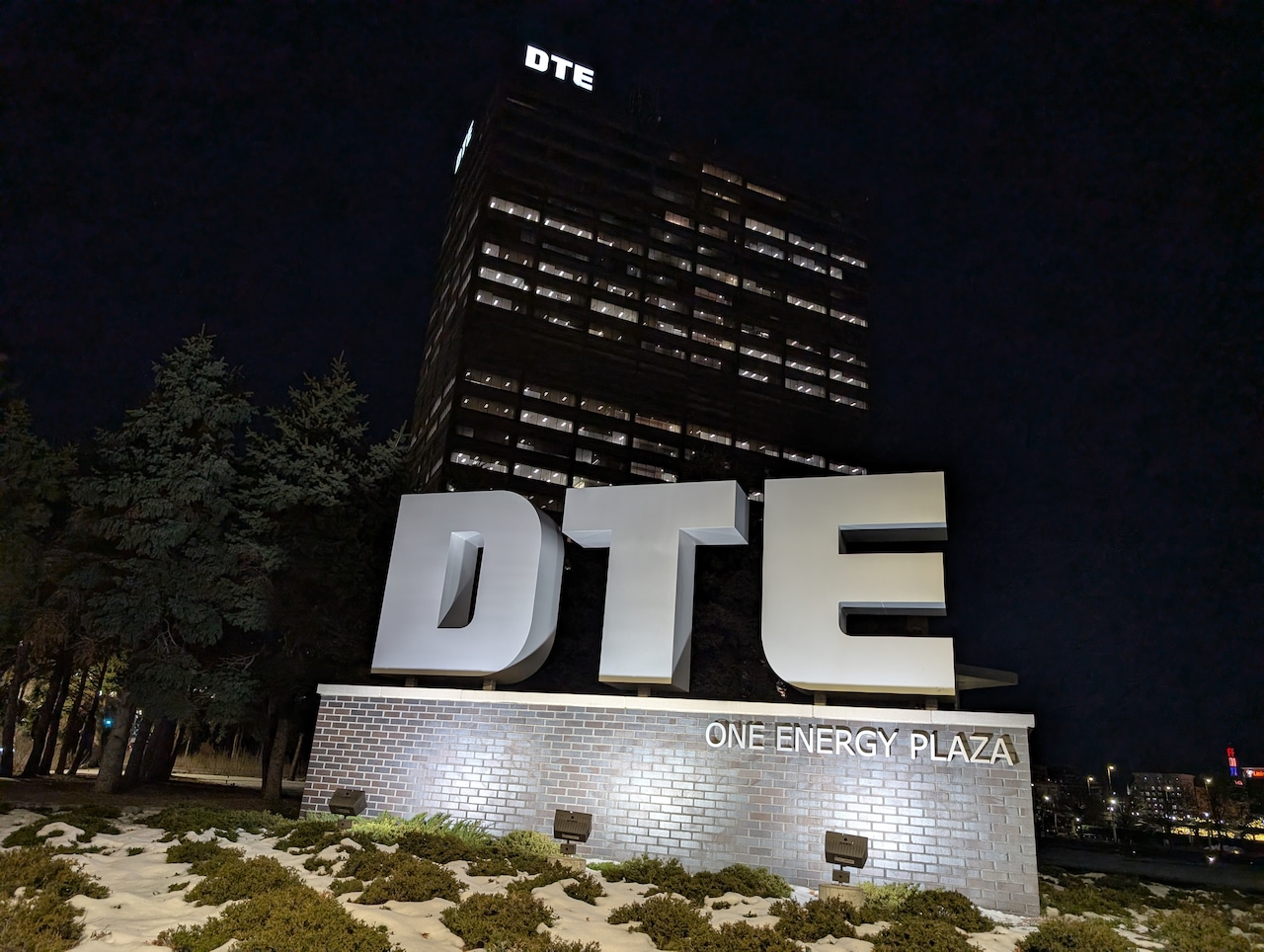
LANSING, MI – Michigan’s largest electric utility has won permission to raise rates $242 million this year, increasing power costs for 2.3 million customers.
State regulators in Lansing granted the rate hike for DTE Energy on Thursday, Feb. 19, giving it the green light to increase rates for the fourth time in the last five years.
The authorized hike is less than half of what DTE asked for last year when it filed the second largest rate request in more than two decades, totaling $574 million. Regulators say they slashed funding for poorly planned or unsupported utility programs.
Under the Thursday order from the three-member, governor-appointed Public Service Commission, a residential customer with average usage will see a 4.6% increase, translating to $4.93 per month.
The hike comes amid widespread concern over energy costs, particularly as Michigan entertains proposals to build massive data centers for artificial intelligence. The facilities will supercharge power demand for the first time in decades and ultimately require big spending by utilities on power lines, plants and infrastructure, sparking worry about impact on electric bills.
Those costs will be dealt with in future cases, and DTE maintains other customers will not subsidize data centers due to protections built into power contracts.
But Michigan’s power rates remain the highest in the Midwest and among the steepest in the nation. At the same time, major utilities like DTE have historically struggled with some of the longest outages in the country.
There’s evidence that’s changing for the better, and both regulators and DTE executives said the rate hike helps further progress in improving reliability by rebuilding an aging grid.
Because DTE customers’ average outage duration was just over three hours in 2025, it was ranked in the top quarter of utilities nationwide last year.
That hasn’t happened for at least 20 years, and while a lack of severe storms undoubtedly helped, regulators say so too did the utility’s spending on the grid with customer dollars.
They maintain they are balancing continued progress with concerns over power affordability. Average monthly power bills in Michigan are lower than the national average, a mark driven by lower usage. They’ve increased at well under the rate of inflation between 2020 and 2025, according to the Public Service Commission.
“Investments in tree trimming, hardening lines, replacing equipment, pole-top maintenance and undergrounding are not discretionary luxuries. They are core investments in delivering safe and continuous service,” said Public Service Commissioner Shaquila Myers.
“These investments strengthen the grid against extreme weather and an aging system. Failing to invest would ultimately cost customers more through outages, emergency reactive repairs, restoration repairs and escalating risks.”
The rate hike request still generated backlash from customers, including more than 450 comments on the case docket, many opposed to the increase.
Political leaders are taking note in an election year. Several gubernatorial candidates running in 2026, including current Democratic Secretary of State Jocelyn Benson, have vowed to freeze electricity costs upon taking office, The Detroit News reported.
The rate hike comes days after DTE announced $1.5 billion in 2025 earnings on a call with investors. Implementing higher rates are one of several factors that drove rising profits, executives said.
The Thursday decision represents the culmination of a 10-month legal proceeding called a “rate case,” where utilities like DTE must justify specific investments in order to increase rates.
More than 20 outside groups, from environmental organizations to major grocery chains like Walmart and Kroger, participated in the case. These “intervenors” try to poke holes in DTE’s requests, pushing regulators to trim it by hundreds of millions of dollars.
The debates are often technical and jargon-filled, and legal filings in the case spanned more than 5,500 pages.
As DTE’s rate requests have grown in size and complexity in recent years, so have costs for utility lawyers and consultants who push for higher rates.
Like many utilities across the country, DTE passes those costs onto its customers, though few realize they are paying for them.
In DTE’s case, consumer advocates pushed to change that, with Michigan Attorney General Dana Nessel arguing that utility shareholders should bear some of the costs. Her office estimated they could amount to as much as $14 million for the rate case decided Thursday, a figure DTE disputes without offering an alternative.
In the Thursday order, spanning almost 600 pages, regulators declined to remove those costs from customer bills. But they ordered DTE to track and disclose the expenses in the future and better justify spending on pricey external consultants.
Regulators also directed DTE to analyze data on electric shutoffs to understand if they are increasing and better focus disconnection protections, as well as improve assistance programs for low-income customers.
The order pushes DTE to maintain a shortened cycle of trimming trees near power lines, the top cause of outages. In some areas with less risk, DTE had proposed to lengthen it. But regulators said clearing every mile of line at least once every five years was a major recommendation of a deep-dive audit they commissioned into outage problems on the grids run by DTE and fellow utility Consumer Energy.
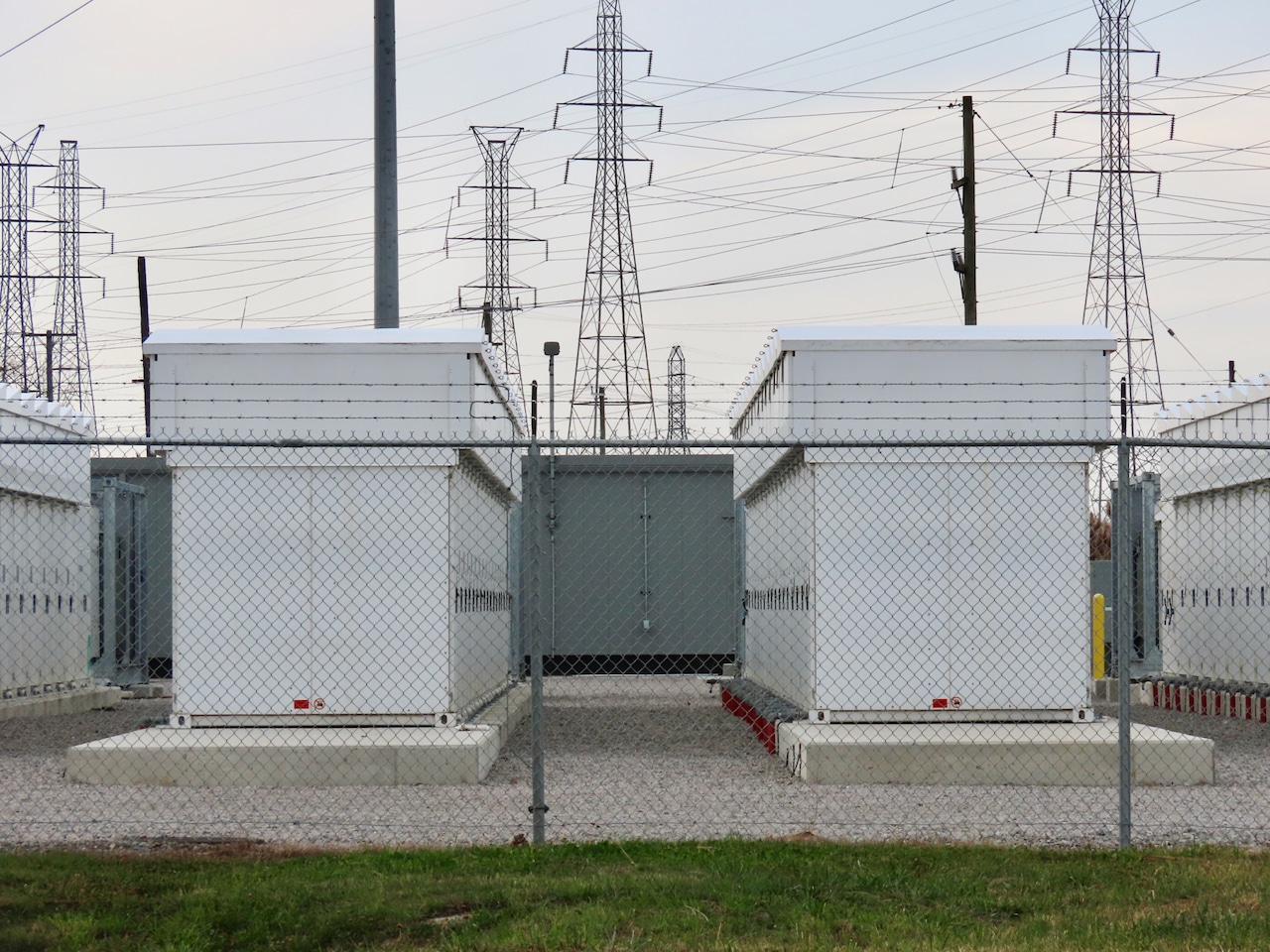
The rate hike also provides funding related to the installation of grid-scale batteries at the decommissioned Trenton Channel coal-fired power plant and another battery project that regulators say will help DTE move away from oil-burning “peaker” plants that kick on during periods of high demand.
Regulators also granted DTE a one-year extension of a surcharge on customer bills known as the “infrastructure recovery mechanism,” allowing DTE to recover costs for certain grid upgrade projects outside of a normal rate case.
The utility had pushed for a three-year extension and increased spending, but some advocates argued it was a “bad deal” for ratepayers because it locked in costs for projects not demonstrated to provide value, said Amy Bandyk, executive director of the nonprofit ratepayer advocacy group Citizens Utility Board of Michigan.
“While it is good that the commission didn’t grant DTE the full extension to 2029, the decision still allows DTE to continue this flawed method for recovering costs, one that lacks full accountability,” she said.
The new electric rates represent the largest hike since 2023 and will go into effect March 5.
That is about 13 months since DTE’s last rate increase, which amounted to $217 million and hit power bills last February.
Utilities are permitted to file for rate hikes once every 12 months. MLive found major power companies are doing so with slightly more frequency in recent years, with some filing for new rates the first day they are legally permitted.
While DTE maintains greater investment in the grid is necessary to continue reducing outages, it also promises new growth in power demand will help defray rising costs.
Late last year, DTE secured approval to power a massive artificial intelligence data center for ChatGPT creator OpenAI and cloud computing giant Oracle near Ann Arbor, which will demand as much power as a million homes.
Similar deals with other data centers are in the works, and despite concerns to the contrary, DTE executives promise they will help with affordability and protect customers.
Will it mean less frequent rate hikes?
DTE CEO Joi Harris didn’t commit to that when asked on a recent call with investors. But, she said, “as we bring on data center load, that gives us more opportunities as well to potentially look at putting distance in rate cases.”
First Appeared on
Source link




Leave feedback about this