

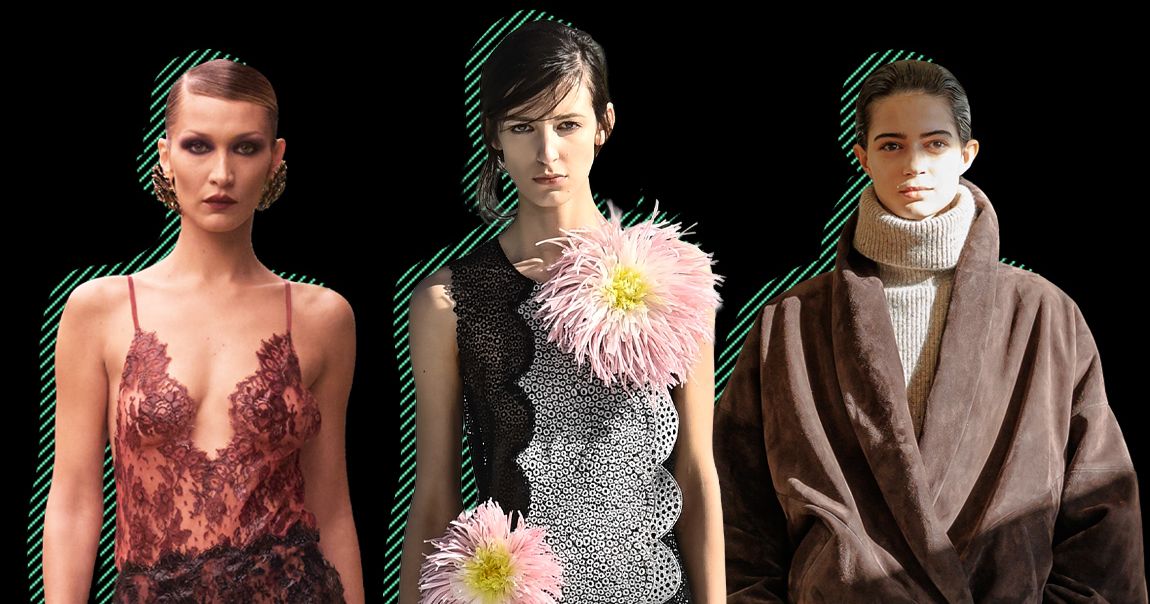
Photo-Illustration: by The Cut; Photos: Courtesy of Saint Laurent, Getty Images, Co
Listen to fashion critic-at-large Cathy Horyn read her review.
A week ago, in my review of the London shows, I wrote that Burberry —held on a nighttime runway, with much black leather — made me think of the main character in David Szalay’s novel Flesh. István starts as a seedy night-club bouncer and later enters the world of the superrich as a London property developer. Though István isn’t a nasty guy, there’s an emptiness about him, and he often has little more to say than, “Okay.” Then, in Milan, we saw the hard, thin bodies of Demna’s Gucci, which got people worked up over a perceived emptiness in both the vision and ultralight materials.
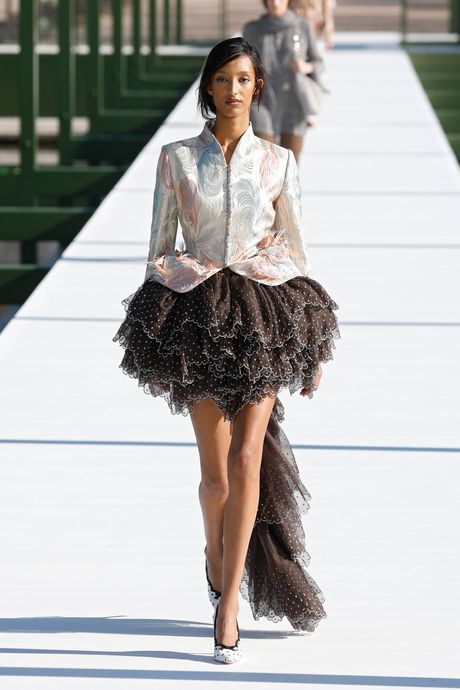
On Tuesday, as the Paris fall ready-to-wear collections got underway, Jonathan Anderson opened Dior with a knitted version of the house’s Bar jacket, cuddled over a frilly, embroidered, multilayered miniskirt, a style we haven’t seen since Christian Lacroix’s pouf in the late ’80s. About a thousand people were seated in a glass-enclosed promenade built around one of the reflecting pools in the Tuileries Gardens, no doubt at a cost of millions. With fake lily pads floating on the water, it made for a pretty, if staggering, picture of wealth in a time of inequality.
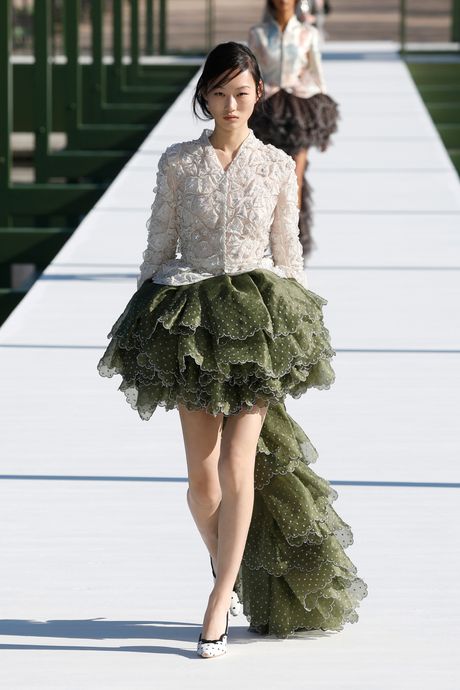
Dior From left: Photo: Estrop/Getty ImagesPhoto: Estrop/Getty Images
Dior From top: Photo: Estrop/Getty ImagesPhoto: Estrop/Getty Images
That evening, Anthony Vaccarello reprised the Saint Laurent tuxedo in a wood-paneled room straight out of a power broker’s movie office, The Fountainhead, or Succession. Vaccarello likes a concise message, and he added lavish shearlings and lace coated in silicone to give it body. “It’s a house where you always have an image in your head,” Vaccarello said. That image, of course, is Helmut Newton’s 1975 photograph of two women, one as naked as a mannequin, the other looking androgynous in a tux, in a dark Paris street.
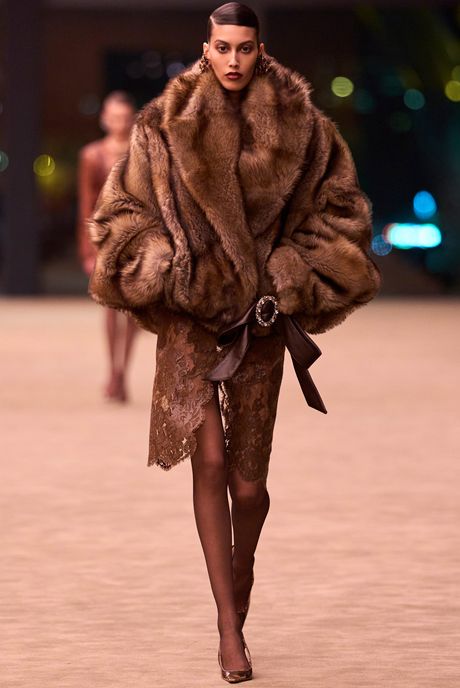
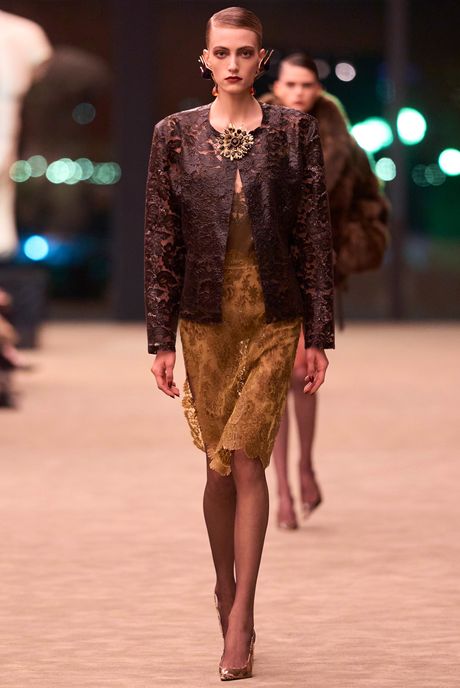
Saint Laurent From left: Photo: Alessandro Lucioni/Courtesy of Saint LaurentPhoto: Alessandro Lucioni/Courtesy of Saint Laurent
Saint Laurent From top: Photo: Alessandro Lucioni/Courtesy of Saint LaurentPhoto: Alessandro Lucioni/Courtesy of Saint Laurent
However, when you add up all these images since Burberry, all this ridiculous richness, you could get a very different figure lurking in the shadows — Deep Throat, the Watergate informant. “Follow the money,” he repeated.
Woodward and Bernstein had good reason to follow their source, and so should we. The new collections from Dior and Gucci are especially telling; Saint Laurent’s less so, because Vaccarello keeps its motor running at a cool purr. In the late ’90s, a group of mad geniuses disrupted fashion’s status quo — Marc Jacobs at Louis Vuitton, John Galliano at Dior, Alexander McQueen at Givenchy and even more so for his own brand. And Tom Ford did his thing at Gucci, giving us the modern creative director. But over the past decade or so, the corporate owners of those luxury brands started doing dumber and dumber things. They began offering a mono look. Call it quiet luxury if you want, but they literally industrialized boredom.
Today, that stuff isn’t selling, in part because the middle part of the market — the huge group once reflected in department stores — is largely gone. It’s bitter and complaining or has simply moved on. Meanwhile, the people at the top, the superrich, who spend $100,000 for an outfit in ready-to-wear — ready-to-wear, not haute couture — aren’t questioning anything. And the people who start out at the bottom, the Istváns of the world — also don’t have those hangups, not historically. They want.
That shift is how I read Anderson’s Dior. He took some of the girlie shapes of his debut collection, in October, and some of the pomp from his January couture and smoothly combined them in a sharper, clearer story on Tuesday above the unreal lily pads. When he had frills, they were mostly tongue in cheek, wedged under the hem of a short tailored jacket or exploding as a mini.
At the same time, he balanced the froufrou with some terrific coats in dark wool or cashmere with a nipped waist and sometimes contrasting satin lapels. Just as appealing were simple lace dresses in black, white, or Dior gray with a swag; a sleeveless black knitted dress with streamers of black silk for an undone look; and some styles in what looked like brown houndstooth. The fabric is, in fact, pleated silk, a nice deception.
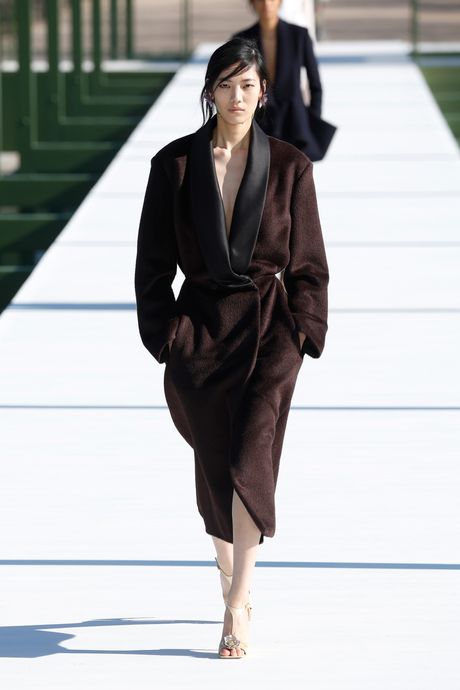
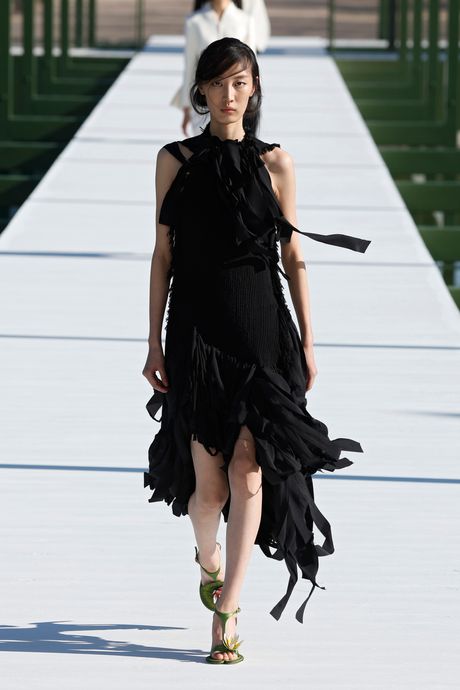
Dior From left: Photo: Estrop/Getty ImagesPhoto: Estrop/Getty Images
Dior From top: Photo: Estrop/Getty ImagesPhoto: Estrop/Getty Images
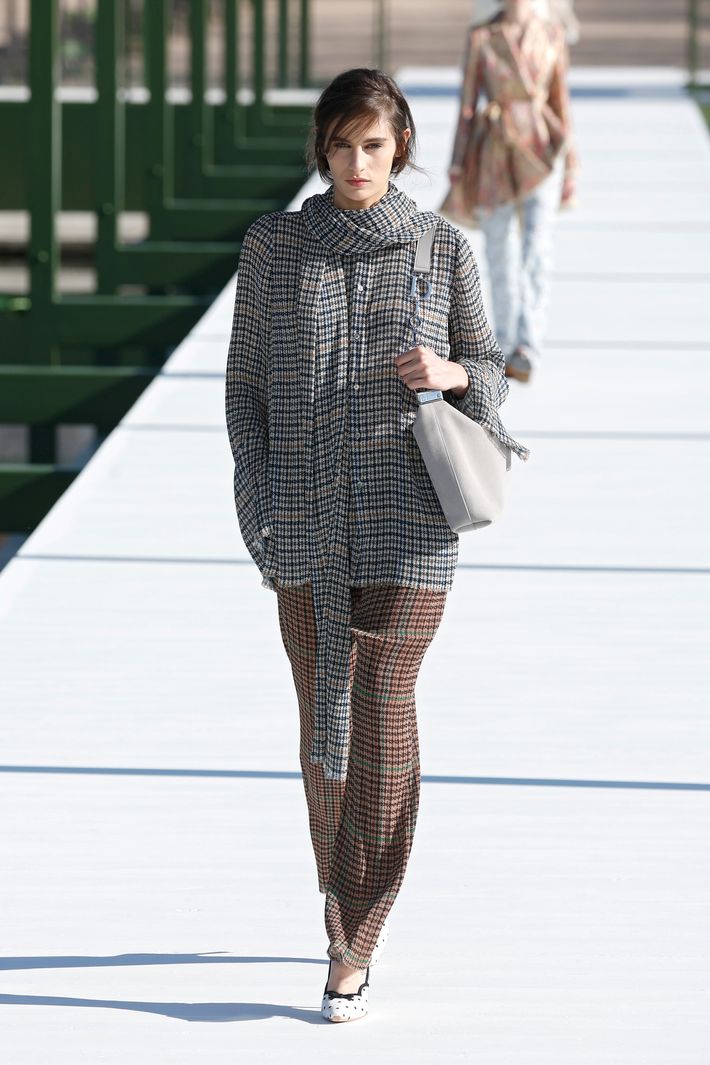
Dior
Photo: Estrop/Getty Images
Anderson said his main concern at Dior is to get “the hand” right again — that is, the cut and materiality of the clothes. He’s still working on the bags, a more tedious process. He added, “I’m never going to do a formula. It’s never going to be a one-look brand.”
In their program notes, Hannah Rose Dalton and Steven Raj Bhaskaran said, “We ‘Fecalized’ the New Look by injecting our distorted vision of glamour.” That’s a good summation of Matières Fécales, which played on a theme, appropriately, of power and the one percent. The brilliant, creepy casting drew on the old-old rich, with a top-hatted gent who looked like the Monopoly game guy, and, as well, the bald acolytes who make up the Fecal Matter cult. Well, fashion is strange, and it has been strange for centuries. Though the bombastic designs often recall the early work of Galliano and some McQueen and Demna, in the druid hoodies, they’re well-crafted, in particular a silver-feathered gown. And Dalton and Bhaskaran keep advancing their weirdness.
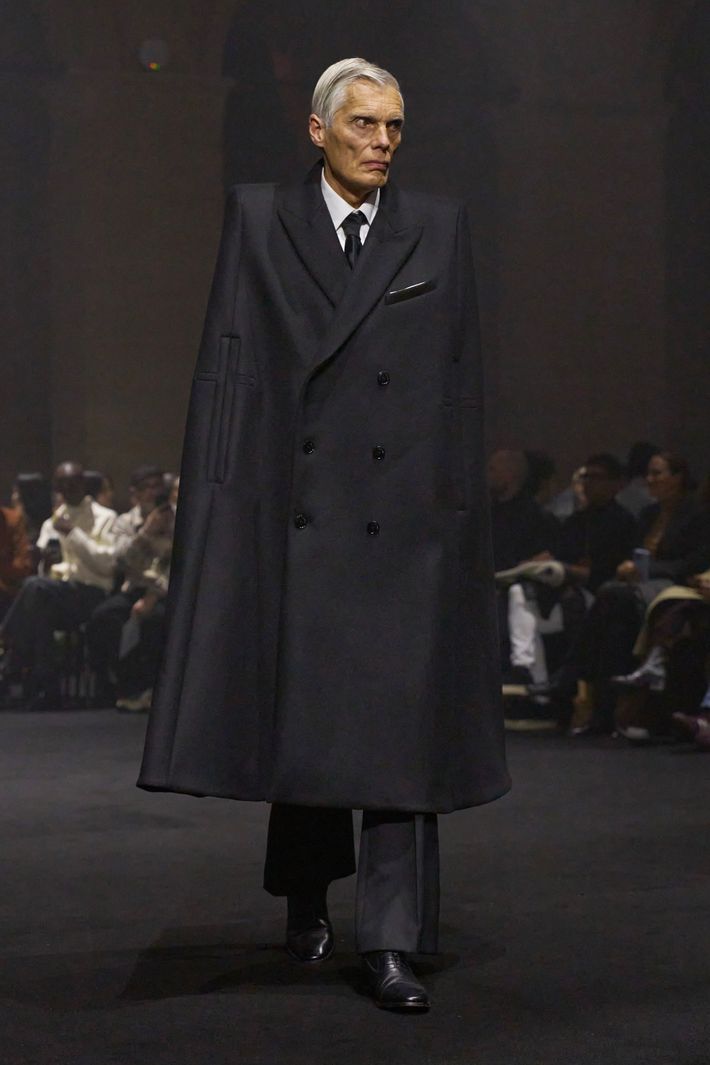
Photo: Filippo Fior / Gorunway.com/ Courtesy of Matières Fécales
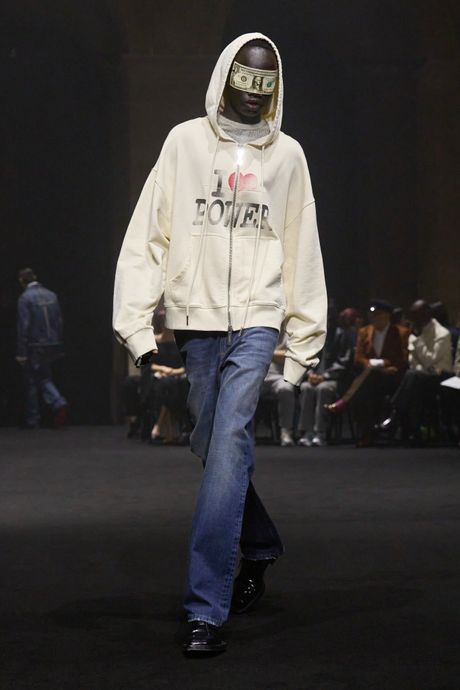
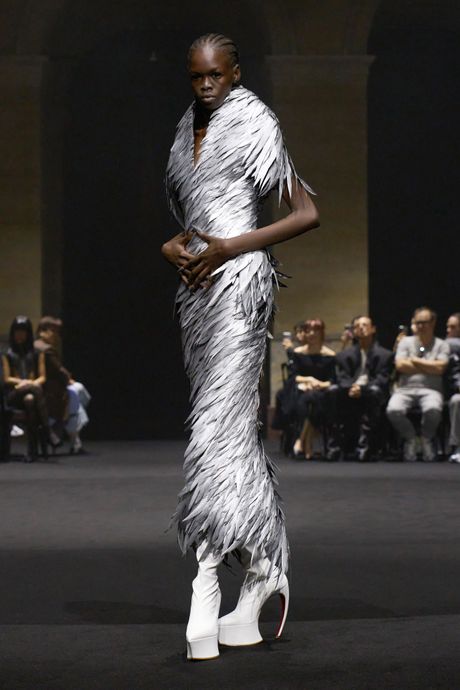
From left: Photo: Filippo Fior / Gorunway.com/ Courtesy of Matières FécalesPhoto: Filippo Fior / Gorunway.com/ Courtesy of Matières Fécales
From top: Photo: Filippo Fior / Gorunway.com/ Courtesy of Matières FécalesPhoto: Filippo Fior / Gorunway.com/ Courtesy of Matières Fécales
I loved the Vaquera show, its casual blasphemy — it was staged in a church, in glaring electric light — and its total appropriation of Rudi Gernreich’s modernism, the top bathing suit from the ’60s and the later “monokini,” with its green patch of pubic hair, and Rudi’s helmet hats.
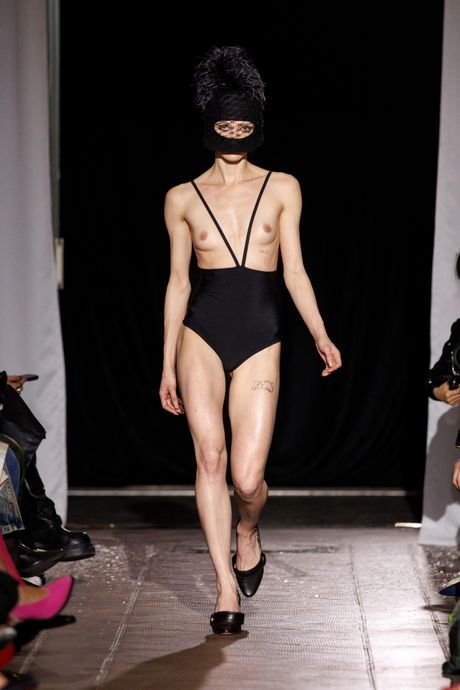
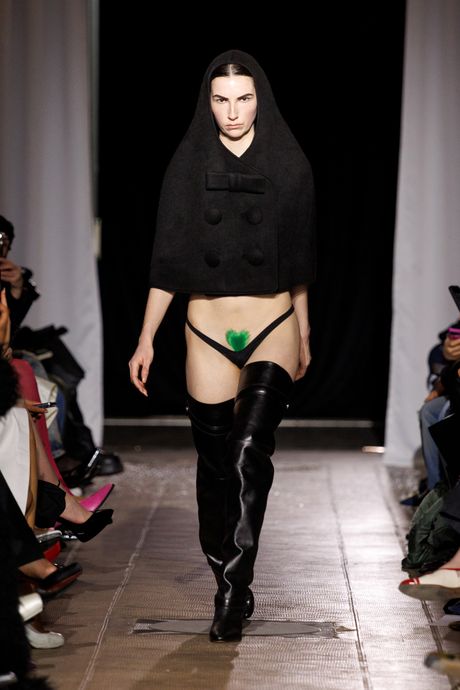
From left: Photo: Courtesy of VaqueraPhoto: Courtesy of Vaquera
From top: Photo: Courtesy of VaqueraPhoto: Courtesy of Vaquera
“Don’t be married to a fixed vision of your future,” the designers Bryn Taubensee and Patric DiCaprio said in their show notes. They lived up to their declaration, filling out their relevant collection with twisted “ladies who lunch” suits in wool, chocolate-brown corduroy pieces and low-cut, tight trousers worn with a matching thong.
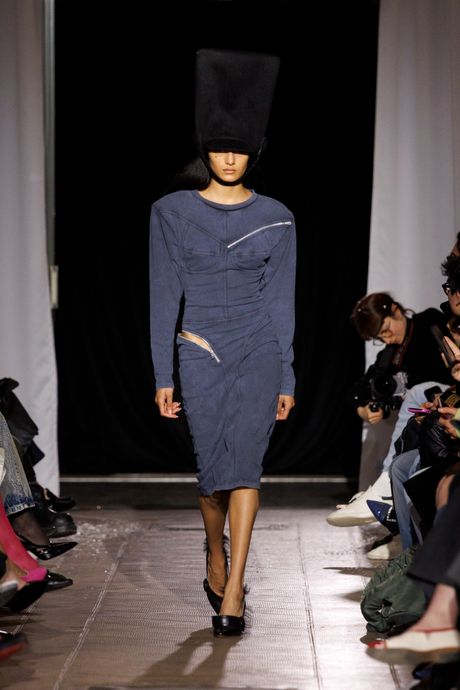
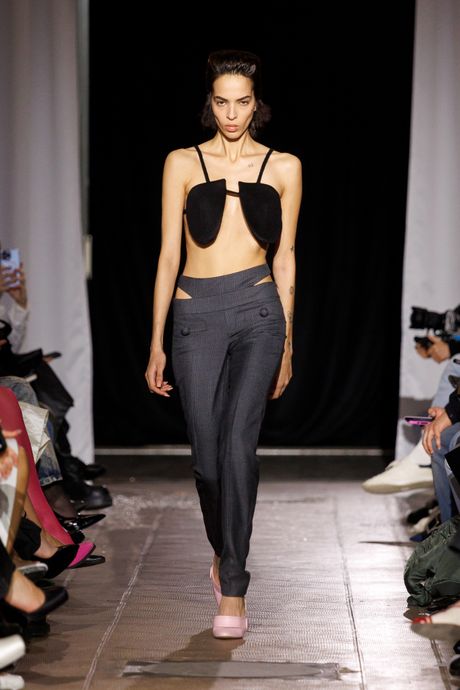
From left: Photo: Courtesy of VaqueraPhoto: Courtesy of Vaquera
From top: Photo: Courtesy of VaqueraPhoto: Courtesy of Vaquera
Two other collections in the opening days of Paris deserve mention — for the opposite reasons. Ellen Hodakova Larsson, who is well known for creating fashion from found objects, like men’s belts and violin strings, hammered out a stronger ready-to-wear look. I loved her opening styles, the toughness and sharpness of her tailoring and use of worn black leather and what looked like a Barbour coat. Her work serves as an inspiring counterpart to big-brand fashion.
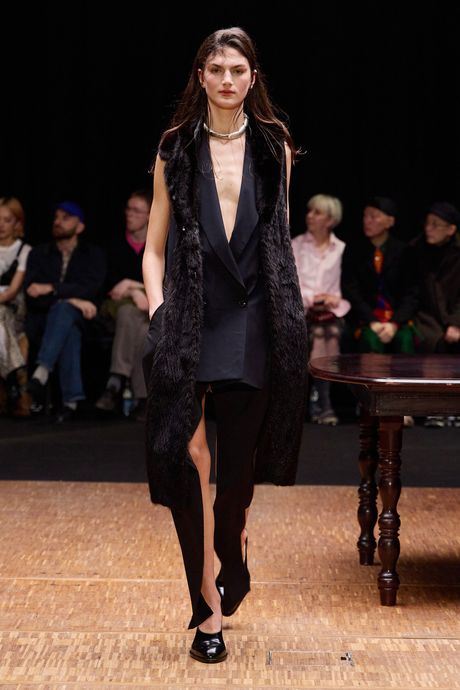
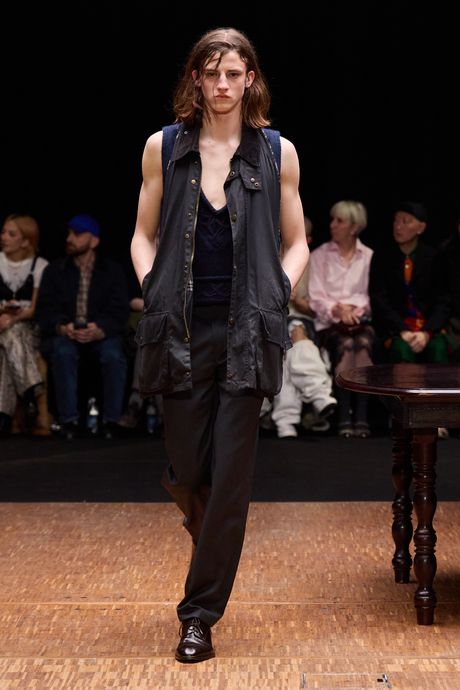
From left: Photo: Courtesy of HodakovaPhoto: Courtesy of Hodakova
From top: Photo: Courtesy of HodakovaPhoto: Courtesy of Hodakova
And Stephanie Danan put on a good show for Co, a brand she co-founded about 15 years ago in Los Angeles, which is now designed in Paris. In monochromatic shades of gray, navy (for a lovely popover top in suede with a matching easy skirt) and putty beige, she offered a crisp silhouette without heaviness. Contrived she is not. More people should know about Co, in part for its quality and in part for its decent prices.
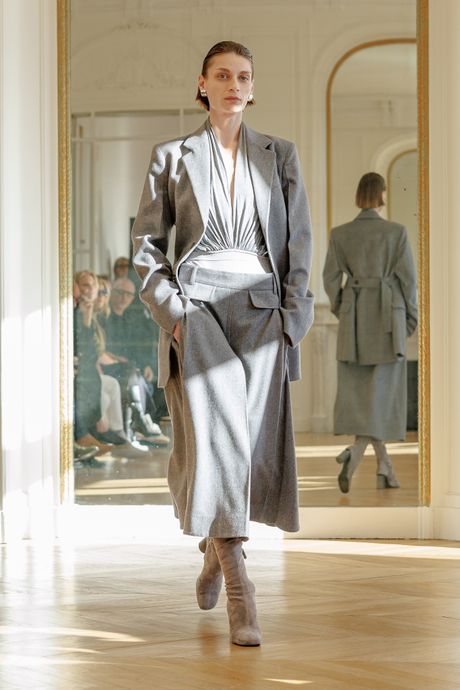
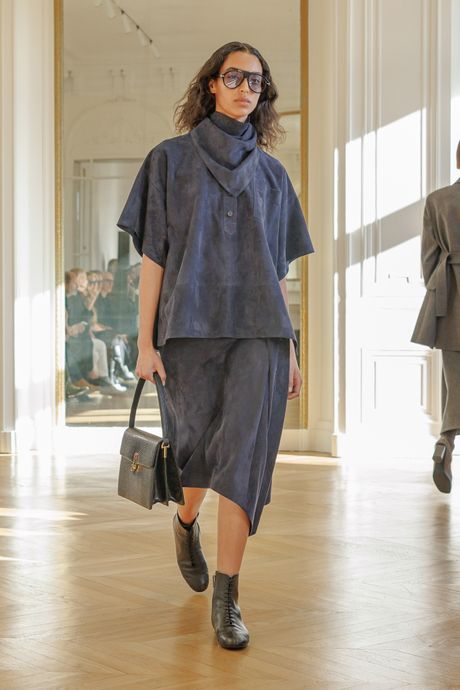
From left: Photo: Courtesy of CoPhoto: Courtesy of Co
From top: Photo: Courtesy of CoPhoto: Courtesy of Co
First Appeared on
Source link





Leave feedback about this