3 March 2026
Chicago 12, Melborne City, USA

Animal

Curiosity

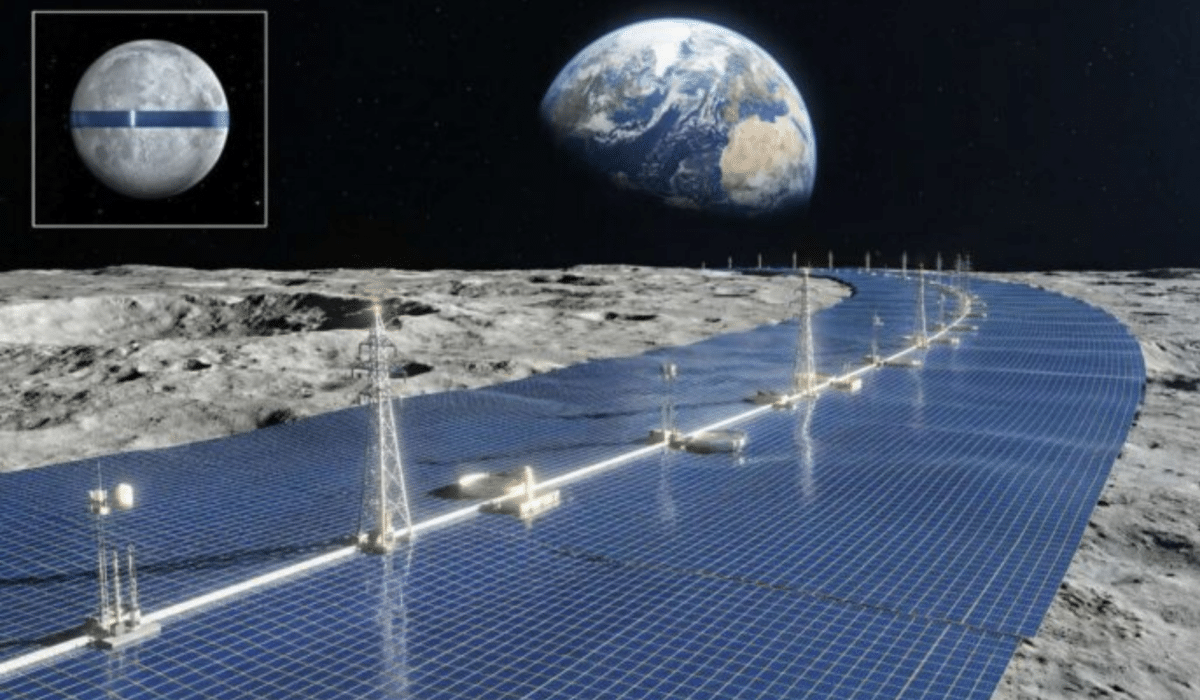
Japan Plans to Create a Solar Ring Around the Moon to Power Earth for Eternity

In an era where clean, renewable energy sources are more essential than ever, Shimizu Corporation, a prominent Japanese company, has proposed a revolutionary concept: harnessing the Moon’s vast energy potential. According Shimizu Corporation, this idea could transform the way humanity generates and consumes energy. Known as the Luna Ring, this concept envisions creating a 250-mile-wide

Read More
Curiosity

Houston, We Have a Problem

The rocket and spacecraft for the Artemis II mission on January 30, 2026. (Photo by Miguel J. Rodriguez Carrillo / AFP via Getty Images.) Over at American Purpose, we are publishing an ongoing series called “The ‘Deep State’ and Its Discontents.” Today, we decided to share the latest installment with all Persuasion readers! To make

Read More
Curiosity

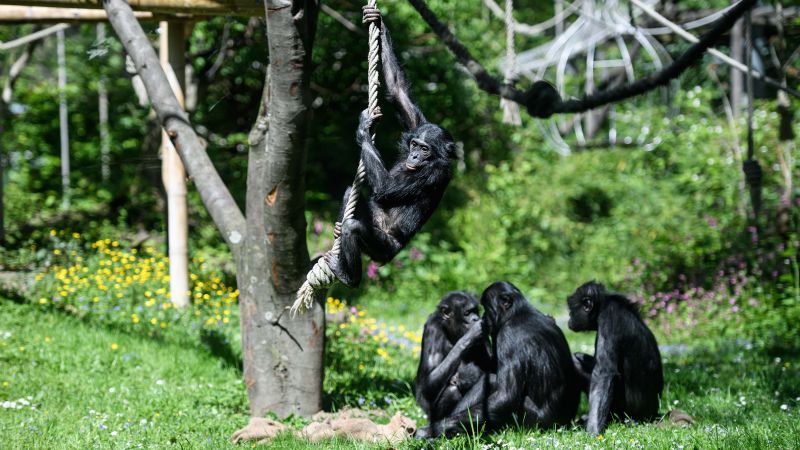
Bonobos are capable of pretend play, just like human children

Children love to play pretend, holding imaginary tea parties, educating classrooms of teddies or running their own grocery stores. Now, a new study suggests that such make-believe play is not a uniquely human talent, but a skill that great apes also possess. The evidence for this comes from a bonobo named Kanzi, who took part

Read More
Curiosity

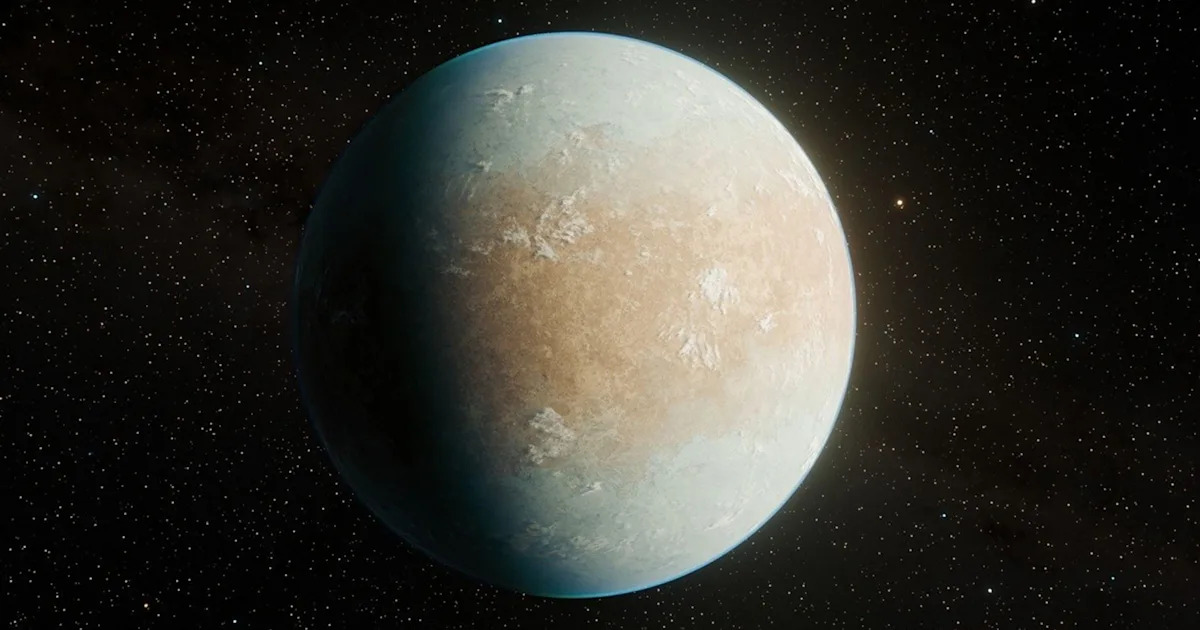
NASA Telescope Discovers Nearby Planet With Deep Similarities to Earth

Astronomers have discovered what appears to be an exoplanet that could be a distant Earthly paradise. Or it could be a frigid realm even chillier than Mars, incapable of supporting life. The margins are very fine when studying planets outside our solar system. But this new candidate planet, dubbed HD 137010 b, is an especially

Read More
Curiosity

Dramatic death of Comet C/2025 K1 (ATLAS) caught on camera — Space photo of the week

QUICK FACTS What it is: Comet C/2025 K1 (ATLAS) Where it is: 220 million miles away, in the constellation Pisces When it was shared: Jan. 28, 2026 Just as the mythological Icarus melted his feathers and wax wings when he flew too close to the sun, comets often suffer the consequences of orbiting too close

Read More
Curiosity

Stephen Hawking, scientist: “Quiet and silent people are the ones who have the strongest and loudest minds”

Stephen William Hawking was a British theoretical physicist and cosmologist. Born on January 8, 1942 in Oxford, Hawking is considered one of the most influential scientists of the second half of the 20th century due to his contributions to fundamental physics and cosmology. Hawking completed his undergraduate studies at University College, Oxford, where he earned

Read More
Curiosity

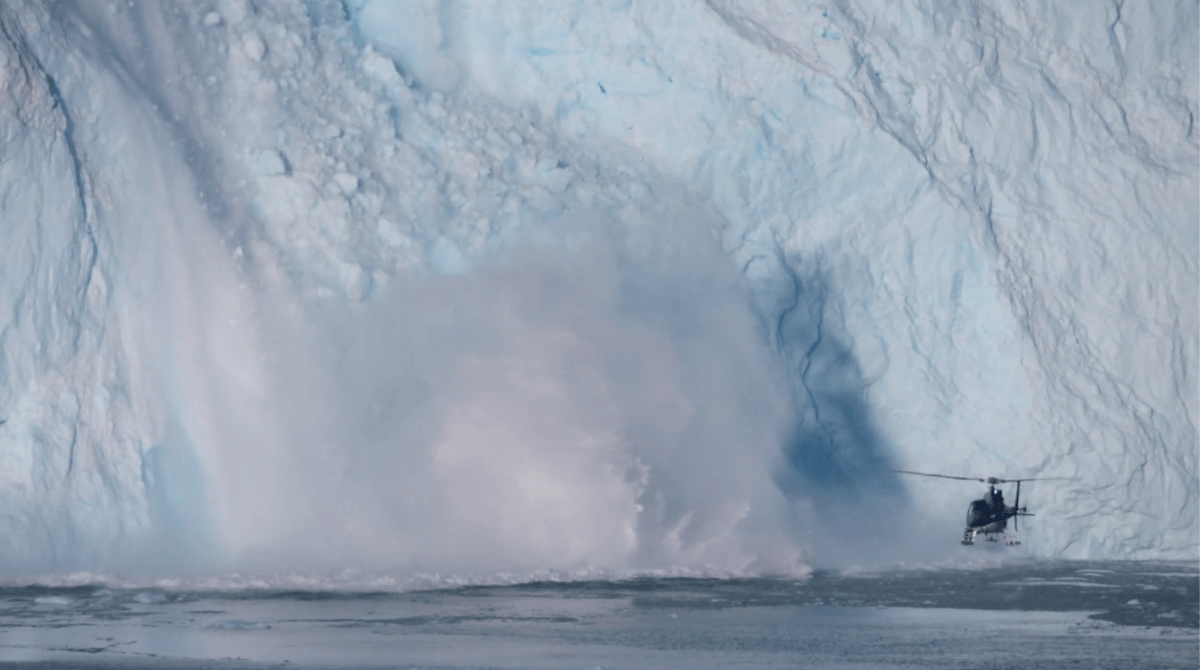
“A flying block of ice the size of a truck nearly knocked our helicopter out of the air” – A stark reminder of the colossal power of nature

The Store Glacier in Western Greenland is one of the fastest moving glaciers in the world. When I say fast, I mean fast for a glacier. Store can move up to 20m per day.  Back in 2016, I visited Store as part of a documentary crew hoping film a dramatic calving event – when enormous

Read More
Curiosity

Could We Be Wrong About How Life Began? New Scientific Findings Say Yes

A groundbreaking study from the University of Arizona is challenging the long-standing belief about the order in which the essential building blocks of life, amino acids, first appeared. New findings suggest that the widely accepted model for how these vital compounds emerged could be flawed, forcing scientists to reconsider the very foundation of life’s origins.

Read More
Curiosity

Scientists Say Heck, Just Nuke a Killer Asteroid Heading for Earth

Plenty of asteroids can survive their fiery plunge through the Earth’s atmosphere. If they’re big enough, they can prove incredibly destructive, like the 60-foot Chelyabinsk meteor that exploded over the southern Ural region in Russia in 2013, releasing a blast equivalent to 30 times the energy of the atomic bomb that was dropped on Hiroshima.

Read More
Curiosity

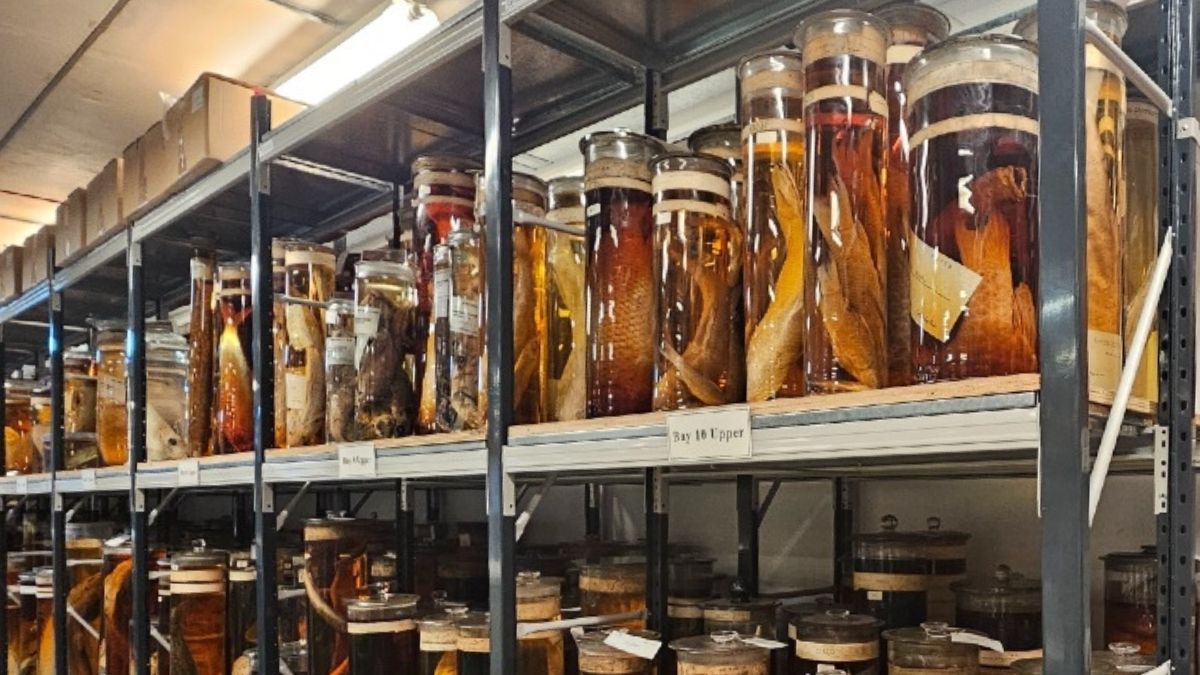
Scientists Fired Lasers at Charles Darwin’s Priceless Specimens. Here’s Why. : ScienceAlert

Rows of preserved specimen jars from Charles Darwin’s iconic Galapagos voyage have sat, unopened, in the archives of London’s Natural History Museum (NHM) for 200 years. Now, lasers have given us an unprecedented look inside. Darwin himself is known for penning the now widely-accepted theory of natural selection and evolution, founded in part upon his

Read More