4 March 2026
Chicago 12, Melborne City, USA

Animal

Curiosity

Scientists Continue to Trace the Origin of the Mysterious “Amaterasu” Cosmic Ray Particle

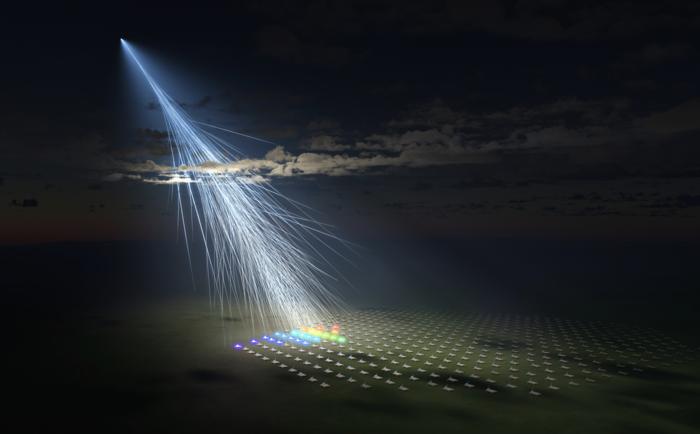
Cosmic rays, or astroparticles, are a means through which astronomers can explore the Universe. These charged particles, which are mostly protons and the nuclei of atoms stripped of their electrons, travel through space at close to the speed of light. By tracing them back to their sources, scientists can learn more about the forces that
Read More
Curiosity

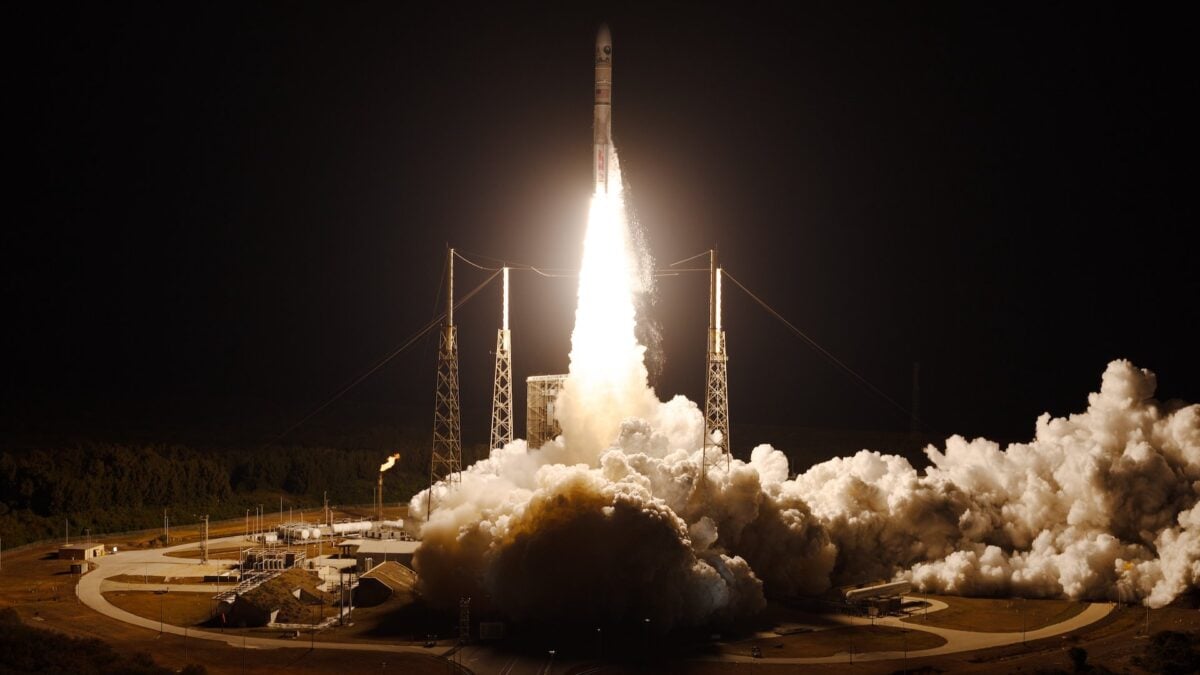
Vulcan Centaur reaches orbit after booster anomaly • The Register

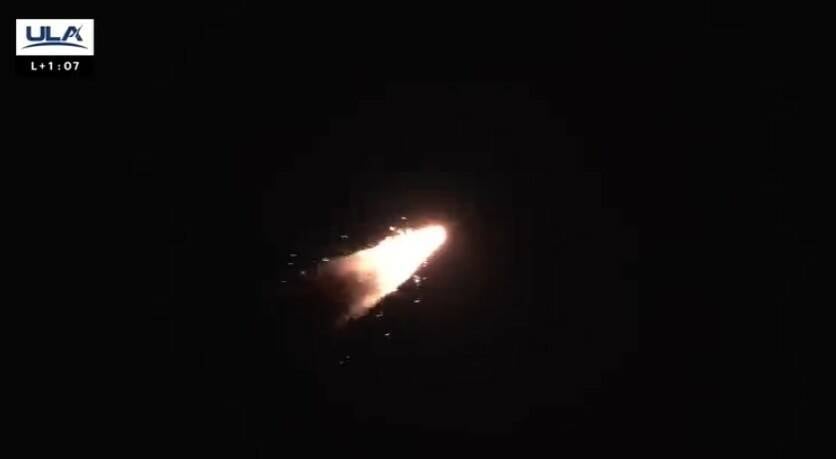
United Launch Alliance’s Vulcan Centaur reached orbit on February 12 despite “a significant performance anomaly” that saw one of its four solid rocket boosters burn through its nozzle during ascent. Viewers of the launch from Cape Canaveral at 0422 EST (0922 UTC) were treated to some impressive fireworks as the part detached in a shower

Read More
Curiosity

SpaceX Crew-12 mission latest news: It’s docking day for Dragon astronauts

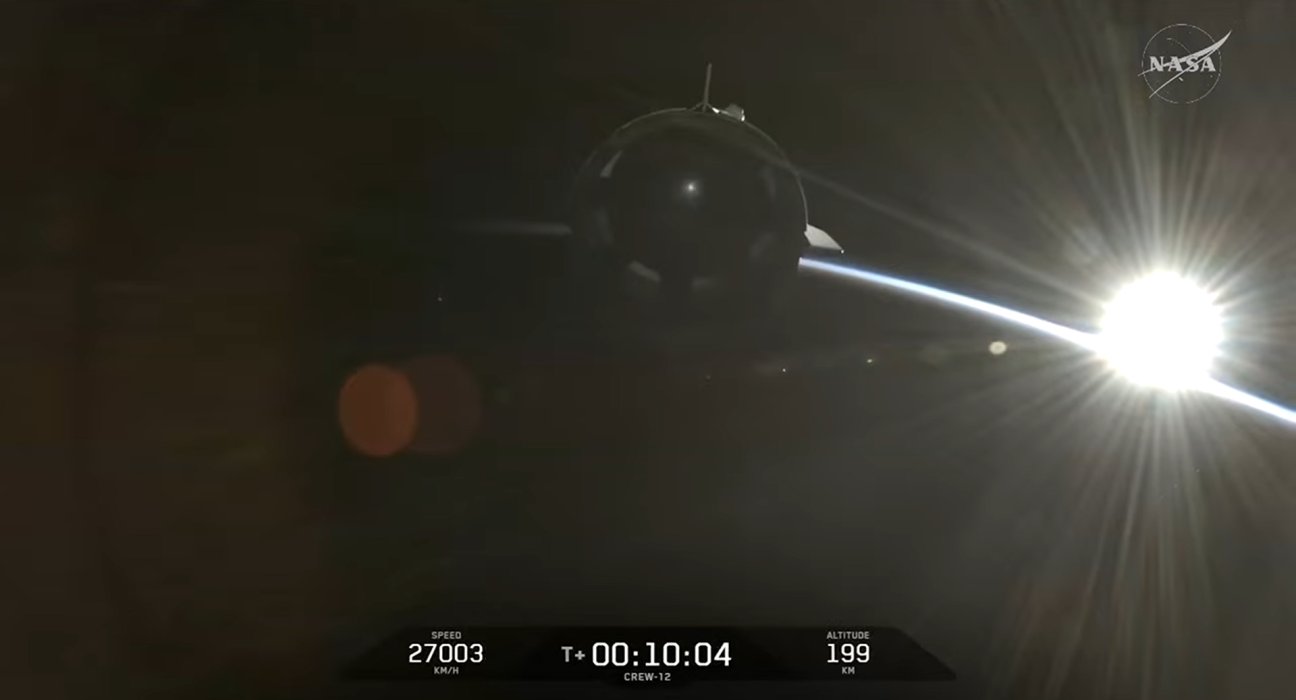
Refresh 2026-02-14T12:21:03.073Z A Valentine’s Day docking dawns (Image credit: SpaceX/NASA) Good morning, Space Fans! Welcome to docking day for NASA’s Crew-12 astronauts, and it will be a match made in the stars as the SpaceX Dragon capsule carrying the four astronauts arrives at the International Space Station later today just in time for Valentine’s Day.

Read More
Curiosity

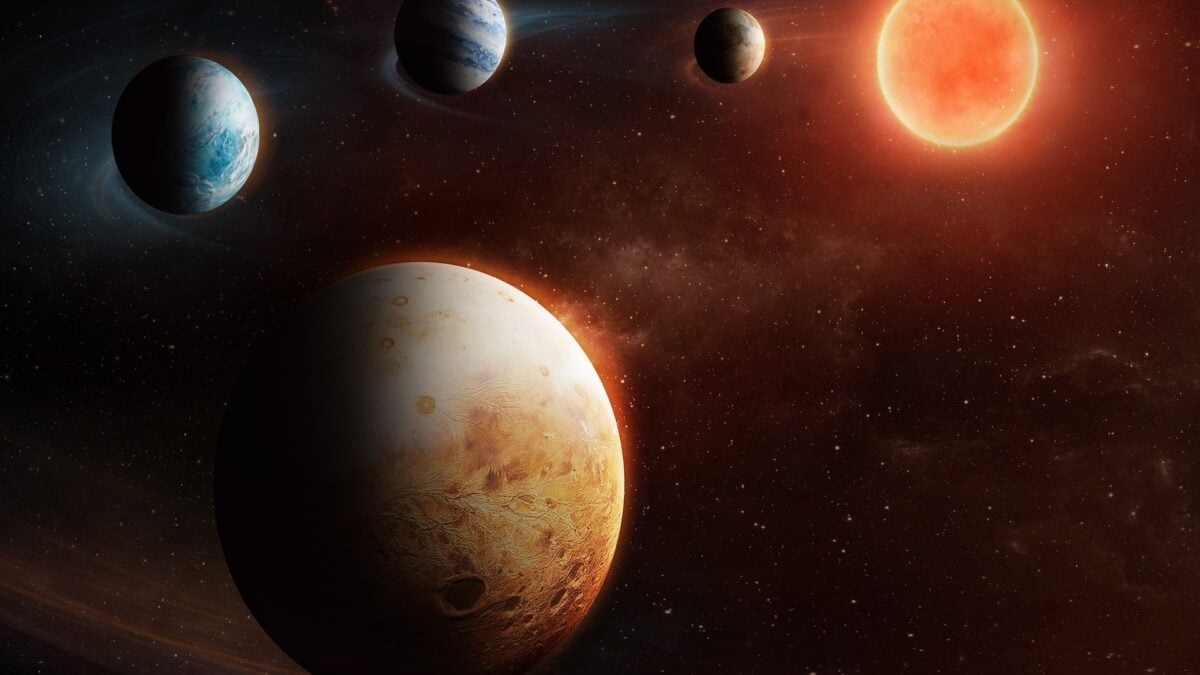
This Bizarre Star System Is Inside Out, and Astronomers Aren’t Sure How

Astronomers have discovered a star system that’s out of order, with a late bloomer planet that may have sprung up at a different time than its neighbors. The discovery defies the norms of planet formation across the cosmos, raising questions over how this weird rocky world broke a familiar pattern. The inner planets of our

Read More
Curiosity

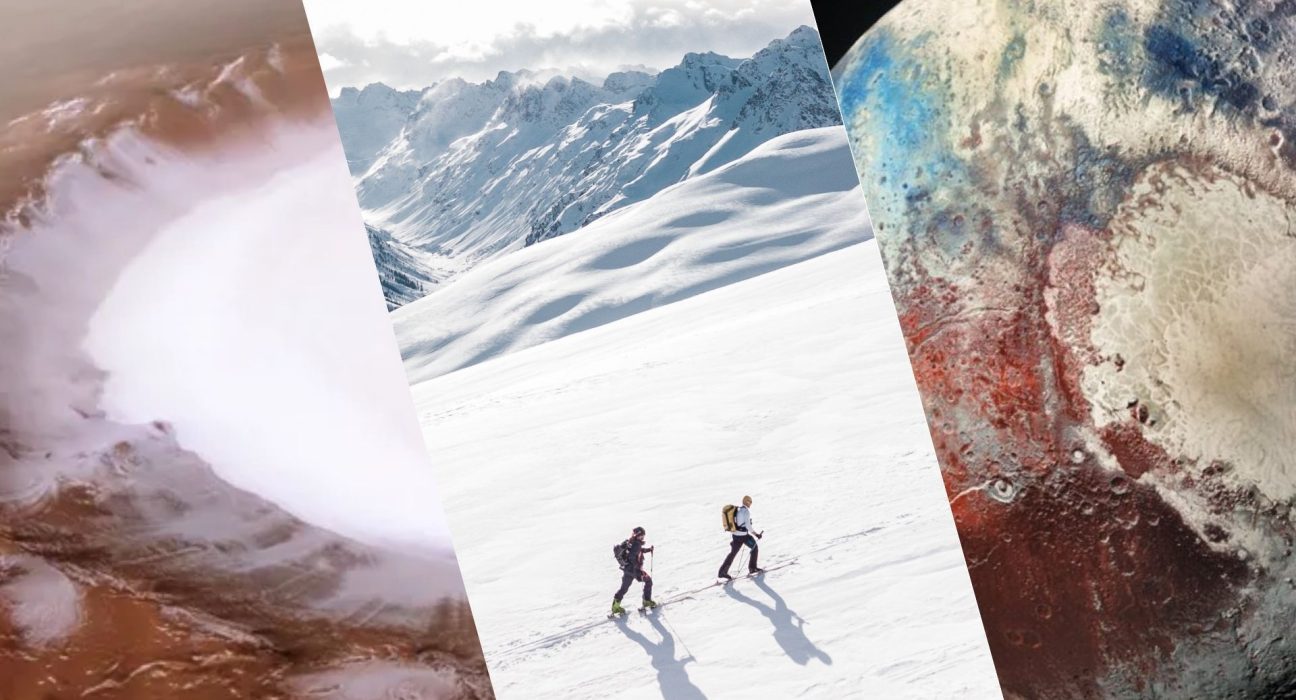
If the Winter Olympics went interplanetary, where else could you ski in the solar system?

Every winter, skiers chase smooth carving turns, reliable snow and that dream run. As the Milano Cortina Winter Olympics 2026 unfold on Earth, it raises a fun question: if the Games ever leave our planet, where else in the solar system could you actually ski? Skiing is surprisingly picky about physics. Snow, gravity and temperature

Read More
Curiosity

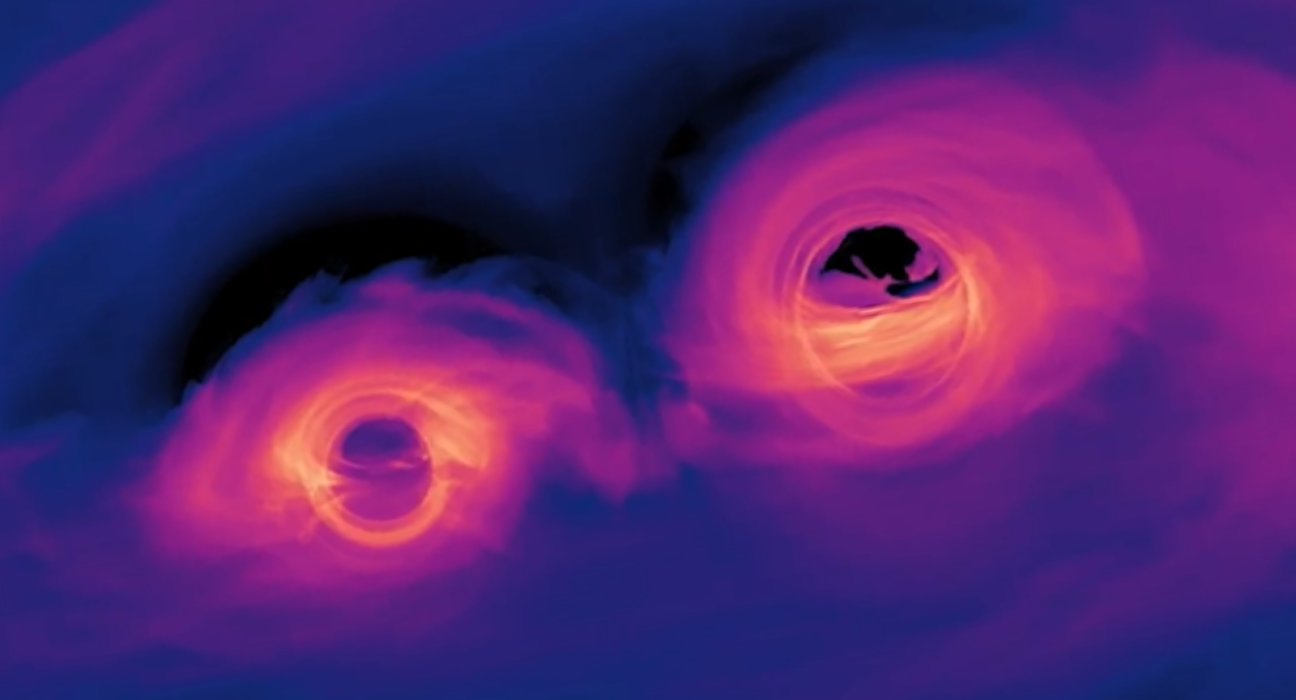
‘The beacons were lit!’ Scientists name merging supermassive black holes after ‘Lord of the Rings’ locations

When the beacons were lit in “The Lord of the Rings: The Return of the King,” the city of Gondor called to Rohan for aid, spelling doom for Sauron and his legions. However, when the beacons of supermassive black hole systems named for these locations in J.R.R. Tolkien’s “Lord of the Rings” novels were lit

Read More
Curiosity

ULA’s Vulcan Rocket Suffers Familiar Anomaly During Launch of US Military Satellites

A United Launch Alliance (ULA) rocket had a bumpy ride delivering its national security payload to geosynchronous orbit, releasing a cloud of debris reminiscent of an anomaly that tainted an earlier launch by the same vehicle. ULA launched its Vulcan Centaur rocket on Thursday at 4:22 a.m. ET from Cape Canaveral Space Force Station in

Read More
Curiosity

Scientists Discover Hidden Giant Beneath Antarctica’s Ice: A 175-Million-Year-Old Geological Revelation

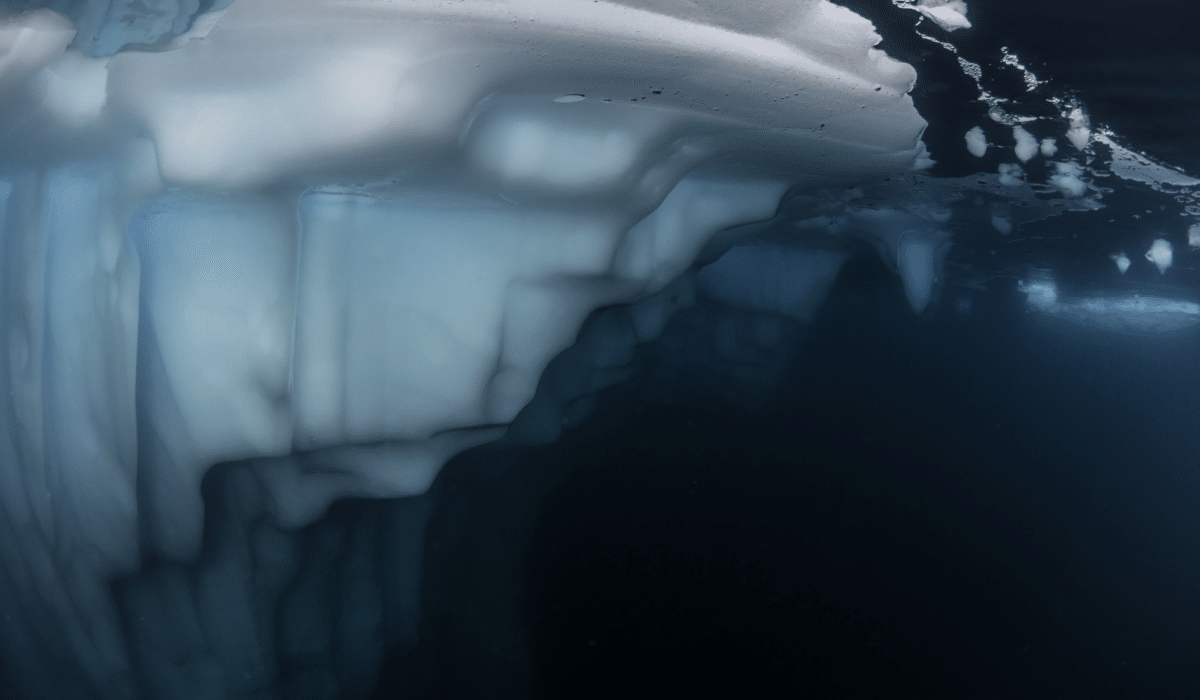
Beneath the vast, frozen expanse of Antarctica lies a hidden mystery that has puzzled scientists for decades. In a recent study published in Communications Earth & Environment, researchers uncovered an unexpected clue, pink granite boulders scattered across the Hudson Mountains, that led to a remarkable discovery deep below the Pine Island Glacier. The Discovery of

Read More
Curiosity

Record-breaking gravitational wave puts Einstein’s relativity to its toughest test yet — and proves him right again

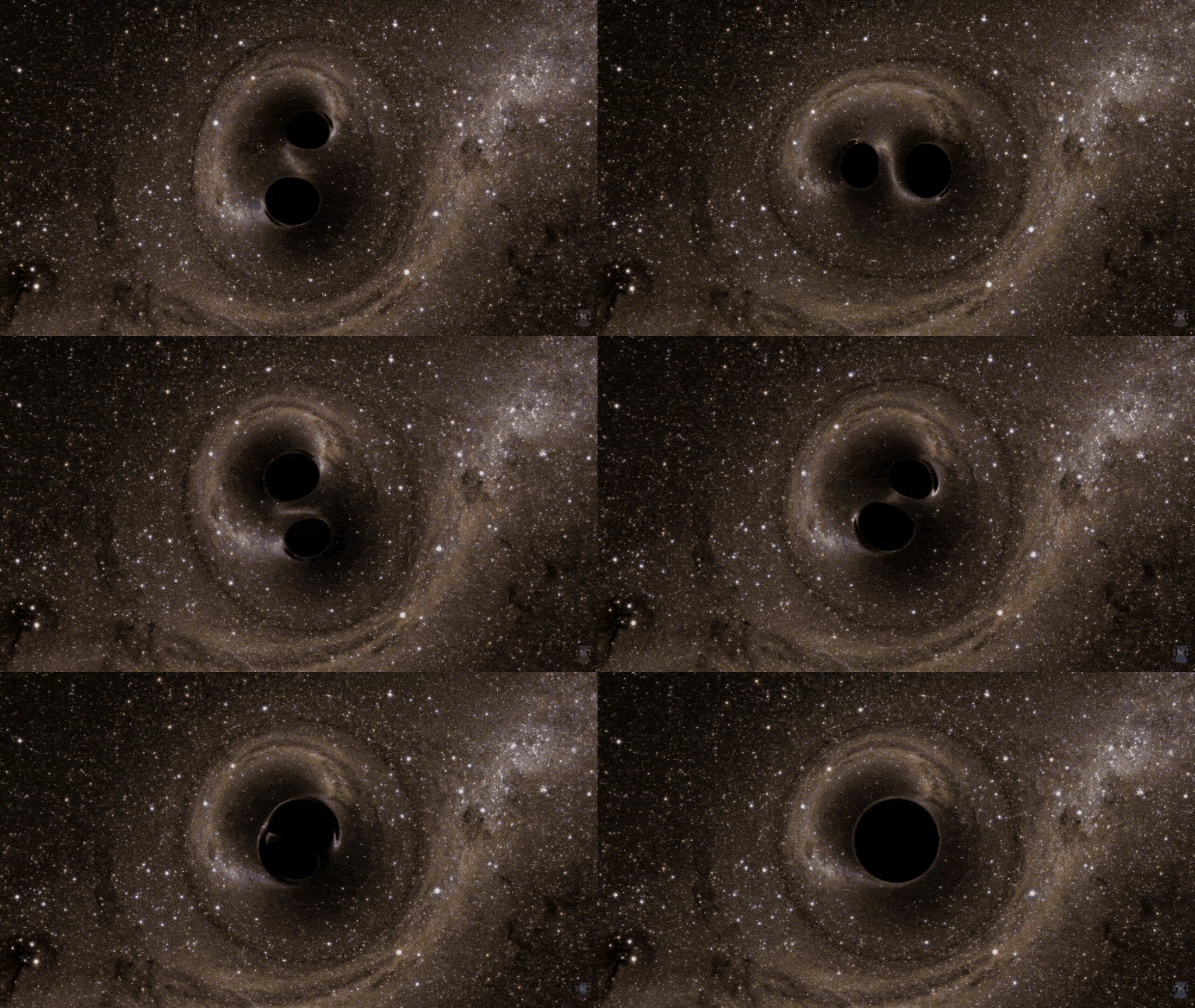
When you buy through links on our articles, Future and its syndication partners may earn a commission. An animation of two black holes merging into one. In a new study, scientists used the clearest gravitational-wave signal ever detected to “listen” to a distant black hole merger and put Einstein’s gravity to its toughest test yet.

Read More
Curiosity

Voyager: How Nasa still talks to spacecraft that has left Solar System forever

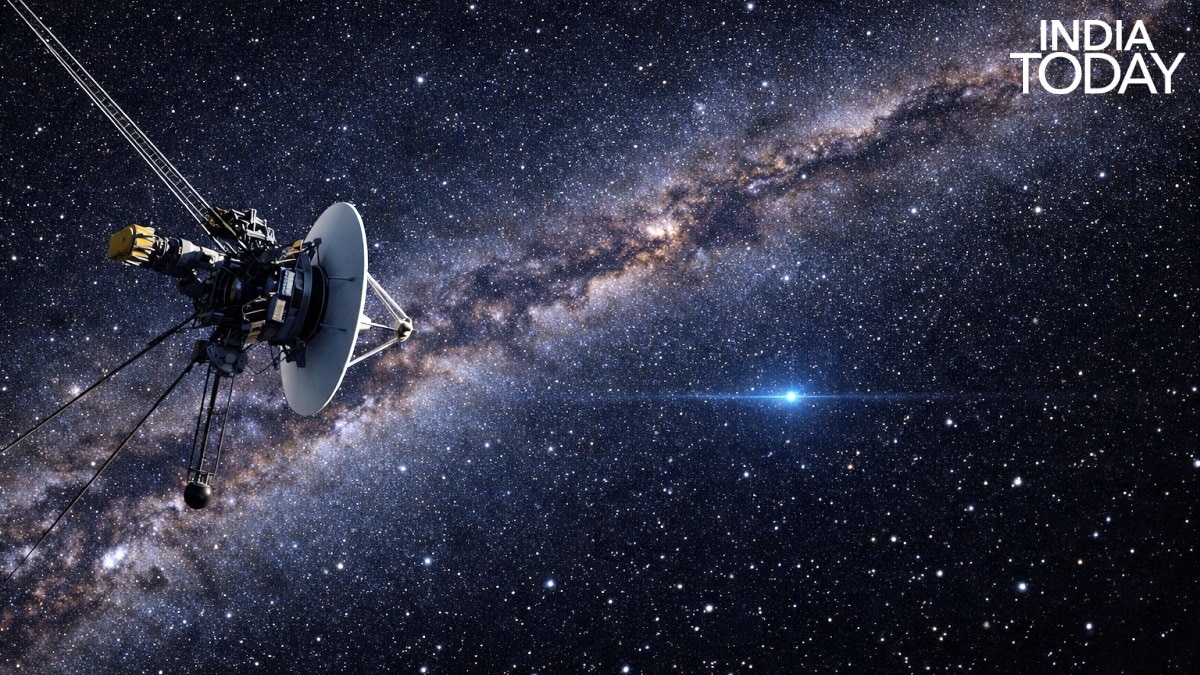
When Voyager 1 launched in 1977, its primary mission was a four-year sprint to Saturn. Today, nearly five decades later, this 825 kg explorer is still talking to us from the cold expanse of interstellar space, the region where our Sun’s influence ends. How does a machine built with the computing power of a digital

Read More