4 March 2026
Chicago 12, Melborne City, USA

Animal

Curiosity

The Galaxy Cluster That Grew Up Too Fast

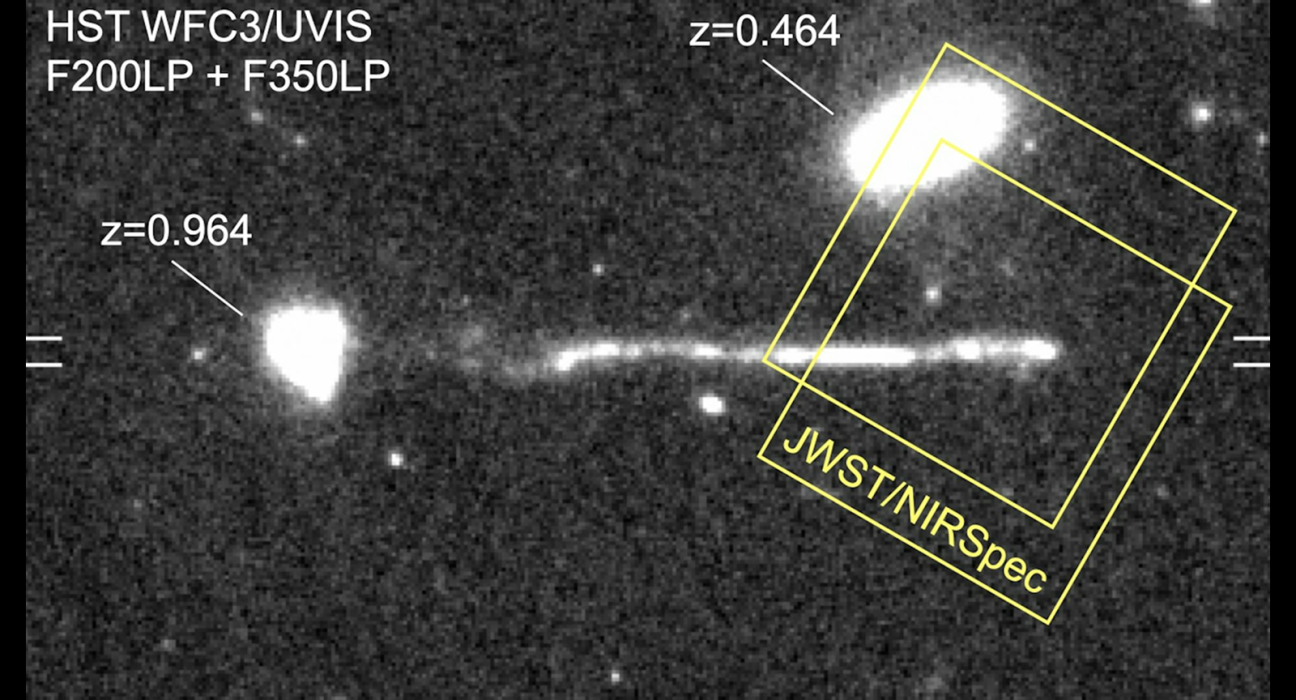
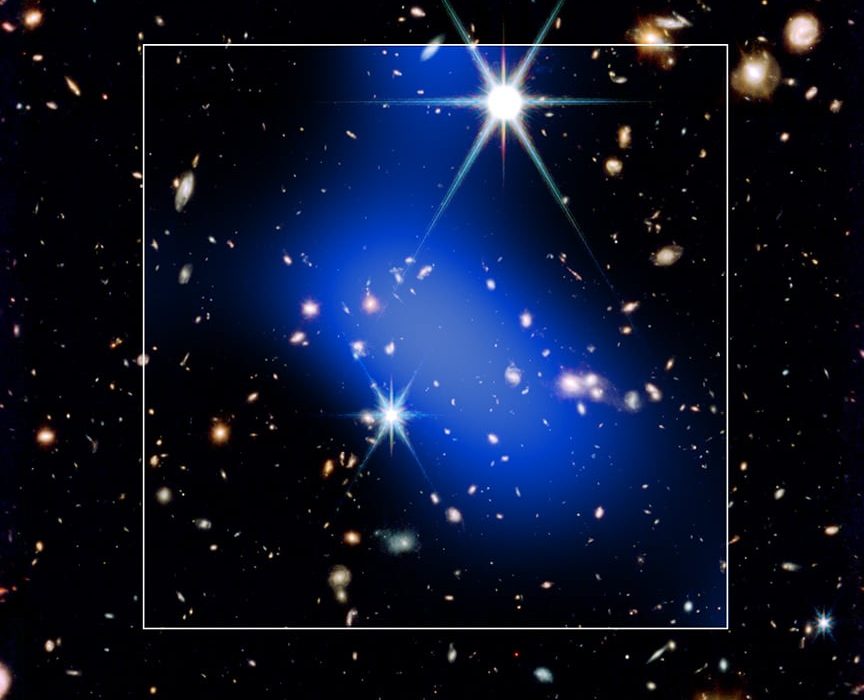
The universe was supposed to take its time building the largest structures in existence. Galaxy clusters, containing hundreds or thousands of individual galaxies bound together by gravity and immersed in enormous pools of superheated gas, should require billions of years to assemble. Standard models predict these monsters couldn’t possibly form in the universe’s early childhood.
Read More
Curiosity

Mars Molecules, a Cholesterol-Cutting Compound, And More! : ScienceAlert

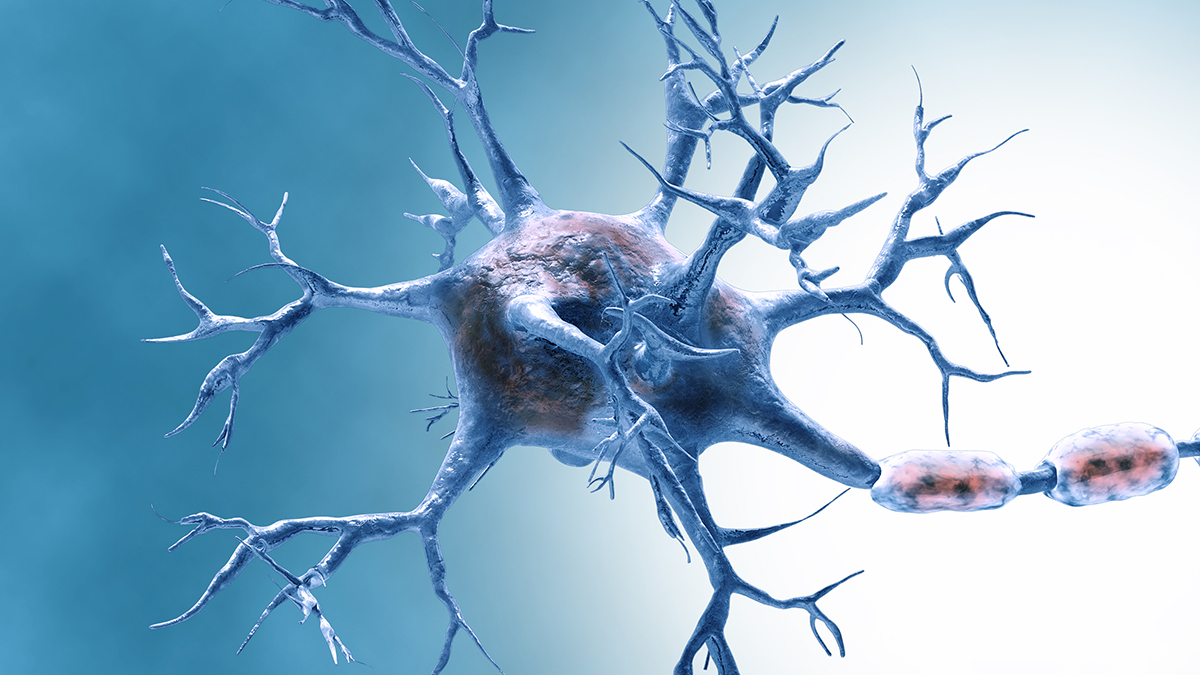
This week in science: Mysterious molecules on Mars are tricky to explain without life; a compound that cuts cholesterol as a daily oral pill; an experimental new treatment for sleep apnea has a 93 percent success rate; and much more! Memory Loss in Alzheimer’s Linked to Problems With The Brain’s ‘Replay Mode’ (Sean Gladwell/Getty Images/vasabii/Canva)

Read More
Curiosity

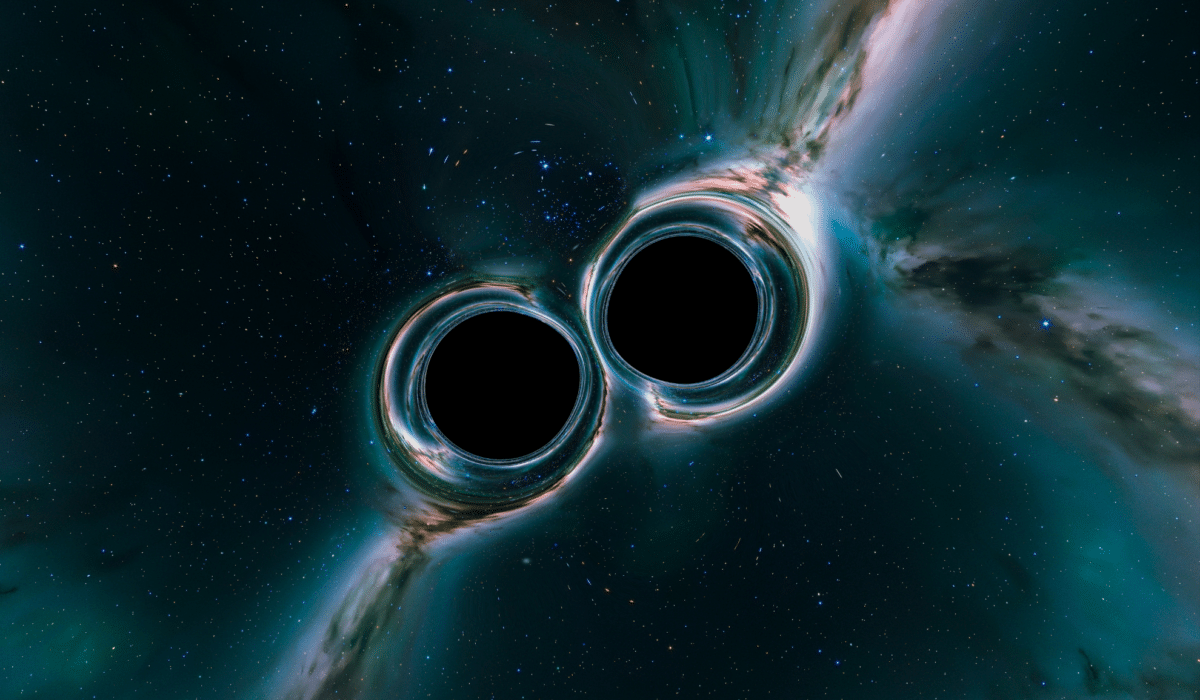
Loudest Gravitational Wave Ever Recorded Reinforces Einstein’s 100-Year-Old Predictions

Scientists have used the loudest gravitational wave signal ever recorded to put Albert Einstein’s century-old theory of general relativity to its toughest test yet. This extraordinary signal, known as GW250114, emanated from the merger of two black holes approximately 1.3 billion light-years away from Earth. The clarity of the signal, roughly three times clearer than

Read More
Curiosity

‘Runaway’ black hole detected by the James Webb telescope adds a strange new chapter to our universe’s story

Last year, astronomers were fascinated by a runaway comet passing through our solar system from somewhere far beyond. It was moving at around 68 kilometres per second, just over double Earth’s speed around the Sun. Imagine if it had been something much bigger and faster: a black hole travelling at more like 3,000 km per

Read More
Curiosity

SpaceX to launch 600th Falcon 9 rocket to date with Starlink flight from Vandenberg – Spaceflight Now

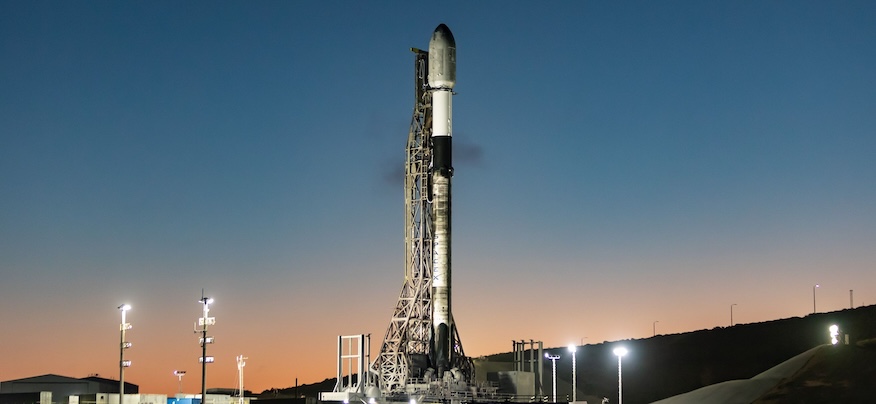
File – SpaceX’s Falcon 9 rocket stands in the vertical launch position at Space Launch Complex 4 East at Vandenberg Space Force Base ahead of the launch of the Starlink 17-5 mission on Aug. 18, 2025. This was the ninth flight for Falcon 9 booster, tail number B1088. Image: SpaceX Update Feb. 14, 8 p.m.

Read More
Curiosity

In a first, study links maternal genes to risk of pregnancy loss

A new study is the first to identify genetic variants linked with chromosomal abnormalities that can lead to pregnancy loss. About half of pregnancy losses in the first trimester are caused by aneuploidy, a condition in which cells have an abnormal number of chromosomes. Studies show that aneuploidy is much more common in egg cells

Read More
Curiosity

Earth on Track to Become Uninhabitable, Scientists Say

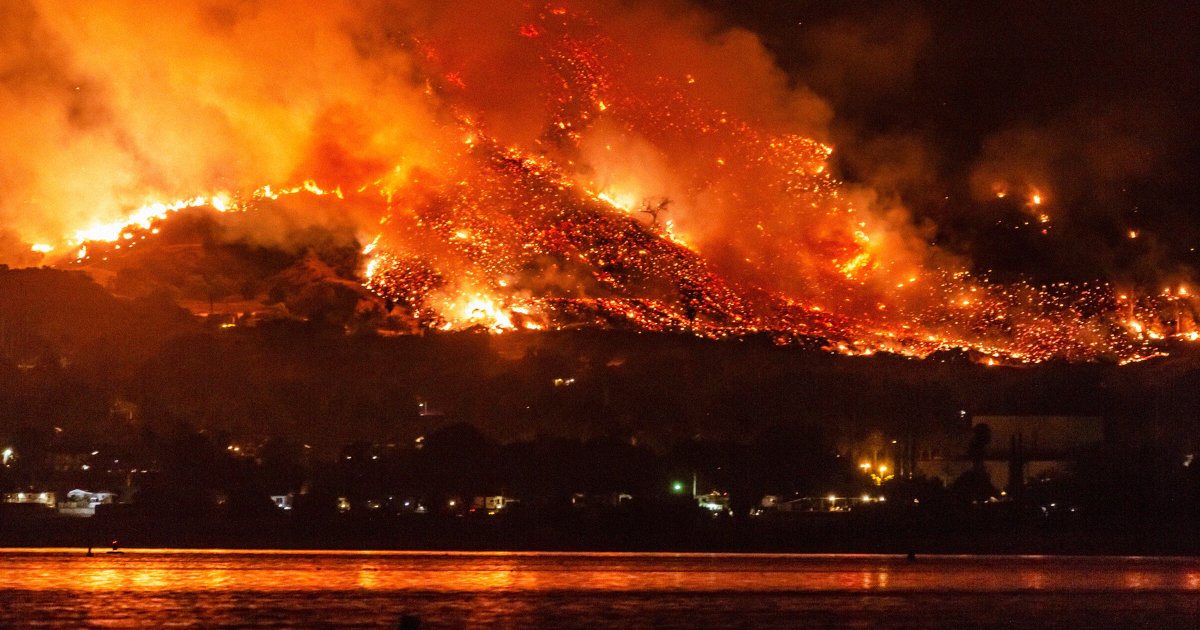
Surprise, surprise: all that climate stuff scientists have been warning us about is coming back to bite us. And by us, of course, we mean all of humanity. As reported by the Guardian, scientists just published a warning that Earth is approaching a point of no return. A new study in the journal One Earth

Read More
Curiosity

‘Untouched for 49 million years’

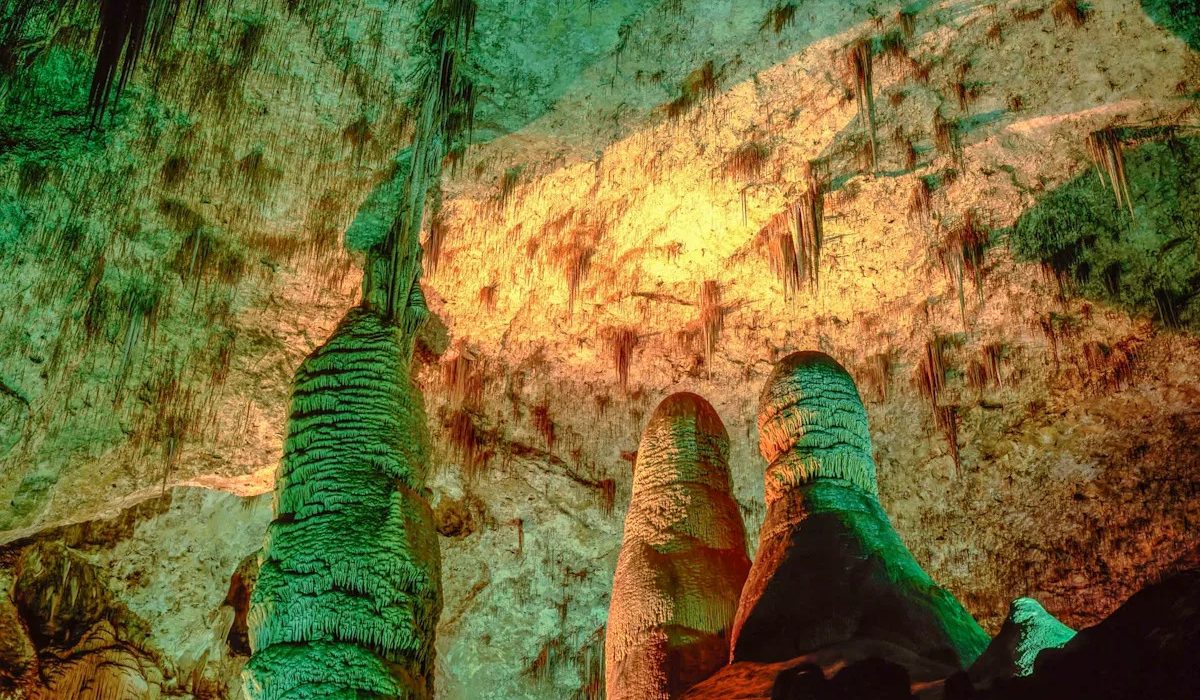
Microbes surviving without any light in a New Mexico cave system are photosynthesizing using invisible light, the BBC reported. Hazel Barton, a professor of geological sciences at the University of Alabama, and Lars Behrendt, a microbial biologist at Uppsala University, explored the Carlsbad Caverns together in 2018. Deep inside an alcove far from the public

Read More
Curiosity

Four astronauts arrive at space station after prior crew’s early departure

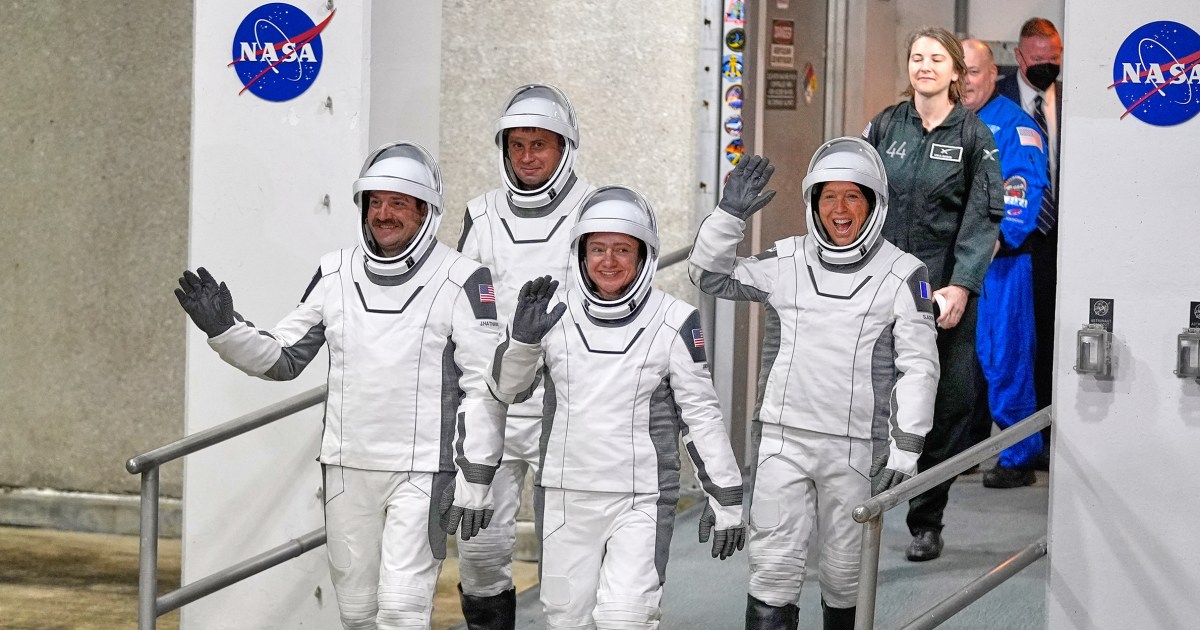
Four new crew members, including two from the United States, received a warm welcome after arriving at the International Space Station on Saturday. The spacecraft carrying NASA astronauts Jessica Meir and Jack Hathaway, European Space Agency astronaut Sophie Adenot, and Russian cosmonaut Andrey Fedyaev docked at 3:16 p.m. ET. “They all arrived safe and sound,

Read More
Curiosity

NASA has a new problem to fix before the next Artemis II countdown test

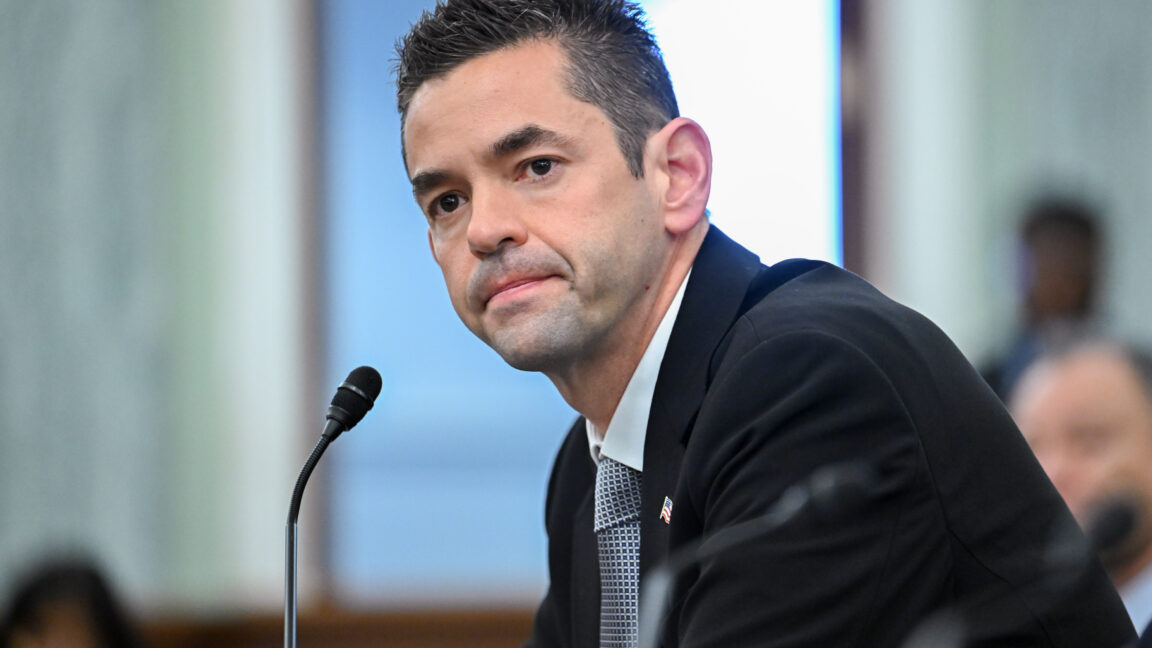
John Honeycutt, chair of NASA’s Artemis II mission management team, said the decision to relax the safety limit between Artemis I and Artemis II was grounded in test data. “The SLS program, they came up with a test campaign that actually looked at that cavity, the characteristics of the cavity, the purge in the cavity

Read More