2 March 2026
Chicago 12, Melborne City, USA

Animal

Curiosity

‘Pushing this competition’: SpaceX’s Starship might not fly on NASA’s newly revamped Artemis 3 mission

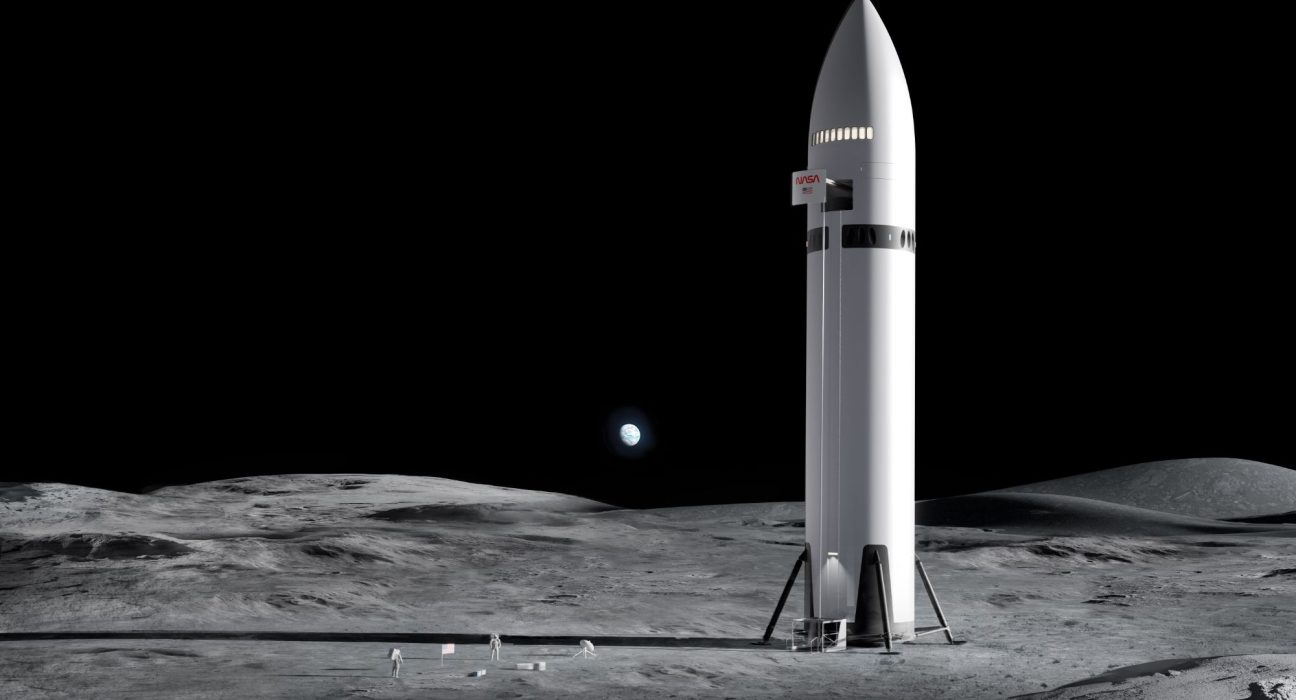
NASA’s Artemis 3 mission will no longer land astronauts on the moon — and it might not involve SpaceX’s Starship megarocket, either. On Friday (Feb. 27), the space agency announced that it’s revamping the architecture of its Artemis program of lunar exploration. One of the biggest changes involves Artemis 3, which was originally supposed to

Read More
Curiosity

See the ‘impossible’ as sunrise and a total lunar eclipse appear at the same time on March 3

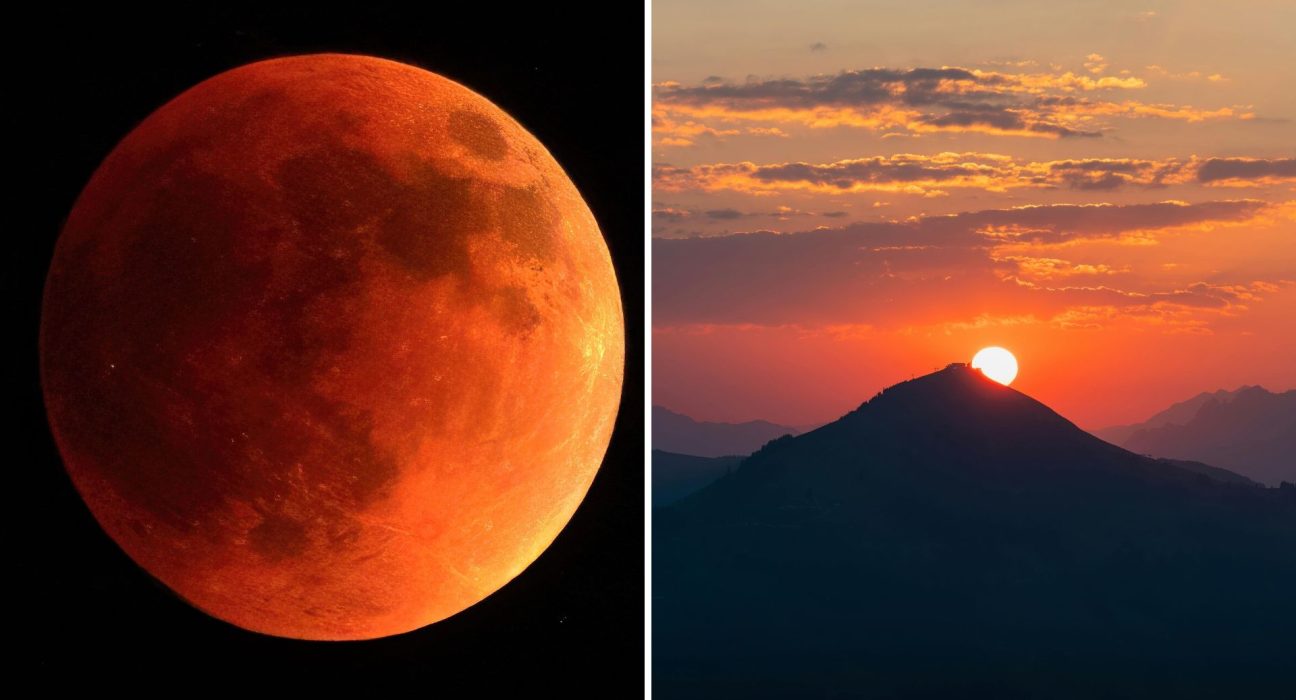
This year’s first lunar eclipse on Tuesday, March 3, offers a rare chance to see a strange celestial sight traditionally thought impossible: the rising sun and the eclipsed moon in the sky at the same time. Views of the total phase of this eclipse favor locations near and around the Pacific Rim. For North America,

Read More
Curiosity

DNA from 5,500-Year-Old Graves Solves Long-Standing Genetic Mystery

A new study published in Proceedings of the Royal Society B: Biological Sciences has uncovered fascinating details about the family relationships of an ancient hunter-gatherer community. Researchers analyzed DNA from remains found in a 5,500-year-old burial site on Gotland Island, Sweden. The findings challenge previous assumptions about the relationships between individuals buried together, offering fresh

Read More
Curiosity

The sex lives of Neanderthal males

Dating out of your league? New research says it’s a tale as old as time. A study out Thursday in Science argues that Neanderthal men and human women were particularly inclined to mate, a sexual habit that offers insight into the evolution of the modern human genome. In 2010 scientists reconstructed the Neanderthal genome —

Read More
Curiosity

NASA Safety Panel Warns of “High Risk” for Artemis III – SpacePolicyOnline.com

As NASA prepares to launch the Artemis II crew around the Moon in the very near future, the Aerospace Safety Advisory Panel (ASAP) is raising warning flags about the next flight in the queue, Artemis III. That’s the mission designed to land astronauts on the surface of the Moon for the first time since 1972,

Read More
Curiosity

Science history: Carbon-14 is discovered, opening a window into past civilizations — Feb. 27, 1940

Milestone: Carbon-14 discovered Date: Feb. 27, 1940 Where: Berkeley, California Who: Martin Kamen and Samuel Ruben On this day in 1940, two scientists discovered an elusive form of carbon — and inadvertently opened a window into lost civilizations. Since the mid-1930s, scientists had predicted the existence of a form of carbon with two extra neutrons

Read More
Curiosity

If Humans Vanish, Which Animal Will Become Earth’s Dominant Species? Scientists Say They Finally Know

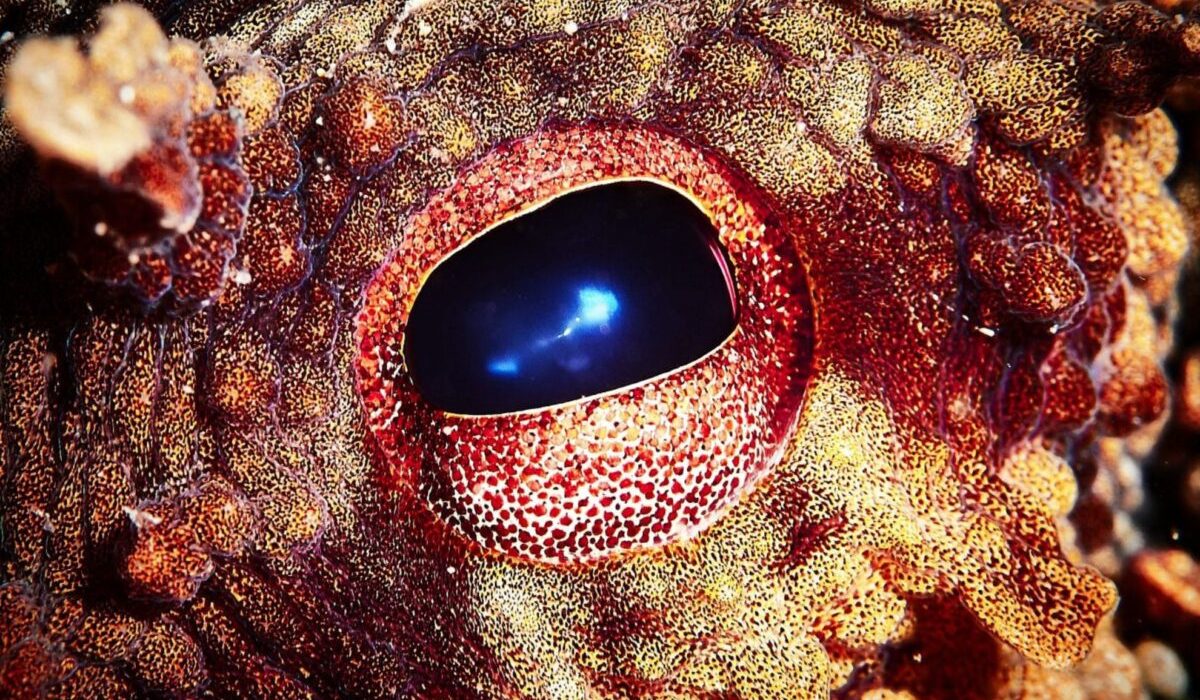
Imagine a planet with no humans. No cities, no roads, no satellites orbiting overhead. The forests have reclaimed the concrete. The oceans have quieted. And somewhere on the seafloor, something with eight arms and three hearts is getting smarter. It sounds like science fiction. But to Professor Tim Coulson, a biologist at the University of

Read More
Curiosity

Why This Antarctic Geoid Anomaly Has Researchers Rethinking the Planet

Researchers have uncovered intriguing insights into the Earth’s interior through the study of a subtle, continent-scale dip in the planet’s gravity field, known as the geoid. This anomaly, often referred to as a “gravity hole,” has a negligible effect on a person’s weight, someone weighing 198 pounds (90 kilograms) would be only about 5 to

Read More
Curiosity

NASA to send first Black, first female astronauts to moon

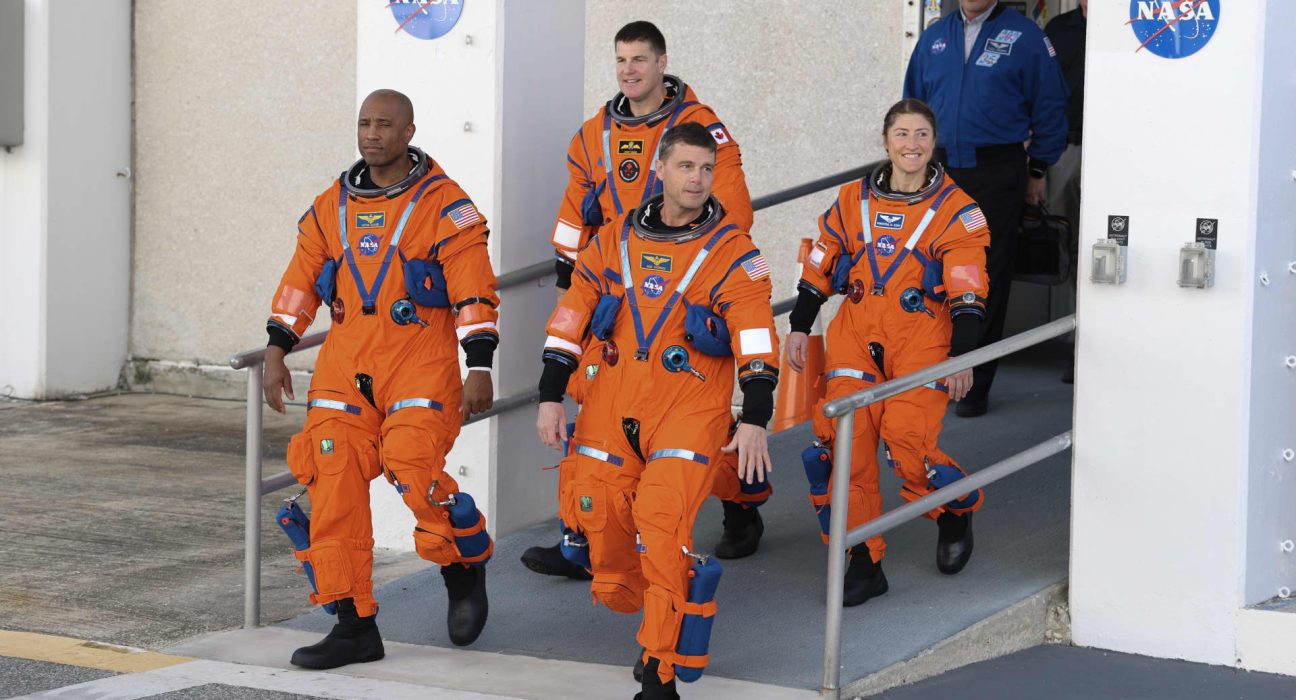
NASA is preparing to launch a mission to the moon — and it’s making history for more reasons than one. The space agency’s Artemis II launch marks the U.S.’s first journey back to the moon in more than 50 years. It will also carry the first Black astronaut and the first female astronaut to travel

Read More
Curiosity

A Meteorite Spent 19 Days with Microbes on the ISS. What They Extracted Surprised Researchers

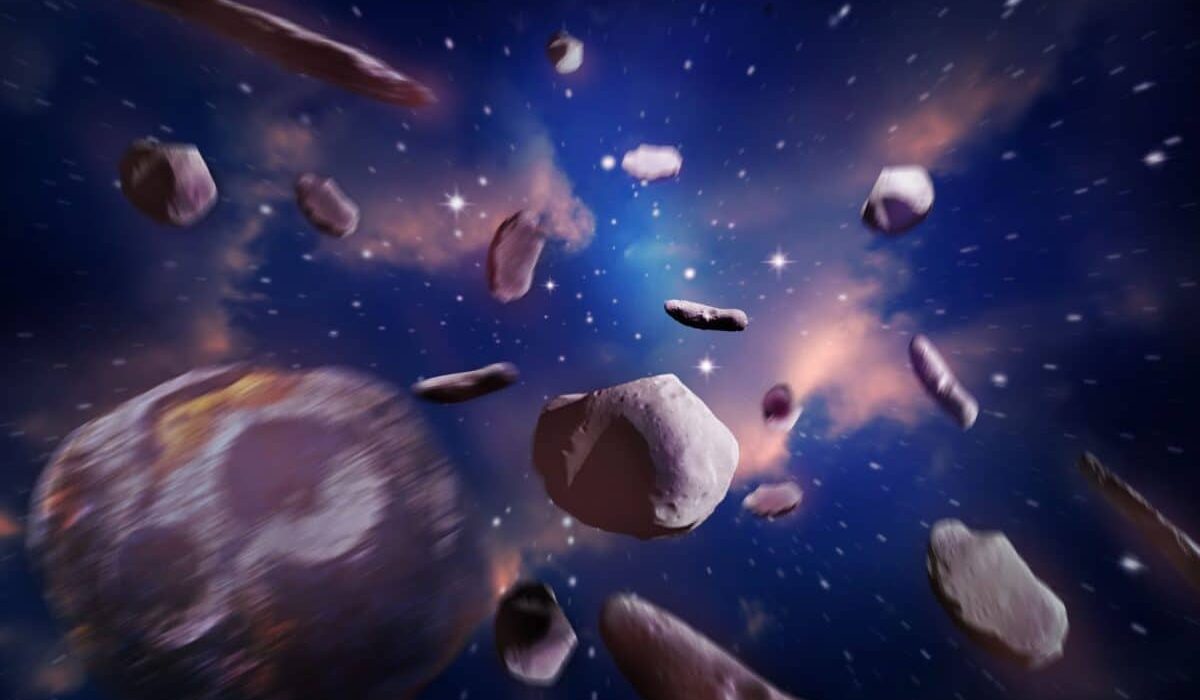
Asteroids and meteorites contain the raw materials needed for future space infrastructure, including rare and high-value metals. The challenge has always been finding efficient ways to extract those resources beyond Earth. Now, an experiment aboard the International Space Station suggests that tiny living organisms could help solve that problem. In a study published in npj

Read More