
4 March 2026
Chicago 12, Melborne City, USA

Animal

Curiosity

An ‘astonishingly’ large new dinosaur species has been discovered in the Sahara

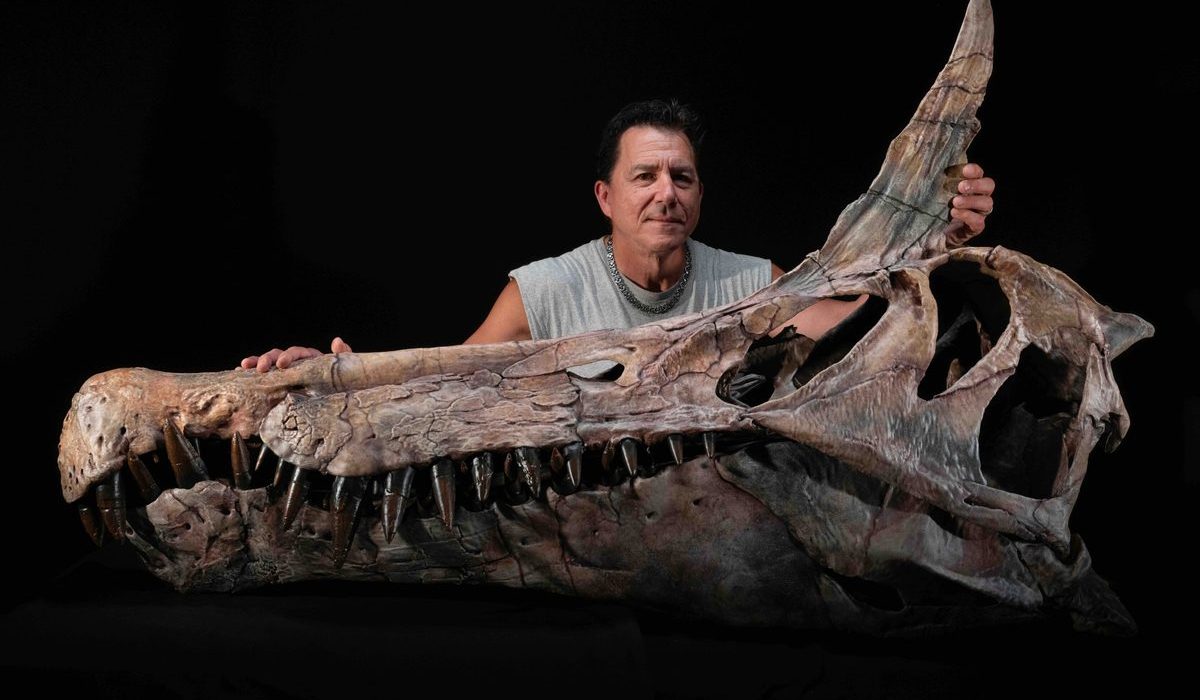
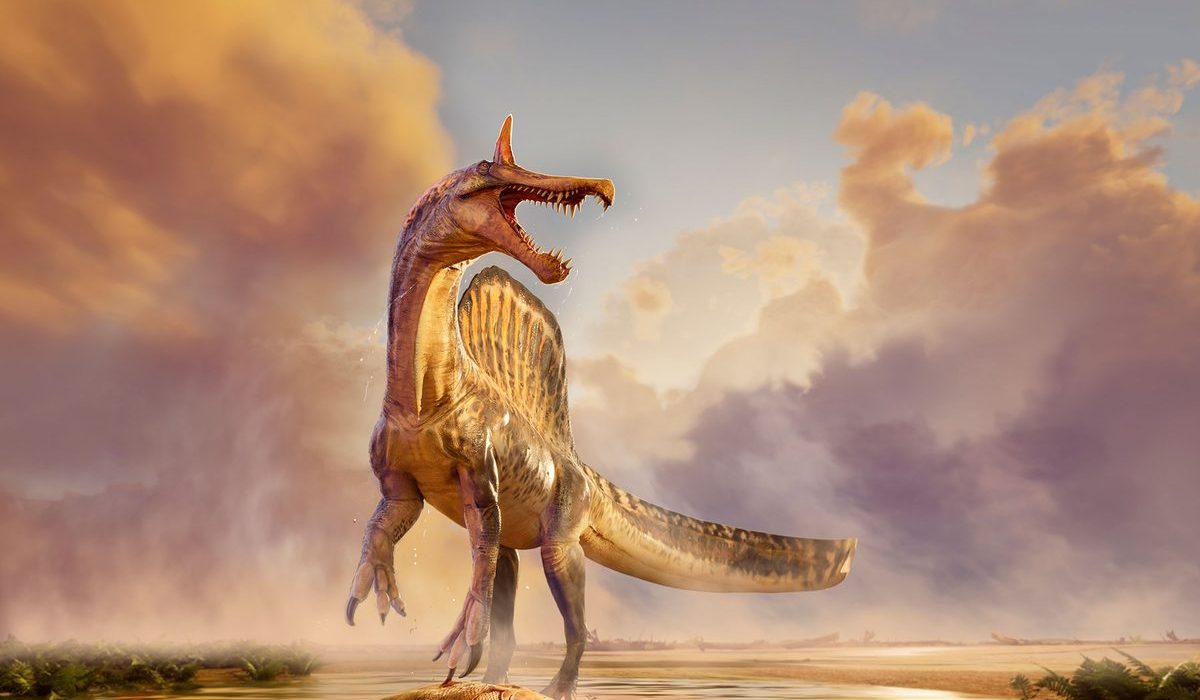
Palaeontologists have discovered a colossal new species of dinosaur in a remote part of the Sahara. Named Spinosaurus mirabilis – meaning ‘astonishing’ Spinosaurus in Latin – the giant lived in what is now Niger more than 95 million years ago, far from the coastal regions where similar fish-hunting dinosaurs are usually found. As long as
Read More
Curiosity

Hubble telescope discovers rare galaxy that is 99% dark matter

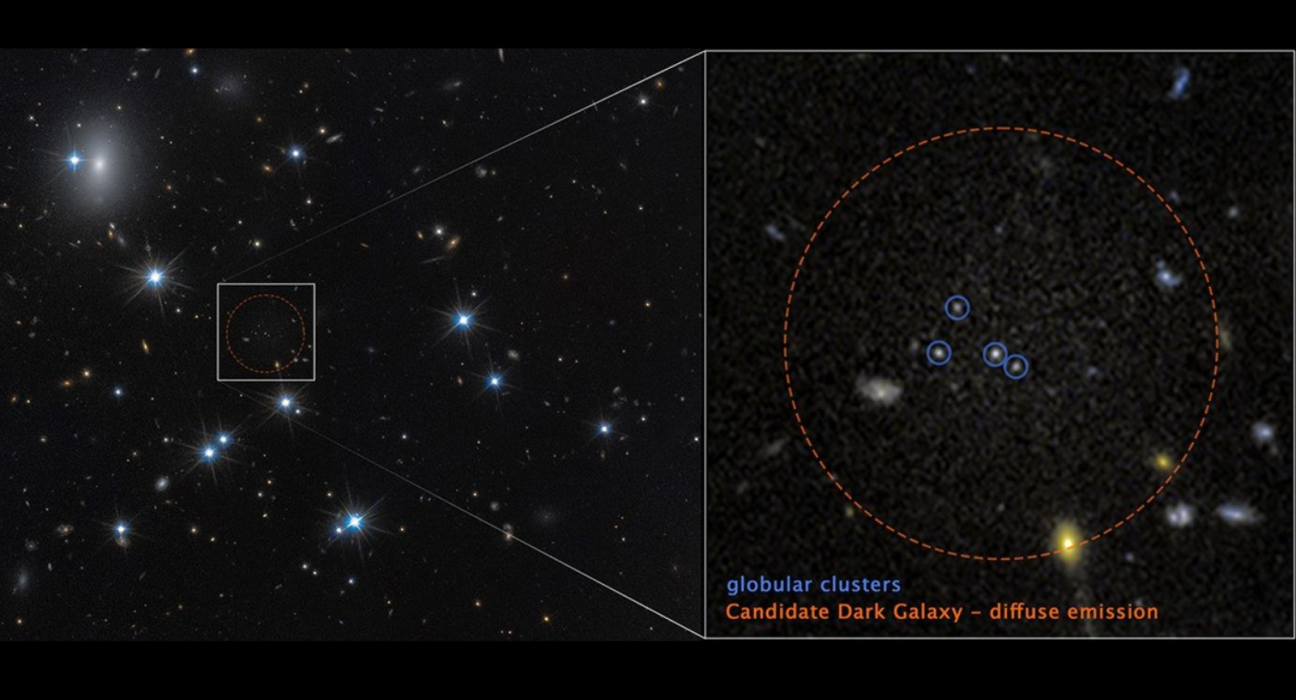
All galaxies are dominated by dark matter, an invisible “stuff” that outweighs all of the matter comprising stars, planets, and moons by around five to one. But in some galaxies, dark matter takes this domination to the extreme. Using the Hubble Space Telescope along with the Euclid Space Telescope, astronomers have discovered what seems to

Read More
Curiosity

NASA head slams Boeing and space agency for Starliner’s failure : NPR

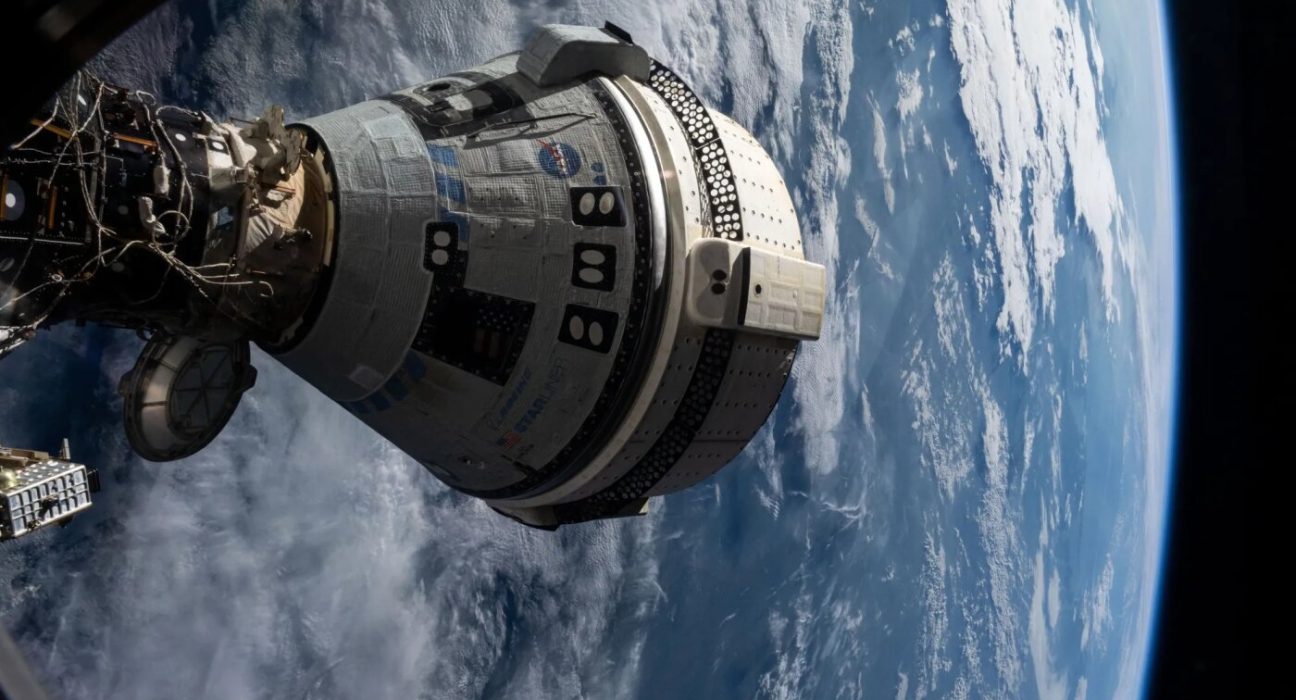
This view from the SpaceX Dragon Endeavour spacecraft shows Boeing’s Starliner docked to the International Space Station on July 3, 2024. NASA hide caption toggle caption NASA NASA Administrator Jared Isaacman is blaming Boeing and his own agency for botching a test flight of the Starliner spacecraft, designed to take astronauts to and from the

Read More
Curiosity

Dinosaur hunters discover staggering ‘hell heron’ with giant head crest in Sahara Desert

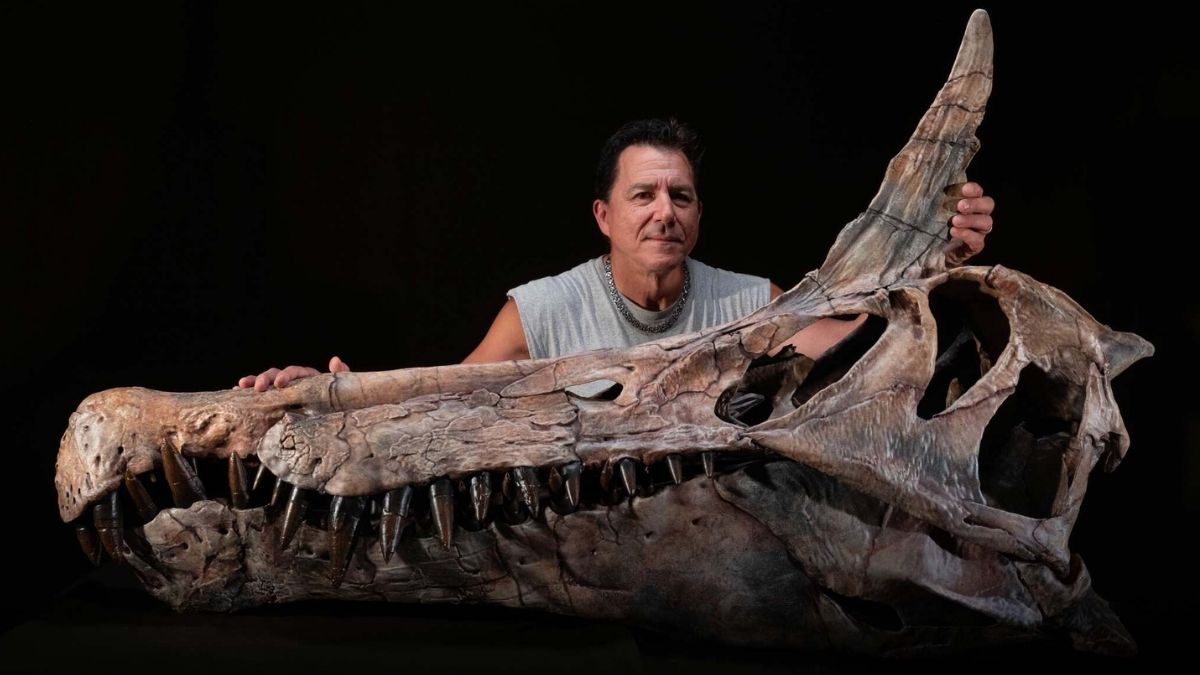
For the first time since the early 20th century, indisputable evidence of a new species of Spinosaurus has been found. This latest discovery, made by a 20-person team led by the University of Chicago’s Paul Sereno, includes jaw fragments, several teeth and three scimitar-shaped head crests.  The first of these crests was unearthed in 2019; three

Read More
Curiosity

Is It Actually Possible to Walk Directly on Earth’s Mantle? Only Two Places Allow It

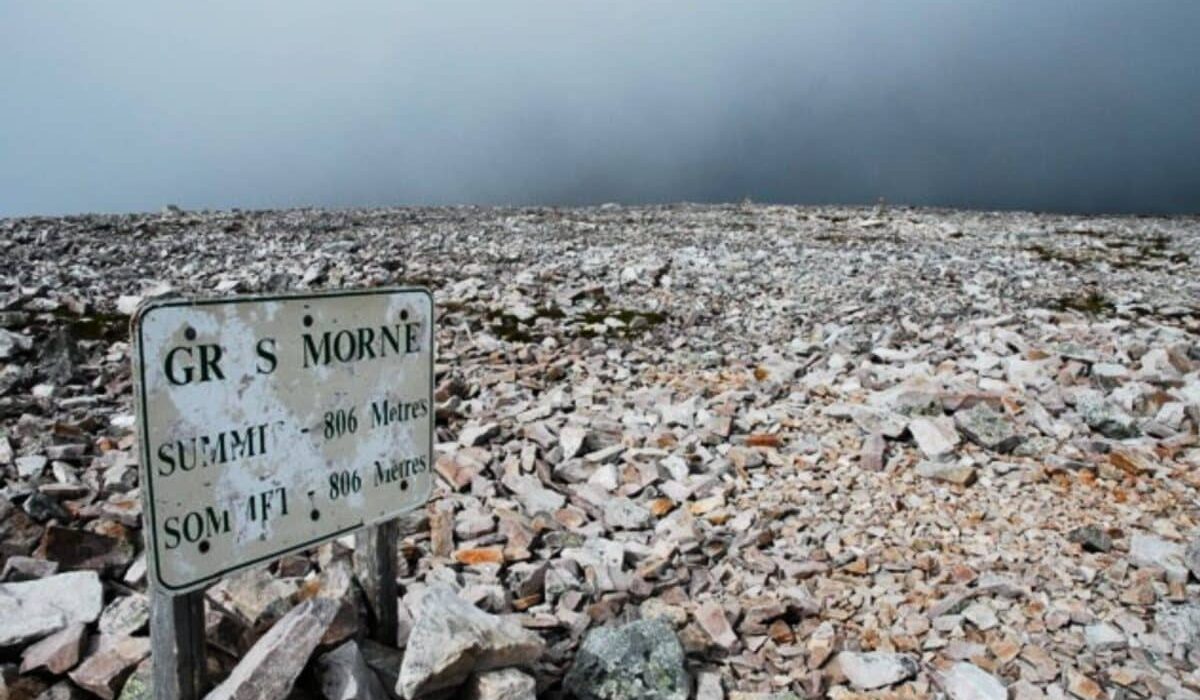
It is a proposition that strains credulity: that a person can stand, in ordinary hiking boots, on material that once resided dozens of kilometres below the Earth’s surface. The planet’s mantle, the 2,900 kilometre thick layer of solid rock between the crust and the core, is ordinarily accessible only through the indirect evidence of seismology

Read More
Curiosity

Why organisms are more than machines

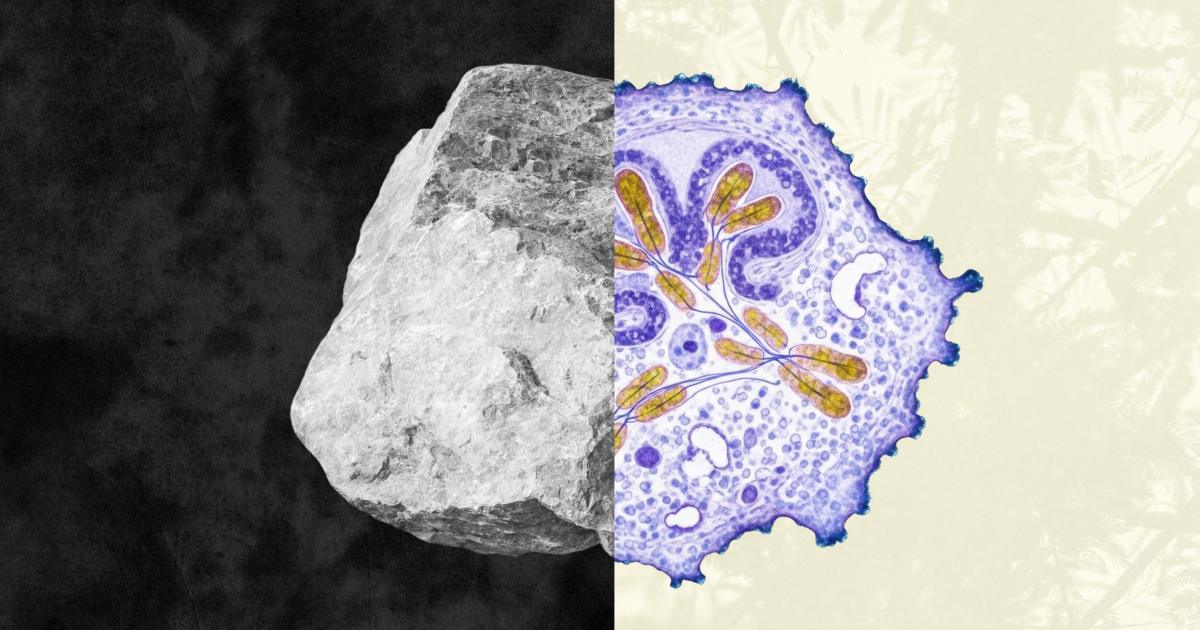
We are living in the age of maximum AI hype: A superintelligence that surpasses humanity is going to emerge at any moment, according to the most breathless corners of the tech world. There are basic technical grounds to be skeptical of that claim, but beyond that, a much deeper issue lies at the boundary between

Read More
Curiosity

Do you suffer from IBS? This doctor says ‘gravity intolerance’ may be to blame

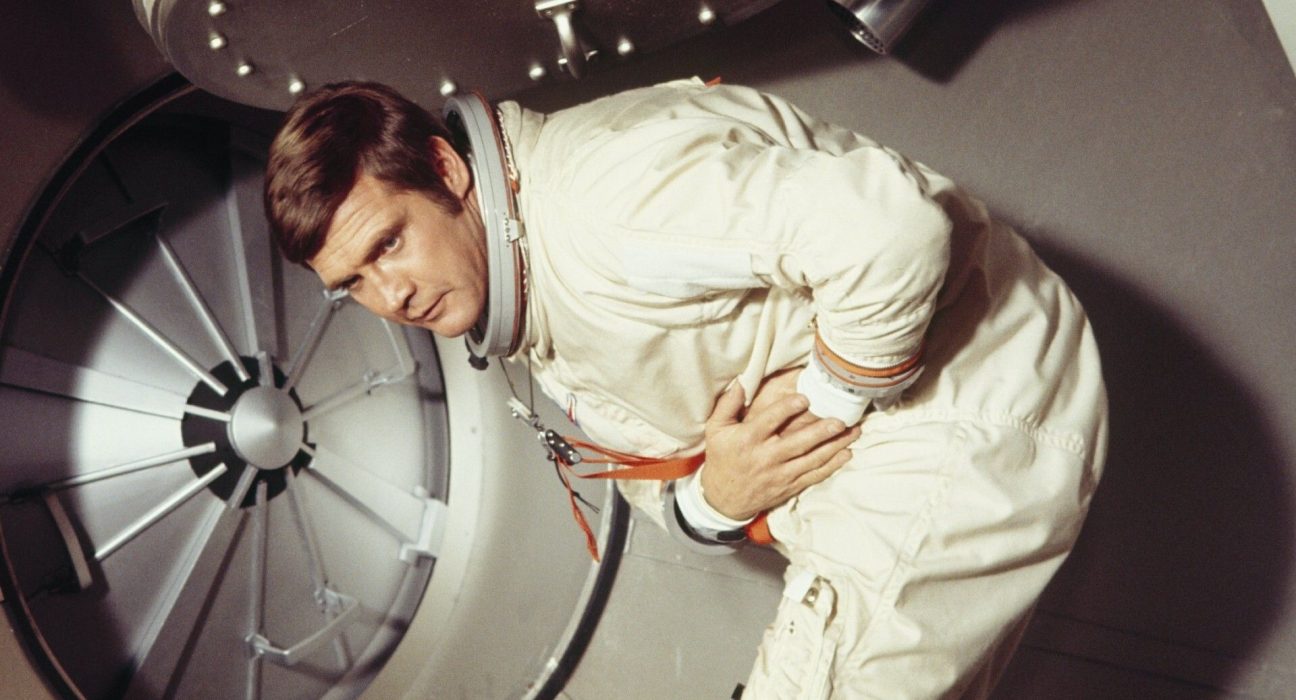
Gravity, one of the four fundamental forces of nature, keeps us down to Earth (literally), but our body’s relationship to it could explain our susceptibility to some common health conditions — for instance, irritable bowel syndrome. At least, that’s what Dr. Brennan Spiegel, director of health services research at Cedars-Sinai, proposes in his new book,

Read More
Curiosity

Astonishing Spinosaur Unearthed in The Sahara Is Unlike Any Seen Before

A new Spinosaurus species has been unearthed from the Saharan desert, and its skull bears a magnificent crest never seen before on this kind of dinosaur. Paleontologists have named it Spinosaurus mirabilis, meaning ‘wonderful spine lizard’. We heartily agree. Paleoartist rendering of Spinosaurus mirabilis eating a coelacanth. (Dani Navarro) The discovery reveals more than just

Read More
Curiosity

Webb Telescope Uncovers Hydrogen Sulfide on Super-Jupiters, Offering New Clues About Planet Formation

Far beyond our solar system, in the distant Pegasus constellation, lies a star system that is reshaping our understanding of planetary formation. HR 8799, located 129 light-years away, is home to a rare group of super-Jupiters, gas giants that are much larger than our own Jupiter. These planets, orbiting far from their star, present a

Read More
Curiosity

Scientists Used a Giant Accelerator to See Inside Dinosaur Eggs, The Embryos Are Still Perfectly Preserved

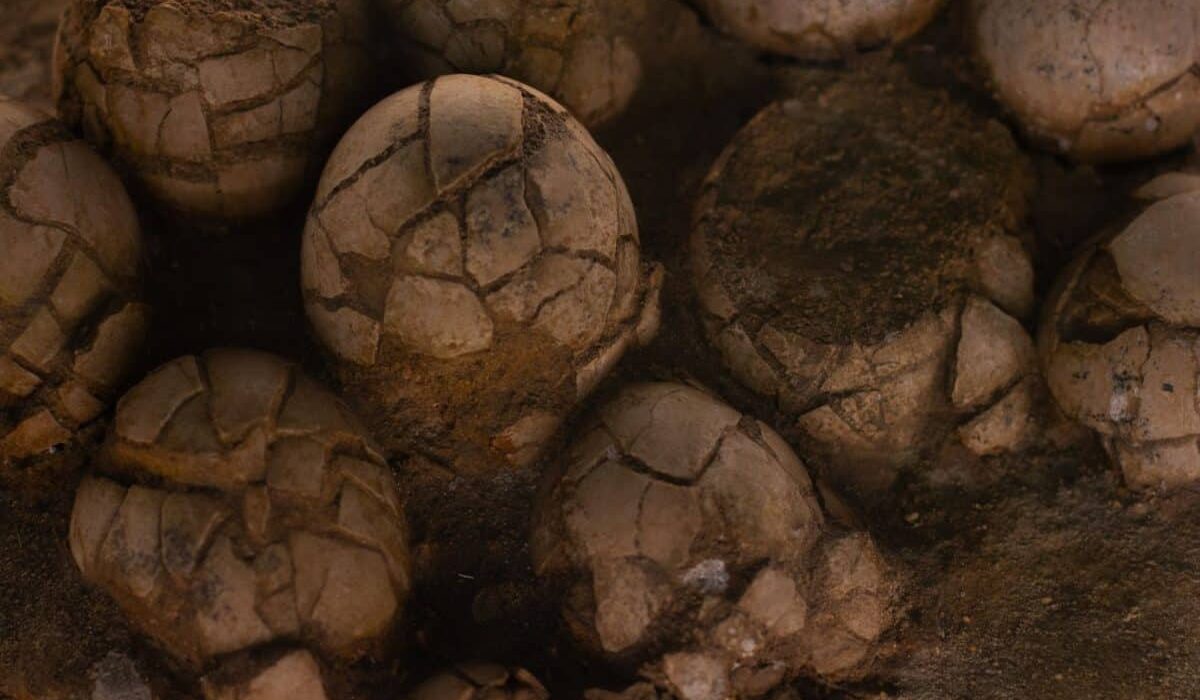
A cluster of fossilized dinosaur eggs discovered nearly five decades ago has revealed new secrets after being scanned with a stadium-sized particle accelerator. The high-resolution imaging allowed researchers to reconstruct the skulls of embryos preserved inside the eggs for 200 million years. The fossils were first uncovered in 1976 in South Africa’s Golden Gate Highlands

Read More