2 March 2026
Chicago 12, Melborne City, USA

Animal

Curiosity

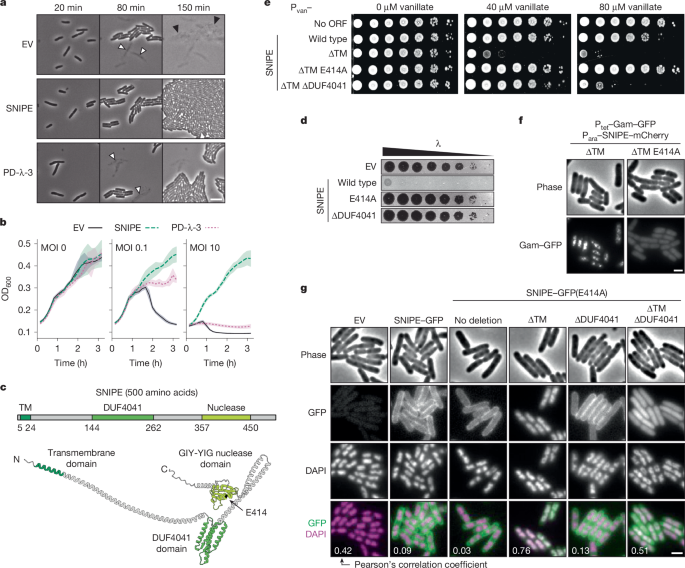
A membrane-bound nuclease directly cleaves phage DNA during genome injection

Growth conditions and strains All the strains, phages, plasmids and oligonucleotides used in this study are listed in Supplementary Table 4. The sequences of all plasmids were confirmed by whole-plasmid sequencing. All bacterial strains were E. coli MG1655 derivatives unless noted otherwise. All λ strains in this study had mutations in the cI repressor and/or
Read More
Curiosity

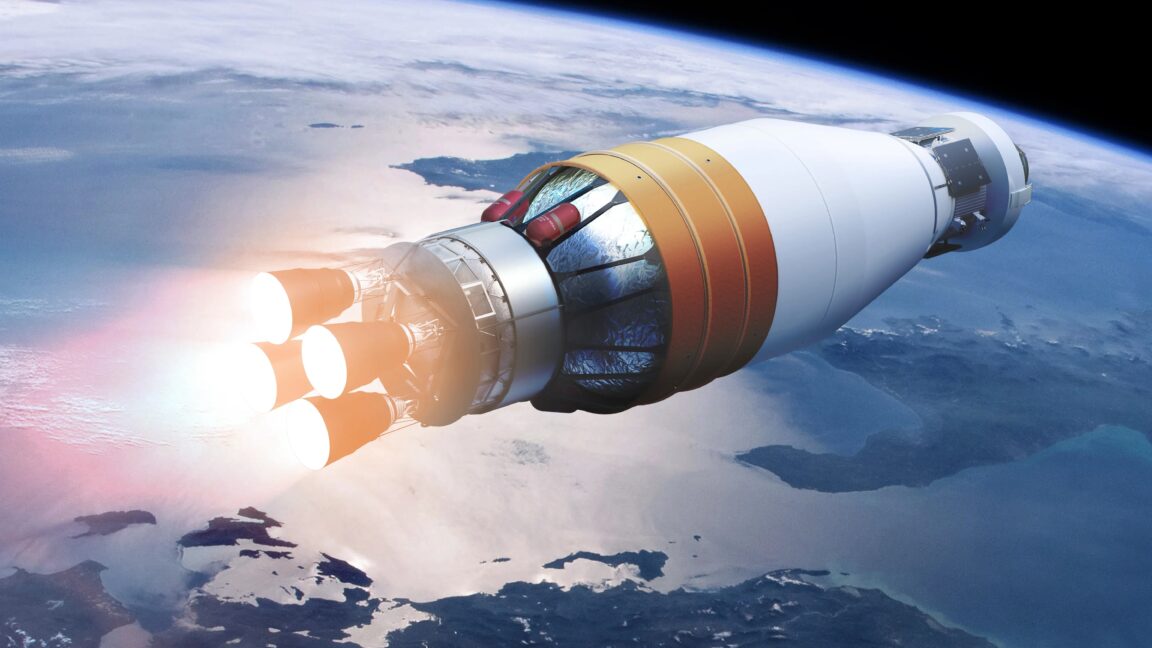
NASA Adds Mission to Artemis Lunar Program, Updates Architecture  

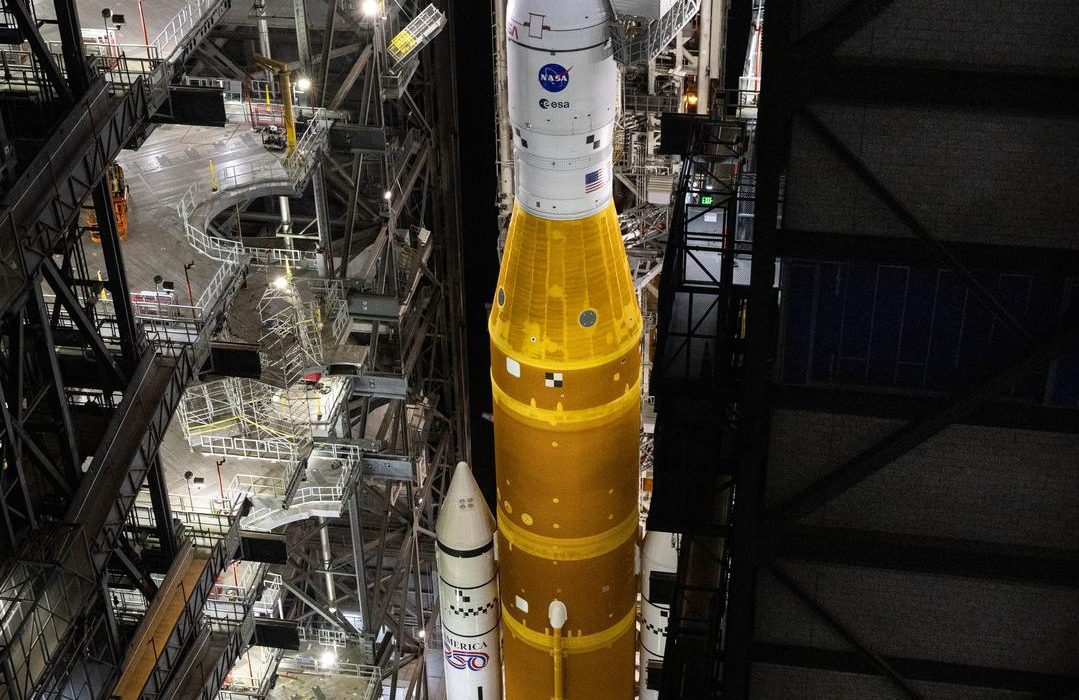
As part of a Golden Age of exploration and discovery, NASA announced Friday the agency is increasing its cadence of missions under the Artemis program to achieve the national objective of returning American astronauts to the Moon and establishing an enduring presence. This includes standardizing vehicle configuration, adding an additional mission in 2027, and undertaking at least one surface

Read More
Curiosity

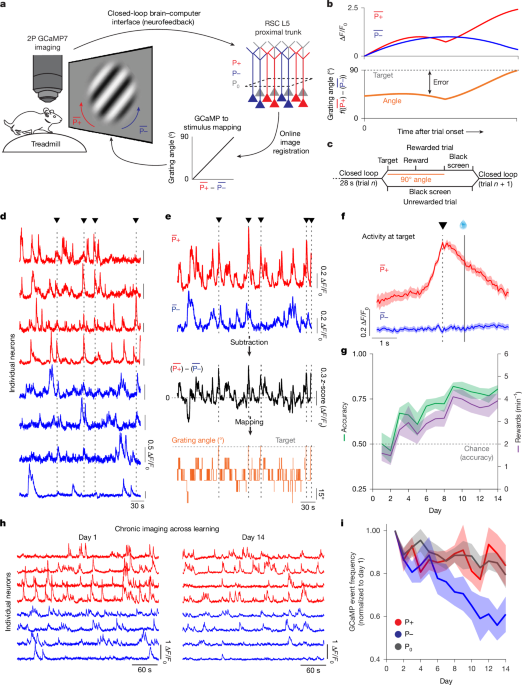
Vectorized instructive signals in cortical dendrites

Sacramento, J., Bengio, Y., Costa, R. P. & Senn, W. Dendritic cortical microcircuits approximate the backpropagation algorithm. In Proc. 32nd International Conference on Neural Information Processing Systems (eds Bengio, S. & Wallach, H. M.) 8735–8746 (ACM, 2018). Payeur, A., Guerguiev, J., Zenke, F., Richards, B. A. & Naud, R. Burst-dependent synaptic plasticity can coordinate learning

Read More
Curiosity

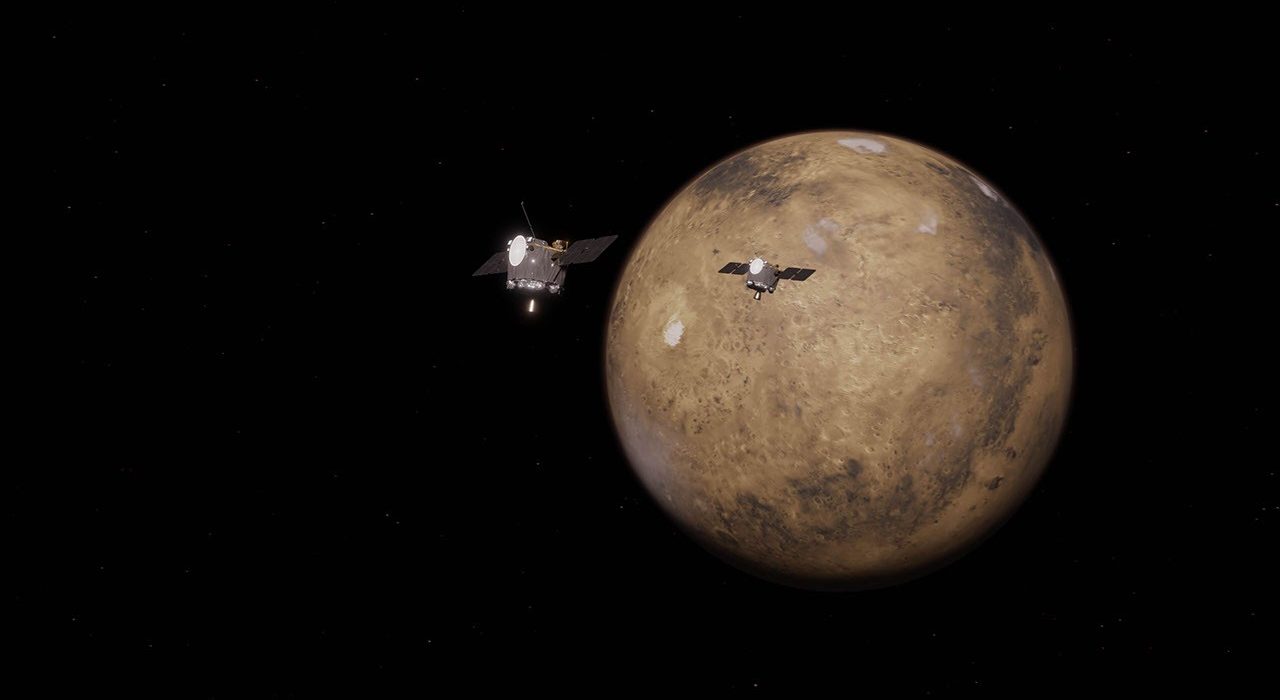
NASA’s ESCAPADE Ready to Study Space Weather from Earth to Mars

Mars is not what it used to be. Once warm, watery, and blanketed by a thick atmosphere, today the Red Planet is cold, dry, and draped by a thin atmospheric veil. The main culprit is a relentless stream of particles from the Sun, known as the solar wind. Over billions of years, the solar wind has stripped away

Read More
Curiosity

NASA shakes up its Artemis program to speed up lunar return

At the core of Isaacman’s concerns is the low flight rate of the SLS rocket and Artemis missions. During past exploration missions, from Mercury through Gemini, Apollo, and the Space Shuttle program, NASA has launched humans on average about once every three months. It has been nearly 3.5 years since Artemis I launched. “This is

Read More
Curiosity

Six planets due to parade across night sky in rare celestial spectacle | Astronomy

Six planets will parade across the sky this weekend in a rare celestial spectacle, experts have said. For the next few days, Jupiter, Saturn, Venus, Mercury, Neptune and Uranus will all be visible at the same time in the night sky – although binoculars or a telescope will be needed to spot the latter two

Read More
Curiosity

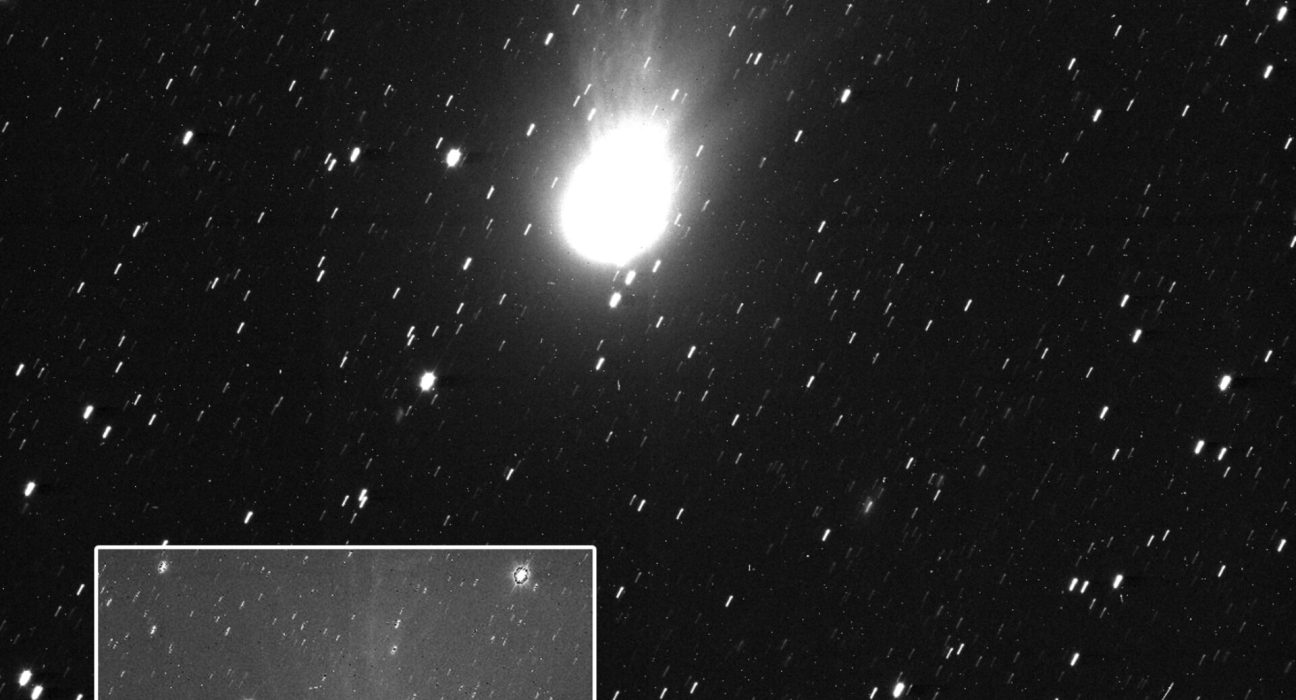
First glimpse of comet 3I/ATLAS from Juice science camera

This striking image from the science camera on ESA’s Jupiter Icy Moons Explorer (Juice) shows interstellar comet 3I/ATLAS spewing dust and gas. The tiny nucleus of the comet (not visible) is surrounded by a bright halo of gas known as the coma. A long tail stretches away from the comet, and we see hints of

Read More
Curiosity

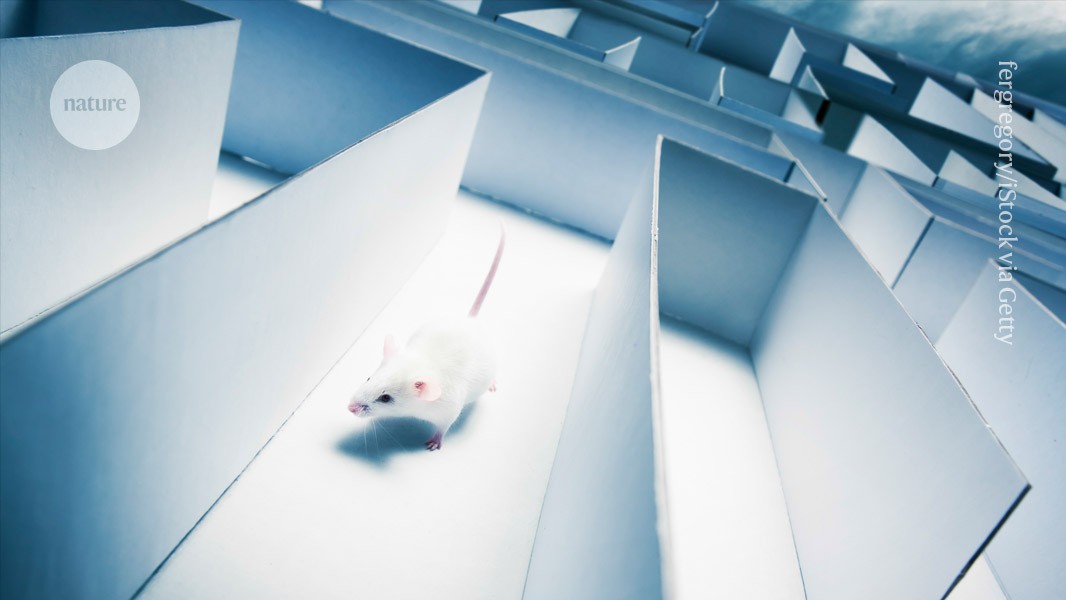
This compound enhances long-term memory of mice — but only in females

Mice were given acetate and then performed tasks that tested their memory.Credit: fergregory/iStock via Getty A common metabolic by-product produced when the body breaks down alcohol, glucose and food high in fibre can enhance memory, at least in females, according to a study in mice1. In the study, published in Science Signaling, scientists injected acetate

Read More
Curiosity

March 3 Total Lunar Eclipse Will Be The Last Until 2028

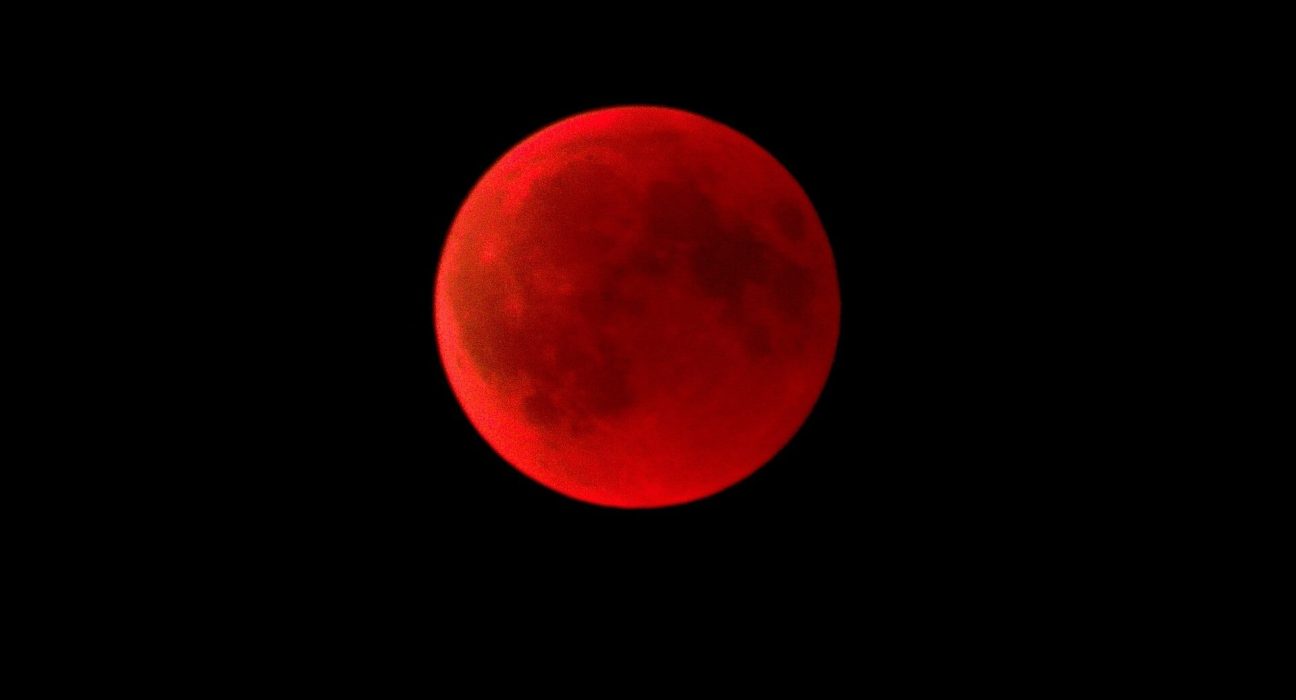
A total lunar eclipse will create a stunning “Blood Moon” on March 3 (Credit: Jacek Rużyczka/ CC BY-SA 4.0/ Wikimedia Commons) Skywatchers are in for a treat. On March 3, 2026, a spectacular total lunar eclipse will turn the Moon a deep reddish color, creating what is known as a “Blood Moon.” The eclipse will

Read More
Curiosity

The Most Elusive Color in Chemistry Might Surprise You

Seeing a color in nature is one thing. Recreating colors artificially is an entirely different challenge—one with some unexpectedly high stakes. Practically anything human-made is of a certain color thanks to artificial pigments, or chemical compounds that appear a specific color. An ongoing challenge is that, as chemical bonds naturally fade, so does the color.

Read More