2 March 2026
Chicago 12, Melborne City, USA

Animal

Curiosity

Astronomers Say They Have Solved One of Saturn’s Greatest Mysteries

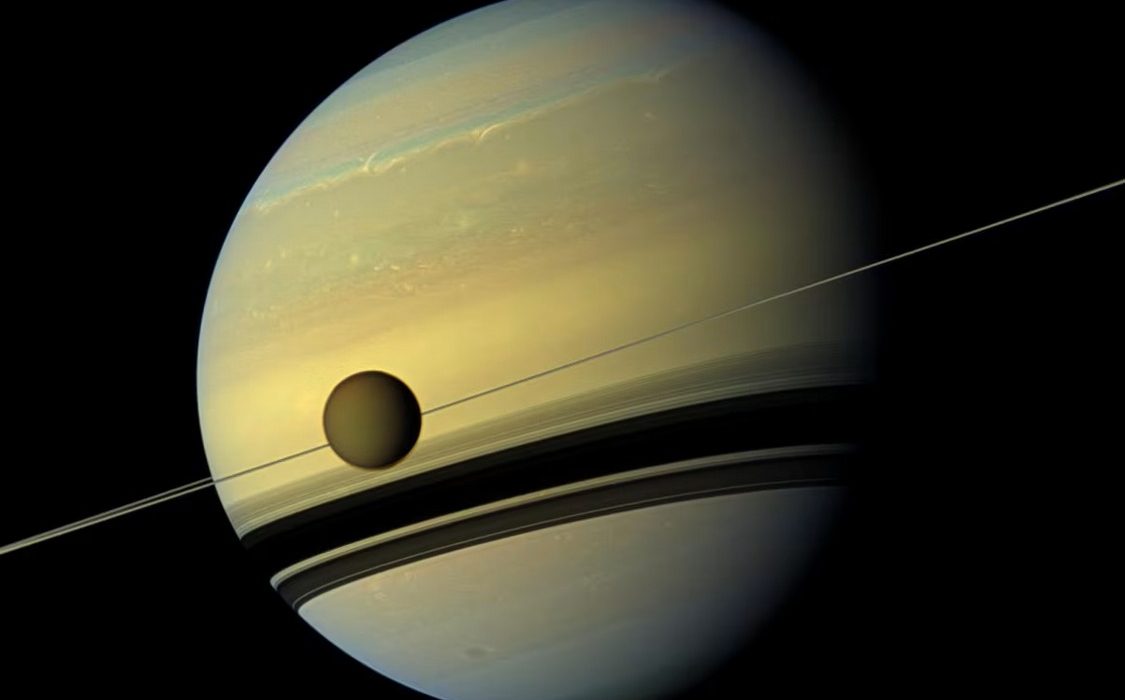
Saturn eclipsed by Titan as seen from the Cassini probe – credit, NASA/JPL-Caltech A neat feat of calculation and deduction may have solved one of our solar system’s greatest mysteries. Titan, the largest moon of Saturn, is bigger than Mercury, yet for all its conspicuousness, scientists don’t know exactly how it came to be so

Read More
Curiosity

Acing this new AI exam — which its creators say is the toughest in the world — might point to the first signs of AGI

Researchers at the Center for AI Safety and Scale AI have published “Humanity’s Last Exam” — a test designed to measure how close today’s most powerful artificial intelligence (AI) models are to meeting or exceeding human-level knowledge across several domains. The test was launched in January 2025, but scientists outlined the framework and their thinking

Read More
Curiosity

Photons that aren’t actually there influence superconductivity

Despite the headline, this isn’t really a story about superconductivity—at least not the superconductivity that people care about, the stuff that doesn’t require exotic refrigeration to work. Instead, it’s a story about how superconductivity can be used as a test of some of the weirder consequences of quantum mechanics, one that involves non-existent particles of

Read More
Curiosity

Lightning ‘Whistler’ Detected on Mars For The First Time, Scientists Report : ScienceAlert

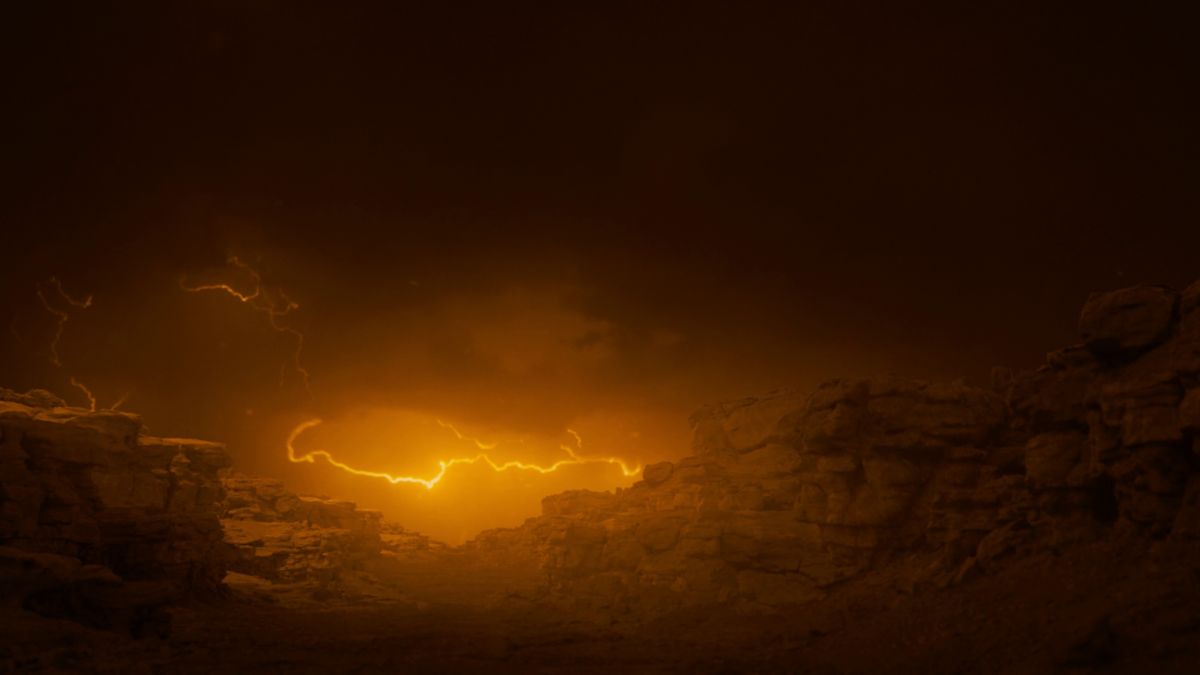
The radio ‘howl’ of a lightning-like discharge has been detected at Mars for the first time. While orbiting the red planet, NASA’s MAVEN spacecraft recorded an unusual electromagnetic signal back on 21 June 2015. Researchers have now shown that the signal matches a ‘whistler’ – a dispersed radio wave produced when lightning-generated emissions travel through

Read More
Curiosity

Damage to Chinese Spacecraft Was Worse Than Reported

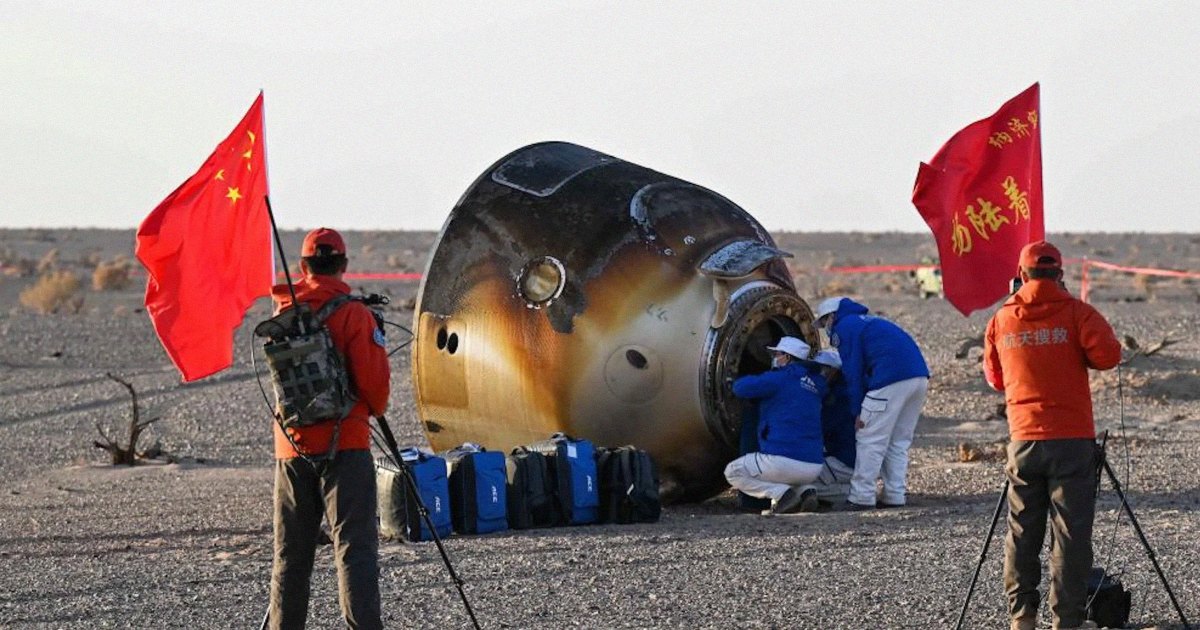
Sign up to see the future, today Can’t-miss innovations from the bleeding edge of science and tech In early November, Chinese astronauts on board the country’s Tiangong space station made a terrifying discovery. According to state news reports at the time, they found “tiny cracks” in their Shenzhou return spacecraft’s viewport window that were most

Read More
Curiosity

NASA shuffles Artemis program for a faster return to the moon : NPR

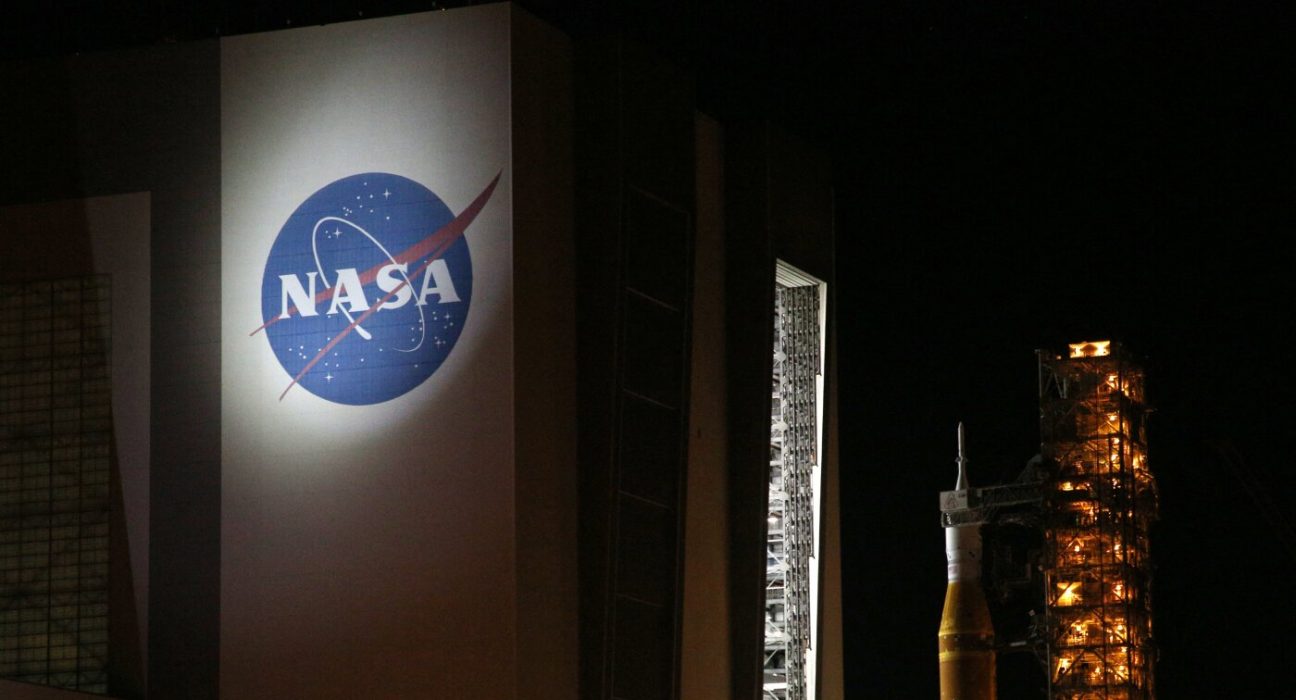
The mobile launcher containing the Artemis II Space Launch System rocket and Orion spacecraft arrives at the Vehicle Assembly Building after a rollback that lasted over ten hours at the Kennedy Space Center in Cape Canaveral, Fla., on February 25, 2026. NASA teams detected issues with the helium flow and removed the rocket from the

Read More
Curiosity

In The Ruins Of Chernobyl’s Reactor, Scientists Found A Fungus That Developed A Stunning Ability

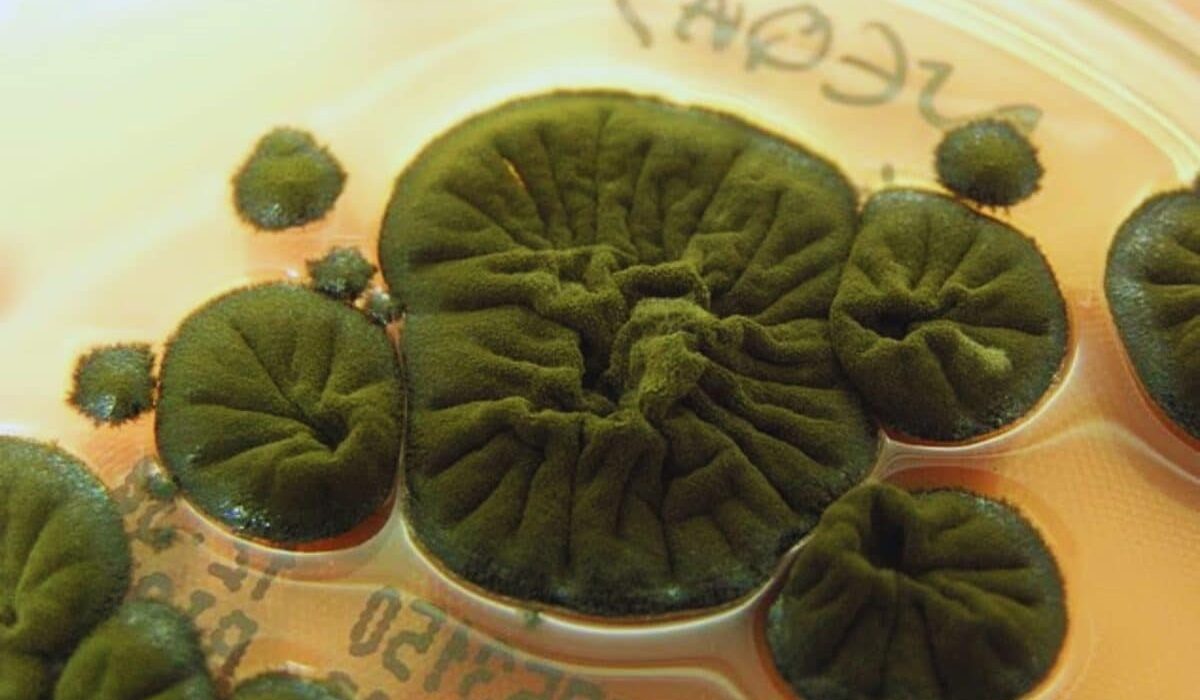
Deep inside the wreckage of Chernobyl’s Unit Four reactor, a black fungus is doing more than surviving. Cladosporium sphaerospermum appears to grow in the presence of ionizing radiation, prompting scientists to question whether it may be interacting with radiation in a way no complex organism was previously known to do. Nearly 40 years after the

Read More
Curiosity

Consciousness May Have Existed 100 Million Years Before Life. The Proof Might Be in 121 Grams of Dust.

Over 4 billion years ago, an asteroid called Bennu was drifting through the solar system. Three years ago, NASA brought 121.6 grams of that space rock back to Earth. Scientists wanted to see if the sample contained clues about how life began. What they found instead was so much stranger: the sample contained molecules that

Read More
Curiosity

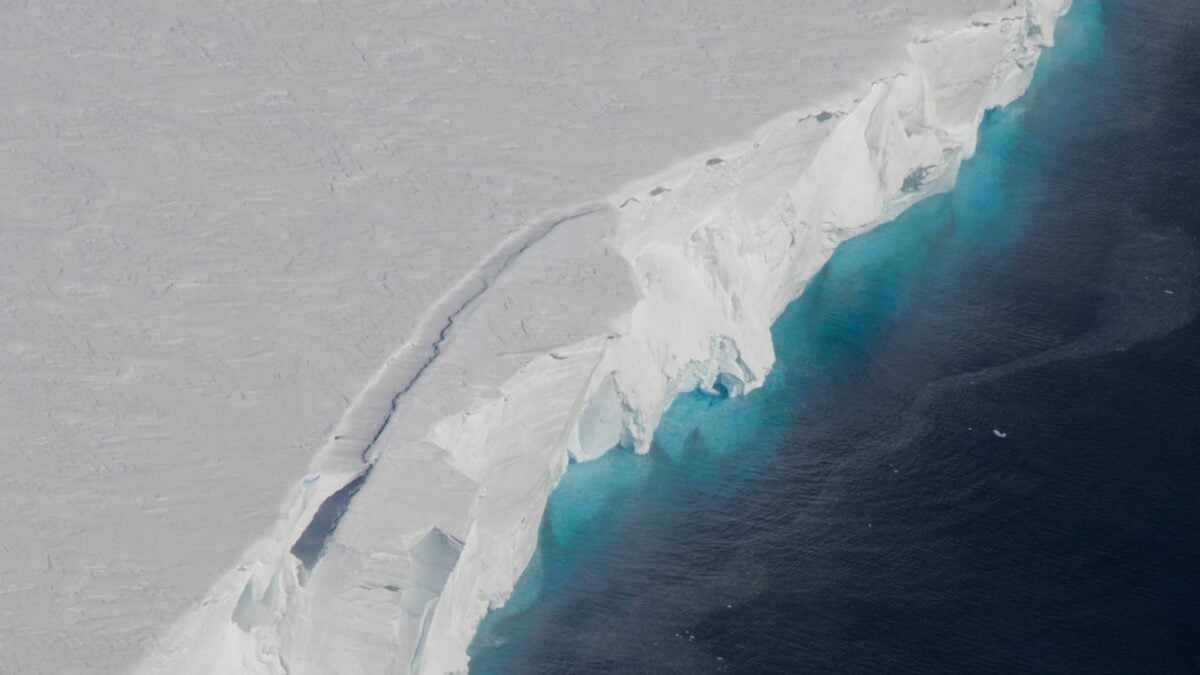
Could Melting Glaciers Actually Slow Climate Change?

It’s not easy to find silver linings amid the rapid, human-driven destabilization of Earth’s climate—though that hasn’t stopped researchers from trying. One longstanding theory suggests that glacial melt could actually help slow climate change by feeding algae, but a new study just dumped cold water on the idea. The findings, published in the journal Nature

Read More
Curiosity

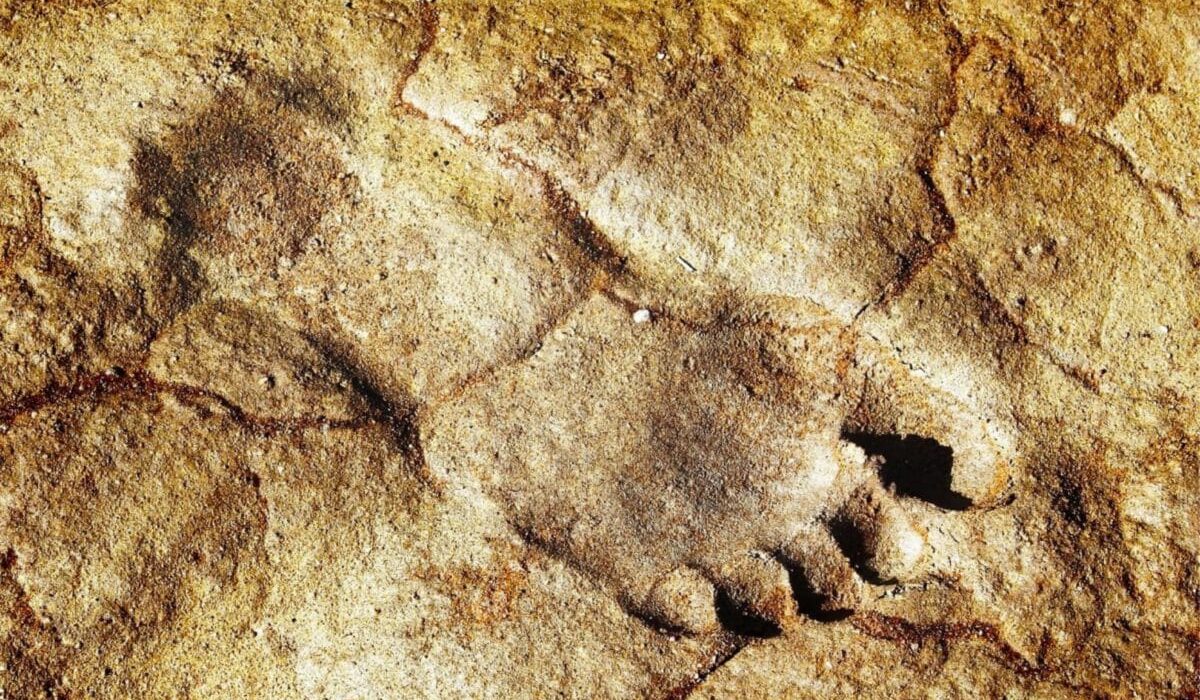
115,000-Year-Old Human Footprints Found in Remote Desert Where They Shouldn’t Exist

The arid expanse of the Nefud Desert in the northern Arabian Peninsula currently holds some of the most hyper-arid conditions on Earth. However, the geological record indicates that this landscape underwent radical transformations during the late Pleistocene. Intervals of increased monsoon rainfall periodically converted these dunefields into a network of lush grasslands and perennial freshwater

Read More