5 March 2026
Chicago 12, Melborne City, USA

Curiosity

Curiosity

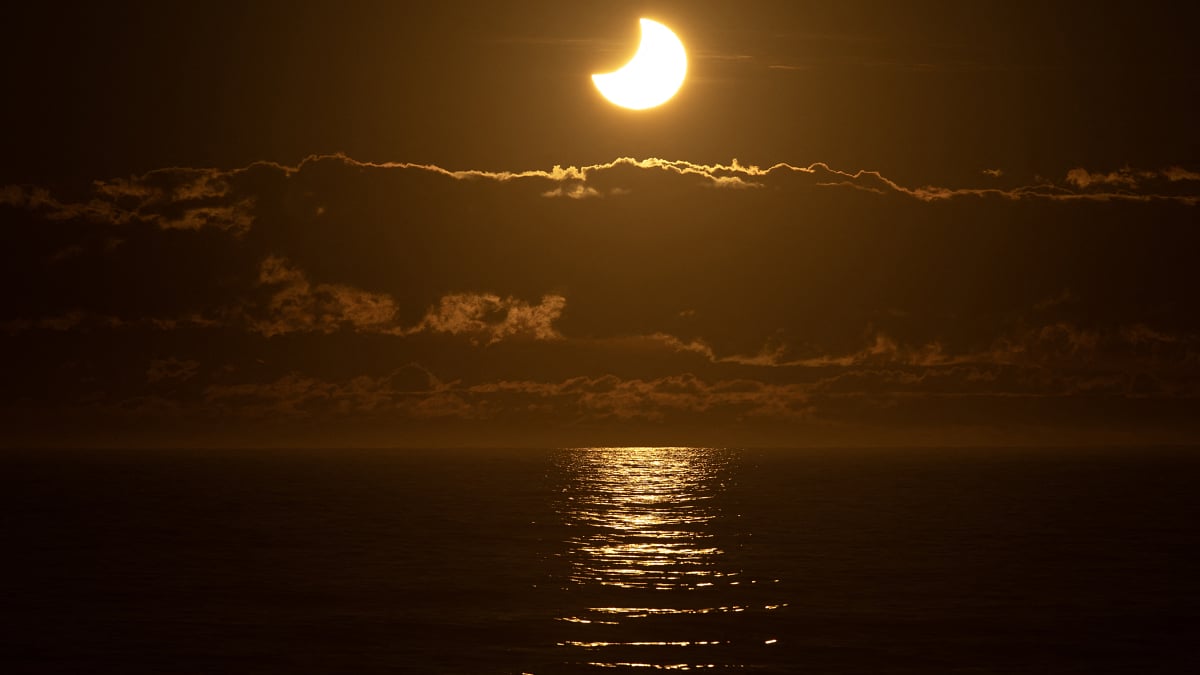
Solar eclipse 2026: An eclipse will happen on Tuesday, but few will see it

The first solar eclipse of 2026 will hit our skies this week, with an annular eclipse taking place on Tuesday. This type of solar eclipse creates a “ring of fire” around the sun, but unfortunately, many of won’t be able to spot this solar phenomenon. Still curious? Keep reading to find out what’s happening, and
Read More
Curiosity

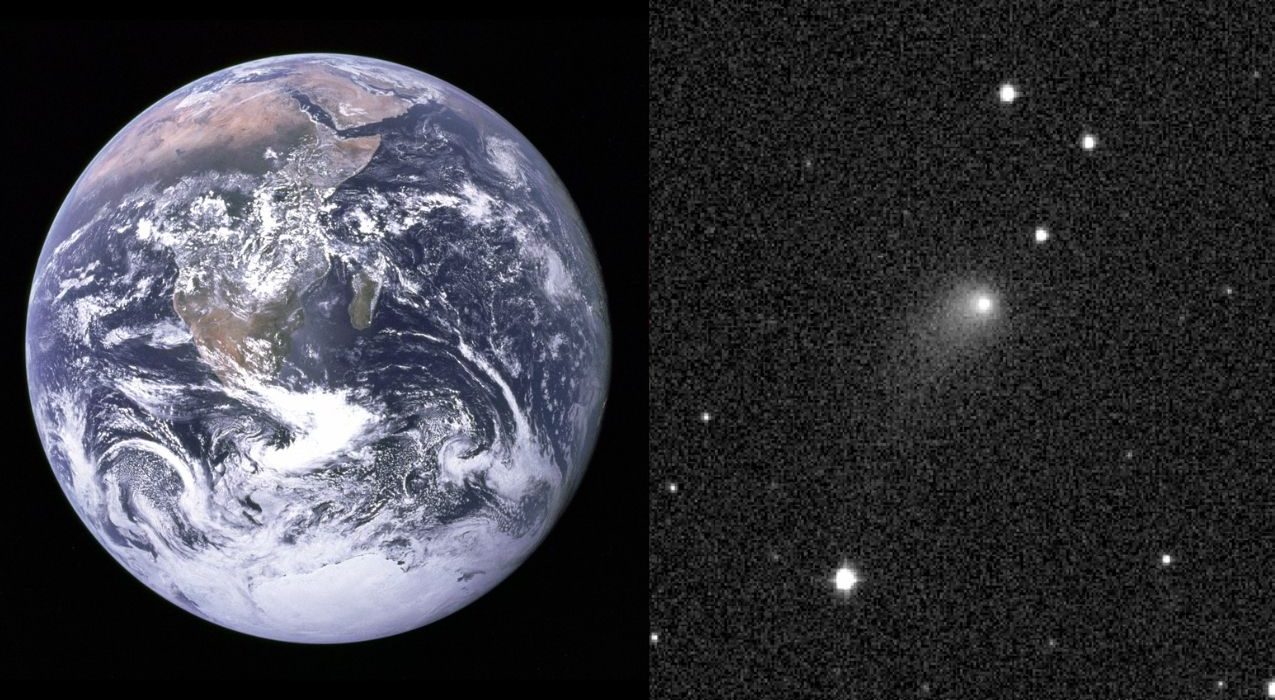
Comet C/2024 E1 Wierzchos makes its closest approach to Earth tomorrow: Here’s what you need to know

The icy solar system comet C/2024 E1 (Wierzchos) is set to make its closest pass of Earth tomorrow (Feb. 17), an event known to astronomers as perigee. But your ability to see the ancient wanderer will depend entirely on your location — and equipment. Comet Wierzchos’ flyby of Earth will occur on Feb. 17, when

Read More
Curiosity

Oldest wooden structure predates Homo sapiens by 200,000 years

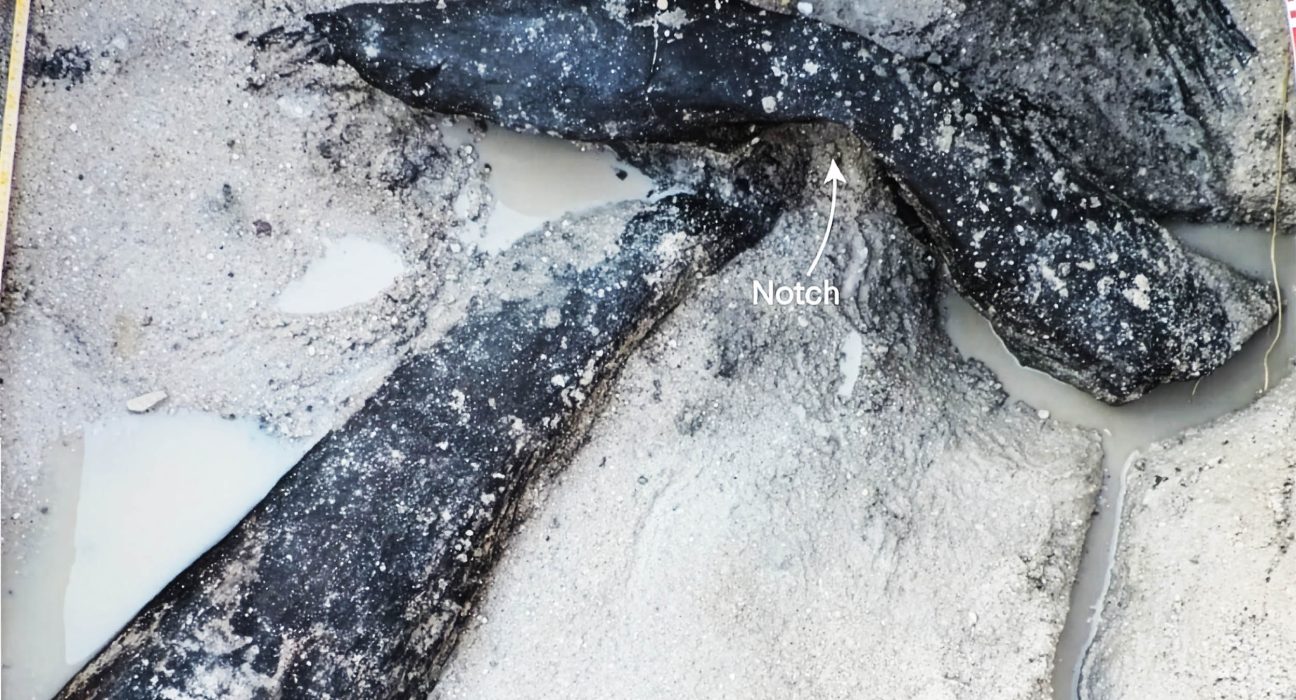
Nearly half a million years ago – far earlier than researchers once believed – early humans were already building wooden structures. A research team from the University of Liverpool and Aberystwyth University, reporting in Nature, excavated remarkably well-preserved wood at Kalambo Falls in Zambia. The finds date to at least 476,000 years ago,

Read More
Curiosity

What Happens When You Capture Light Speed in a Photo? Scientists Have the Answer!

For the first time in history, scientists have succeeded in visually capturing the speed of light. Through an innovative use of high-speed photography and lasers, researchers have managed to photograph light as it moves, revealing its behavior at speeds near the cosmic limit. The groundbreaking achievement brings light-speed motion into clear view, offering both a

Read More
Curiosity

NASA’s Latest Attempt to Resolve Moon Rocket’s Fueling Problems Didn’t Go As Planned

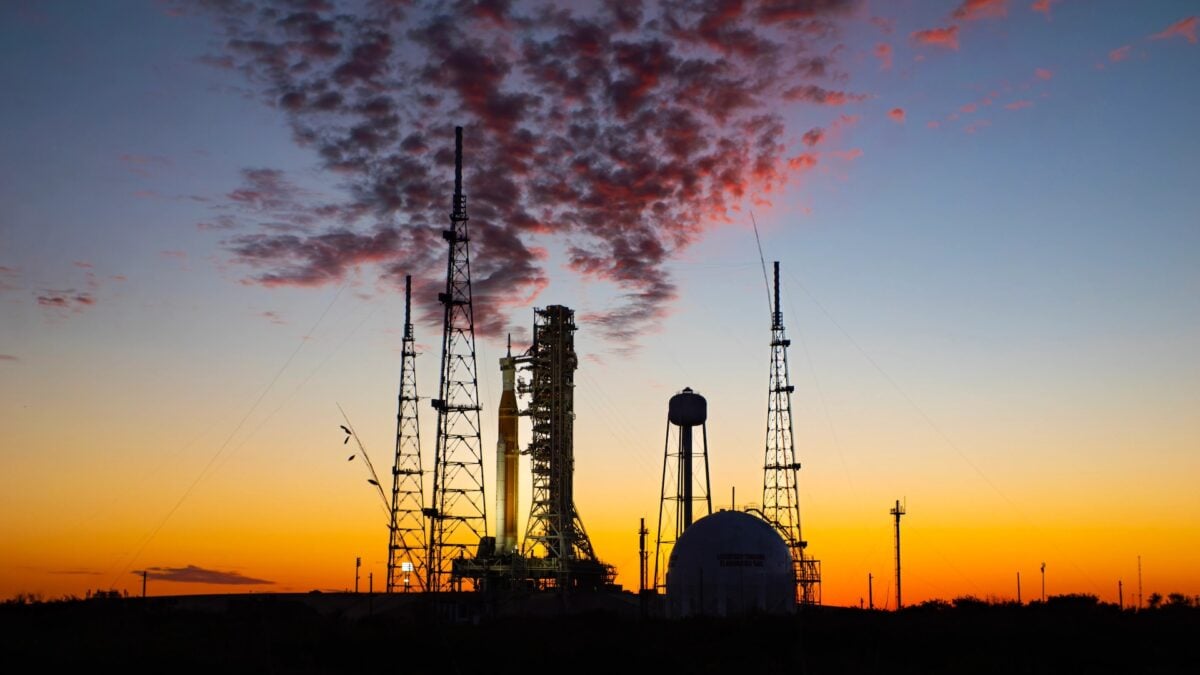
A recent test to confirm repairs to the Space Launch System (SLS) rocket’s fueling system faced problems of its own, casting doubt over NASA’s ability to fix a recurring issue ahead of the Artemis 2 launch window in March. NASA recently performed a confidence test on newly replaced seals in an area used to load

Read More
Curiosity

Scientists discover the enzyme that lets cancer rapidly rewire its DNA

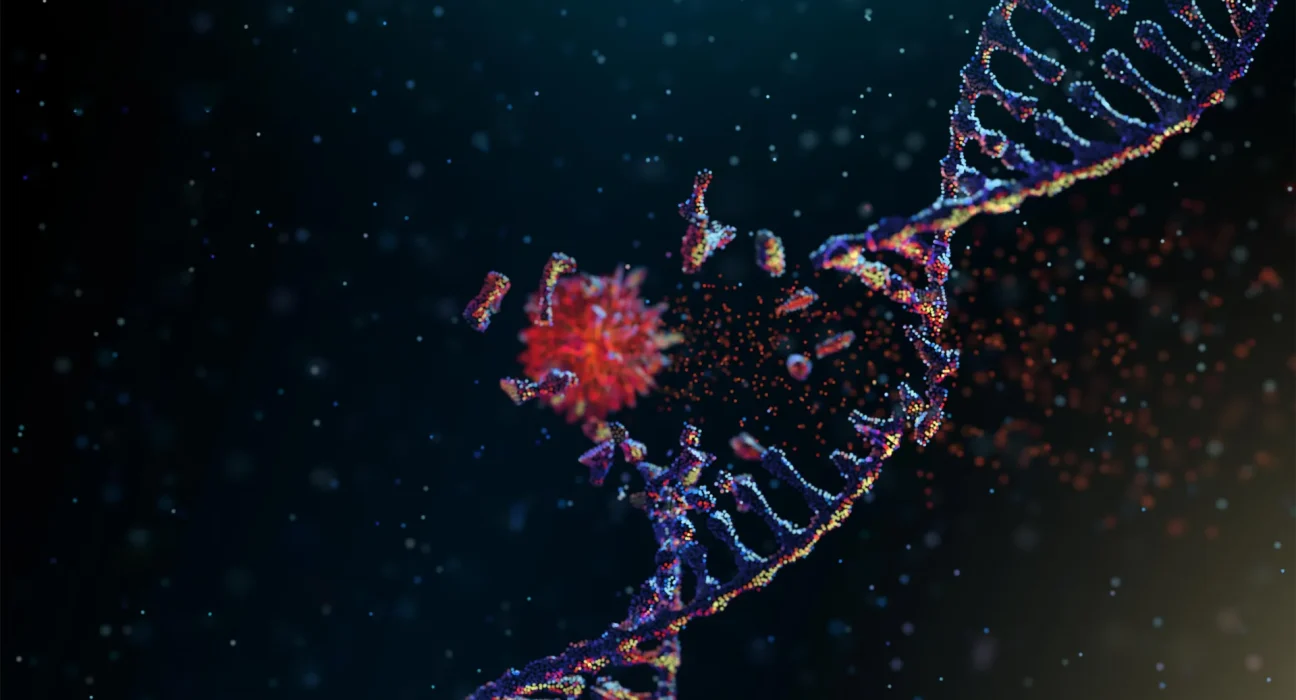
Scientists at the University of California San Diego have identified the enzyme responsible for chromothripsis, a dramatic genetic event in which a chromosome breaks into many fragments and is stitched back together in the wrong order. This chaotic reshuffling allows cancer cells to evolve quickly and develop resistance to treatment. Although chromothripsis was first recognized

Read More
Curiosity

Scientists Spot Signs of Derelict Soviet Moon Lander on Lunar Surface

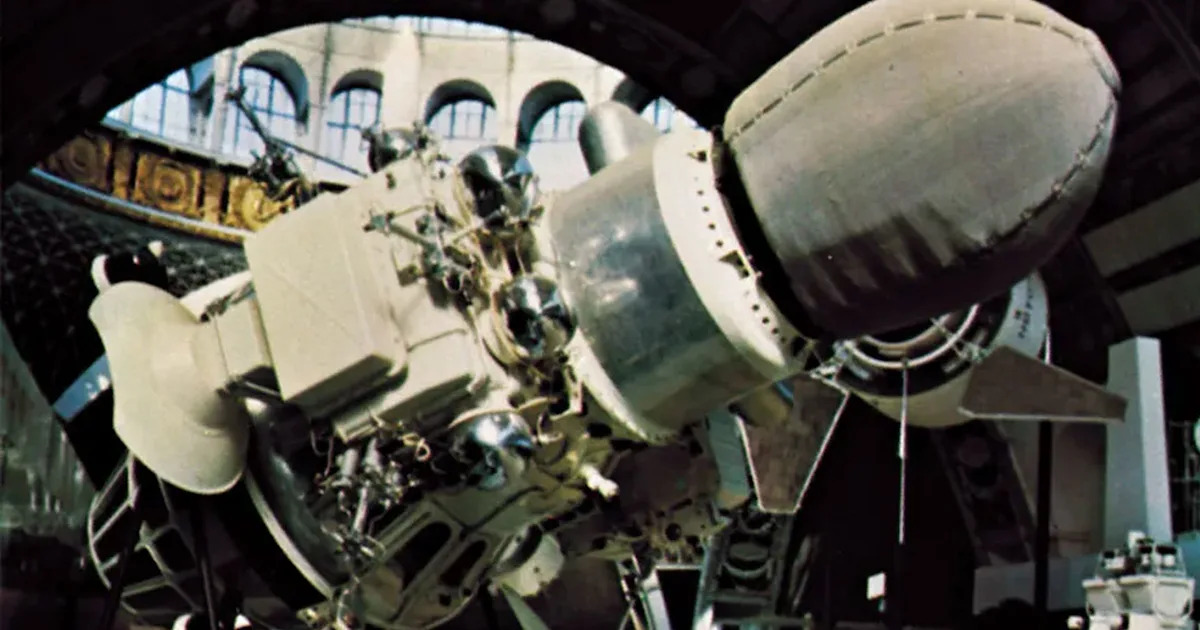
In 1966, three years before the first humans walked on the Moon, the Soviet Union landed a small, spherical probe, dubbed Luna 9, on the lunar surface. It was a historic moment, with the spacecraft becoming the first to achieve a soft landing and return the first photo from the surface of another celestial body:

Read More
Curiosity

Physicist: Viscous fluid permeates the universe, causing expansion

A new physics model attempts to explain puzzling measurements of how fast galaxies are moving away from us, proposing that empty space behaves like a fluid with built-in drag. In this view, the force driving the universe’s expansion would not stay constant over time, but could strengthen, weaken, or briefly overshoot, changing how we understand

Read More
Curiosity

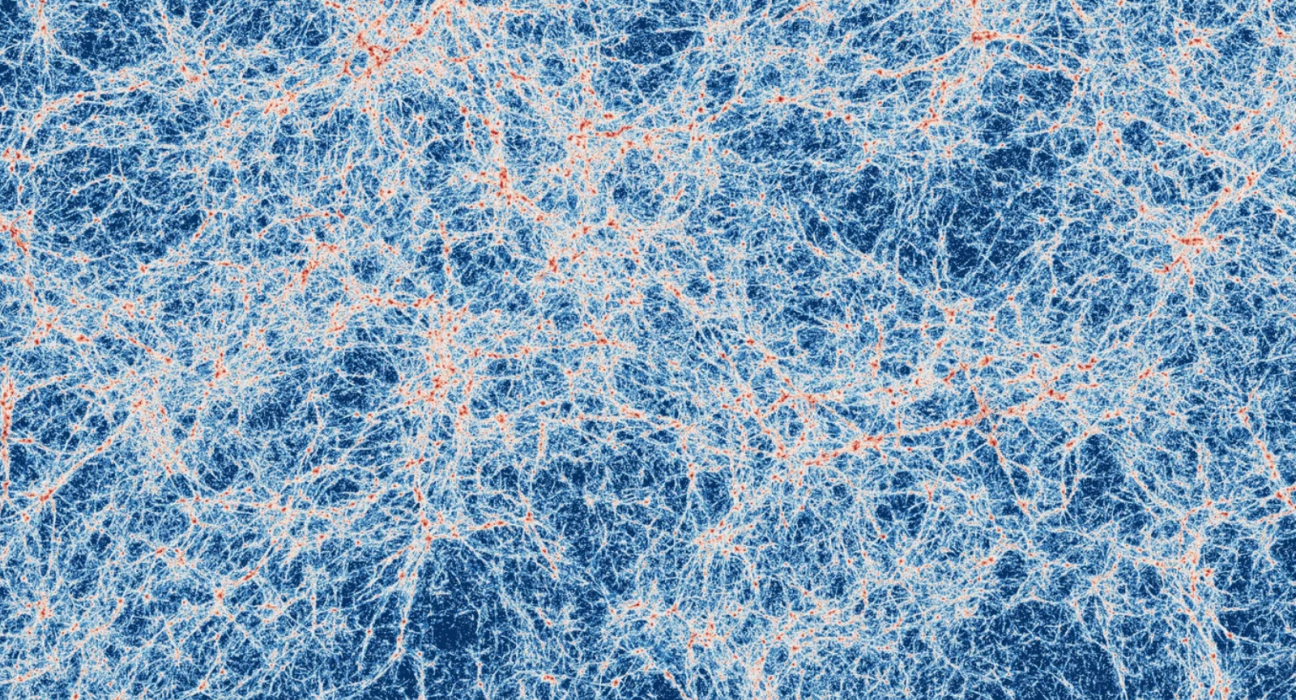
How astronomers are unveiling the ‘skeleton’ of the universe

The universe is a vast, unseen loom, weaving galaxies into an intricate cosmic web through invisible threads of matter. This cosmic web is the fundamental scaffolding of everything we see, dictating where galaxies form and how they evolve. Much of this architecture remains a mystery, its delicate pathways hidden, and uncovering these cosmic threads requires

Read More
Curiosity

Universe may end in a “big crunch,” new dark energy data suggests

A Cornell physicist has calculated that the universe may be nearing the halfway point of a total lifespan of about 33 billion years. Using newly released data from major dark energy observatories, he concludes that the cosmos will continue expanding for roughly another 11 billion years before reaching its largest size. After that, it would

Read More