
4 March 2026
Chicago 12, Melborne City, USA

Curiosity

Curiosity

Why do some places on Earth get far more solar eclipses than others?

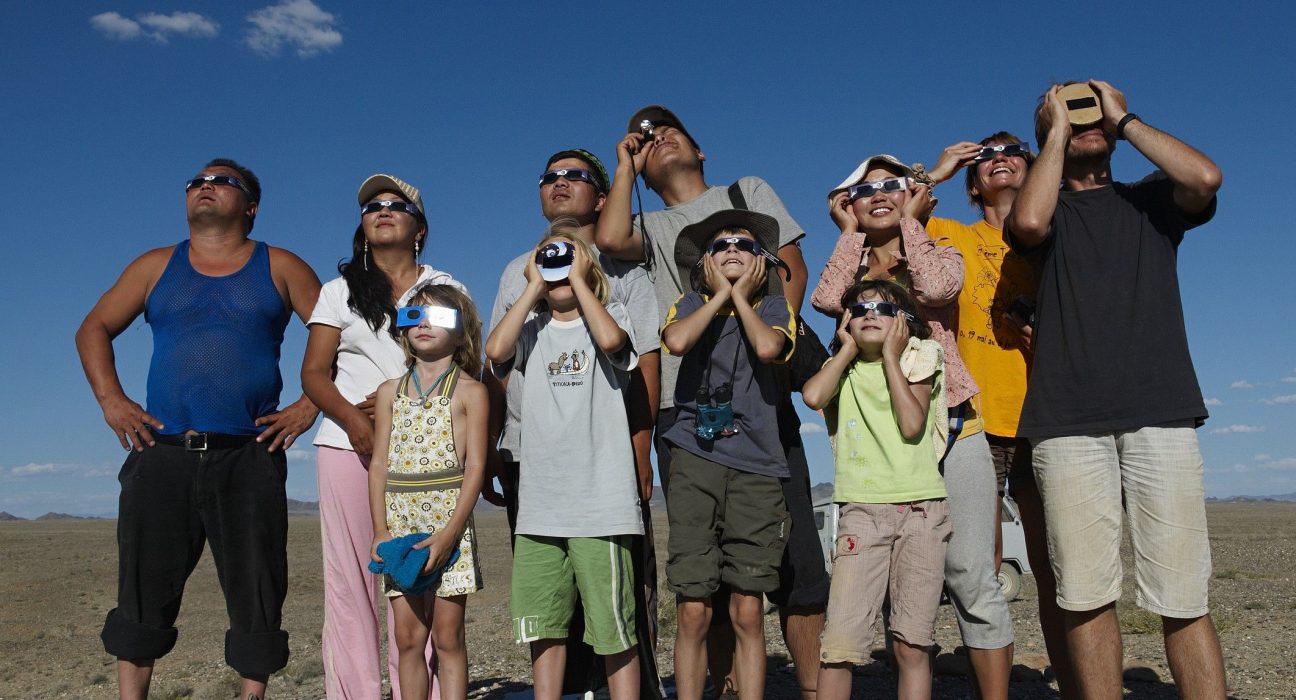
On Aug. 2, 1153, Jerusalem — one of the oldest cities in the world — experienced a total solar eclipse for the last time until Aug. 6, 2241, according to the book Totality by the late Fred Espenak, NASA’s eclipse calculator extraordinaire. That’s a gap of 1,108 years. Meanwhile, people living in a quadrant covering
Read More
Curiosity

Lithium Plume in Our Atmosphere Traced Back to Returning SpaceX Rocket : ScienceAlert

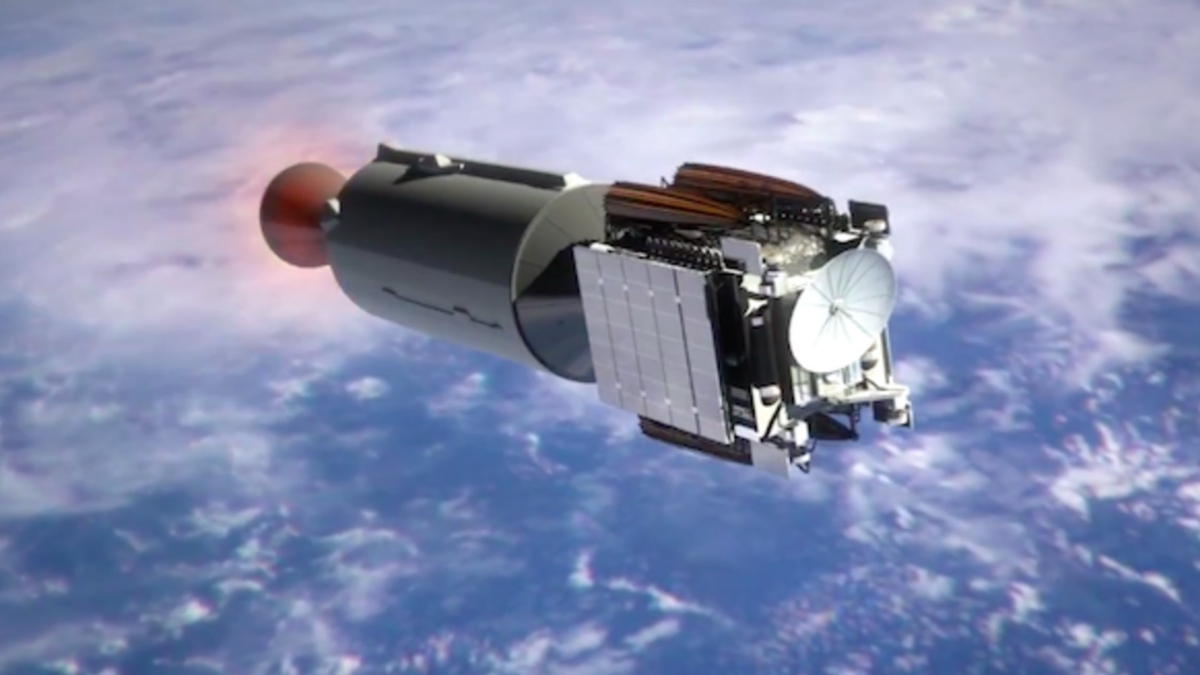
Space junk returning to the Earth is introducing metal pollution to the pristine upper atmosphere as it burns up on re-entry, a new study has found. Published today in the journal Communications Earth & Environment, the study was led by Robin Wing from the Leibniz Institute of Atmospheric Physics in Germany. Using highly sensitive lasers,

Read More
Curiosity

Green River defies nature as it flows uphill for roughly 100 miles

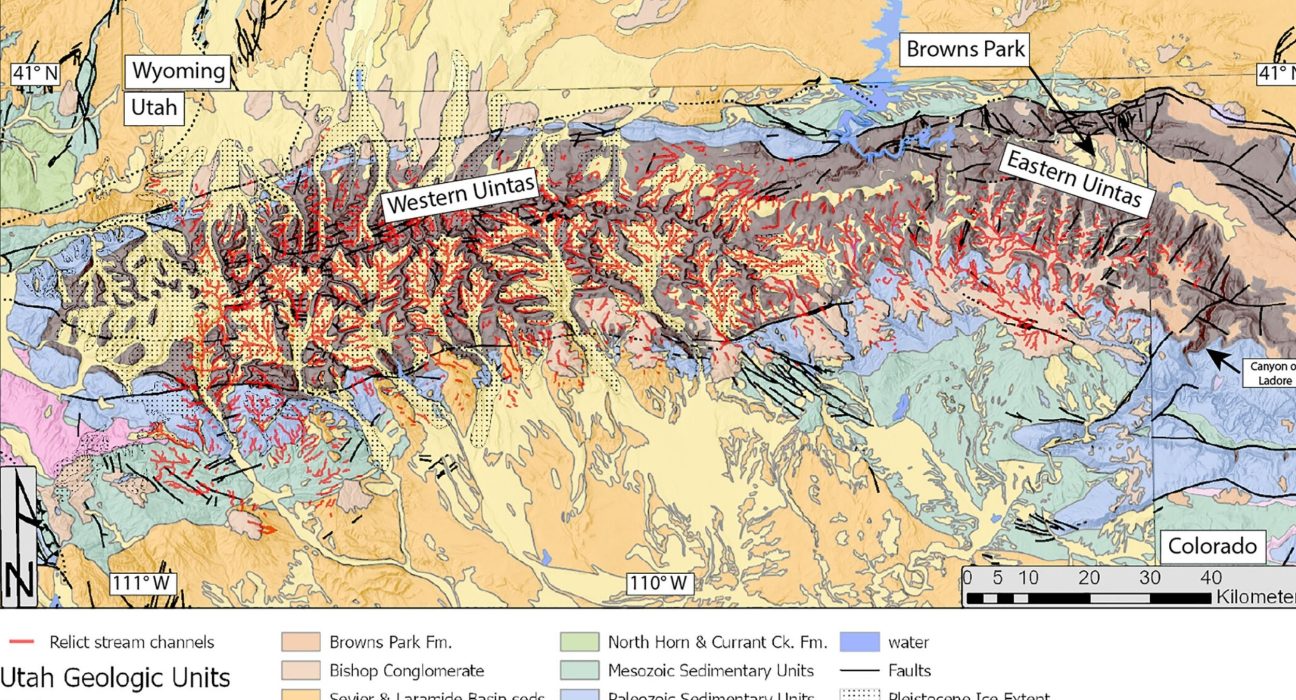
Geologists have resolved a long-standing mystery about how two major rivers in the western United States became connected. They found that a hidden shift deep underground briefly lowered a mountain barrier, allowing one river to cut straight through and join the other. Where the river cuts Across northeastern Utah, the Green River, the

Read More
Curiosity

Completely new life form is wreaking havoc on deep-sea sharks

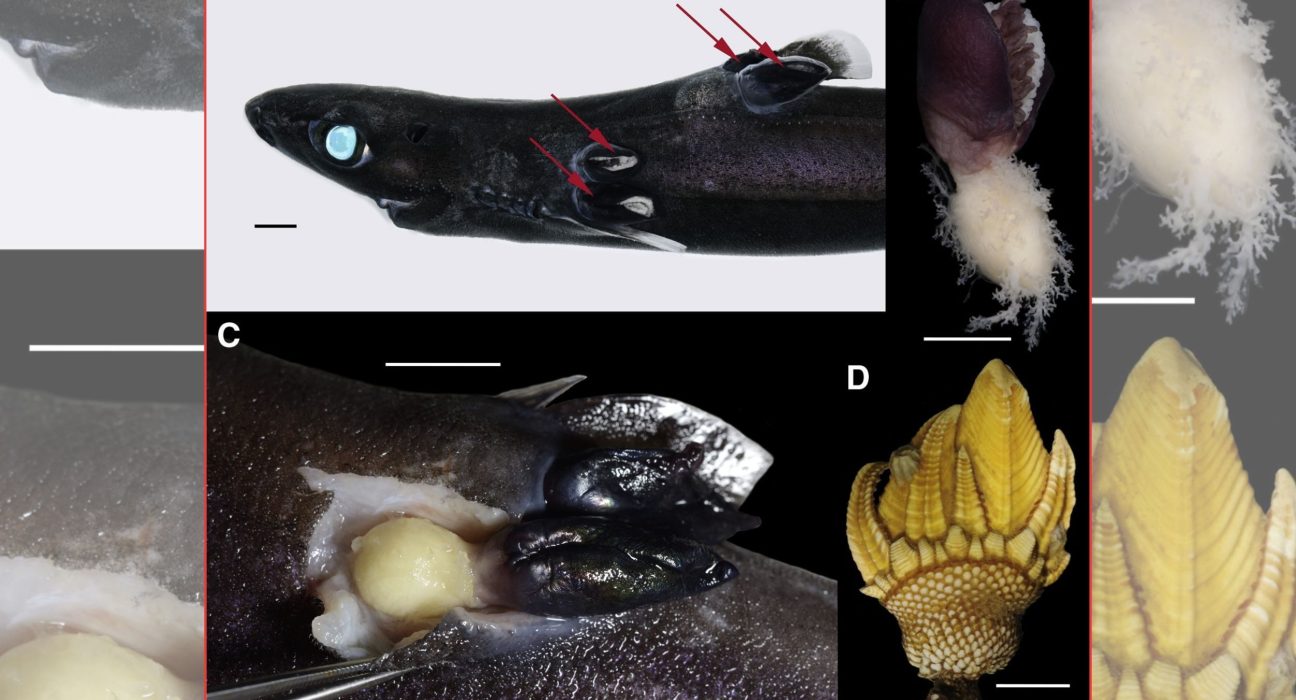
A common shoreline barnacle has been documented piercing deep-sea sharks and extracting nutrients directly from their flesh, marking a complete transition from filter feeding to parasitism. That shift captures an evolutionary turning point in living form, revealing how an ordinary marine animal can cross into a radically different way of life. A fjord transformation

Read More
Curiosity

Believed impossible, scientists manage to transform lead into gold

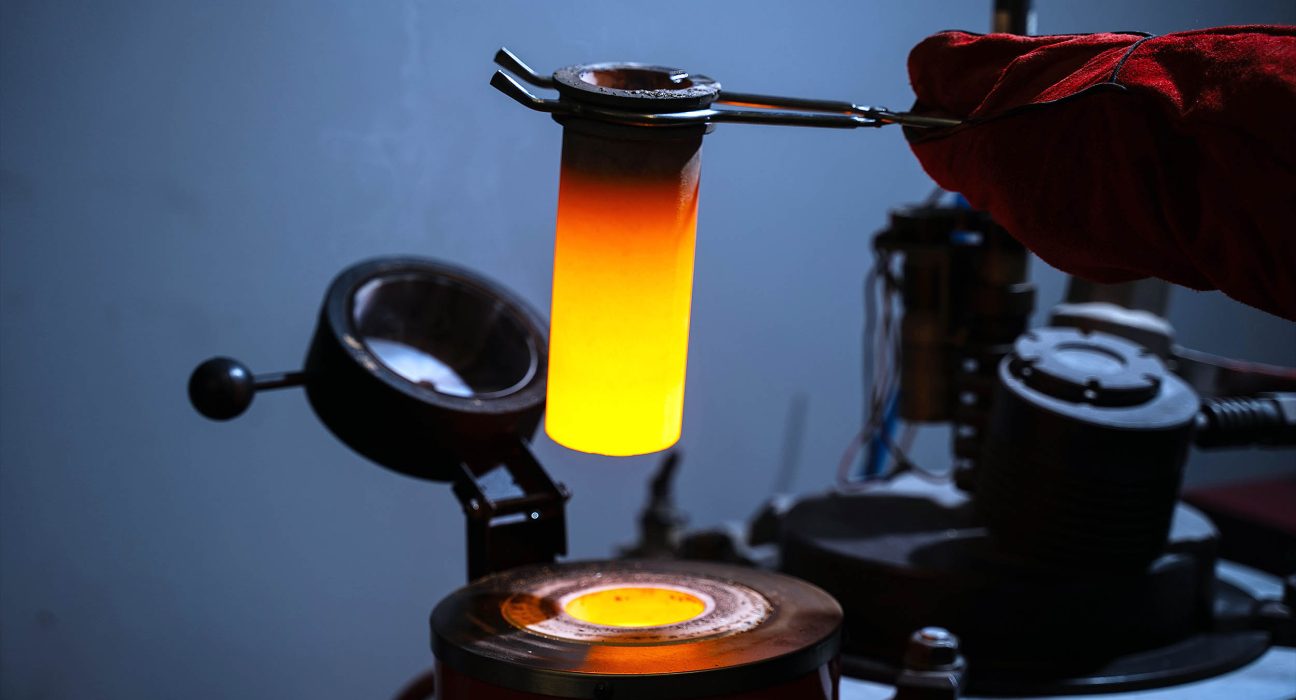
The 17-mile Large Hadron Collider (LHC), located beneath the French-Swiss border, regularly slams heavy ions together at near light speed. But on July 30, 2025, researchers reported something many thought belonged to folklore: lead ions momentarily changed into gold before decaying back into more ordinary matter. The analysis shows that a single run of lead

Read More
Curiosity

China invention turns desert sand into fertile soil in just 10 months

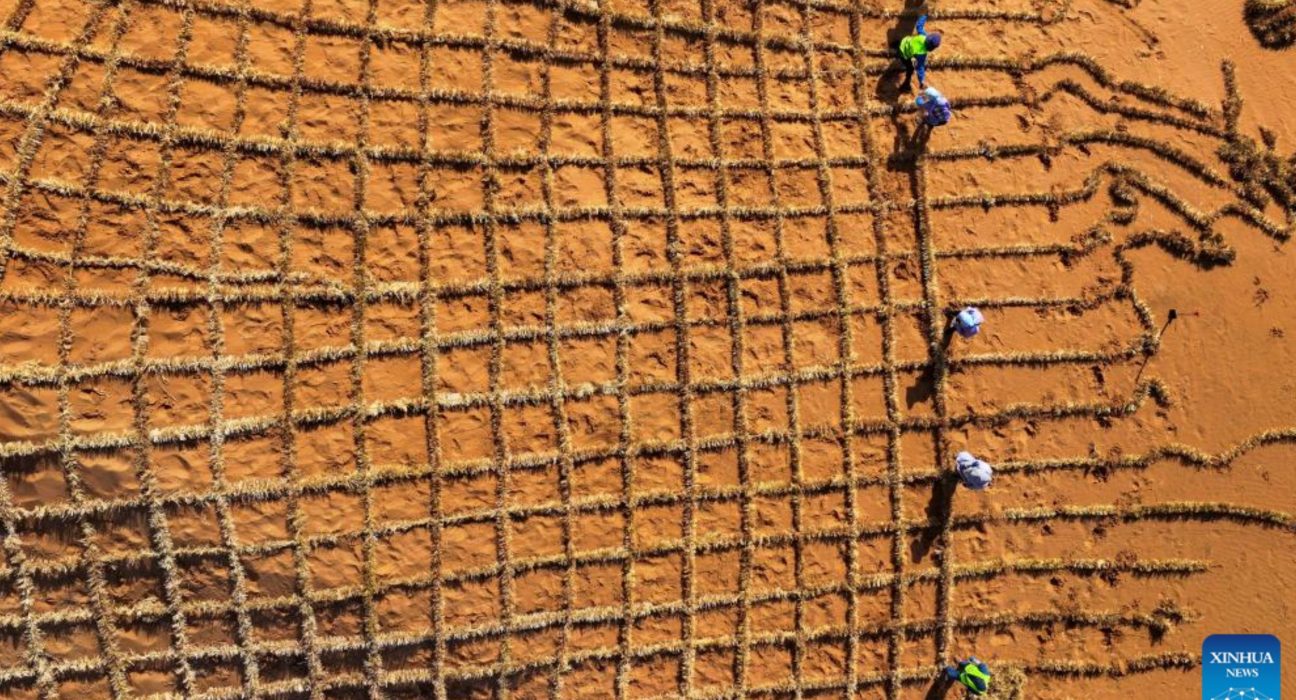
Scientists have used lab-grown microbes to bind loose desert sand into a thin, stable layer that wind cannot easily blow away. That stronger surface gives restoration teams time to plant shrubs and grasses before harsh winds and heat wipe out young plants. A crust takes hold On straw checkerboards laid across northwest China,

Read More
Curiosity

Oldest Fossilized Butthole Found in 290-Million-Year-Old Reptile : ScienceAlert

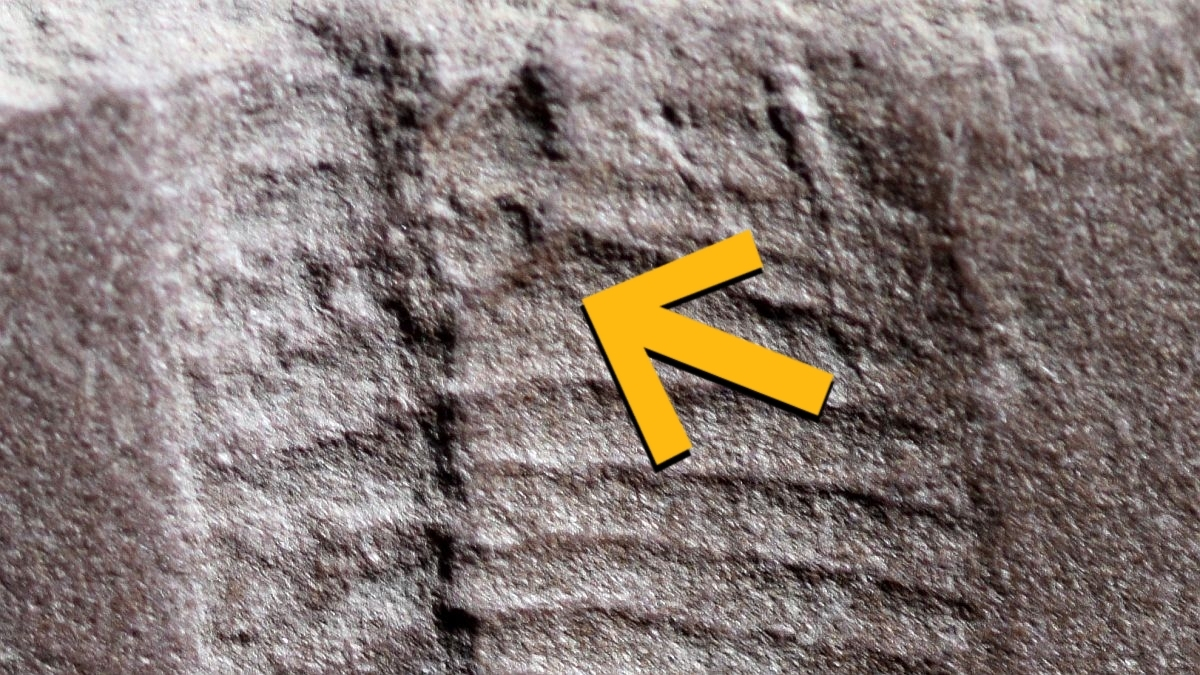
Once, long ago, a little reptile going about its business plopped itself down in the mud before getting up and carrying on with its day. Nearly 300 million years later, that brief rest has yielded the world’s earliest known fossilized imprint of reptile skin, complete with scales and – remarkably – what scientists interpret as

Read More
Curiosity

Life May Have Started as Sticky Goo, Long Before Cells Even Existed : ScienceAlert

Scientists have many theories about how Earth’s raw materials turned into living cells, but a new proposal is particularly slimy. In a recent paper, an international team argues that life may have first emerged within a blob of sticky goo clinging to a rock, long before true cells existed. Similar to the bacterial biofilms we

Read More
Curiosity

Scientists stunned after making grim Antarctic discovery: ‘We were very surprised’

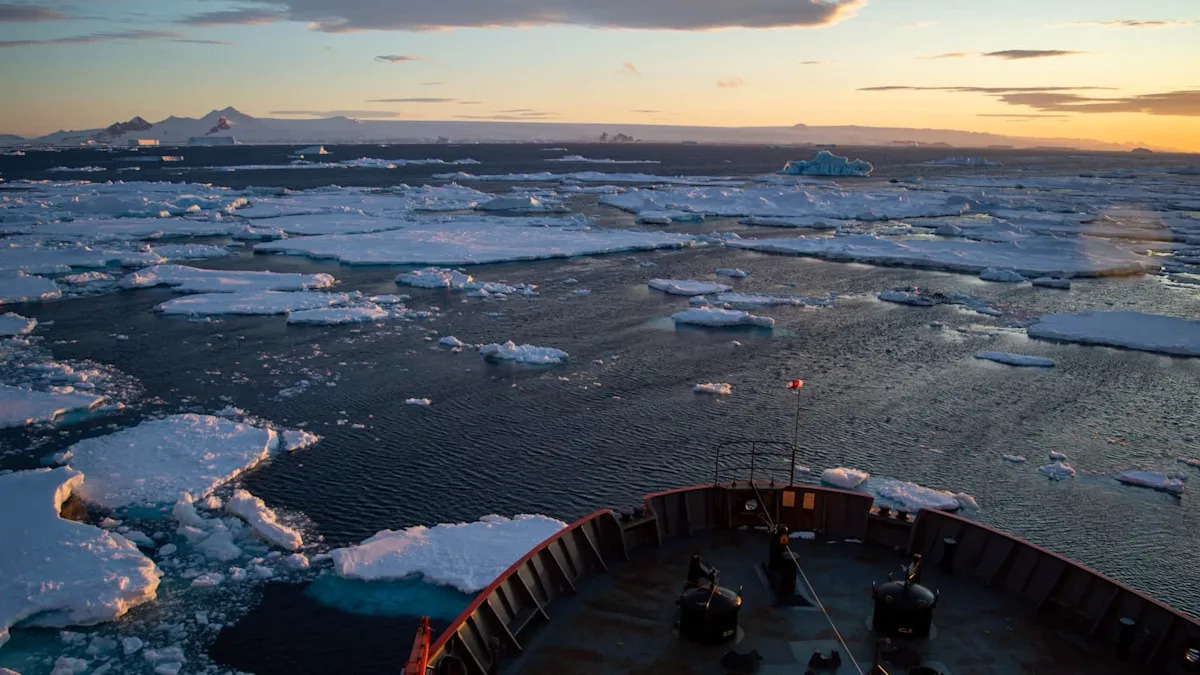
Researchers have found that the iron released by melting ice in West Antarctica isn’t in a form that benefits marine life. That may spell trouble for the ocean’s ability to absorb carbon pollution. What’s happening? According to ScienceDaily, the study found that iron released by melting ice in West Antarctica is not suitable for marine

Read More
Curiosity

The powerful software can reduce the time needed to simulate reactions with large molecules from weeks to just minutes.

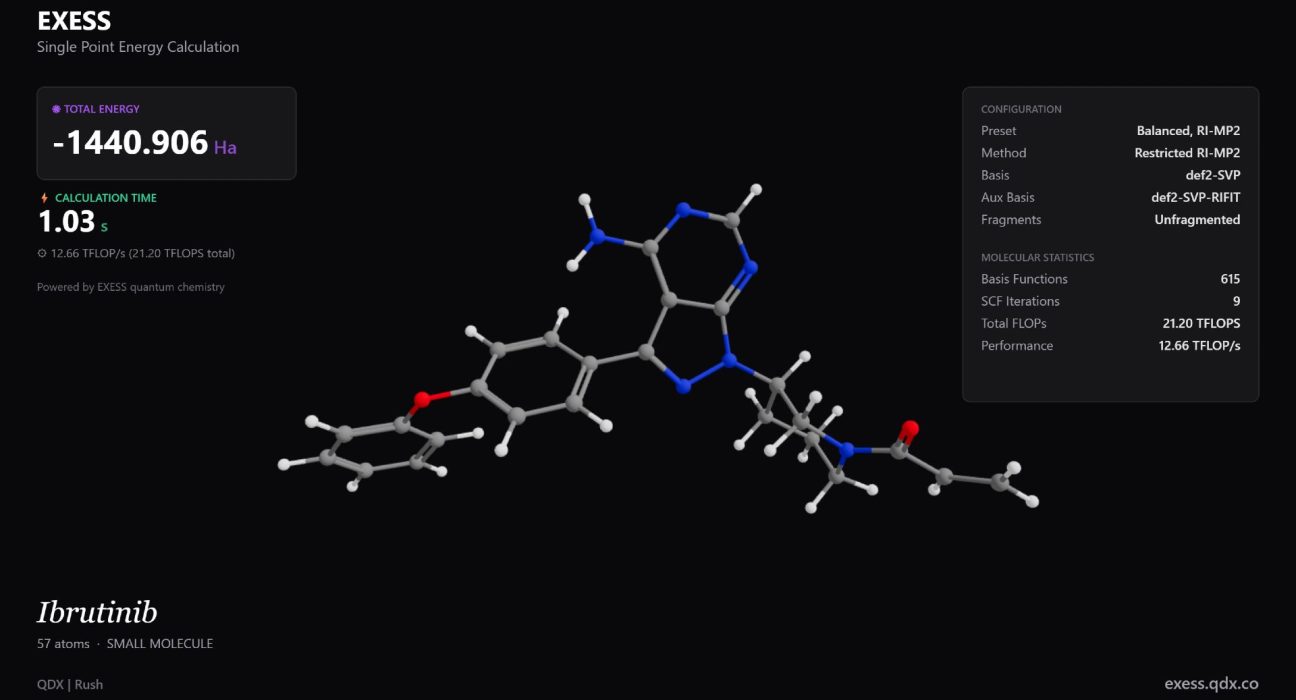
A powerful quantum chemistry engine is now available that can help scientists tackle complex chemical problems. The new technology could drastically speed up research in drug discovery, materials science and other fields, the system’s developer, QDX, claims. The Extreme-scale Electronic Structure System (EXESS) can perform more than 1 quintillion calculations per second to address questions

Read More