

2 March 2026
Chicago 12, Melborne City, USA

Curiosity

Curiosity

In The Ruins Of Chernobyl’s Reactor, Scientists Found A Fungus That Developed A Stunning Ability

Deep inside the wreckage of Chernobyl’s Unit Four reactor, a black fungus is doing more than surviving. Cladosporium sphaerospermum appears to grow in the presence of ionizing radiation, prompting scientists to question whether it may be interacting with radiation in a way no complex organism was previously known to do. Nearly 40 years after the


Read More
Curiosity

Consciousness May Have Existed 100 Million Years Before Life. The Proof Might Be in 121 Grams of Dust.

Over 4 billion years ago, an asteroid called Bennu was drifting through the solar system. Three years ago, NASA brought 121.6 grams of that space rock back to Earth. Scientists wanted to see if the sample contained clues about how life began. What they found instead was so much stranger: the sample contained molecules that

Read More
Curiosity

Could Melting Glaciers Actually Slow Climate Change?

It’s not easy to find silver linings amid the rapid, human-driven destabilization of Earth’s climate—though that hasn’t stopped researchers from trying. One longstanding theory suggests that glacial melt could actually help slow climate change by feeding algae, but a new study just dumped cold water on the idea. The findings, published in the journal Nature

Read More
Curiosity

115,000-Year-Old Human Footprints Found in Remote Desert Where They Shouldn’t Exist

The arid expanse of the Nefud Desert in the northern Arabian Peninsula currently holds some of the most hyper-arid conditions on Earth. However, the geological record indicates that this landscape underwent radical transformations during the late Pleistocene. Intervals of increased monsoon rainfall periodically converted these dunefields into a network of lush grasslands and perennial freshwater

Read More
Curiosity

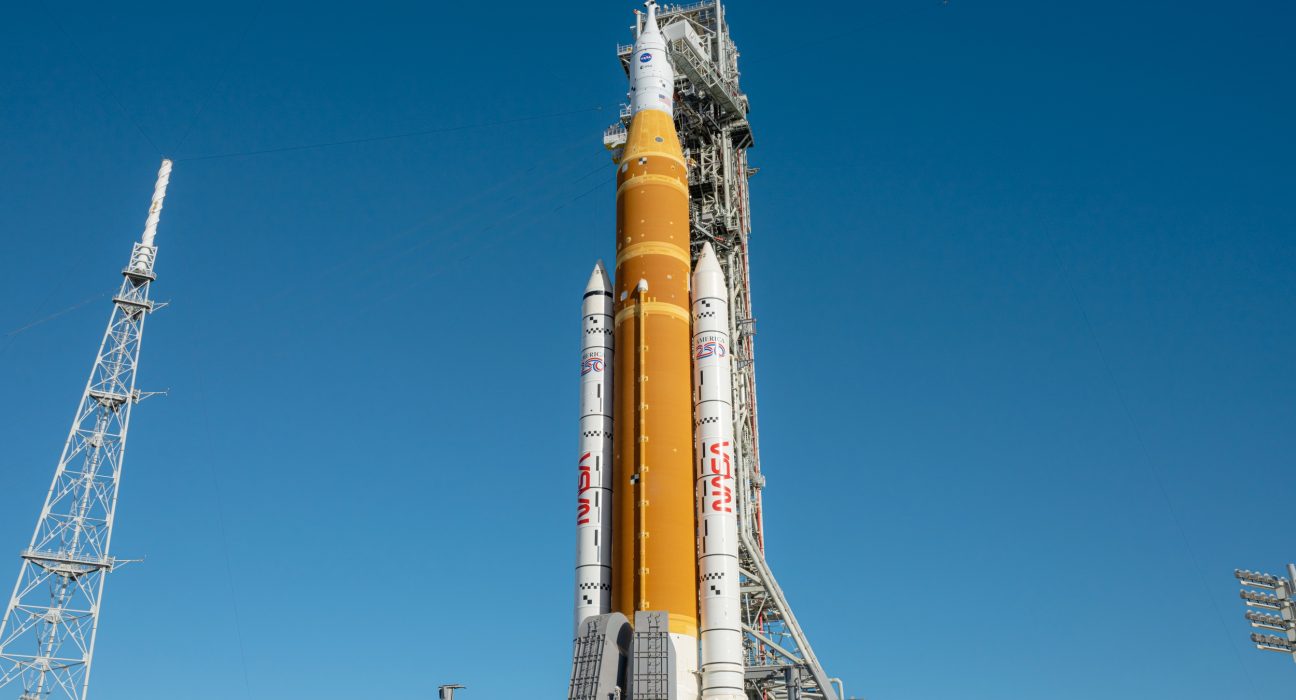
Nasa announces Artemis III mission no longer aims to send humans to moon | Nasa

Nasa announced on Friday radical changes to its delayed Artemis III mission to land humans back on the moon, as the US space agency grapples with technical glitches and criticism that it is trying to do too much too soon. The abrupt shift in strategy was laid out by the space agency’s recently confirmed administrator,

Read More
Curiosity

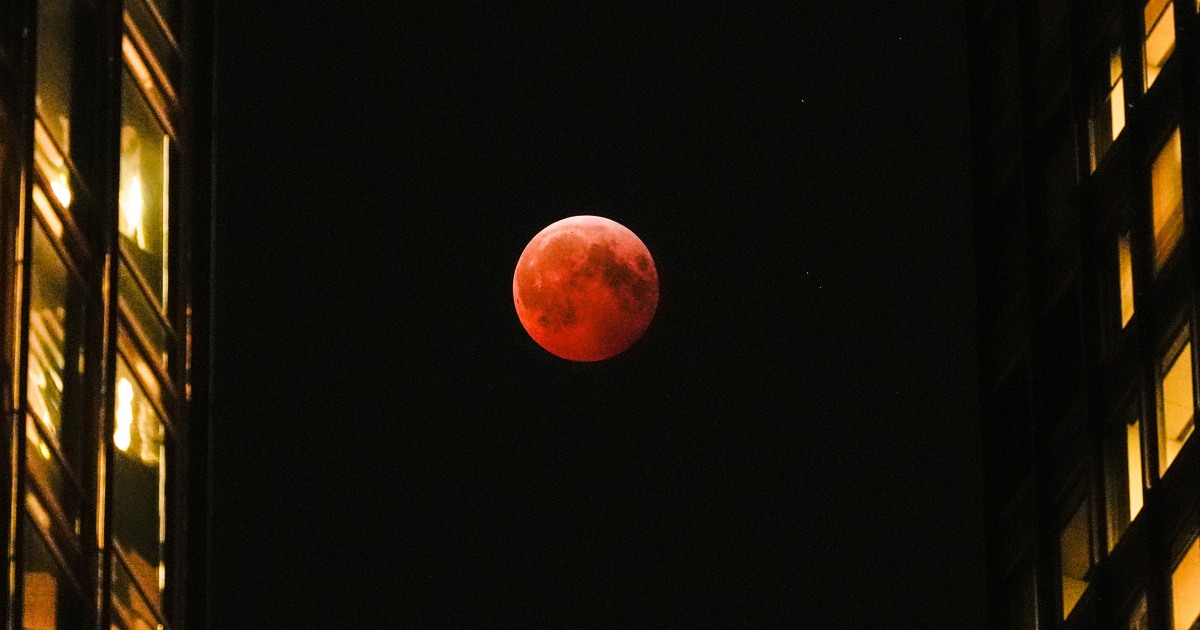
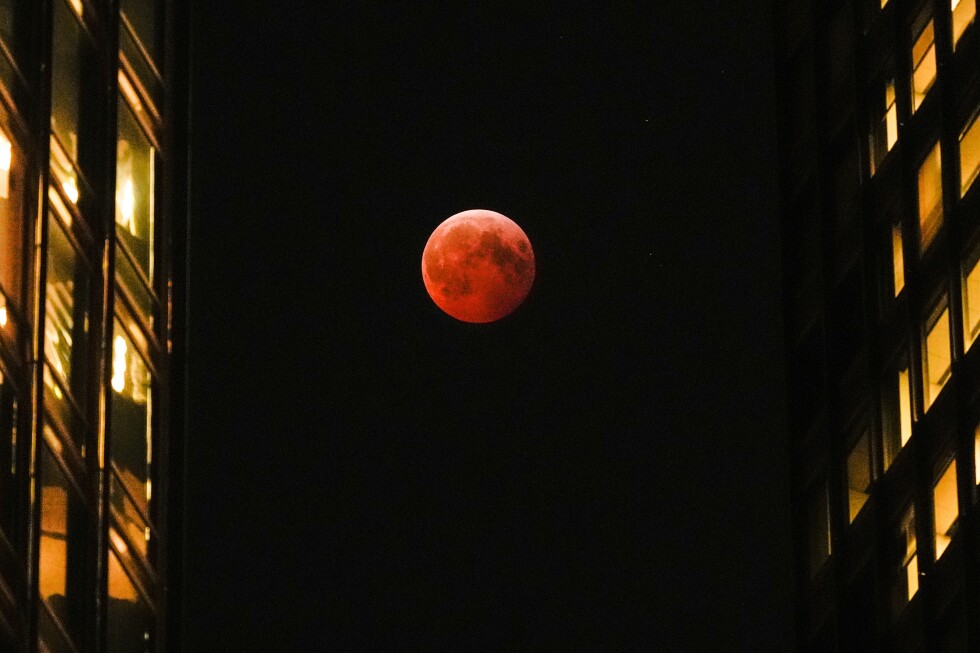
A total lunar eclipse will turn the moon blood red on Tuesday across several continents

A blood-red moon will soon grace the skies for a total lunar eclipse — and there won’t be another until late 2028. The spectacle will be visible Tuesday morning from North America, Central America and the western part of South America. Australia and eastern Asia can catch it Tuesday night. Partial stages of the eclipse

Read More
Curiosity

Total lunar eclipse 2026: Where to watch the moon turn red

NEW YORK (AP) — A blood-red moon will soon grace the skies for a total lunar eclipse — and there won’t be another until late 2028. The spectacle will be visible Tuesday morning from North America, Central America and the western part of South America. Australia and eastern Asia can catch it Tuesday night. Partial

Read More
Curiosity

NASA revises plans for future Artemis missions, cancels upgrades to SLS

Updated 12 p.m. Eastern with additional details and comments. WASHINGTON — NASA announced major changes to its Artemis lunar architecture, adding a test flight of lunar landers in low Earth orbit while canceling planned upgrades to the Space Launch System. At a Feb. 27 briefing, NASA said it would change the schedule of upcoming Artemis

Read More
Curiosity

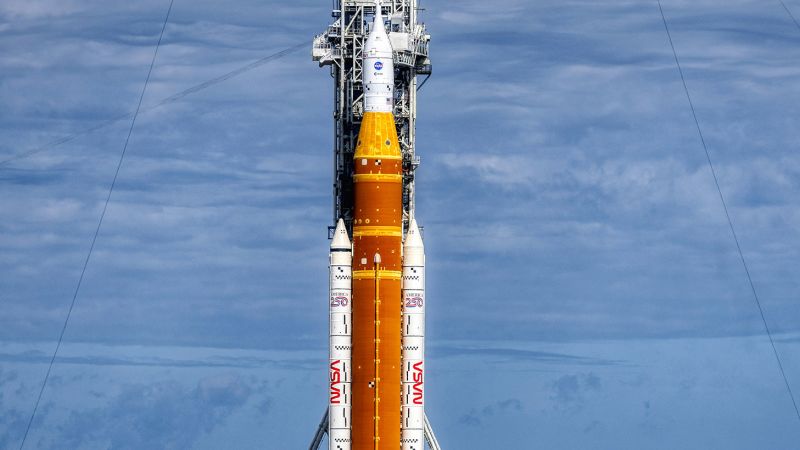
NASA abruptly adds a new step to its path to moon landing as a race with China looms

NASA on Friday announced an abrupt change to its pathway to getting astronauts back on the lunar surface, opting to add in an additional crewed test flight before attempting to land. Space agency officials said that “Artemis III” — the mission name that had previously been used to refer to a moon landing slated to

Read More
Curiosity

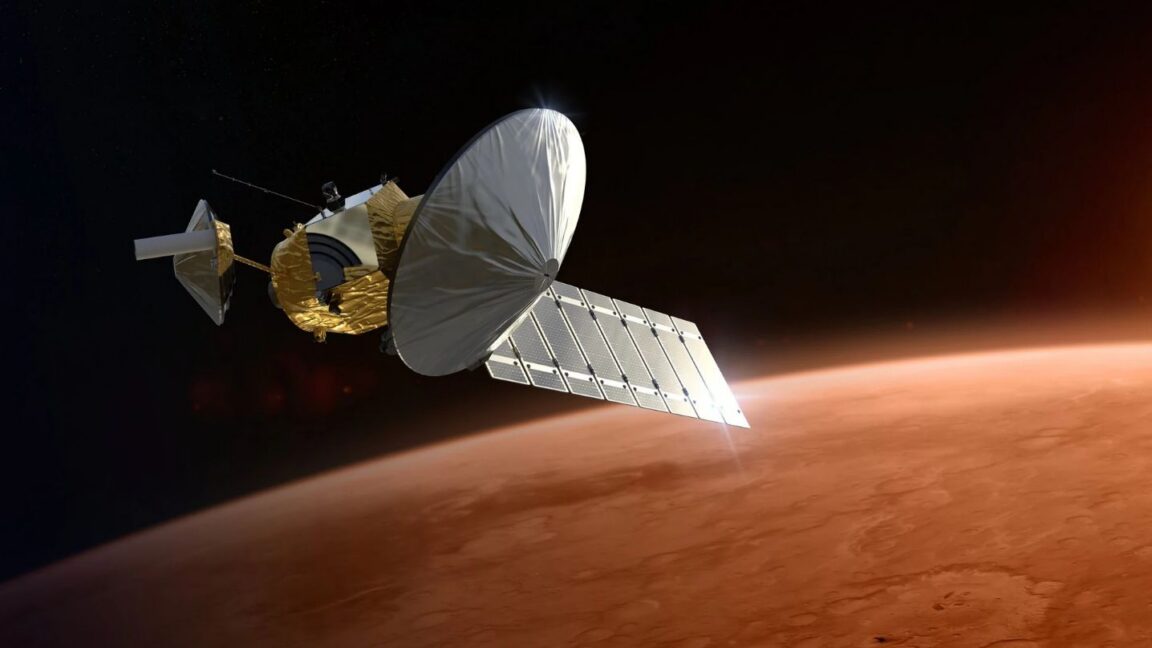
A non-public document reveals that science may not be prioritized on next Mars mission

The way this document is written suggests that when NASA scores bidders for the Mars Telecommunications Network, the addition of a camera or other scientific payloads won’t be a net positive. However, if they pose an overall risk to the mission, they would be a net negative. New award to Rocket Lab may complicate things

Read More