3 March 2026
Chicago 12, Melborne City, USA

Curiosity

Curiosity

Enormous ‘mega-blob’ under Hawaii is solid rock and iron, not gooey — and it may fuel a hotspot

A massive blob deep under Hawaii seems to be solid and iron-rich, new research finds. This blob — scientifically known as a mega-ultralow velocity zone — may anchor the Hawaii hotspot, an area where hot material rises through the mantle and drives the volcanic activity that created the Hawaiian Islands. “Because it’s iron-rich material, it

Read More
Curiosity

2-month-olds see the world in a more complex way than scientists thought, study suggests

DUBLIN — A new study suggests that babies are able to distinguish between the different objects they see around them at 2 months old, which is earlier than scientists previously thought. The findings, published Monday in Nature Neuroscience, may help doctors and researchers better understand cognitive development in infancy. “It really tells us that infants

Read More
Curiosity

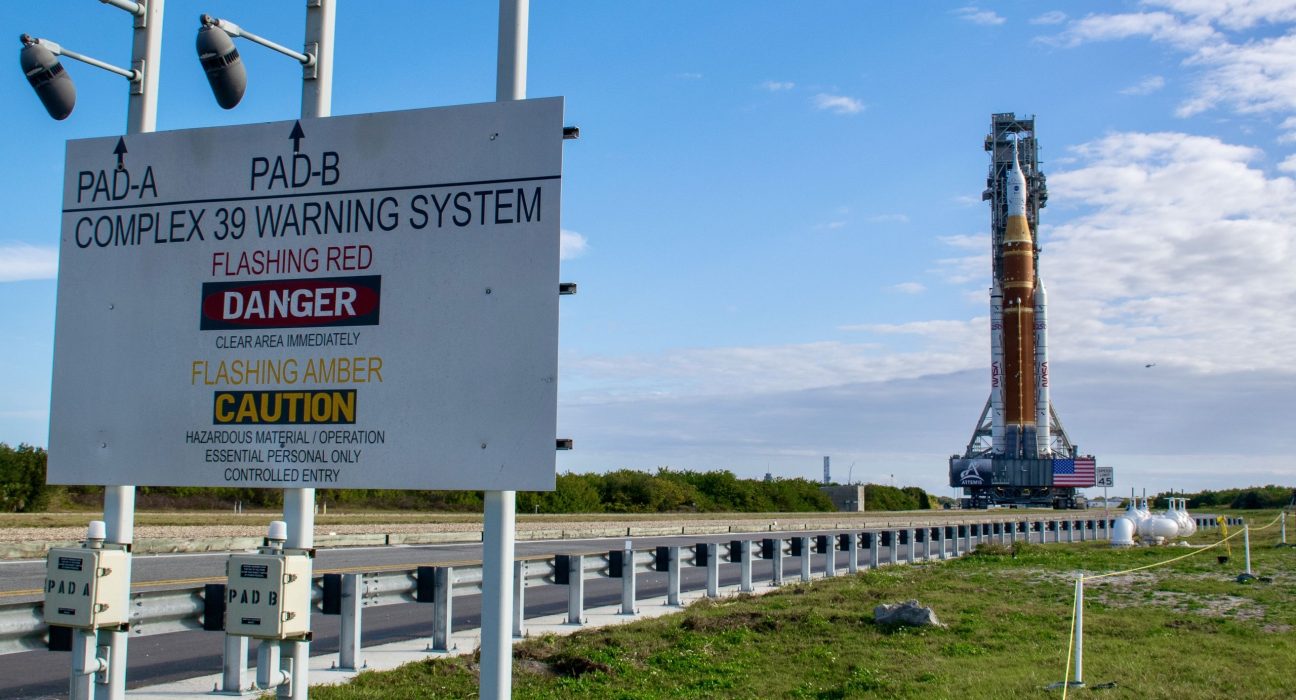
Artemis 2 SLS wet dress rehearsal latest news: NASA to update public on moon launch after fueling test

Refresh 2026-02-03T16:55:43.609Z Artemis 2 delay press conference at 1 pm ET With NASA’s decision to delay its Artemis 2 moon mission to no earlier than March, the space agency will share its reasons during a puhblic press coference today. The press briefing will begin at 1 p.m. EST (1800 GMT), and you’ll be able to

Read More
Curiosity

From Jupiter to Mercury: the brightest planets of February 2026

The two planets that are in prime position for evening visibility this month are, ironically, the two planets on opposite ends of the spectrum concerning size. The solar system‘s biggest planet, Jupiter, is in excellent position for observation this month of February, high in the east-southeast sky at nightfall and soaring high into the sky

Read More
Curiosity

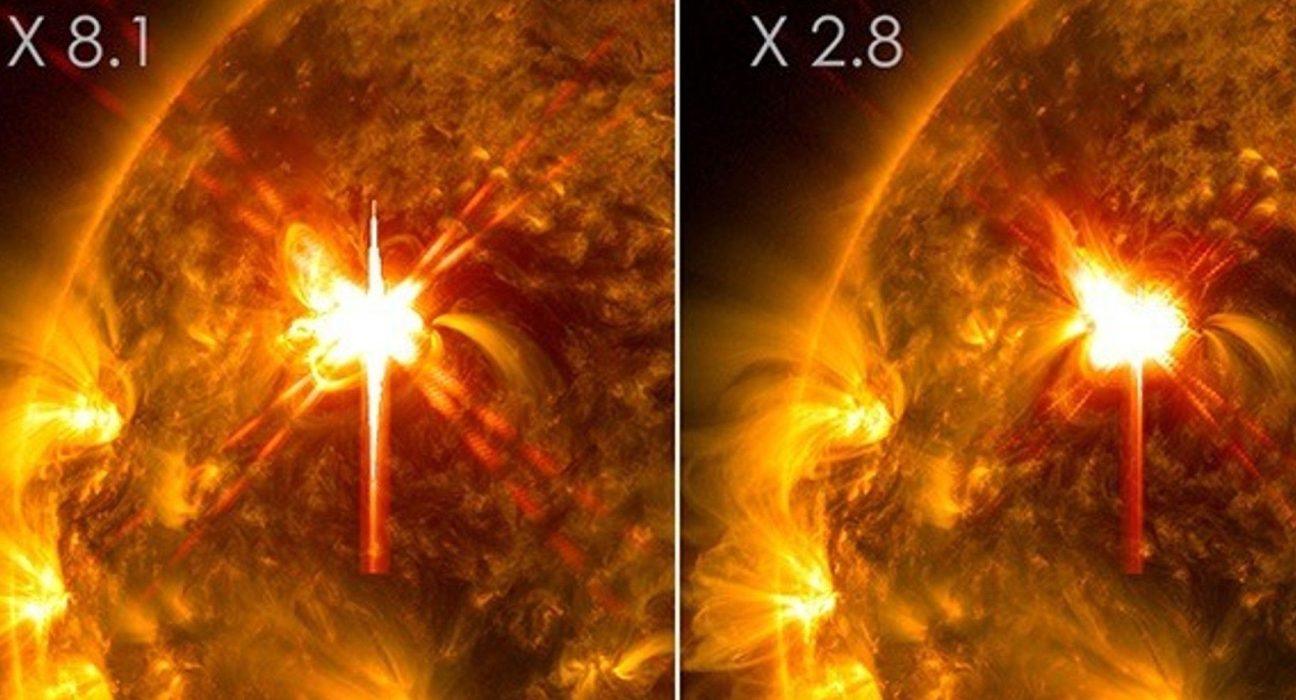
Auroras likely as most active sunspot in years turns toward Earth

Update, Feb. 3 at 11 a.m. ET: The monster sunspot region 4366 is now facing Earth, and shows no signs of weakening. It is the most active sunspot of the current solar cycle (cycle 25). NOAA predicts that a glancing blow from a massive CME released toward Earth is likely this week. A minor (G1)

Read More
Curiosity

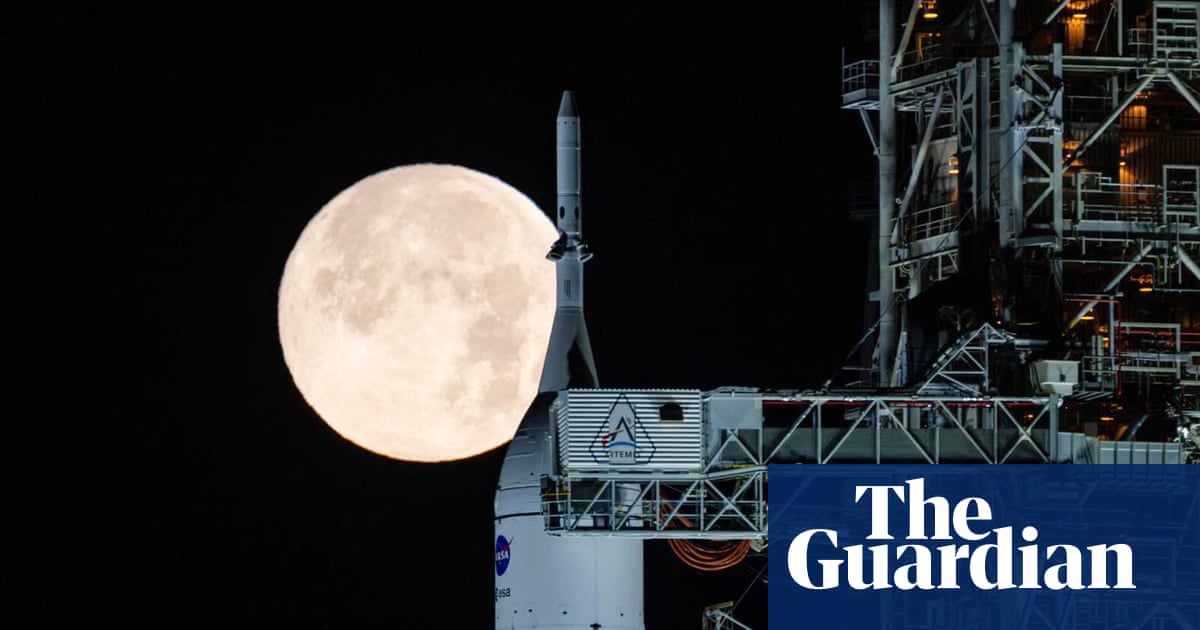
Nasa delays moon rocket launch by a month after fuel leaks during test | Nasa

Nasa has postponed its historic mission to send astronauts around the moon and back again, after issues arose during a critical test of its most powerful rocket yet. The US space agency had planned to launch the Artemis II mission from Kennedy Space Center in Florida as early as next week, but announced overnight that

Read More
Curiosity

Physicists push thousands of atoms to a ‘Schrödinger’s cat’ state — bringing the quantum world closer to reality than ever before

Physicists have put thousands of atoms into a “Schrödinger’s cat” state — smashing the record for the most macroscopic object to be observed in a quantum state. In a new study, researchers observed nanoparticles of 7,000 sodium atoms acting as a cohesive wave, pushing the strange world of quantum mechanics to new limits. Building on

Read More
Curiosity

February’s full moon dazzles skywatchers worldwide with a glistening ‘Snow Moon’

February’s full “Snow Moon” has risen, dazzling stargazers with an incredible performance as it climbed over the eastern horizon below the stars of the constellation Leo to flood the night sky with its icy light. The Snow Moon turned full in the early hours of Feb. 1, when the lunar disk sat opposite the sun

Read More
Curiosity

This Tiny Prehistoric Predator Could Hear You Whisper, Long Before Dinosaurs Walked the Earth

Thrinaxodon, a small carnivorous predator and cynodont from the Early Triassic period, has long intrigued paleontologists due to its anatomical similarities to modern mammals.Its mix of reptilian and mammalian features made it a likely candidate for studying transitions in key evolutionary traits. But until now, there was no solid biomechanical evidence linking it to the

Read More
Curiosity

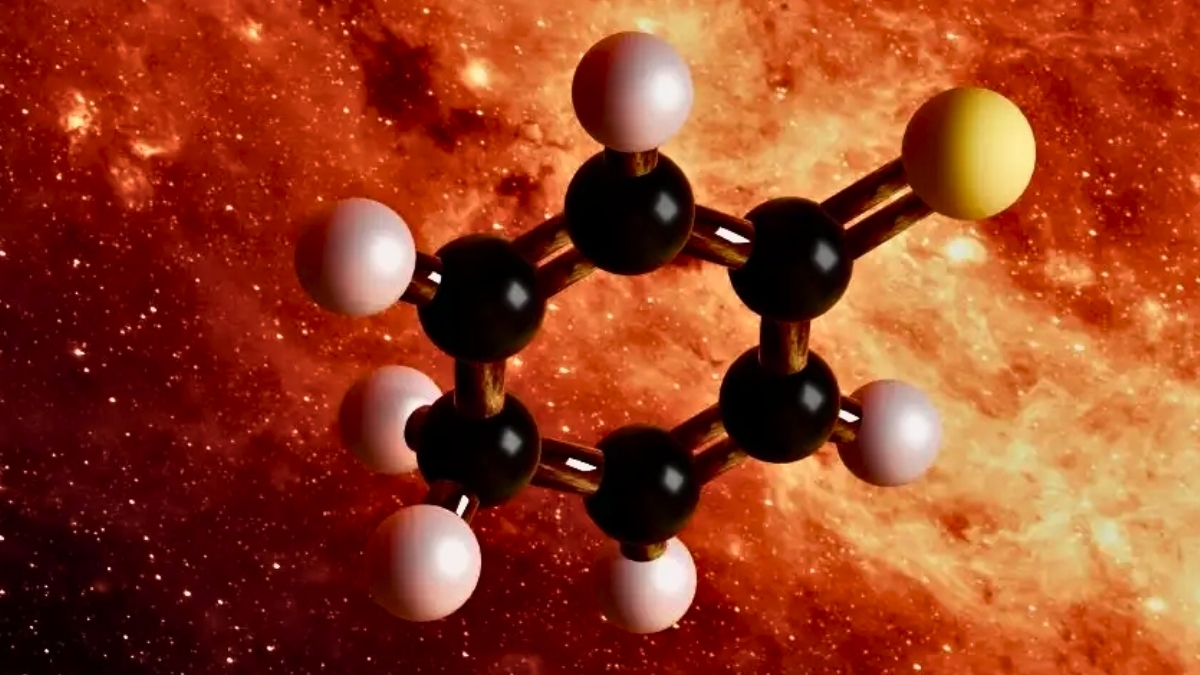
Astronomers Detect Complex Sulfur Molecule in Interstellar Space : ScienceAlert

In the heart of our galaxy, scientists have discovered the largest sulfur-bearing molecule ever detected beyond Earth, with significant implications for the study of the cosmic origins of life. The chemical is known as thiepine, or 2,5-cyclohexadiene-1-thione (C₆H₆S), a ring-shaped sulfur-bearing hydrocarbon produced in biochemical reactions. When examining the molecular cloud G+0.693–0.027, a star-forming region

Read More