

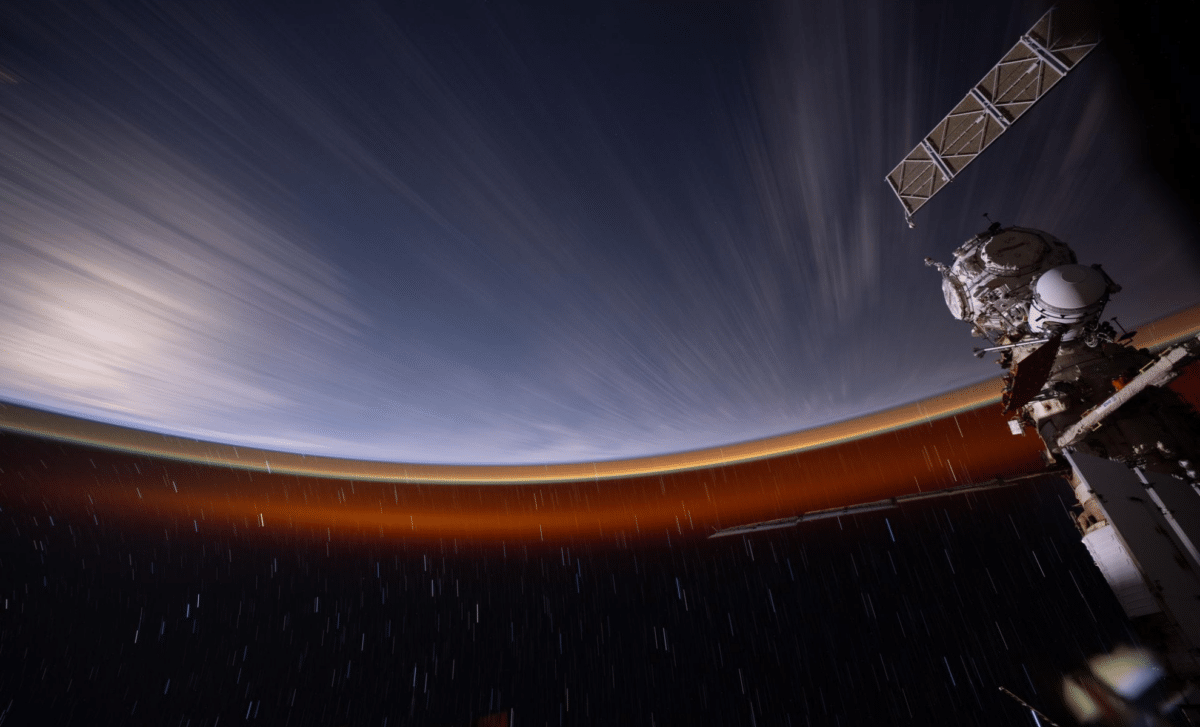
On March 19, 2026, NASA astronauts aboard the International Space Station (ISS) marked a pivotal moment in space exploration as they debriefed a crucial spacewalk, having completed a vital phase in the ongoing expansion of the ISS. The spacewalk, led by NASA’s Jessica Meir and Chris Williams, lasted over seven hours and set the stage for the installation of future solar arrays that will power the ISS for years to come. This milestone not only demonstrates the growing capabilities of human spaceflight but also emphasizes the critical teamwork and precision that fuel the success of long-term missions in low Earth orbit.
NASA’s Historic Spacewalk Marks New Era for ISS Expansion
NASA astronauts Jessica Meir and Chris Williams, alongside their colleagues Jack Hathaway and Sophie Adenot, embarked on a groundbreaking spacewalk on March 18, 2026, to complete a pivotal task: preparing the ISS for the installation of roll-out solar arrays. The astronauts spent over seven hours outside the station, securing the 2A power channel that will soon house new solar arrays designed to boost the station’s energy supply. For Meir, this was her fourth spacewalk, while Williams achieved a personal milestone as it was his first. This mission has critical implications for the long-term sustainability of the ISS and its ability to support future missions beyond low Earth orbit.
In the days following this remarkable spacewalk, the crew took time to rest and review their work. Their debriefing allowed ground teams to assess the operation’s success and ensure that every aspect of the mission met the rigorous standards set by NASA. The spacewalk was not just a technical triumph but a moment that highlighted the rigorous training and collaboration that make these complex missions successful.
Spacewalks: A Crucial Step Toward Solar Array Installations
The spacewalk was a necessary step in preparing the ISS for the future addition of roll-out solar arrays, which will dramatically increase the station’s power capabilities. These new solar arrays are crucial for maintaining the ISS’s operations, especially as the current arrays near the end of their operational life. The installation of these arrays will support ongoing scientific research and international collaboration, reinforcing the ISS as an indispensable tool for scientific discovery and technology testing in space.
During the spacewalk, Meir and Williams attached several pieces of hardware and completed essential setup tasks that will allow the new solar arrays to function effectively. This work forms a cornerstone in NASA’s broader plans to modernize the ISS, ensuring it remains a vital hub for space exploration.
The Human Element: Teamwork and Precision in Space
While the technical achievements of the spacewalk are significant, the human element of space exploration remains at the heart of every success. The astronauts’ teamwork, coordination, and communication with ground control were integral to completing the spacewalk safely and efficiently. Hathaway and Adenot, who monitored the spacewalk from the ISS, played crucial roles by assisting Meir and Williams with their spacesuit preparation and ensuring their safety throughout the operation. This collaborative approach is a hallmark of every NASA mission, where human expertise and technological innovation work hand-in-hand to achieve extraordinary outcomes.
These types of spacewalks require years of training and preparation. Each astronaut must be equipped with not only technical knowledge but also the physical and mental endurance to perform in the extreme conditions of space. The ability to perform under pressure, adapt to unforeseen challenges, and rely on the precision of their training is what makes spacewalks like these possible.
The Global Impact of NASA’s Spacewalks on Future Space Missions
NASA’s ongoing work on the ISS provides invaluable insights into the effects of long-duration spaceflight on the human body, the development of new technologies, and the future of space missions. The data gathered from these missions will contribute to a deeper understanding of how to sustain human life in space for extended periods, a necessity for missions to the Moon, Mars, and beyond. By maintaining and enhancing the ISS’s capabilities, NASA is also laying the groundwork for international partnerships and collaboration that will shape the future of space exploration.
As space agencies around the world look toward the Moon and Mars, NASA’s work on the ISS remains a critical part of global efforts to advance space exploration. These missions not only foster international cooperation but also demonstrate the importance of maintaining a shared infrastructure in space to support the ambitions of tomorrow’s astronauts.
First Appeared on
Source link






Leave feedback about this