

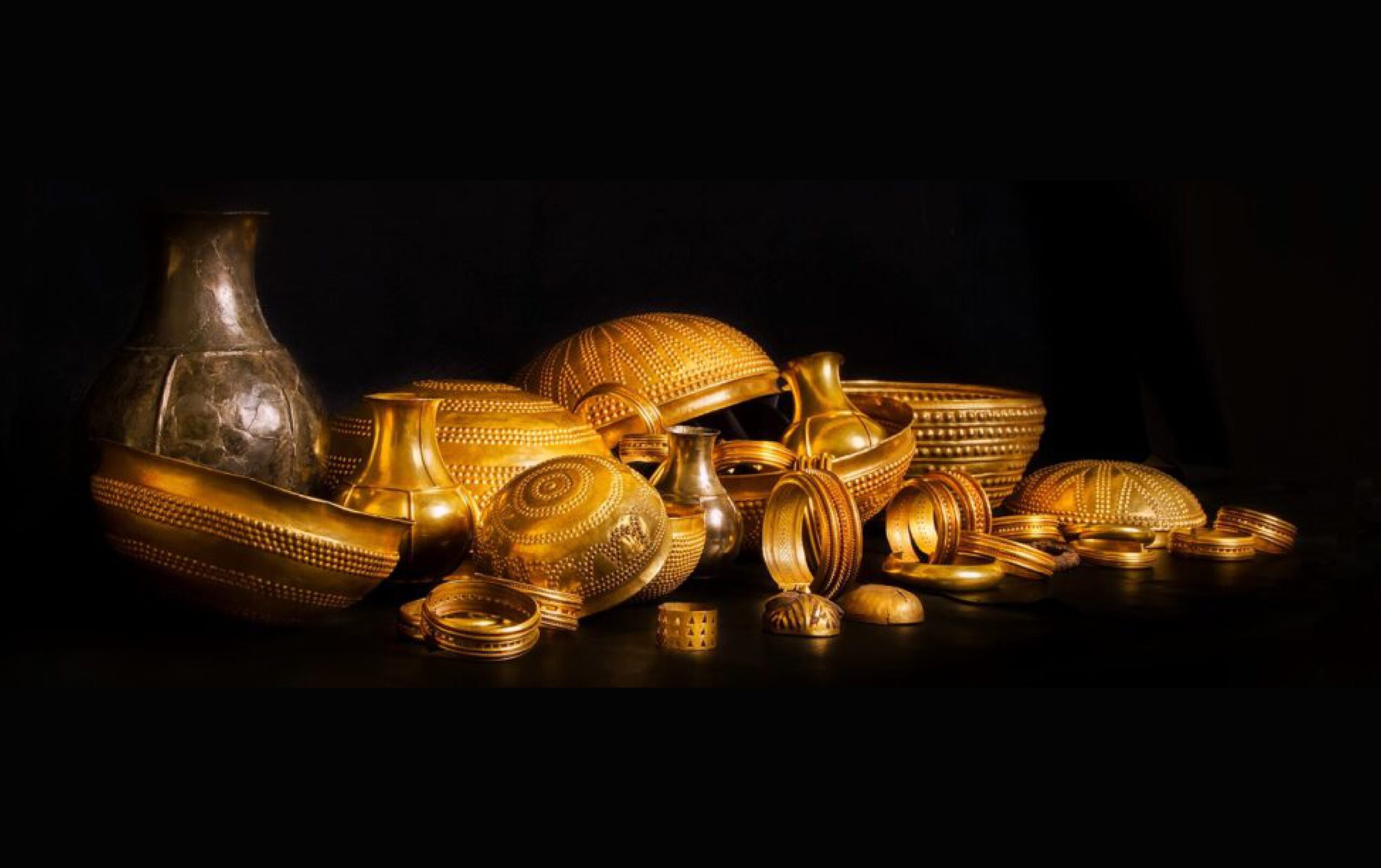
Hidden in a small city museum in southeastern Spain lies a Bronze Age hoard that long puzzled archaeologists. The Treasure of Villena contains 66 objects, mostly gold and silver, with a few stray pieces of iron so unusual that for decades experts could not explain where the metal came from. The airless display cases show bracelets, necklaces, and small ornamental vessels, their surfaces reflecting the soft light of the gallery like they did 3,000 years ago in a forgotten ritual center. The hoard’s composition and craftsmanship have drawn international attention, with recent research spotlighting its unusual meteoritic iron components.
What made the hoard stand out was not just its beauty, but a technical anomaly. The iron items in the Treasure of Villena looked different from the terrestrial iron tools that appeared later in the Iron Age. They were small, highly polished, and unusually resistant to corrosion, which suggested the metal had a special composition. For years, the objects were catalogued as rare but unexplained examples of early ironwork, with no clear source identified. Detailed analyses later revealed that at least two of these pieces were made from meteoritic iron, linking the hoard to material from beyond Earth.
The hoard was discovered in 1963 by a civil engineer digging foundations near the town of Villena, in the province of Alicante, Spain. The Archaeological Museum “José María Soler” in Villena now houses the collection, showcasing it as one of the most important prehistoric metal hoards in the western Mediterranean. The objects date to roughly 1400–1200 BC, a period when bronze dominated weapons and tools and iron was still extremely scarce. The museum’s displays present the 66‑piece assemblage in chronological order, helping visitors grasp how valuable metal was in Late Bronze Age society.
A Meteorite in the Bronze Age Collection
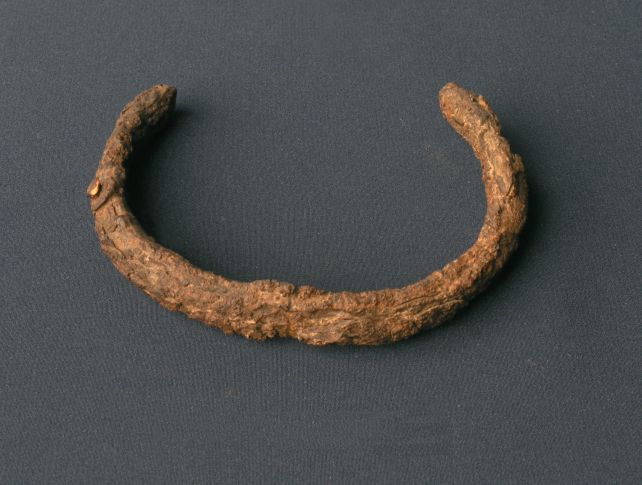
The breakthrough came from a team led by Salvador Rovira‑Llorens, a researcher at the Instituto de Historia of the Consejo Superior de Investigaciones Científicas (CSIC) in Madrid. The team focused on two iron objects from the Treasure of Villena: a small bracelet and a hollow hemisphere often interpreted as a decorative element.
Using mass spectrometry and other analytical techniques, the researchers examined the nickel content and overall chemical signature of the metal in these objects. Their work was later summarized in a public‑facing article that explained how the meteoritic iron fragments were likely treated as rare, high‑status materials.
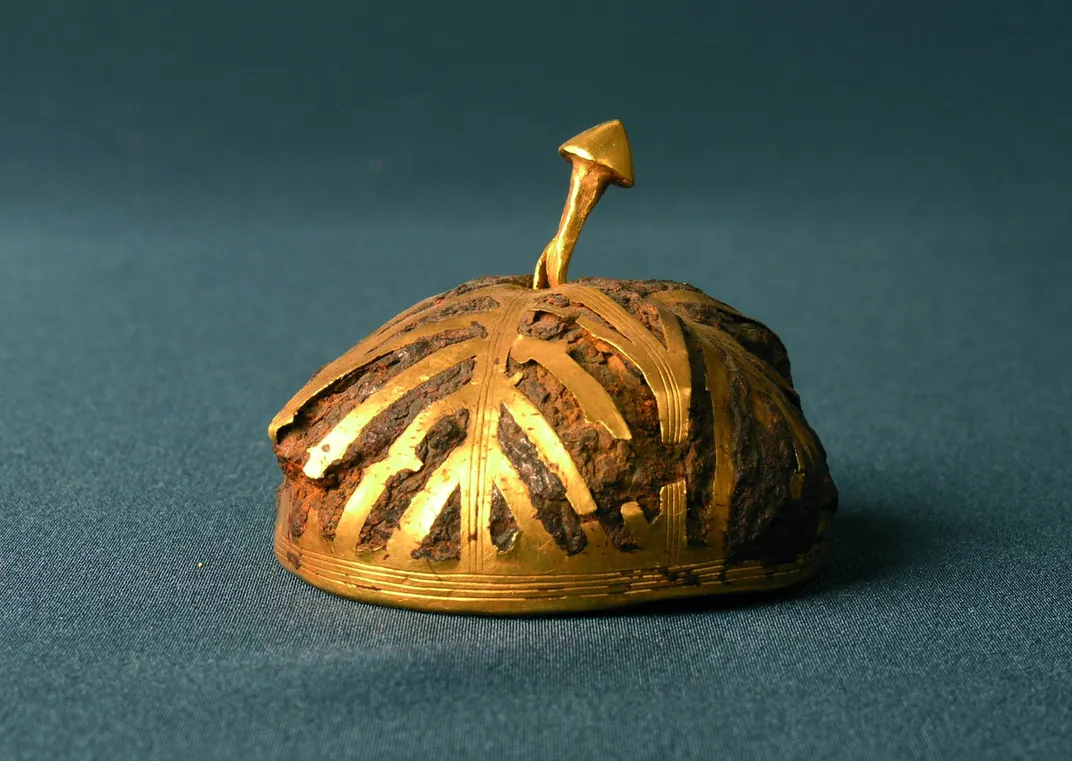
Their analysis revealed that the metal was not ordinary Earth‑sourced iron at all. Instead, it contained a nickel signature characteristic of meteoritic iron, material that originated from a meteorite that fell to Earth. The two objects represent the first known use of meteoritic iron in the Iberian Peninsula, suggesting that Late Bronze Age metallurgists either obtained or repurposed a rare cosmic metal for elite artifacts.
In their paper, published in Trabajos de Prehistoria, the researchers note that the data “suggest that the cap and bracelet from the Treasure of Villena would currently be the first two pieces attributable to meteoritic iron in the Iberian Peninsula, which is compatible with a Late Bronze chronology, prior to the beginning of the widespread production of terrestrial iron.”
This finding places the Treasure of Villena alongside other famous meteoritic‑iron objects, such as the dagger in Tutankhamun’s tomb, reinforcing the idea that ancient cultures across Eurasia and North Africa sometimes incorporated space rock into symbolic or luxury items.
The discovery also highlights how far prehistoric metalwork had advanced before the Iron Age, even with limited access to terrestrial iron ores. Public‑facing coverage of the research has helped bring wider attention to the museum and the broader significance of Late Bronze Age metallurgy in Spain.
How Ancient Craftsmen Used Space Rock
The bracelet and the hollow hemisphere are small but technically sophisticated. The bracelet shows evidence of careful hammering and shaping, while the hollow hemisphere has a smooth, almost mirror‑like surface that reflects light in a way typical of well‑worked metal. The corrosion‑resistant nature of the iron pieces likely helped preserve their appearance over millennia, making them stand out even among the more numerous gold and silver objects on display at the Archaeological Museum “José María Soler”.
To confirm the meteoritic origin, the team compared the chemical composition of the Villena pieces with known meteoritic samples and with terrestrial iron ores. The high nickel content, along with specific trace elements, matched meteoritic sources rather than typical iron ores available in the region. The pattern is consistent with iron meteorites, which are fragments of the cores of small planetary bodies that never formed into full planets. These space rocks often contain iron‑nickel alloys that can be worked by skilled metalworkers, even in the Bronze Age, and the Treasure of Villena now stands as a key example of such early use.
The discovery adds a new layer to the story of the Treasure of Villena. Rather than being a simple collection of gold and silver elite goods, the hoard now includes at least two objects made from a rare, possibly symbolic material that fell from the sky. The Late Bronze Age communities in the area may have had access to a meteorite fragment or acquired it through trade networks that connected Iberia with other regions of the Mediterranean. The metal’s origin would have been unknown to them, but its unusual appearance and hardness might have made it prized for ceremonial or prestige objects.
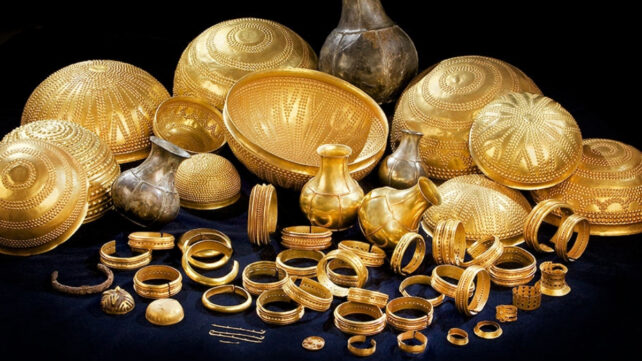
The Treasure of Villena consists of 21 gold objects, 27 silver pieces, 18 amber beads, and these two iron items, all placed together in a buried deposit. The way the objects were arranged suggests a deliberate act of deposition, possibly related to ritual or social change. The Archaeological Museum “José María Soler” in Villena continues to display the hoard, offering visitors a chance to see Bronze Age artistry that, in two small pieces, literally came from beyond our planet.
First Appeared on
Source link





Leave feedback about this