

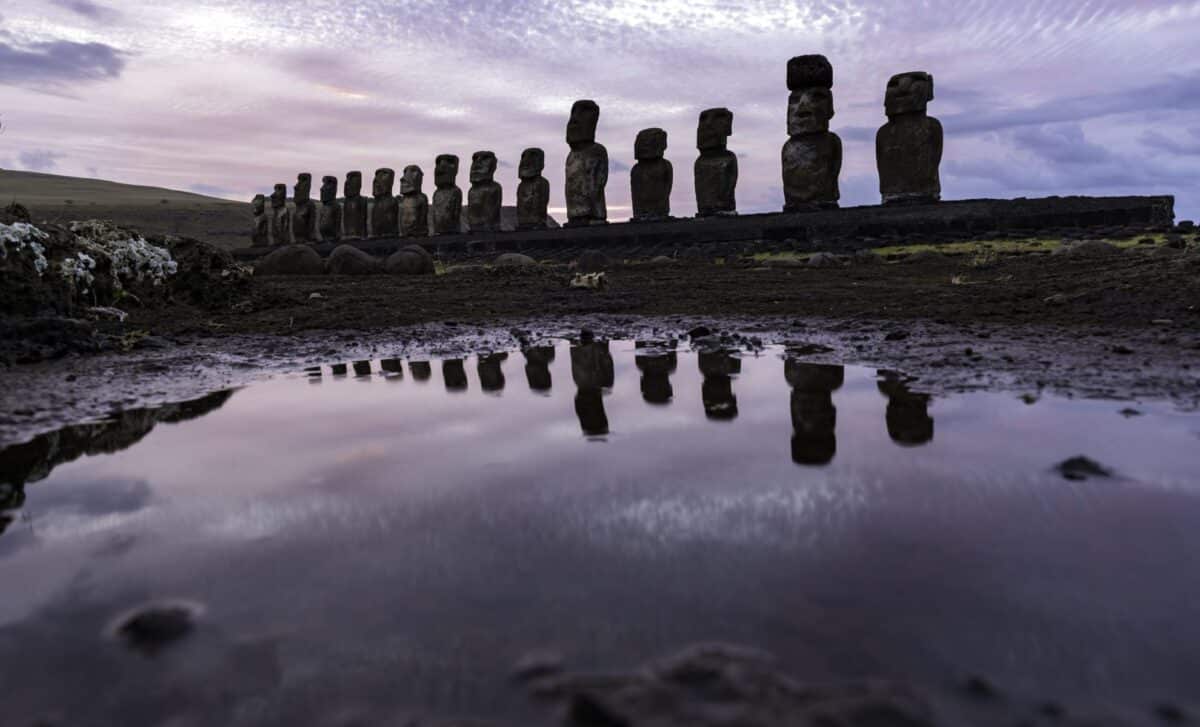
A hidden statue has been revealed in the dried bed of a lake on Rapa Nui, surprising researchers who thought the island’s statues were fully documented. More than 1,000 moai have been located and logged across Easter Island, most carved from volcanic tuff, a rock formed from compressed ash and dust. For years, specialists assumed the archaeological record was largely complete.
The newly uncovered statue challenges that assumption. Its presence in a former lakebed adds an unexpected chapter to the long study of these monumental figures created by the Rapa Nui people.
A First in a Former Lake
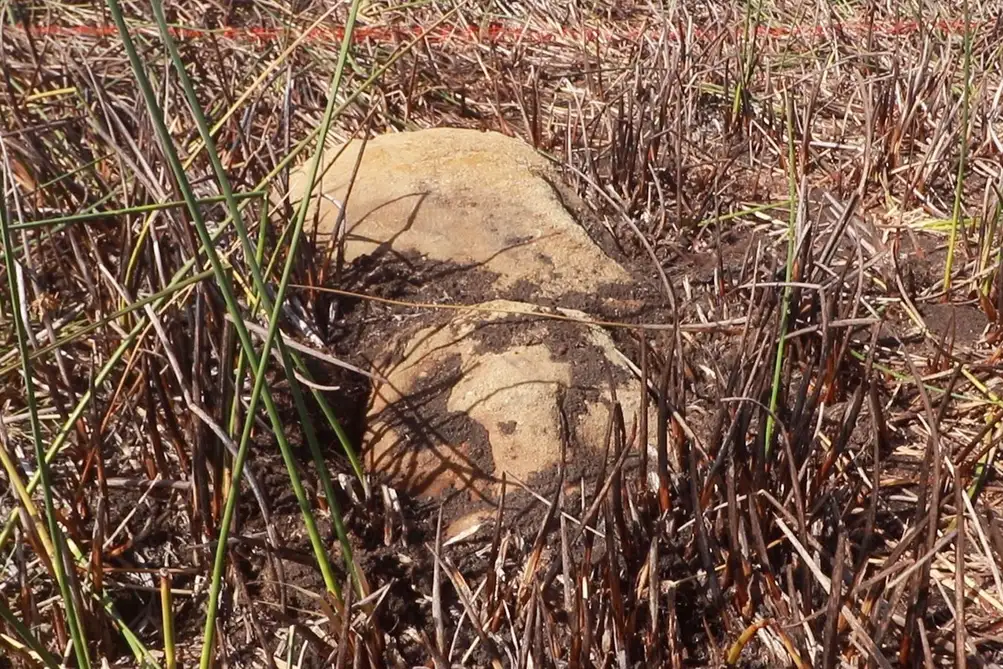
The find was identified in the dry basin of a lake near a statue quarry. According to Good Morning America, Terry Hunt, professor of archaeology at the University of Arizona, stressed the unprecedented nature of the find.
“We think we know all the moai, but then a new one turns up, a new discovery, and in this case, in the lake, at the statue quarry,” Hunt said, as reported by GMA. He added that no moai had ever been found “in the dry bed or in what was previously a lake,” calling it a first.
Dry Conditions Lift Nature’s Veil
The discovery was made possible by ongoing dry conditions that exposed the lake floor. The area had long been covered by tall reeds, which obscured what lay beneath. In the same report, Hunt explained that subsurface detection tools might reveal more figures concealed within the lakebed sediments.
“Under the dry conditions that we have now, we may find more,” he also noted, “When there’s one moai in the lake, there’s probably more.”
The current environmental situation has therefore opened access to terrain that had previously remained out of sight.
One Of The Smallest Moai Recorded
The newly discovered colossal figure is described as one of the smallest found on the island. While the largest moai reaches 32 feet in height and weighs 86 tons, most average about half that size.
Roughly 95 percent of the statues were carved from volcanic tuff, while a few were made from basalt. Each moai was crafted to reflect the characteristics of a specific individual, often a chieftain or key leader. The eyes were added only after the stone figure reached its final resting place.
The find also surprised local authorities. As explained by Salvador Atan Hito, vice president of Ma’u Henua, the organization overseeing the island’s national park, the statue was unknown even within local memory.
“For the Rapa Nui people, it’s [a] very, very important discovery,” he said, ” Because it’s here in the lake and nobody knows this exists, even the ancestors, our grandparents don’t know [about] that one.”
First Appeared on
Source link





Leave feedback about this