

By Nehal Malik
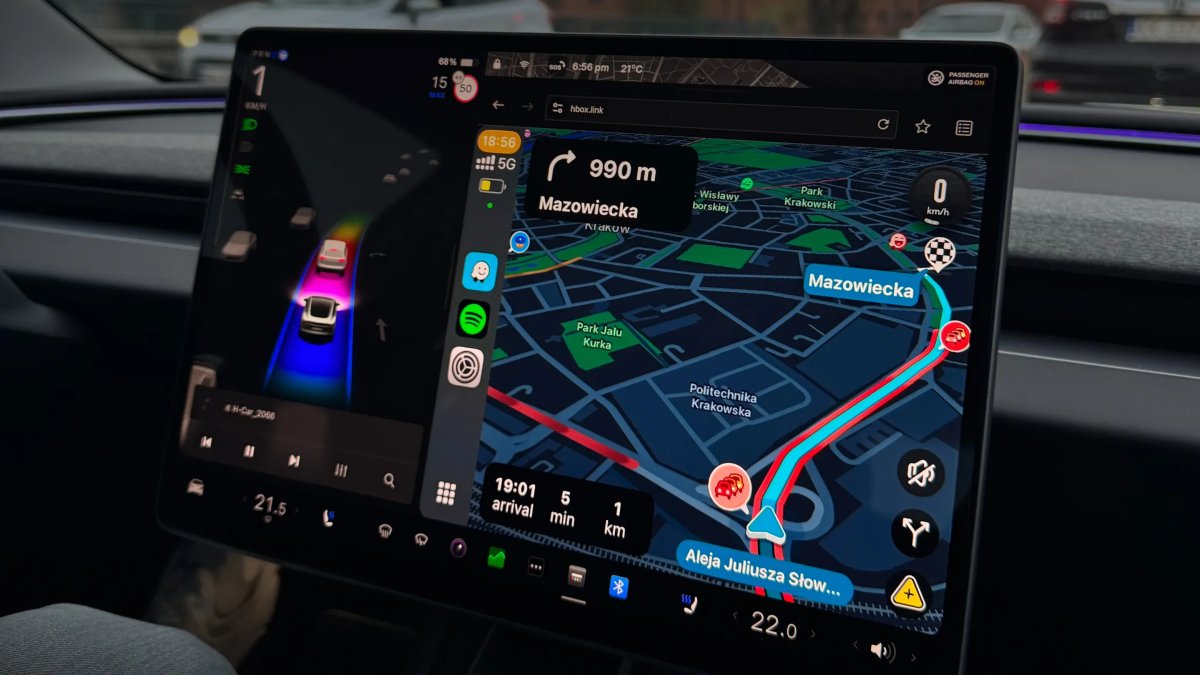
As the rumors of Tesla adding CarPlay support to its vehicles continue, Apple is reportedly making CarPlay even more attractive by turning it into more than just a navigation and music tool. While CarPlay doesn’t currently support AirPlay, recent findings in the iOS 26.4 beta suggest that Apple is laying the groundwork for an AirPlay-like feature that would let users watch Apple TV directly on their vehicle’s dashboard.
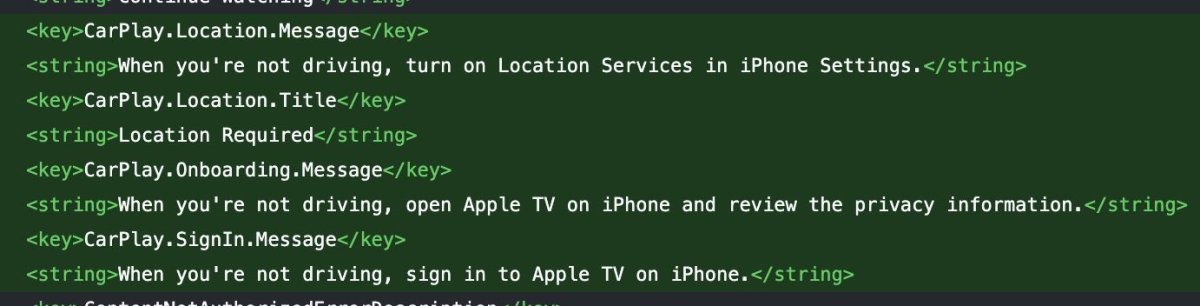
The discovery was first shared by MacRumors analyst Aaron Perris (@aaronp613), who found code strings pointing toward a dedicated Apple TV experience within CarPlay. One specific message found in the code reads: “When you’re not driving, sign in to Apple TV on iPhone.” This hints at the ability to play Apple TV movies and shows on your CarPlay screen, but it appears it’ll be exclusive to Apple TV, at least at first. It will also include restrictions, preventing you from playing videos while the vehicle is in motion.
An Entertainment Hub on Wheels
The focus on in-car entertainment makes perfect sense as vehicle screens get larger and more capable. Apple is seemingly working on AirPlay-like functionality for CarPlay that would allow users to wirelessly stream videos from their iPhone to the car’s display.
This “parked-only” restriction is key for safety and legal compliance. It appears the system will likely use your phone’s sensors or vehicle data to determine if you’re moving. It would be a game-changer for electric vehicle owners looking to kill time while sitting at a charger.
While Apple TV is the headline act here, it’s easy to imagine how this could expand. It would be a major win if Apple eventually added support for other heavy hitters like YouTube and Twitch. Tesla already offers a YouTube app for its users, and if Apple wants CarPlay to remain the gold standard for infotainment, it will need to match that level of variety.
What This Means for Tesla Owners
For years, Tesla has shunned third-party systems like CarPlay and Android Auto in favor of its own proprietary software. This has forced owners to use homebrewed workarounds, such as the Tesla Android Project, to get CarPlay on their screens.
However, the tides are turning. Tesla has reportedly been working on official Apple CarPlay support for a while now, even going so far as enlisting the iPhone maker’s help to iron out integration kinks between Apple Maps and Tesla’s Full Self-Driving (FSD) system to ensure navigation prompts stay in sync.
If Apple successfully bakes Apple TV into CarPlay just as Tesla officially adopts the feature, it would create a massive “ecosystem lock-in” for iPhone users. The ability to watch your favorite shows while at a Supercharger — all through the familiar Apple interface — could be the final piece of the puzzle for many EV buyers.
Ordering a New Tesla?
Use our referral code and get 3 months free of FSD or $1,000 off your new Tesla.
By Karan Singh
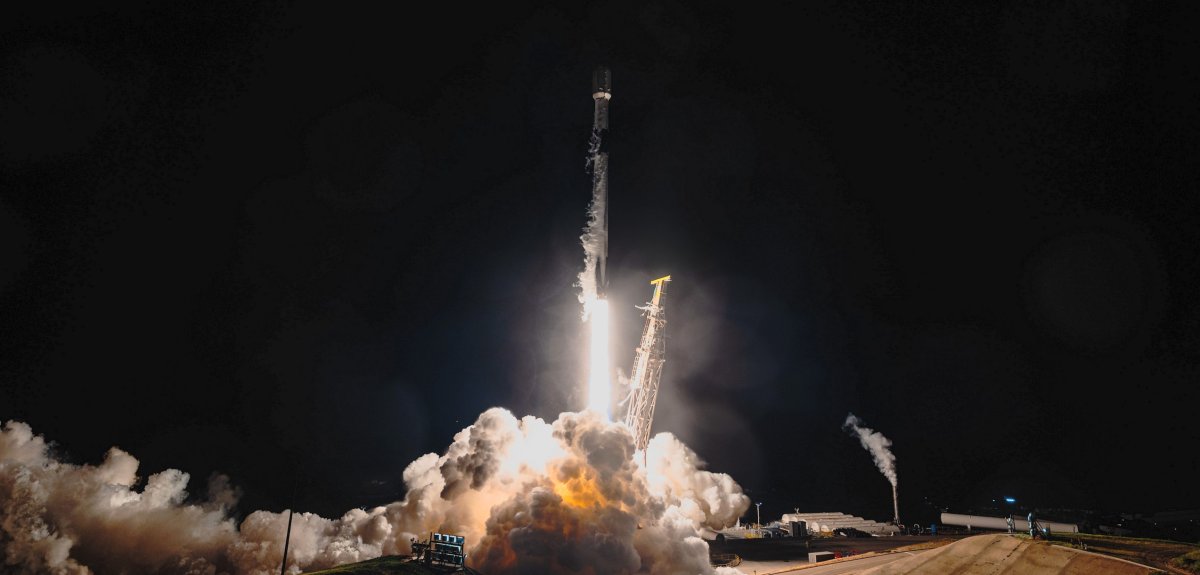
SpaceX kicked off March with a blistering operational cadence, executing a successful doubleheader weekend with two Falcon 9 launches from opposite sides of the country on Sunday, March 1st.
Both missions were entirely dedicated to expanding the Starlink megaconstellation and successfully deployed a total of 54 new satellites into low Earth orbit.
West Coast Liftoff
The doubleheader began on the West Coast early Sunday morning. At exactly 2:10 a.m. PT, a Falcon 9 rocket roared to life from Space Launch Complex 4 East (SLC-4E) at Vandenberg Space Force Base in California. Tucked inside the payload fairing were not standard commercial satellites, but instead 25 Starlink satellites destined to join the constellation.
— SpaceX (@SpaceX) March 1, 2026
The mission, officially designated as Starlink 17-23, also served as a major milestone for the specific booster hardware being utilized. The first-stage booster supporting this flight completed its 20th successful mission, having previously launched several high-profile payloads, including USSF-62, OneWeb Launch 20, NROL-145, and 16 other Starlink missions.
Following stage separation, the booster executed a flawless return sequence, landing on the drone ship Of Course I Still Love You, which was stationed out in the Pacific Ocean (15:45 mark in the video). The 25 Starlink satellites were successfully deployed a little over an hour after liftoff.
East Coast Follow-Up
Just a few hours later, SpaceX mission control shifted its focus to the East Coast for the second half of this doubleheader. A second Falcon 9 rocket launched from Space Launch Complex 40 (SLC-40) at the Cape Canaveral Space Force Station in Florida. The first-stage booster for this mission was flying for the 26th time. Its impressive resume included launching Crew-6, SES O3b mPOWER-B, USSF-124, Bluebird 1-5, Nusantara Lima (PSN N5), and 20 previous Starlink batches.
— SpaceX (@SpaceX) February 17, 2026
Just like its West Coast counterpart, the 26-flight veteran booster successfully separated and stuck its landing (15:50 mark in the video), touching down on the drone ship Just Read the Instructions in the Atlantic Ocean. The second stage went on to successfully deploy the 29 Starlink satellites into their target orbit.
Setting the Bar
This double-launch weekend is a perfect example of SpaceX’s ultimate goal: treating orbital rocket launches more like commercial airline operations.
By maintaining a relentless launch cadence across multiple active launch pads, SpaceX is able to rapidly iterate and expand its Starlink network while simultaneously driving down the cost of access to space through reliable booster reuse.
With dozens more launches planned for 2026, we can expect to see plenty more of these cross-country doubleheaders as the year progresses.
By Karan Singh
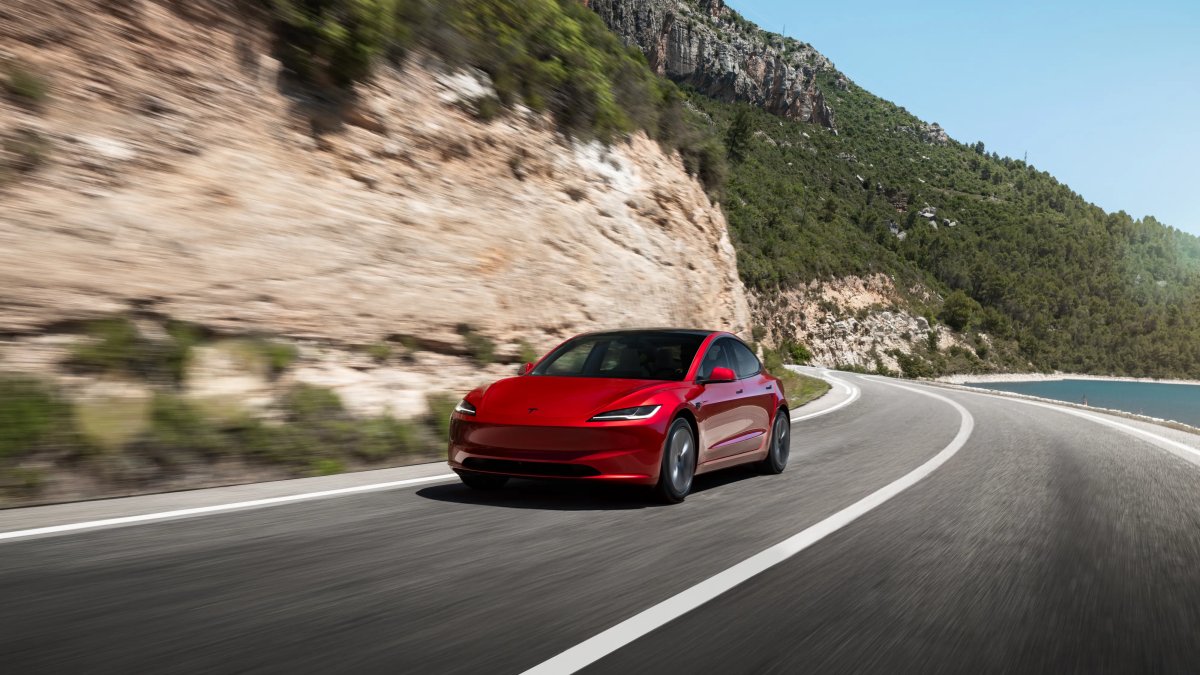
Tesla has quietly pulled all the existing Model 3 inventory from its Canadian website, effectively clearing the deck ahead of a major change in Canada’s automotive trade policies taking effect.
Coinciding with the official launch of Canada’s newly established quota system for Chinese-built EVs, the sudden inventory wipe strongly suggests that Tesla is preparing to resume importing Giga Shanghai-built Model 3s north of the border.
The Great Inventory Vanishing Act
Over the weekend, Canadian customers visiting Tesla’s website noticed a sudden change: the available Model 3 inventory across all major markets had completely vanished. While Tesla has not issued an official statement, it seems that all the unsold inventory units previously visible on the site are being shipped back to the United States.
Currently, the option to custom-order a new Model 3 is still technically available, but it remains hidden from the navigation menu and can only be accessed via a direct URL. More importantly, the pricing on that hidden configurator still reflects the massive, tariff-inflated cost of importing U.S.-built vehicles, with a starting price of $79,990 CAD. By removing the existing stock, Tesla appears to be preparing for a massive pricing correction tied to the new federal trade agreement.
The 6.1% Window
The sudden movement of the inventory aligns perfectly with a new federal policy that went live on Sunday, March 1st. Following months of negotiations and a 100% surtax imposed in 2024, the Canadian government has officially reopened the door to Chinese-assembled EVs under a strict, capped import-permit system.
Under the new rules and agreements, up to 49,000 Chinese-built EVs can enter the country annually, subject only to a standard 6.1% most-favoured-nation tariff. The government is rolling this out in phases, with the first 24,500 shipment-specific import permits being issued on a first-come, first-served basis between March 1st and August 31st.
Because there is no formal per-brand allocation at launch, Tesla is well-positioned to immediately capitalize on the initial quota.
Return of the Giga Shanghai Model 3
Before the punitive tariffs essentially blocked Chinese EV imports in 2024, Tesla was the undisputed leader in bringing high-quality, China-assembled vehicles into the Canadian market. By importing from Giga Shanghai, Tesla was able to offer highly competitive pricing on its vehicles, while also utilizing Chinese-built and sourced batteries, including Chinese LFP batteries from CATL.
With the first-come, first-served permit system now active, Tesla is likely moving aggressively to secure a massive share of those initial 24,500 permits. It is likely that within the coming days, Tesla will officially relaunch the Model 3 in Canada with a significantly reduced price tag, shedding the inflated pricing in favor of aggressive, low-tariff vehicles from Giga Shanghai.
This pivot may also open the door for new trims and variants to enter the Canadian market, including the first North American launch of the Model Y L.
First Appeared on
Source link





Leave feedback about this