

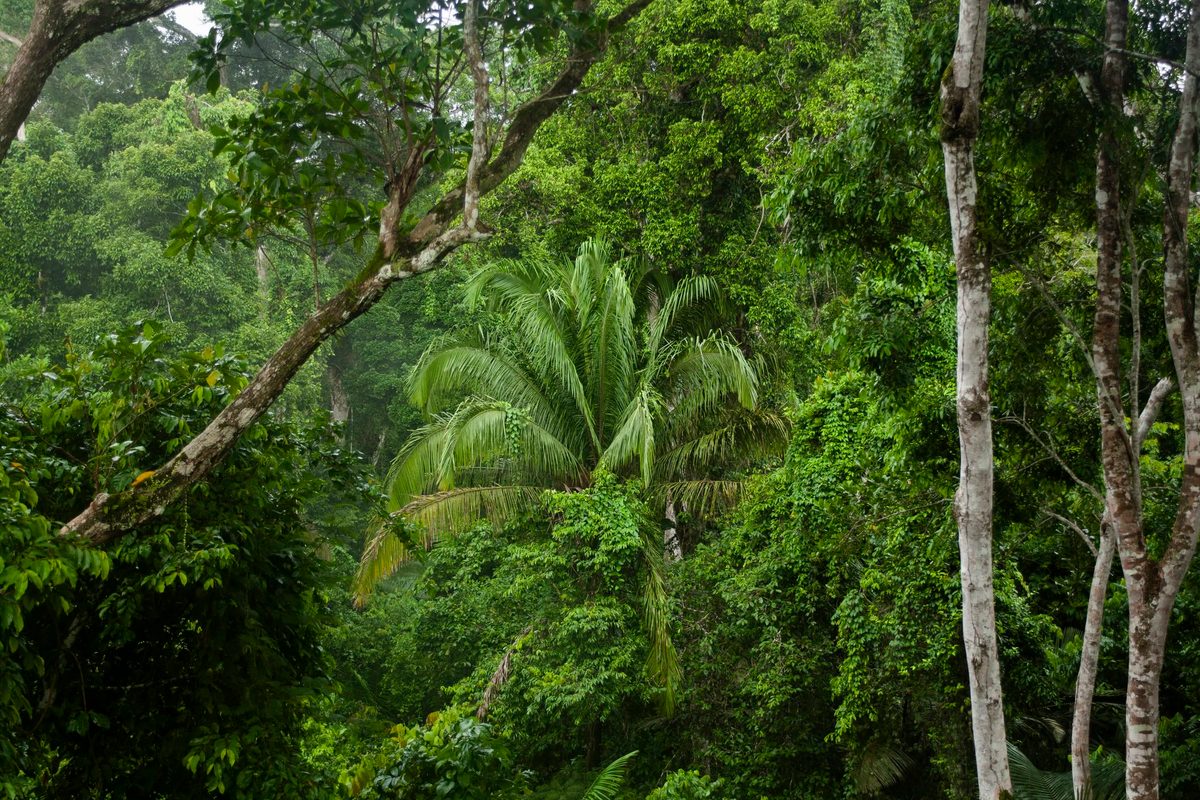
The Amazon rainforest is the world’s largest tropical rainforest, covering between 5.5 and 7 million km2 (estimates vary).
It is home to a huge number of animal species – 400 mammals, 1,300 birds and 3,000 fish – as well as at least 40,000 plant species.
Jaguars, sloths and harpy eagles can all be found in the rainforest, along with some of Earth’s deadliest creatures. Here, we reveal 10 of the Amazon’s most lethal animals.
The Amazon’s most deadly animals
Giant centipede
The Amazonian giant centipede, or scolopendra gigantea, is something you definitely wouldn’t want to meet on a dark night. Unfortunately, dark spots are exactly where this giant insect likes to hide and wait for prey.
Made up of 25 or 27 segments, with 21 or 23 pairs of legs, and exceeding 30cm, this carnivorous centipede is deadly to its victims, injecting them with a powerful venom that is toxic to mammals and insects. They have been known to hang on cave ceilings with the hope of catching unsuspecting bats.
While this type of giant centipede has been recorded as killing a human child, generally the risk to humans is low, although a bite may cause severe pain.
Poison dart frog
Beautiful but deadly, the poison dart frog is famed for its vibrant colouring, but it is also one of the world’s most poisonous animals. Found across Central and South America, the poison dart frog has varying degrees of toxic skin and symptoms after contact range from mild numbness to paralysis and even death.
These tiny frogs need high humidity and stable temperatures to live, so rainforests are perfect for them. The names ‘poison dart’ comes from South American tribes who used the frog’s poison on the tips of their hunting darts.
Bullet ant
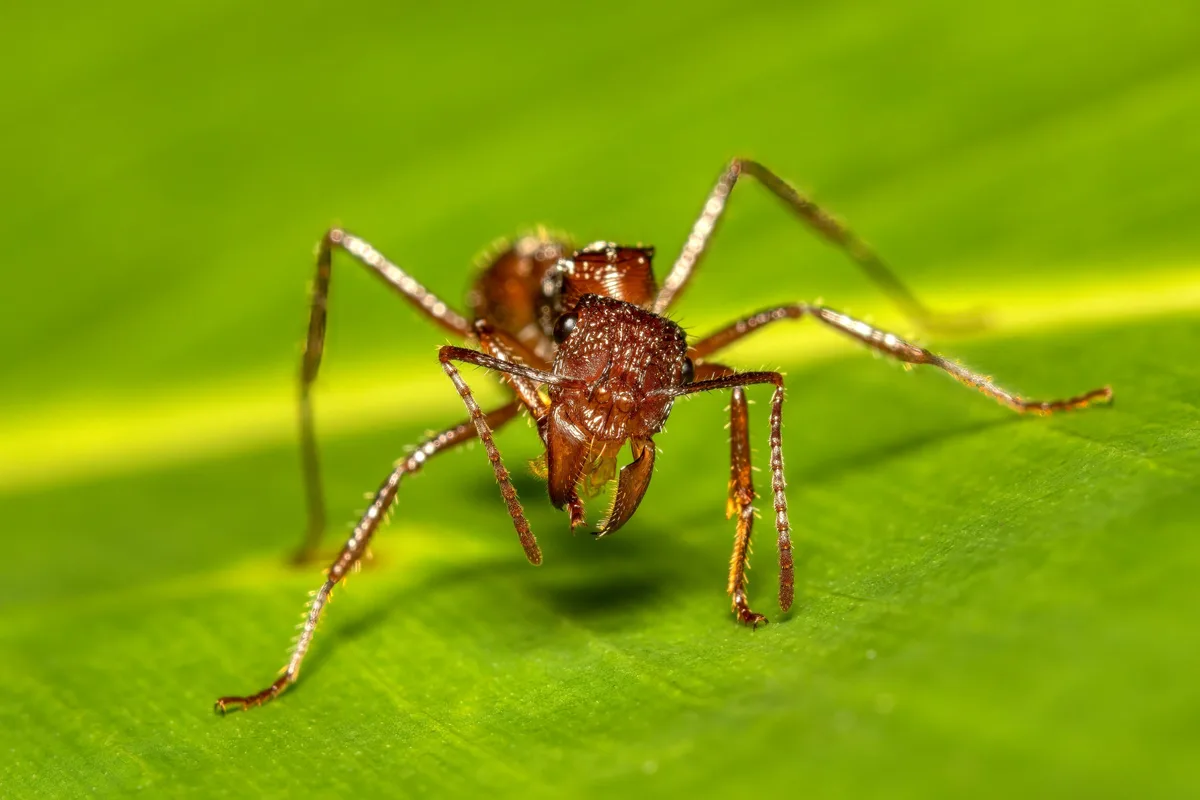
Another tiny but deadly animal is the bullet ant, which measures around 2.5cm long. It’s an appropriate name, as a sting from one of these little creatures feels a bit like being hit by a bullet. The pain continues for 24 hours or more. It has huge mandibles and a long stinger (which is how it delivers its venom), unlike common ants, which bite.
The venom can cause muscle paralysis and hallucinations, although generally these insects are not considered aggressive, unless their nest is under threat.
Green anaconda
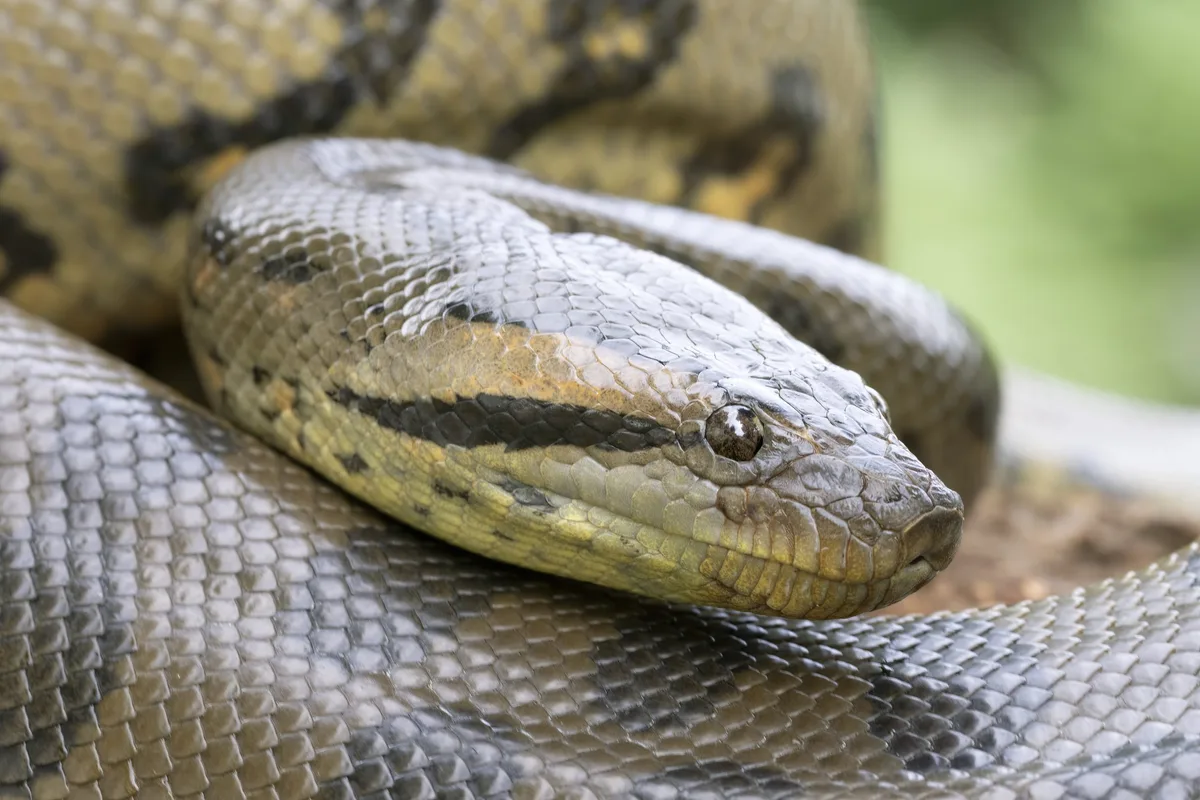
Found in the waters of the Amazon, the green anaconda is considered the heaviest snake on Earth, weighing in at more than 250kg – about the weight of a male grizzly bear.
This huge, non-venomous reptile can grow more than 9m long, using its bulk to overcome large animals such as turtles, caimans and capybara. The green anaconda spends much of its time submersed in water, where it can hold its breath for up to 10 minutes – a handy adaptation that allows this apex predator to kill its victims in another way: by drowning them.
Bull shark
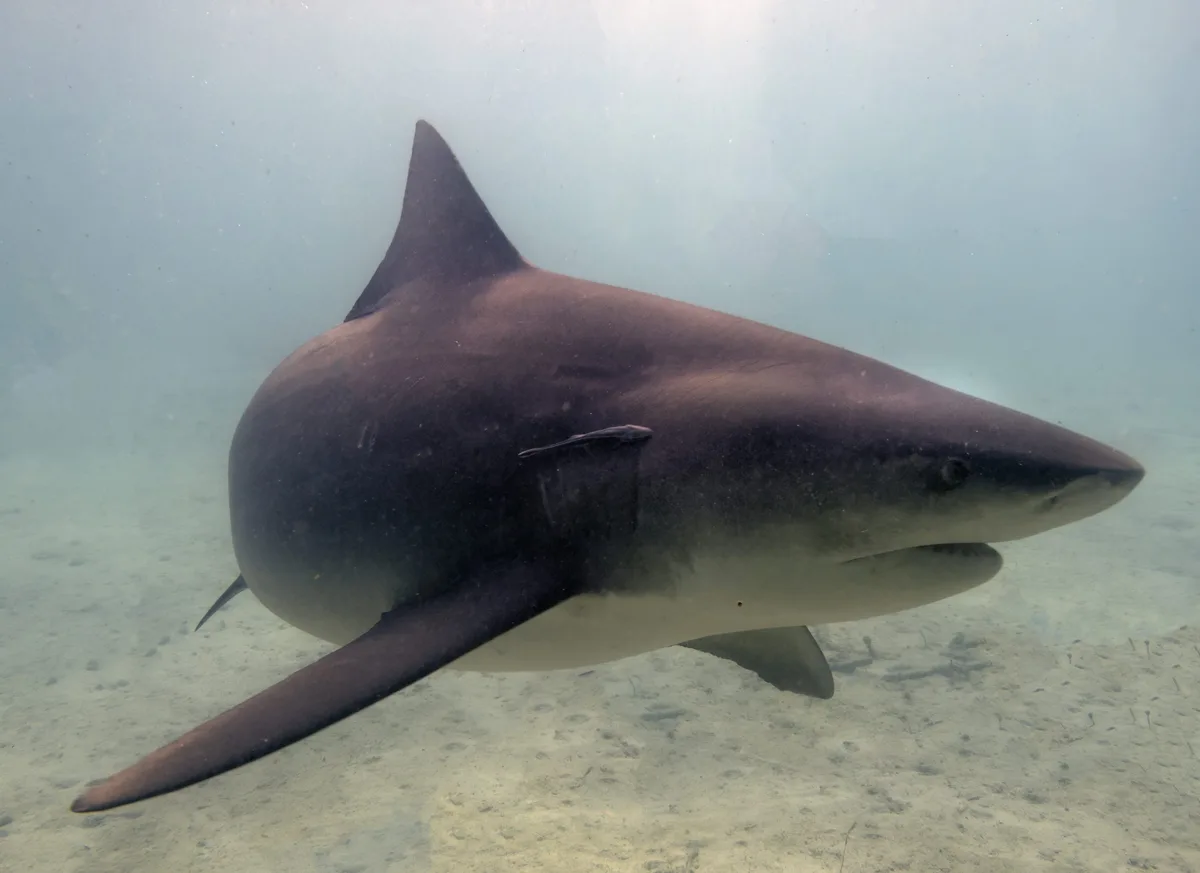
A particularly cantankerous species of shark, the bull shark (carcharhinus leucas) can be found in both fresh and saltwater. These animals are highly territorial, and despite being considered one of the shark species most likely to attack humans, deadly encounters with them are statistically very rare.
Because these carnivores feed in both marine and freshwater ecosystems, they have a particularly varied diet. Bull sharks have been found 4,000km up the Amazon River (one of the deadliest rivers in the world).
Tapeworm
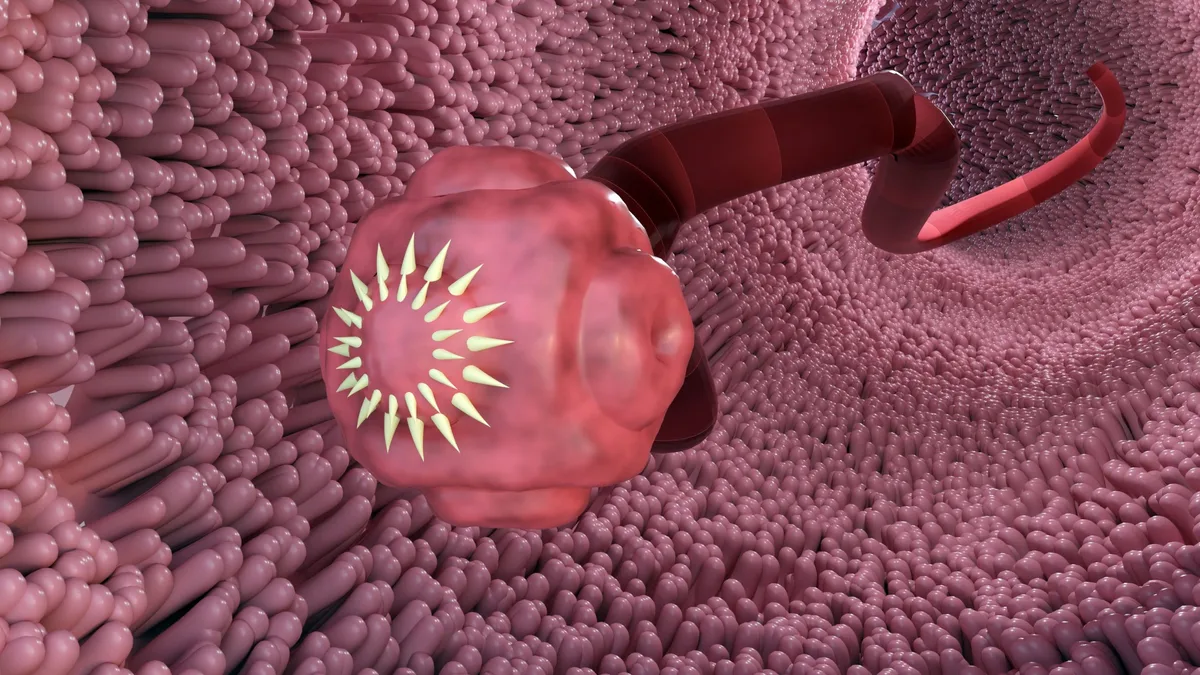
Not one you’d easily see out and about in the Amazon, tapeworms are nevertheless one of the deadliest animals in the rainforest.
These parasitic flatworms can reside in the intestines of humans after ingesting undercooked meat or contaminated water. They latch onto the intestinal wall, absorbing nutrients directly from their host. If left untreated, a tapeworm infection can lead to malnutrition, abdominal discomfort and weight loss.
Giant candiru
Ever heard the story about the fish than can swim into human urethras in an attempt to parasitise them? Although this is a common misconception about a tiny version of the giant candiru, the giant candiru is easily as much of a terror. These fish can strip living tissue down the bone in minutes.
“That is grotesque,” says Steve Backshall in disgust of giant candirus, filmed during one episode of Deadly 60. “It’s bored a hole straight into the gut of that fish.” Best avoided if having holes drilled into your flesh isn’t your thing.
Brazilian wandering spider
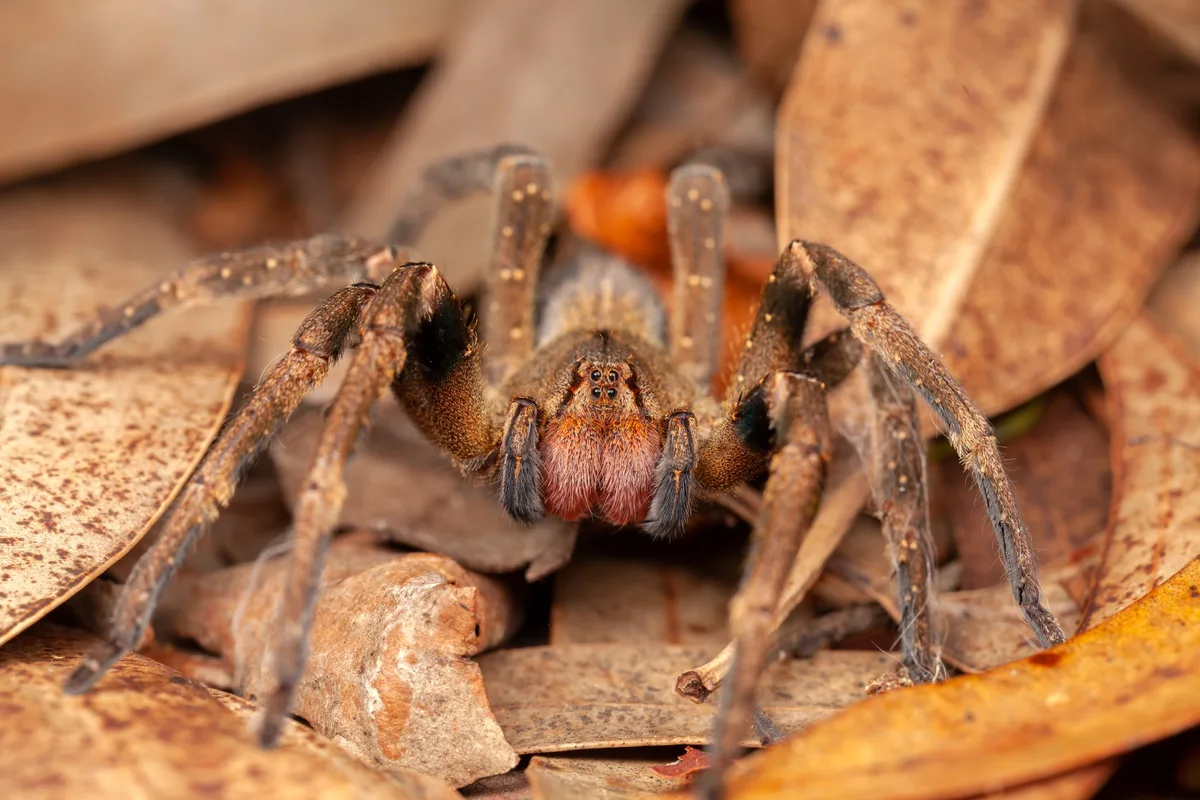
Also known as banana spiders, the Brazilian wandering spider can produce a potent and potentially lethal venom. However, one study suggested that only 2.3% of known bites were serious enough to require antivenom treatment. This is in part because the spider is able to bite without delivering its full venom load, allowing them to save it for when it is really needed. Nevertheless, there are a few reported fatalities, mainly in children.
The initial symptoms of a bite include burning pain, sweating and then nausea, as well as cramping and potentially convulsions.
Ocelot
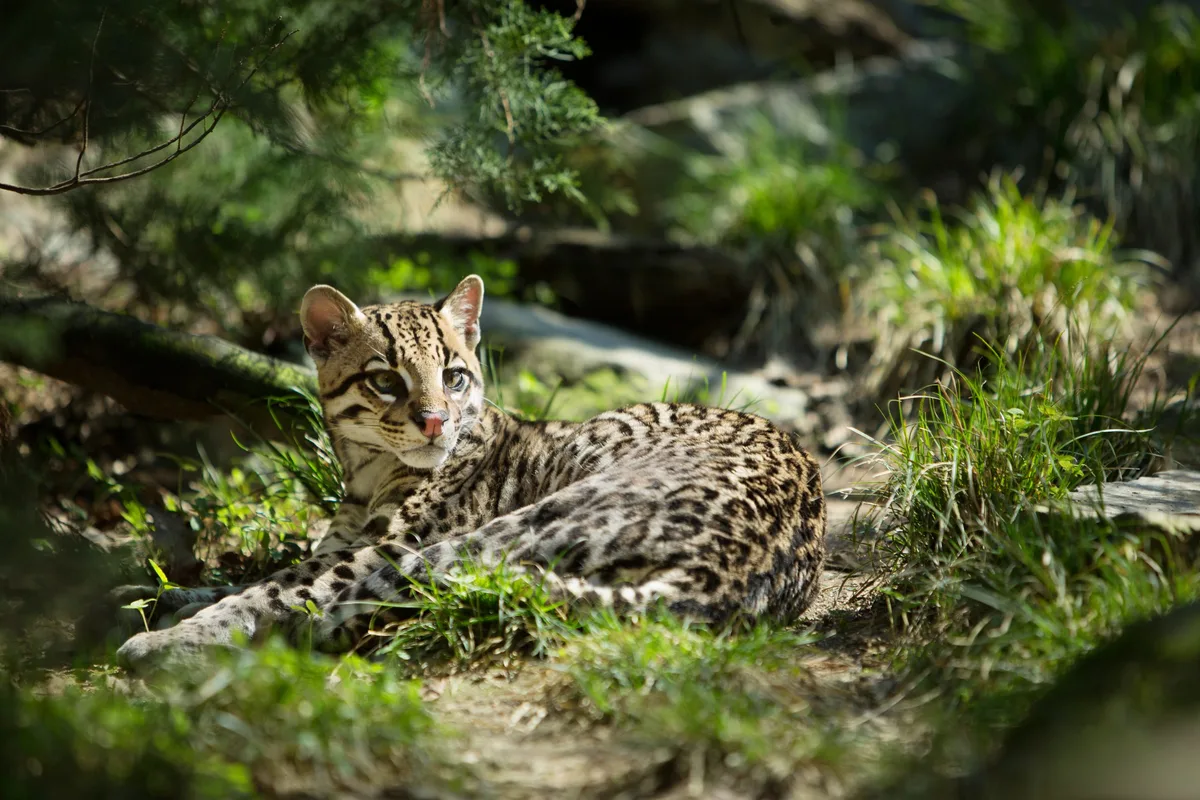
A contender for most attractive killer on this list is the ocelot. This medium-sized wild cat (adult males can measure around 1.4m from nose to top of tail) hunts small mammals, birds and reptiles. Like many wild cats, it is a consummate hunter.
Although it has fangs developed for eating meat and delivering a killing bite, it is probably more at risk from humans than the other way around; its beautiful fur means it is a targeted by hunters.
Electric eel
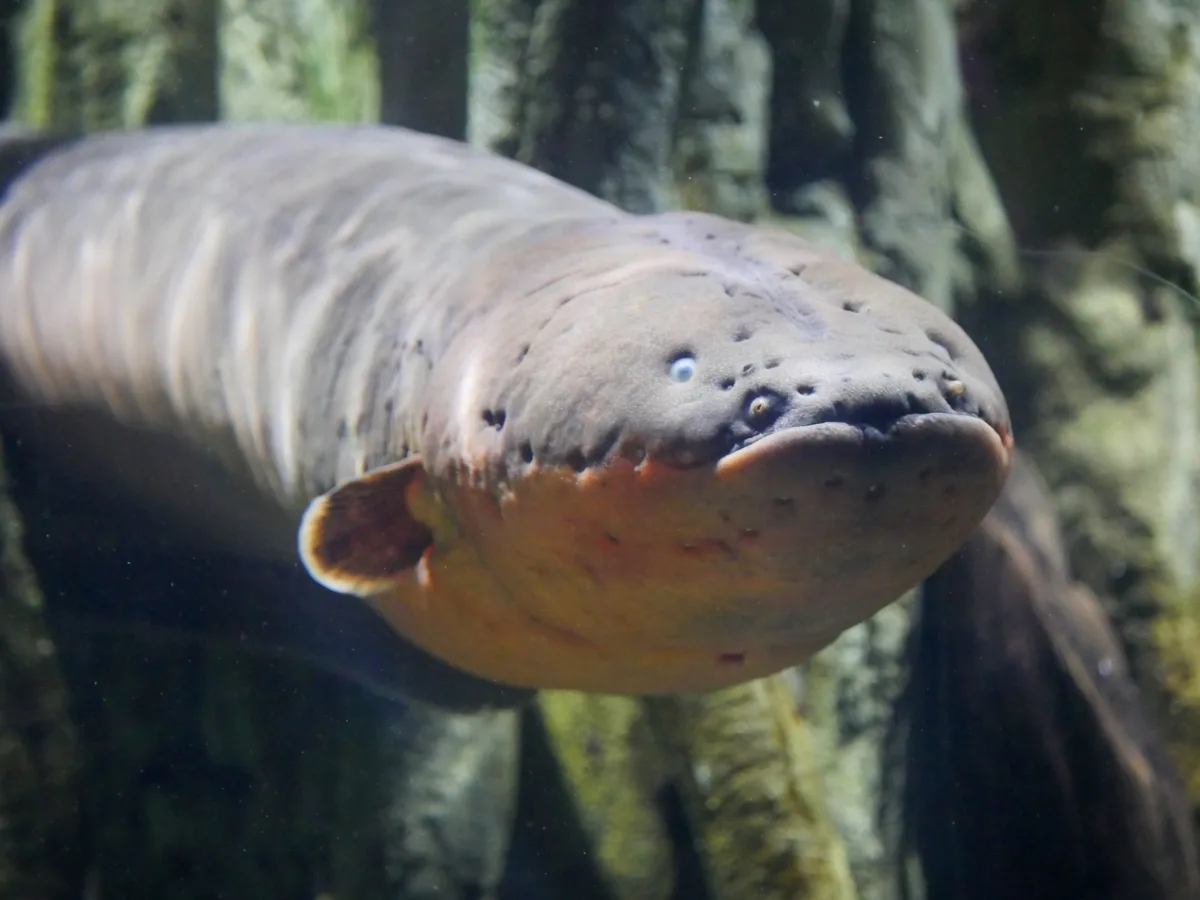
One of the deadliest river animals, the electric eel can carry 600v at a current of 1amp – enough to kill a human. Although being killed by an electric eel is very rare, it is an impressive hunter, using its amazing skills to stun its prey.
Top image credit: Sergiopossitive/Getty Images
First Appeared on
Source link






Leave feedback about this