

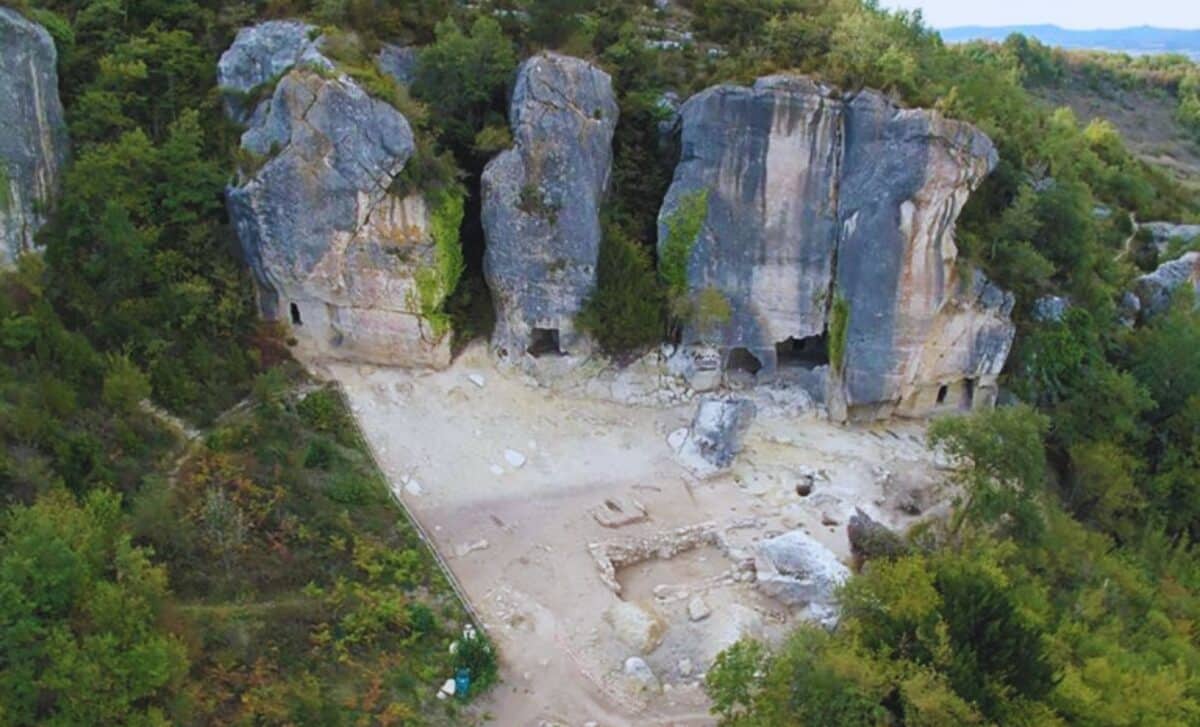
In the north of Spain, archaeologists have uncovered the chilling remains of a medieval society that lived hidden underground for centuries. The discovery of skeletons marked by disease, inbreeding, and internal conflict tells the story of a society cut off from the world.
Las Gobas, a series of natural rock caves, served as a shelter for this troglodyte society between the 7th and 11th centuries. Recently, researchers began exploring this forgotten site, revealing the tough and often brutal reality these people faced.
A Cave Society Shaped by Conflict
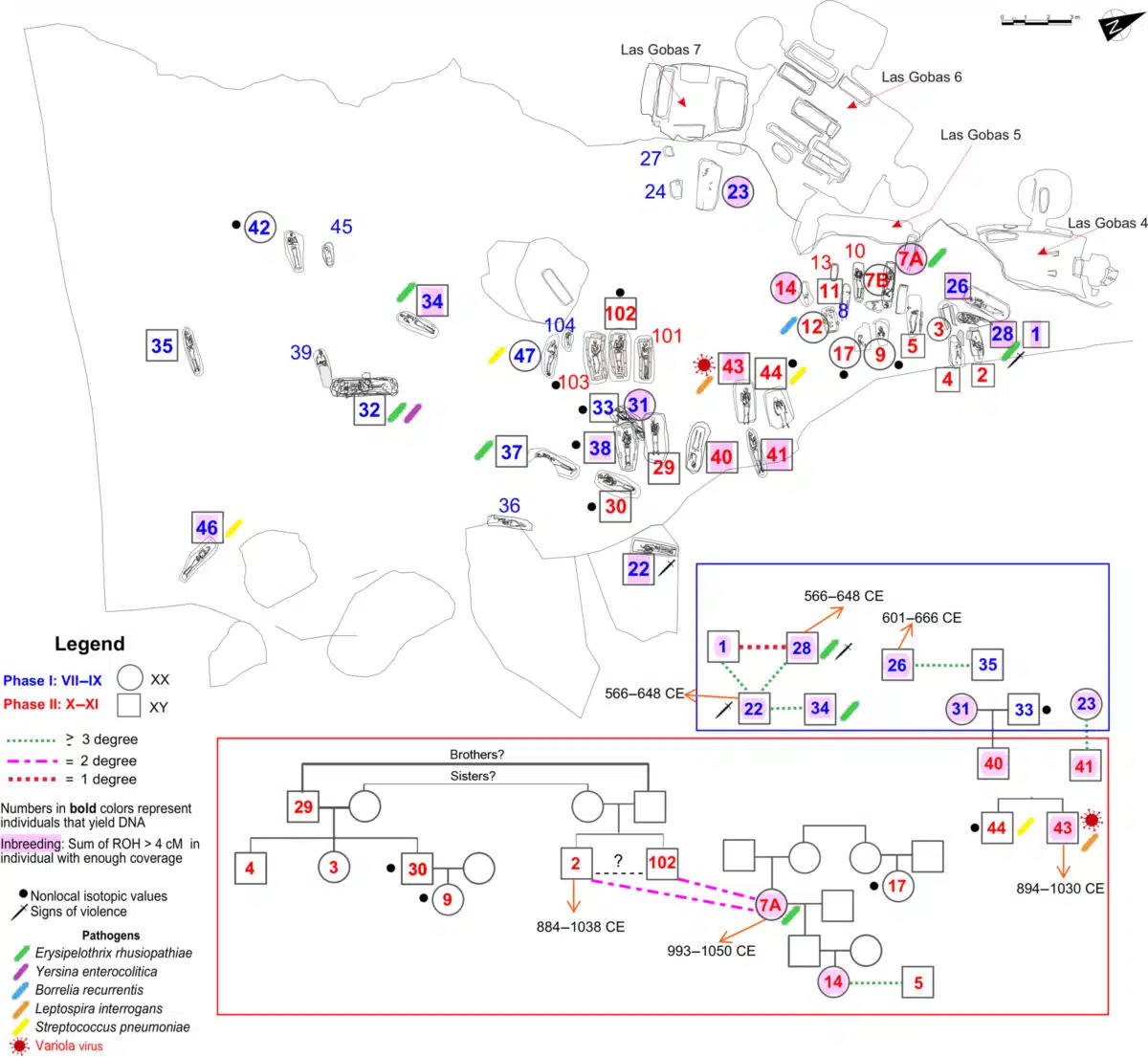
According to a study, published in Science Advances, the excavations at Las Gobas revealed the remains of 33 individuals, whose bones told the story about their lives. Around 63% of the genetic samples show signs of inbreeding, meaning the people were marrying close relatives over several generations. The experts stated that the community was very isolated and didn’t interact much with outsiders, leading to a lack of genetic diversity and weaker health over time.
“Our findings indicate that this community stayed relatively isolated for at least five centuries,” Ricardo Rodríguez Varela, a researcher specializing in paleogenetics and molecular archaeology. “We found relatively low levels of North African and Middle Eastern ancestry compared to other medieval individuals from the Iberian Peninsula, and we did not observe a significant increase in these ancestries after the Islamic conquest of Iberia.”
On top of the genetic evidence of inbreeding, some showed fractures and puncture wounds, likely from sword strikes. Researchers think this means internal fights were common in the underground society.
Ancient DNA Reveals an Invisible Enemy
The skeletons from Las Gobas also revealed traces of smallpox, a devastating disease that hit many populations in medieval Europe. As explained by the researchers, the community was likely exposed to smallpox through contaminated pork, as pigs were a key food source for the troglodytes. With no outside contact and limited medical knowledge, outbreaks like smallpox would have spread easily in such an isolated group.
““It is amazing how much information we were able to gather on this group of people through our archaeogenetic investigation.” said Anders Götherström, the senior author of the study. He added that:”By the 10th century, smallpox seems to have affected Las Gobas, likely spreading through Europe rather than via Islamic routes, as was previously theorized for how smallpox entered Iberia.”
Living far from major cities, the people of Las Gobas were especially vulnerable to diseases like smallpox. Without any help from the outside world and no access to medicine, illnesses could have wiped out much of the population.
Why the Site Was Abandoned?
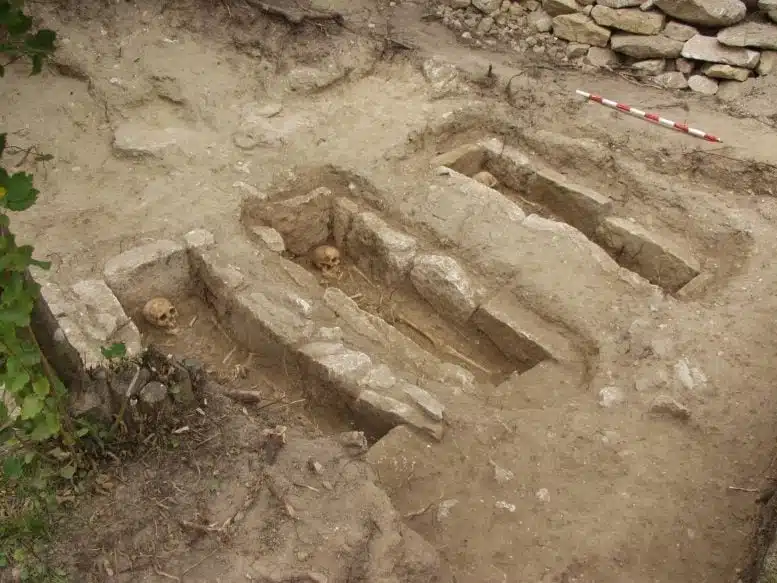
After centuries of life, the troglodyte society at Las Gobas was abandoned by the end of the 11th century. While it’s not entirely clear why, researchers think a mix of factors led to their downfall. They probably faced shortages of resources, disease outbreaks, and possibly pressure from outside forces like invasions or political shifts in Spain at the time. By the time the site was abandoned, Las Gobas had become a necropolis, with many bodies buried in the caves.
First Appeared on
Source link






Leave feedback about this