

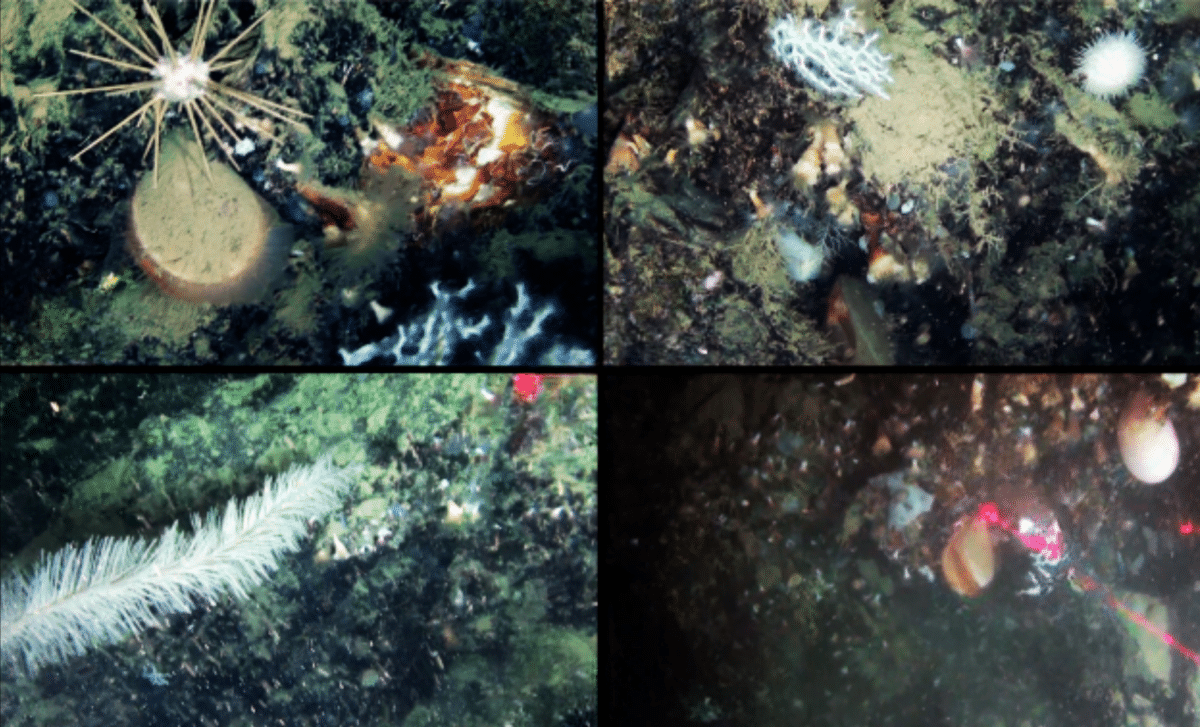
A previously unknown coral reef thriving in a deep underwater canyon off the coast of Naples has been revealed, offering a rare glimpse into an untouched marine ecosystem. The discovery, detailed in Scientific Reports, highlights a remarkably preserved habitat that has remained largely undisturbed by human activity, raising new questions about biodiversity in the Mediterranean Sea.
A Pristine World Hidden In The Depths
The newly identified coral reef lies within a submerged canyon system, far below the surface where sunlight barely penetrates. This isolation has allowed a complex ecosystem to develop in near secrecy, shielded from fishing, pollution, and coastal development that have impacted much of the Mediterranean.
Researchers observed dense coral formations supporting a wide variety of marine species, creating a vibrant habitat in an environment once thought to be relatively sparse. The structure of the reef suggests long-term stability, with colonies that may have been growing undisturbed for decades or even centuries.
“It is an exceptional find for the Italian seas,” said Castellan. His statement reflects both the rarity of such ecosystems in the region and the importance of preserving what remains of these fragile underwater habitats.
(Scientific Reports)
A Rare Marine Habitat
The findings, published in Scientific Reports, provide one of the most detailed examinations of a deep-sea coral ecosystem in the Mediterranean. Using advanced imaging and exploration technologies, scientists were able to map the canyon and document the reef without disrupting its natural state.
The study highlights how these deep environments can serve as refuges for biodiversity, especially as shallow-water ecosystems face increasing stress. Unlike tropical coral reefs, which rely heavily on sunlight, these deep-sea corals survive in darker, colder conditions, relying on nutrient flows within the canyon.
Researchers emphasized that such ecosystems are still poorly understood, making this discovery particularly valuable. The presence of diverse species within the reef suggests that similar hidden habitats may exist elsewhere, waiting to be explored.
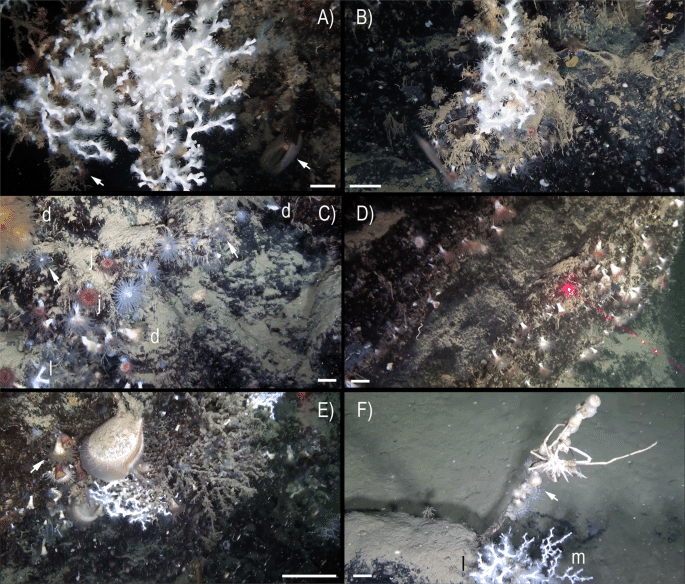
(Scientific Reports)
Why This Discovery Matters For Marine Conservation
This coral reef represents more than just a scientific curiosity, it may become a critical reference point for conservation strategies in the Mediterranean. As marine environments face pressures from climate change, overfishing, and pollution, untouched ecosystems like this provide a baseline for understanding natural conditions.
Protecting this newly discovered habitat could help scientists study how marine life adapts to changing conditions. It also underscores the importance of exploring less accessible regions of the ocean, where biodiversity may still thrive beyond human reach.
“It is an exceptional find for the Italian seas,” said Castellan, reinforcing the broader significance of the discovery not just for Italy, but for global marine research.
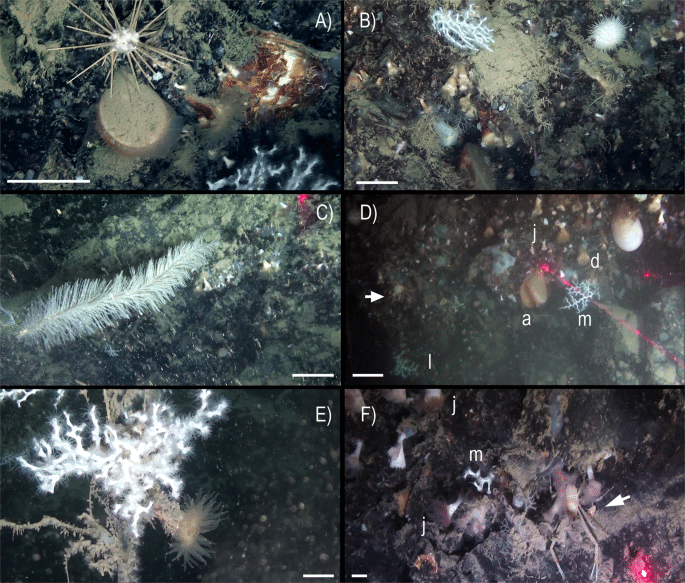
(Scientific Reports)
A Window Into The Ocean’s Hidden Future
The discovery of this underwater coral reef opens the door to further exploration of deep-sea environments that have remained largely invisible until now. It challenges long-held assumptions about where rich ecosystems can exist and how resilient they might be in the face of environmental change.
As technology continues to improve, scientists are likely to uncover more hidden ecosystems like this one, each offering new insights into the complexity of life beneath the waves. For now, the Naples canyon reef stands as a rare and powerful reminder that some of the ocean’s most important secrets are still waiting to be found.
First Appeared on
Source link





Leave feedback about this