

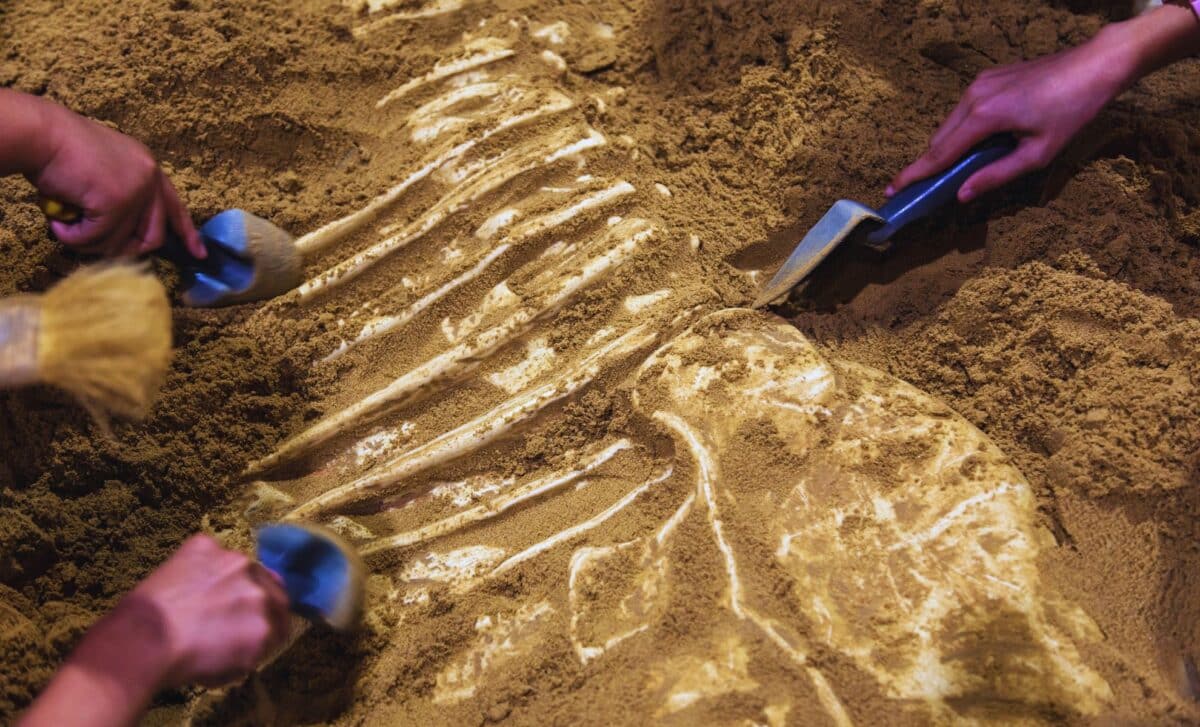
In a rare and exciting find, road crews in Lubbock, Texas, stumbled upon a prehistoric creature fossil while working on the Loop 88 construction project. The discovery, a tooth belonging to a giant ground sloth, halted construction and has captivated both scientists and the public. The fossil is believed to date back thousands of years to the Ice Age.
The discovery was made during an environmental review tied to the expansion project, with workers uncovering the large tooth. Texas Department of Transportation (TxDOT) officials were quick to identify it as part of a giant ground sloth, an animal that once roamed the region. Experts examined the remains, trying to identify more fossils and determine whether they belong to additional prehistoric creatures.
A Surprising Discovery During Routine Construction
As reported by The Sun, the fossil was uncovered during an environmental survey related to the ongoing construction of Loop 88, located in Lubbock, Texas. According to Chris Ringstaff, a project planner with TxDOT, the team was not expecting to find such a significant artifact during their work.
“We know we’ve found giant ground sloth by its distinctive tooth,” he said in a press release of the Texas Department of Transportation (TxDOT). “Whether all the bones are giant ground sloth or there are different animals such as mammoth or mastodon, we’re not sure. Paleontologists will give us positive identification.”
The tooth was quickly identified as belonging to a giant ground sloth, which roamed North America during the Ice Age. Ringstaff emphasized that while the area is rich in prehistoric remains, this find stood out due to the sloth’s size.
Experts from the Museum of Texas Tech University have been brought in to assist with the identification and preservation of the fossils. The region is known for its ancient playas, or Ice Age-era lakes, which were essential to both animals and early humans. These lakes are believed to have been a key resource for the giant ground sloths.
A Creature from the Past Revealed
The fossils are believed to belong to the Shasta Ground Sloth, a species that could grow up to 9 feet tall and weigh as much as 550 pounds. This slow-moving herbivore creature was one of the many megafauna species that roamed North America during the Pleistocene Epoch.
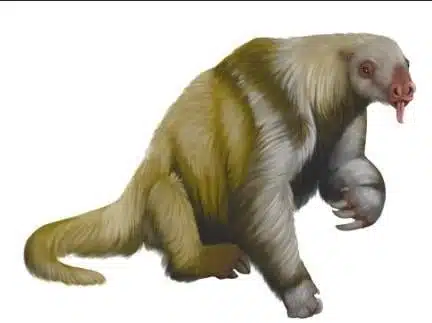
According to the National Park Service, these creaturees migrated from South America to North America over 2.6 million years ago, alongside other animals like early ancestors of cats and llamas. Although the giant sloth no longer roams the area, its remains offer a glimpse into the climate and ecosystems of the Ice Age.
How Fossils Are Helping Build Our Future
While the discovery of prehistoric fossils might seem to complicate construction projects, experts are working to ensure that the roadwork continues smoothly. Despite the significance of the find, construction crews are not expected to face significant delays. TxDOT officials, like Ringstaff, have emphasized the importance of balancing development with preserving historical and scientific discoveries.
“If the site has no artifacts and dates to a time well before humans, [the Texas Department of Transportation] will recommend no further work, and the project can proceed to construction,” he explained.
Further excavation and analysis are expected, with paleontologists carefully studying the site for additional remains. The fossils may eventually be displayed to the public, giving people a chance to learn more about Texas’ prehistoric past. Rebekah Dobrasko, the Cultural Resources Section Director at the Texas Association of Museums, noted that:
“Excavation is one of many steps TxDOT can take prior to road construction to ensure that Texas history is preserved.”
The ongoing work to protect and study these creatures ensures that both modern development and ancient history can coexist.
First Appeared on
Source link





Leave feedback about this