

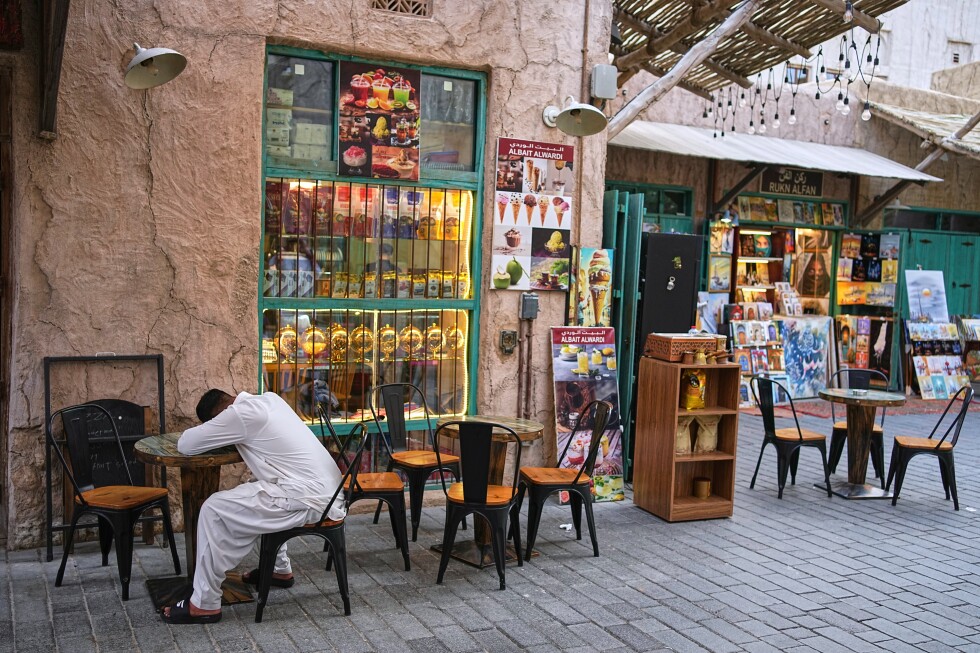
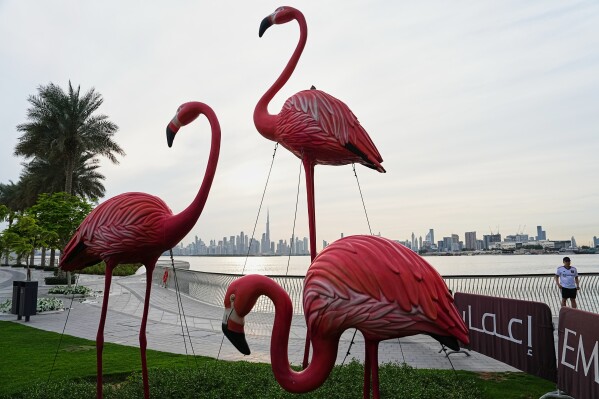
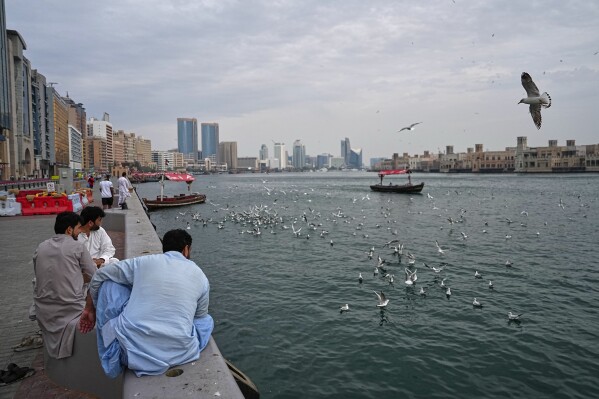
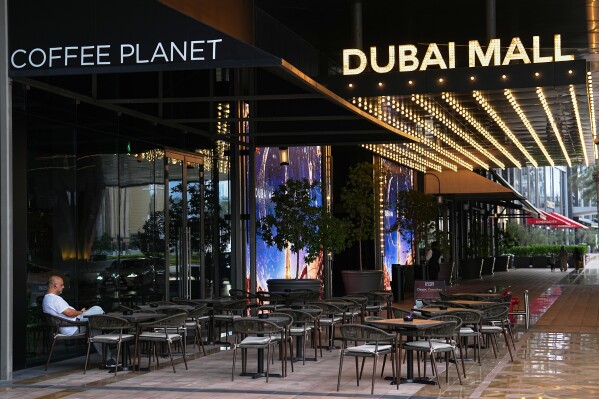
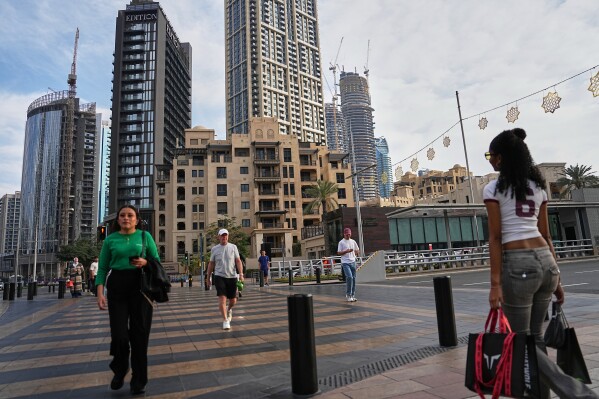
DUBAI, United Arab Emirates (AP) — Dubai’s usually crowded markets, beaches and waterfront promenades are unusually quiet during what is typically the city’s busy tourism season.
The spillover of the Iran war has disrupted air travel across the Middle East, while Iranian drone and missile attacks targeting sites in the United Arab Emirates have dented the country’s image as one of the region’s safest destinations.
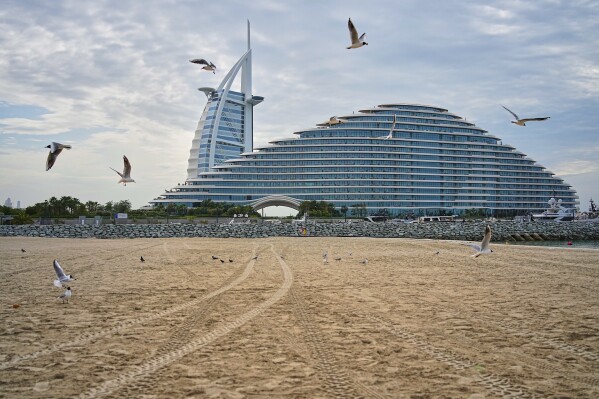
As a result, some of Dubai’s most popular tourist areas — including the Al Seef waterfront market along Dubai Creek and beaches near luxury hotels, such as the Burj Al Arab — have seen far fewer visitors than usual.
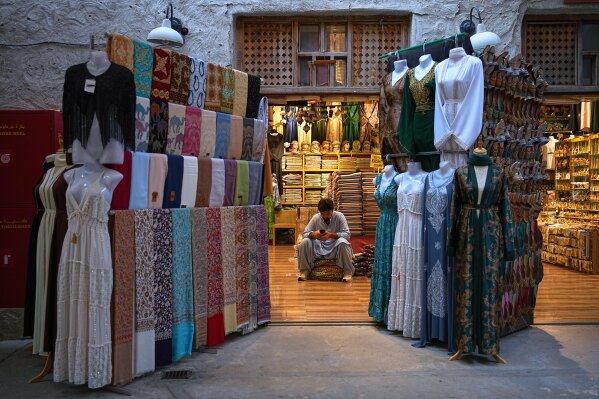
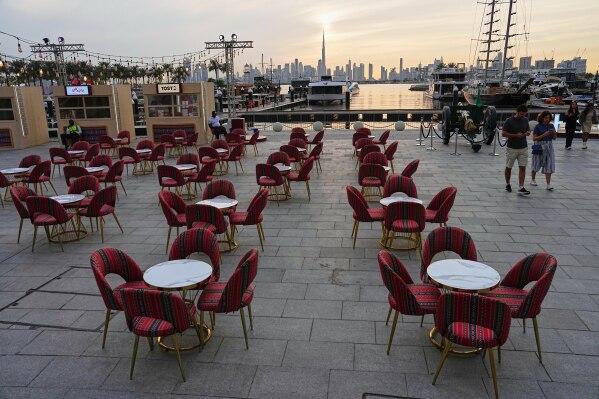
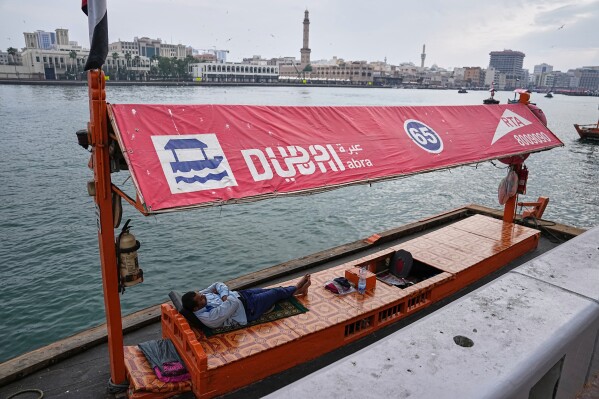
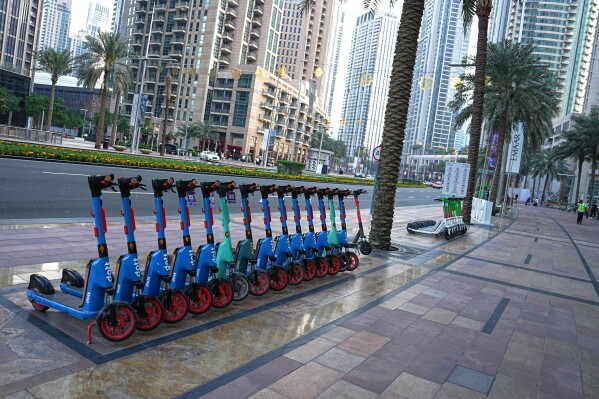
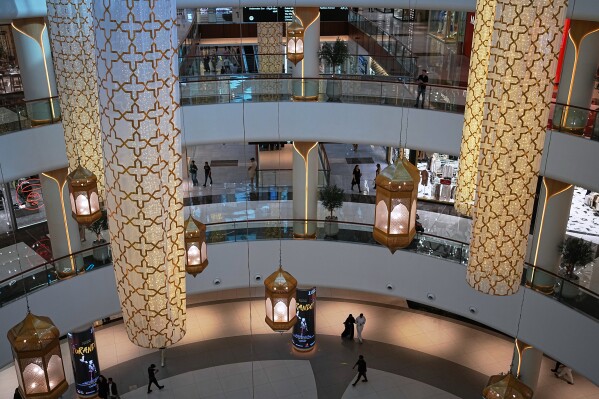
The photographs in this gallery show scenes of near-empty markets, quiet restaurant terraces and sparsely visited beaches as Dubai’s tourism sector feels the ripple effects of the wider regional conflict.
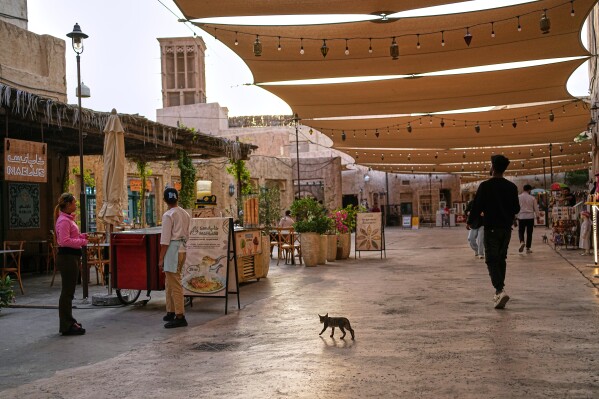
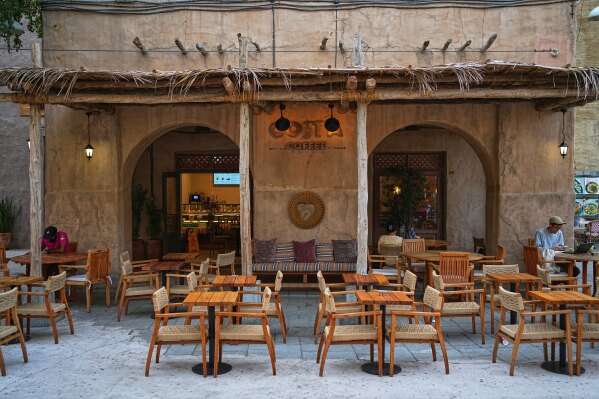
Few clients sit amid empty chairs in a cafe at the Al Seef market, next to the historic Al Fahidi neighborhood along Dubai Creek, one of the main tourist areas of Dubai, United Arab Emirates, Friday, March 13, 2026, as tourism slows amid regional tensions linked to the Iran war. (AP Photo/Fatima Shbair)
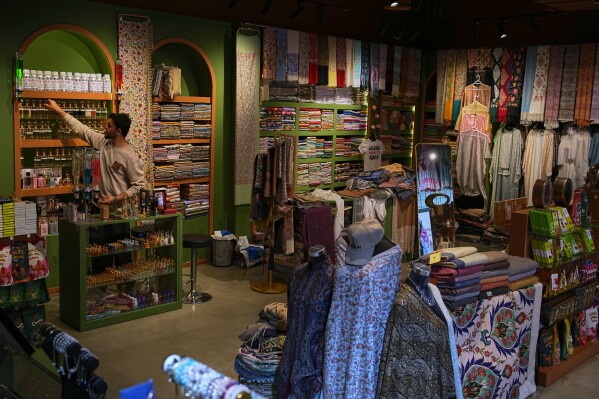
A vendor arranges products inside a shop at the empty Al Seef market, next to the historic Al Fahidi neighborhood along Dubai Creek, one of the main tourist areas of Dubai, United Arab Emirates, Friday, March 13, 2026, as tourism slows amid regional tensions linked to the Iran war. (AP Photo/Fatima Shbair)
___
This is a photo gallery curated by AP photo editors.
First Appeared on
Source link





Leave feedback about this