

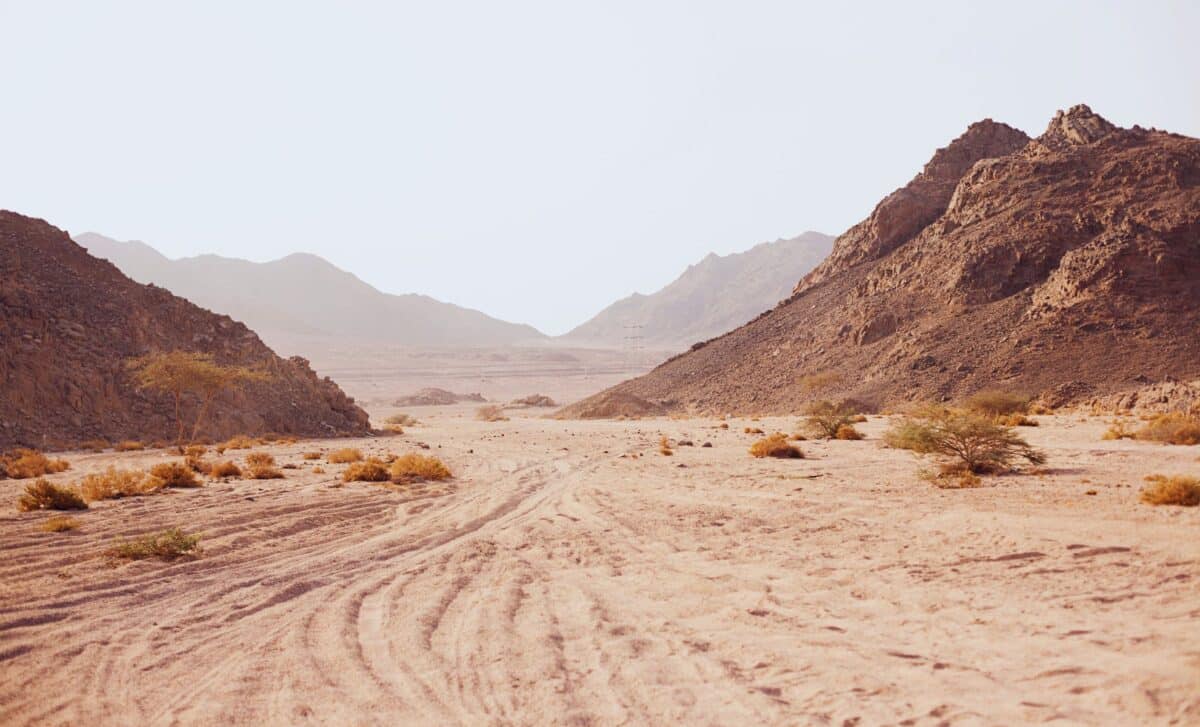
The Atacama Desert, known as the driest place on Earth, has revealed a surprising secret: a hardy creature. New research shows that, beneath its parched surface, communities of tiny, resilient worms are surviving against all odds. This discovery, made by scientists from the University of Cologne, challenges what we thought we knew about life in such an extreme environment.
For years, the Atacama has been considered nearly lifeless, with only a few animals found along its coast. But this new study, published in Nature Communications, uncovers a surprisingly rich ecosystem in the desert’s soil. Scientists have found that life can persist even in conditions so harsh that they are used by NASA to test Mars rovers. Nematodes, creatures known for surviving extreme environments, are living in the desert’s soil.
The Atacama’s Harsh Reality
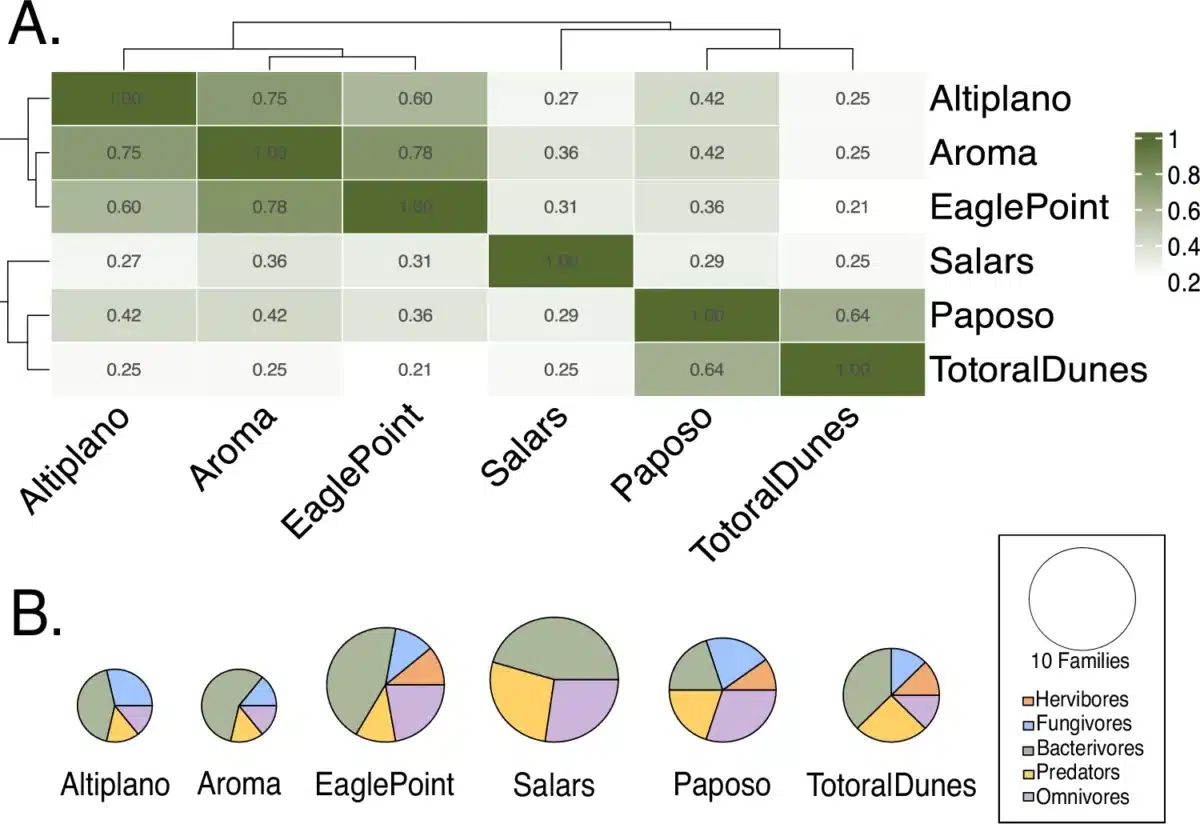
The Atacama desert is infamous for its dryness. In some parts, it’s so arid that rain is a rare event, and the soil is often dry and cracked. Researchers gathered soil samples from six different locations across the desert to see if any life was thriving beneath the surface.
These sites included places with different moisture levels, salinity, and vegetation. Despite the tough conditions, they found that the soil was teeming with nematodes.
“These results demonstrate that even in one of the most extreme terrestrial environments, stable soil communities can persist. However, evidence of simplified soil food webs suggests vulnerability to further environmental change,” wrote the authors.
Nematodes: Small Creatures but Mighty Survivors
Nematodes, though tiny, are some of the toughest organisms on the planet. They are known to survive in extreme environments, from the deep sea to Antarctica. Previously, scientists hadn’t found many nematodes in the Atacama, leading them to believe life was limited.
But this study showed that these creatures are much more common in the desert than expected. The researchers discovered21 families and36 genera of nematodes, far more diverse than earlier reports. These creatures have adapted to their environment in fascinating ways, with some reproducing sexually, while others reproduce asexually depending on the conditions. This shows just how versatile life can be, even in a place as tough as the Atacama.
Why Nematodes Matter for Our Changing Climate ?
The discovery of thriving ecosystems in the Atacama Desert also has important implications for climate change. As the planet warms and deserts expand, understanding how creatures like nematodes survive could help scientists predict how other ecosystems will cope with increasing dryness.
Philipp Schiffer, a researcher on the team, believes this study is important for understanding how ecosystems respond to arid conditions. Some parts of the Atacama are already showing signs of soil damage, but the resilience of the nematodes offers hope that some ecosystems might still bounce back.
“Our findings provide new insights into the mechanisms shaping biodiversity in arid ecosystems and can inform predictions about soil resilience under global climate-driven aridification,” added the research team.
First Appeared on
Source link






Leave feedback about this