

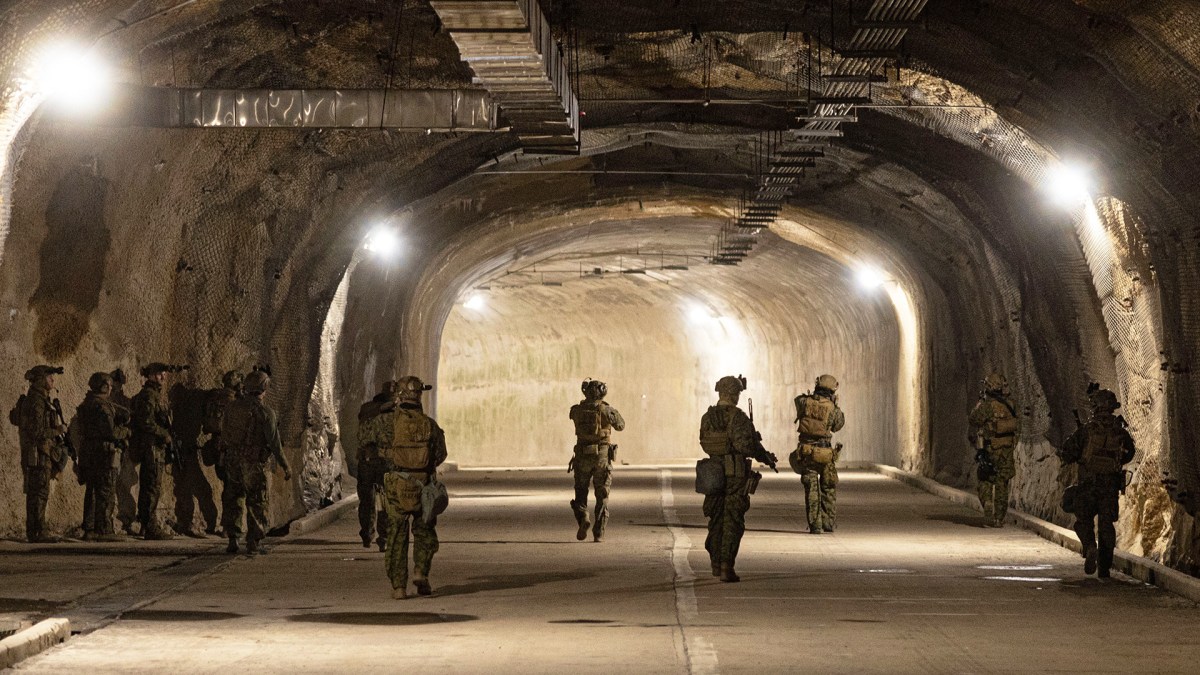
U.S. and Israeli authorities have reportedly been considering a special operations ground raid to extract or otherwise neutralize Iran’s stockpile of enriched uranium. TWZ previously explored this exact scenario, given that this nuclear material is understood to be stored in deep underground bunkers, presenting challenges for attempting to achieve this objective from the air alone. U.S. and Israeli special operations forces have actively trained for these kinds of missions for decades, and Israel has demonstrated its ability and willingness to carry out complex raids on subterranean facilities, but any such operation would still face immense risks and uncertainties.
Multiple outlets have now reported on deliberations within the U.S. and Israeli governments over a ground raid targeting Iran’s enriched uranium stocks this past weekend, citing unnamed sources. It is unclear whether the mission being considered would be carried out by U.S. or Israeli forces, or be conducted jointly by both parties.
“People are going to have to go and get it,” Secretary of State and acting National Security Advisor Marco Rubio said at a congressional briefing back on March 3 in response to a question about securing Iran’s enriched uranium, according to a report from Axios on Saturday.
“We’re going to find out about that. We haven’t talked about it, but it was a total obliteration. They haven’t been able to get to it. And at some point, maybe we will,” President Donald Trump also told reporters on Air Force One on Saturday. “You know, that’d be a great thing, but right now we’re just decimating them. We haven’t gone after it, but it’s something we can do later on. We wouldn’t do it now. Maybe we’d do it later.”
NBC News reported last week that President Trump had “privately expressed serious interest” in sending “a small contingent of U.S. troops that would be used for specific strategic purposes” into Iran.
The U.S. government says that preventing Iran from developing a nuclear weapon is a core goal of its current operations targeting the country. If the Iranian government were to collapse, and do so suddenly, there would be additional concerns about the proliferation of the country’s nuclear material, including to regional proxies and terrorist groups, as well as other potential buyers on the black market.
What we know about Iran’s enriched uranium stockpile
By its last firm estimate, as of June 2025, the International Atomic Energy Agency (IAEA) assessed that Iran had just over 972 pounds (just under 441 kilograms) of uranium enriched to 60 percent purity. This stockpile has long been a proliferation concern and evidence of Iranian authorities maintaining the option of rapidly pursuing a nuclear weapon even in the absence of an active development program.
It is understood to be a relatively quick process, in technical terms, to get uranium from 60 percent to 90 percent purity, at which point it is considered highly enriched or weapons-grade. Per the IAEA, 92.5 pounds of 60 percent uranium is sufficient to be enriched into enough 90 percent material for one nuclear bomb. Using this metric, Iran’s declared stockpile of enriched uranium is enough for at least 10 bombs.
“In that first meeting, both of the Iranian negotiators said to us directly, with no shame, that they controlled 460 kilograms of 60 percent, and they were aware that that could make 11 nuclear bombs,” Steve Witkoff, U.S. Special Envoy to the Middle East, who had been leading talks with Iranian officials head of the current conflict, said in an interview with Fox News’ Sean Hannity on March 2. “They have 10,000, roughly, kilograms of fissionable material. That’s broken up into roughly 460 kilograms of 60 percent enriched uranium, another thousand kilograms of 20 percent enriched uranium, and the balance is at 3.67 [percent purity].”
Uranium that is not pure enough for a nuclear weapon could still be fashioned into a so-called ‘dirty bomb’ designed just to spread radioactive contamination across an area. Even if the immediate impacts of the detonation of such a device are minimal, it could cause widespread panic and would require significant effort to clean up. This is a threat that has also often been associated with non-state actors in the past.
Iran’s underground nuclear site at Isfahan has long been understood to be the primary storehouse for its stockpile of enriched uranium. That facility was among those targeted in U.S. strikes last June, dubbed Operation Midnight Hammer. Though access to any uranium there was subsequently curtailed, the U.S. Intelligence Community has more recently assessed that Iranian authorities have regained entry, at least to a degree, according to a report from The New York Times over the weekend.
As an aside, in the weeks leading up to the current conflict, satellite imagery showed Iran taking steps to seal off Isfahan, as well as other key facilities, which would help hamper any potential ground raids. TWZ highlighted similar activity at Iranian nuclear sites ahead of Operation Midnight Hammer.
There are lingering questions about the degree to which Iran may have dispersed its enriched uranium beyond Isfahan. The day before the current conflict erupted, the AP reported that the IAEA had been circulating a report saying that it could not “verify whether Iran has suspended all enrichment-related activities” or the “size of Iran’s uranium stockpile at the affected nuclear facilities,” and was unable to “provide any information on the current size, composition or whereabouts of the stockpile of enriched uranium in Iran.”
“Publicly, U.S. officials have projected confidence that they know where the uranium is stored. Privately, there is said to be less certainty,” according to a report from Bloomberg today.
Options for a ground raid
In terms of the specifics of how a ground raid would neutralize Iran’s enriched uranium stockpile, multiple options are reportedly being considered.
“The first question is, where is it? The second question is, how do we get to it and how do we get physical control?” a U.S. official said, according to Axios. “And then, it would be a decision of the president and the Department of War, CIA, as to whether we wanted to physically transport it or dilute it on premises.”
“The mission would likely involve special operators alongside scientists, possibly from the International Atomic Energy Agency (IAEA),” Axios‘ report added.
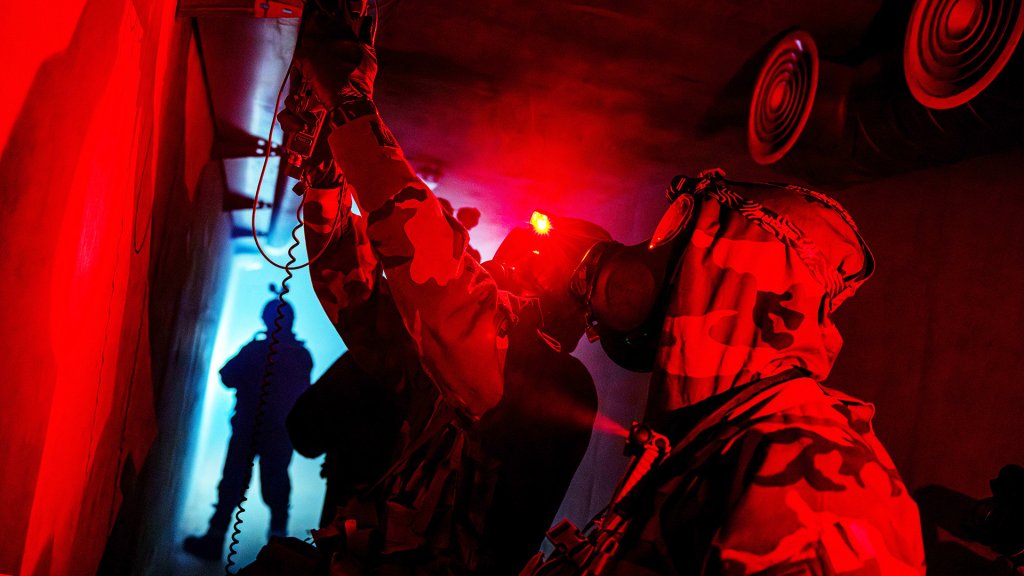
TWZ had outlined exactly these possibilities when discussing the prospect of a ground raid targeting Iran’s nuclear program, and one potentially involving U.S. forces, in the midst of last year’s 12 Day War. As we wrote at that time:
“U.S. special operations units are ideally suited to rapidly and discreetly infiltrate into a target area to extract items of interest from an objective like a nuclear facility in Iran. If the items in question are too large to be moved by the special operations force, depending on what they are, they could then be destroyed in place or secured until a larger follow-on force arrives. Conventional supporting forces and interagency elements offering unique capabilities could accompany special operations forces on initial raids, as well.”
“Special operations forces are also well-positioned to help intercept high-value targets on the move, including nuclear material that might make its way out of Iran, or threaten to do so, as the conflict with Israel continues. This could potentially include operations on land or at sea.”
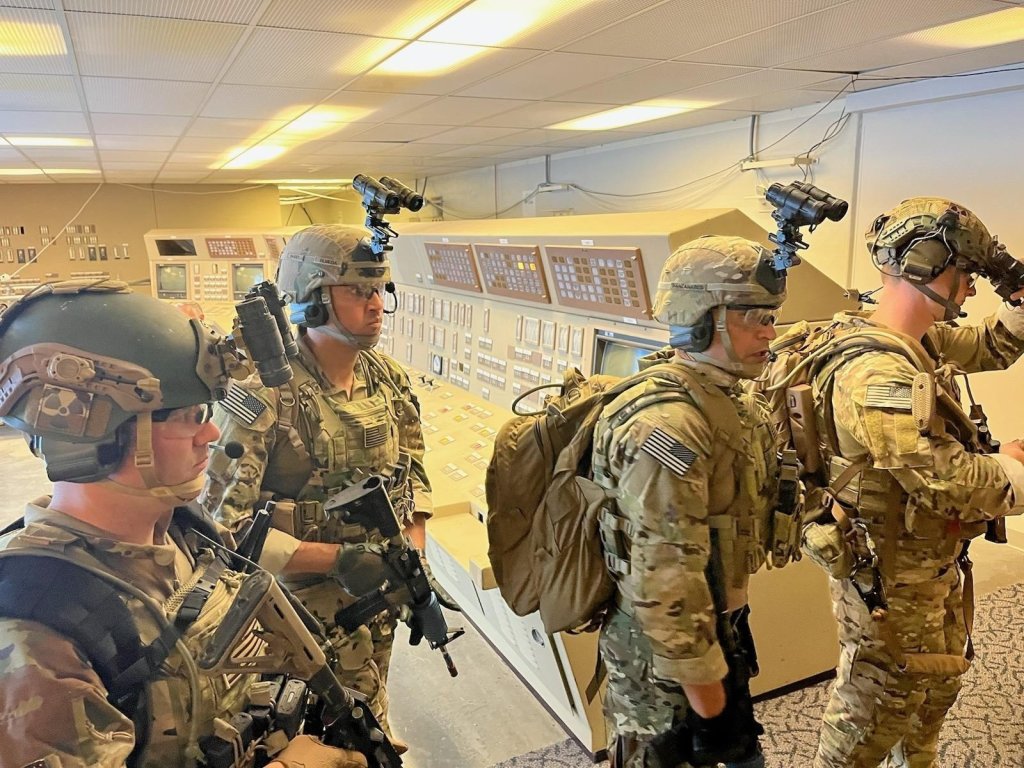
U.S. special operations forces, especially so-called “tier one” units like the U.S. Army’s Delta Force and the U.S. Navy’s SEAL Team Six, train regularly to conduct exercises centering on counter-weapons of mass destruction (WMD) scenarios and others involving chemical, biological, nuclear, and radiological hazards. U.S. Special Operations Command (SOCOM) was formally designated the lead entity for the Counter Weapons of Mass Destruction (CWMD) mission set in 2016. An array of specialized conventional U.S. military units, as well as personnel from other ends of the U.S. government, such as the Department of Energy, are also expected to take part in these operations and are often integrated directly into relevant training events alongside special operations elements. You can read more about all of this here.
Israel has its own long history of spectacular air and ground raids, as well as covert or clandestine intelligence operations, which have often targeted nuclear programs in hostile countries, especially in Iran. Operations of this kind have also been launched against conventional weapons capabilities deemed to present particular threats.
As one particularly spectacular example, in 2024, Israeli forces destroyed an underground ballistic missile factory in Syria, which had been built with Iranian assistance. The raiding party was on the ground for approximately two and a half hours, during which time 660 pounds of explosives were rigged throughout the site. “A planetary mixer, numerous weapons, and intelligence documents,” were also extracted, according to the Israel Defense Forces (IDF). TWZ noted at the time that this operation sent a clear signal to Iran that its underground facilities were not untouchable.
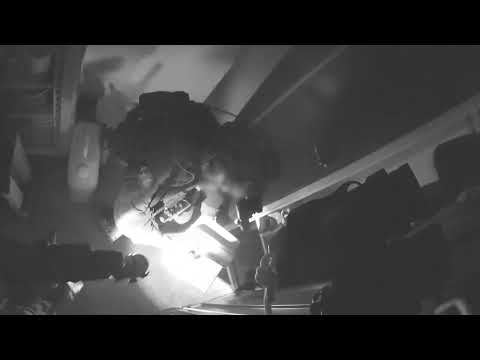
100 Shaldag soldiers raid and dismantle Syrian missile factory in secret operation
There is the potential that Israel might have launched ground raids against Iran’s nuclear sites at Fordow, Natanz, and/or Isfahan unilaterally last year if the U.S. military had not conducted Operation Midnight Hammer. There would have been few, if any other options for Israel to have gone after those underground facilities. This, in turn, raises the possibility that Israeli forces may have prepared more explicitly to execute these operations just in the past year.
Risk and complexities
Executing any special operations raid targeting Iran’s stockpile of enriched uranium, wherever it might be held, would not be without immense challenges.
For one, there are real questions about what it would take to move nearly 1,000 pounds of enriched uranium out of Iran, even if it is largely located at one site. The material would be even heavier and bulkier when taking into account the secure containers it is likely to be stored in.
Similar questions have been raised about the feasibility of neutralizing the stockpile in place if it is determined to be impractical to move it. Experts and observers have highlighted the immense time and resources that would be required to try to dilute the purity of any nuclear material on-site, processes that typically require industrial machinery under normal conditions.
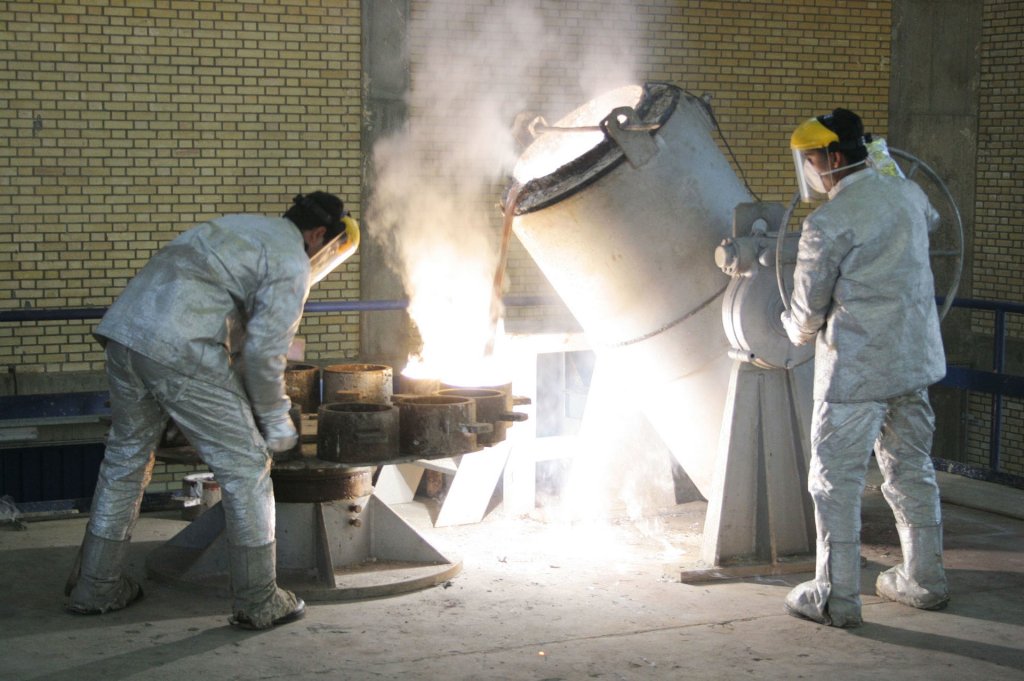
Unlike conventional weapons, or even other key aspects of Iran’s nuclear program, like centrifuges, fissile material cannot simply be blown up to destroy it in place, either.
Having to carry out any such operation, however long it might take, in an active conflict zone and likely under enemy fire, would only add to the complexities of a ground raid. As already noted, Iran looks to have taken steps to physically hamper access to Isfahan and other sites, adding to the time it would take friendly forces to gain entry to their objectives in the first place. Heavy machinery could be required to dig into these facilities.
The longer friendly forces are on the ground, the more time Iran has to put together a response. Airpower can help keep hostile forces at bay, but Iranian security forces could eventually muster significant firepower, including artillery. Keeping nuclear facilities safe from attack has been a top priority for the regime in Tehran, and Iranian security forces will have reaction plans in place.
There is also simply the matter of getting the raiding force to and from the objective. As has been established, we are talking about what would have to be a relatively large contingent, burdened with specialized equipment, along with a typical array of weaponry and other gear.
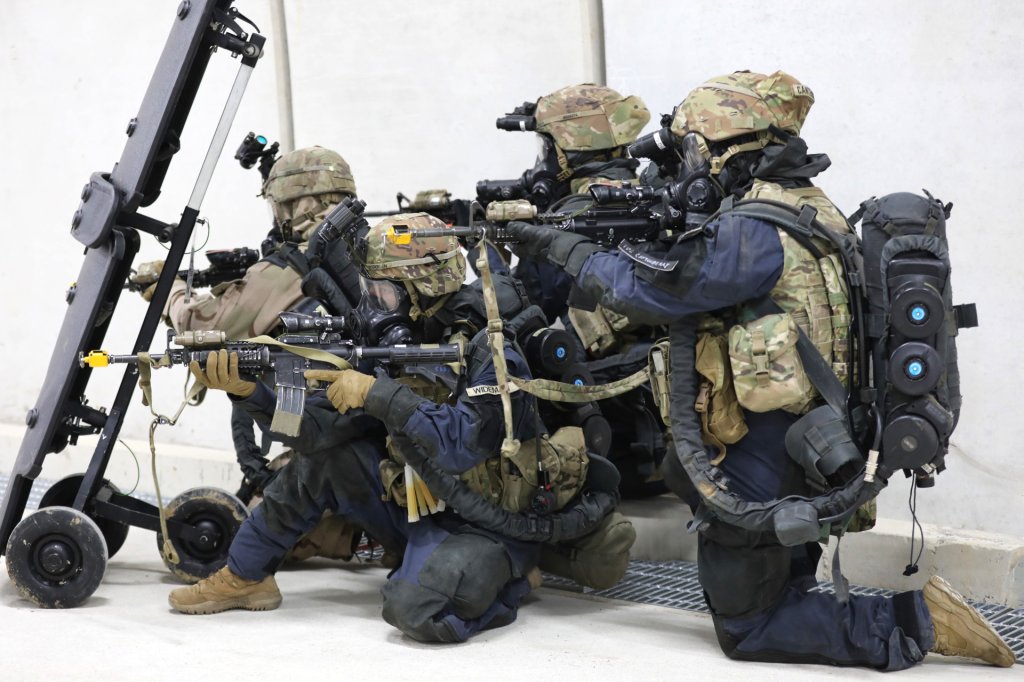
The U.S. military, specifically, has a very complicated relationship with these kinds of operations, dating back to the failed attempt to rescue hostages being held in the American embassy in Tehran following the revolution that put the current Iranian regime into power in the first place. That operation exposed deficiencies that did lead to the development of new capabilities, as well as tactics, techniques, and procedures, and continues to be a key case study in special operations planning today.
We did get to see a demonstration of the U.S. military’s current capability and capacity to launch a major special operations raid in January with Operation Absolute Resolve, which resulted in the capture of Venezuelan dictator Nicolas Maduro from the middle of a fortress-like military facility. At the same time, it also showed the immense resources required to ensure the success of a mission like that, with hundreds of aircraft, ships offshore, and an array of other assets involved. The main raiding force consisted of 200 special operators. You can read more about what is known about the extensive preparations for the mission, including having forces specifically poised to destroy three airfields if it looked like Venezuelan Air Force fighters were attempting to scramble, here.
In addition, the Venezuela operation had the benefit of surprise, rather than coming in the middle of already ongoing major combat operations against an enemy that says it is actively prepared to respond to any kind of ground incursion. Iran’s military capabilities and overall capacity have been seriously degraded by U.S. and Israeli strikes in the past week, but significant threats remain, as TWZ regularly stresses.
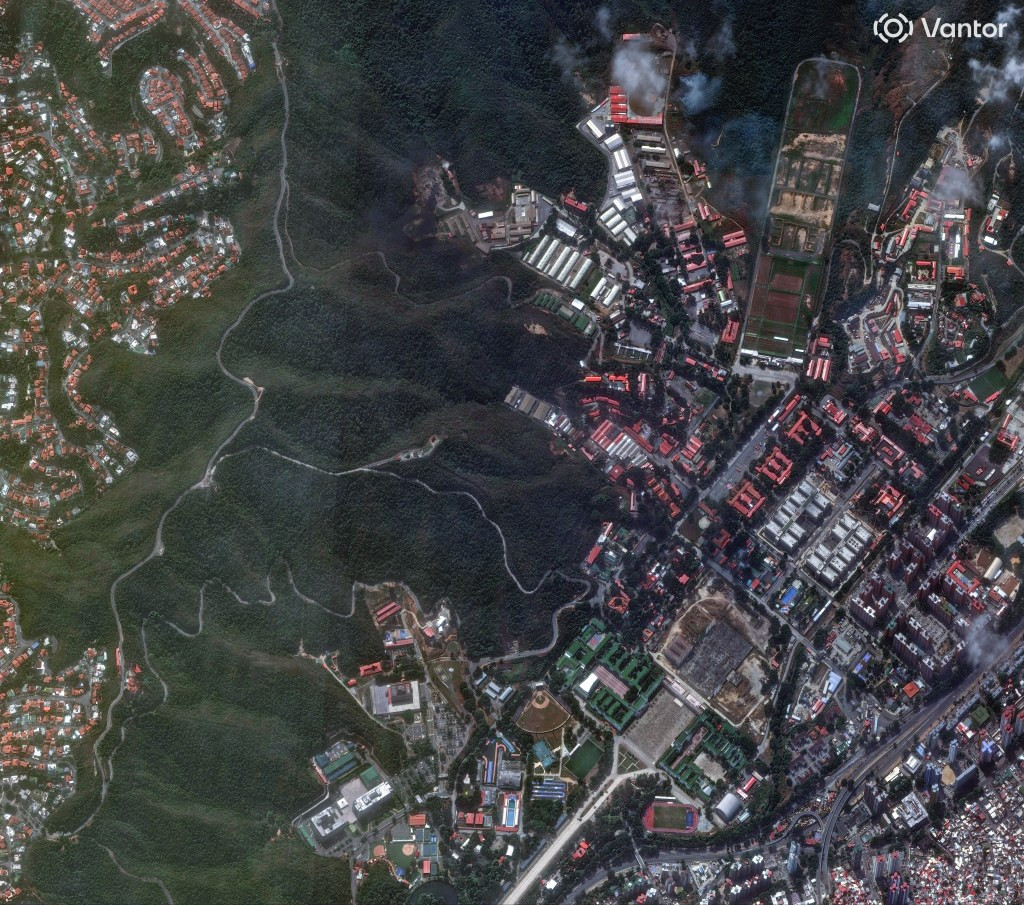
Even under the most optimal conditions, launching a major special operations raid into Iran amid the ongoing hostilities would be extremely risky.
A question of timing and alternatives
Axios‘ report notably said a special operations raid against Iran’s enriched uranium stockpile “would likely only take place after both countries [the United States and Israel] are confident Iran’s military can no longer mount a serious threat to the forces involved.” This would also align with President Trump’s comments on Saturday.
However, other factors could still influence that decision-making process. As has been made clear, there are already serious questions about where all of Iran’s enriched uranium may be hidden away now. This is compounded by the reports that the Iranians may have regained access to where material was being stored in Isfahan, which could then allow them to move it elsewhere.
Even if persistent surveillance gives a good sense of where the material is being moved, dispersal can only increase the total number of sites that would have to be secured. It would also reduce any guarantees of neutralizing even the majority of the stockpile in one fell swoop.
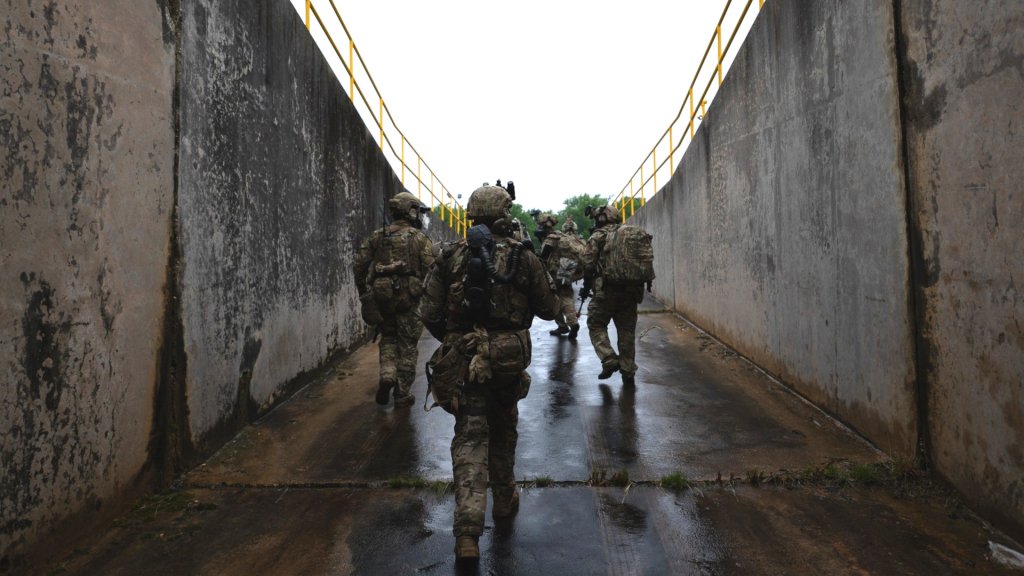
As mentioned earlier, interdicting nuclear shipments on the move would still require a ground force of some kind to secure the material. Simply kinetically targeting vehicles carrying enriched uranium from the air would not be sufficient and would risk scattering nuclear material in an uncontrolled manner, making such a strike an absolute last resort option.
As pointed out earlier, there could also be a concern that regional proxies, terrorists, or other third parties might attempt to exploit the current conflict to spirit away a portion of Iran’s stockpile from Isfahan or sites for their own nefarious uses. This, in turn, could further drive a demand for action to secure that material on a timetable that does not allow for waiting for ideal conditions to emerge.
In the meantime, the United States and Israel could seek to carry out new strikes to try to seal entrances to underground facilities at Isfahan and other locations. Strikes last week on Iran’s nuclear site at Natanz look to have been intended to do just this. Those sites could then be surveilled to watch for any further attempts on the part of the Iranians to dig them out. Additional action, including more strikes or launching a ground raid, could then be taken, as necessary.
On top of everything else, not being able to definitely find, fix, and secure Iran’s stockpile of enriched uranium would make it difficult for the U.S. government to say it has achieved its core objective of preventing the country from building a nuclear weapon. Inversely, doing so could be seen as essential, especially by the Trump administration, for creating the conditions necessary to end the current conflict.
Altogether, it remains to be seen whether or not the United States and Israel decide that mounting a major special operation targeting Iran’s enriched uranium outweighs the risks.
Contact the author: [email protected]
First Appeared on
Source link






Leave feedback about this