

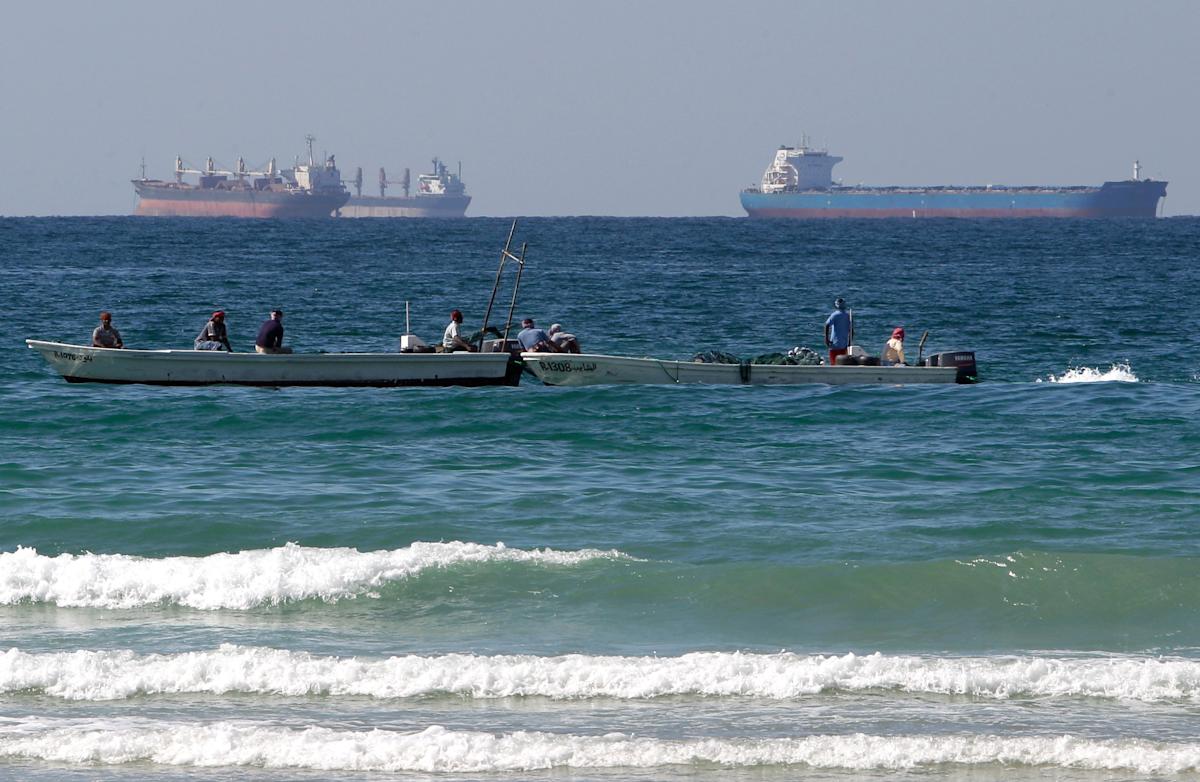
Iranian missile and drone attacks have disrupted the flow of commerce through one of the global economy’s most critical hubs, paralyzing much of the ocean and air traffic that carries goods between Asia and Europe while punishing investors in faraway financial markets.
As the U.S.-Israeli assault on Iran enters a second week, the war’s economic casualties extend well beyond the oil and natural gas shipments that normally transit the Strait of Hormuz. The closure of several international airports in the conflict zone, including the world’s busiest in Dubai, idled nearly one-fifth of global airfreight capacity, interrupting shipments of consumer electronics, pharmaceuticals and precious metals.
But the pain is not being felt equally. The cost of shipping goods by air from Asia to Europe is up 45 percent since the war began, more than twice the increase for sending items from Asia to the United States, said Ryan Petersen, chief executive of Flexport, a freight forwarder and logistics company in San Francisco.
The shipping impact illustrates a broader economic truth: The war is hitting the economies of Europe and Asia harder and faster than it is striking the United States.
“Europe and Asia are heavily dependent on energy imports, so that alone makes them more vulnerable to negative macroeconomic spillovers from the Iran war,” said Maurice Obstfeld, former chief economist for the International Monetary Fund. “Being closer geographically to the hostilities also makes Europe and Asia more vulnerable to shock waves from the war.”
That does not mean Americans will escape unscathed. Gasoline prices now average $3.41 a gallon, up from $2.98 one week ago, according to AAA. Farmers face higher bills for critical crop nutrients, and additional supply chain headaches are certain if the Iran conflict continues longer than the Trump administration anticipates.
But for now, economies such as Italy, Belgium, China, India and South Korea, which are the most dependent on oil and gas shipments through the Strait of Hormuz, are feeling some of the worst effects. In February, inflation in the euro zone came in hotter than expected, and war-related energy bills are likely to make it worse. With QatarEnergy’s liquefied natural gas production shut down following Iranian attacks, European and Asian customers could be forced into a “bidding war” for available gas supplies, said TS Lombard in London.
Wall Street’s losses last week – the S&P 500 index dropped about 2 percent – were dwarfed by setbacks elsewhere. The South Korean stock market fell 20 percent before staging a mild rebound. India’s currency, the rupee, hit a more-than-half-century low against the dollar. India, which spends more than $32 billion annually subsidizing retail energy prices, is one of several Asian nations that are likely to see government finances come under strain in a lengthy war.
First Appeared on
Source link






Leave feedback about this