

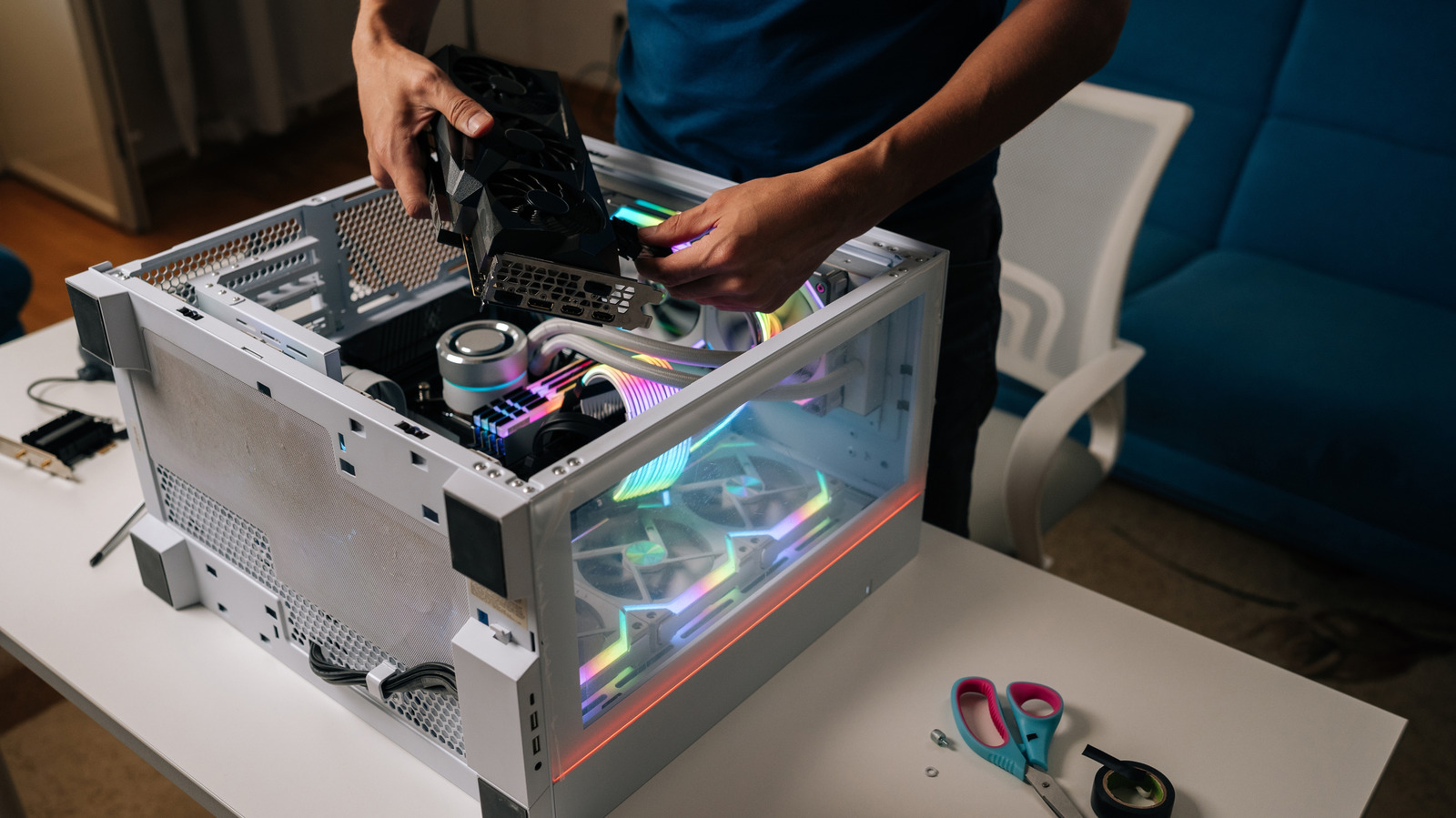
Building your own PC used to be the best alternative to buying a prebuilt one. Instead of settling for whatever a manufacturer chose to bundle together, you could hand-pick every single component. If you wanted a faster GPU and more modest CPU, or preferred a particular brand for any component, it was possible to control everything. In the end, you would end up with a machine tailored to your needs, without paying for specs you never wanted.
This kind of flexibility was, for many years, the principal selling point of those PCs. A DIY build was the best way to save money, letting you prioritize things such as gaming performance or increased storage depending on what mattered most to you. Those on a tight budget could stretch every dollar by mixing mid-range parts to get an experience with some trade-offs, but good enough to play most modern games.
However, that math changed significantly in 2026. AI data centers caused RAM shortages that sent prices skyrocketing, pushing DDR5 through the roof, and also affecting older DDR4 kits as well, which no longer have the same appeal for budget-friendly machines. GPUs and SSDs have followed the same trend. What used to be a build under $1,000 now costs $1,200 or more. Depending on your budget or needs, buying a prebuilt PC might actually be the better choice.
Building a DIY PC is no longer cheaper than buying a prebuilt
The major problem that DIY PCs face now is the explosive demand for memory chips and other components to power AI infrastructure, which has sent RAM prices into territory that would’ve seemed unthinkable just a year ago. While DDR5 was the component most affected by those changes, GPUs, SSDs, and even DDR4 kits have followed this path, leaving PC builders with nowhere to look for bargain components, especially with some NVIDIA GPU trends for 2026, as the company shifted its focus toward AI.
Ror gaming, 32GB of RAM is the amount you want for playing modern titles, since with less than that, most machines will struggle to run them at good performance. However, in 2026, this component alone is costing upwards of $300, a steep jump compared to early 2025, when a similar 2x16GB memory kit could be found in the $100 to $130 range. This also happened with other components — SSDs and GPUs are no exception.
The combined effect makes the math worrisome for anyone trying to build on a budget. According to PCWorld, a solid gaming build that once came in under $1,000 now pushes closer to $1,250, not counting the cost of an operating system license. You can try looking on the used parts market to find bargains, such as a good GPU, but even those prices are rising, and you risk buying something defective.
Prebuilt PCs are a cheaper and better deal right now

Prebuilt PCs have an advantage that most DIY builders can’t match, since large manufacturers buy components in bulk and most stocked up before prices spiked. That’s why retailers like Costco have prebuilt PCs beating DIY prices right now, with solid specs at prices that would be impossible to replicate part by part today. For around $1,000, you can have builds with 32GB of DDR5, a decent GPU, and other solid components, from brands like CyberPowerPC.
Of course, there are trade-offs to buying a prebuilt PC. Most of these machines come with hardware that doesn’t offer much room for future upgrades. So if you’re looking to upgrade the GPU or RAM, you might not be able to, due to proprietary motherboards and limited power supplies. Ultimately, if you want to upgrade anything, chances are you’ll need to make significant changes, which ends up costing as much as a DIY build — or more.
That said, if you’re not looking to use a PC for anything other than playing games, consoles are also a viable option. For example, a PS5 or Xbox Series X can play most games currently available at decent settings, at a fraction of the current cost of a PC.
First Appeared on
Source link






Leave feedback about this