

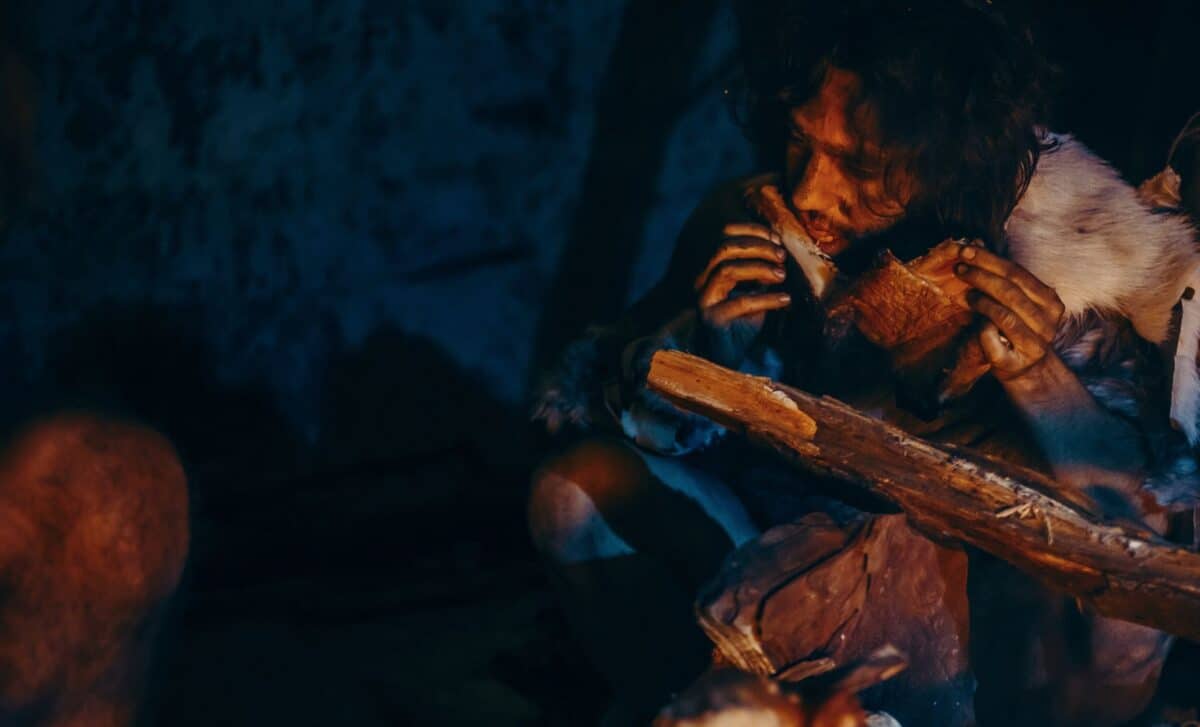
A new study reveals that Neanderthals living near each other in northern Israel didn’t have the same approach to food preparation. Despite using similar tools and hunting the same animals, Neanderthals at Amud and Kebara caves butchered their meat in different ways.
The two caves, just 70 kilometers apart, were inhabited by Neanderthals between 70,000 and 50,000 years ago. While both groups had access to similar resources, a study by the Hebrew University of Jerusalem shows that the way they processed their food was far from identical.
Two Different Butchering Styles
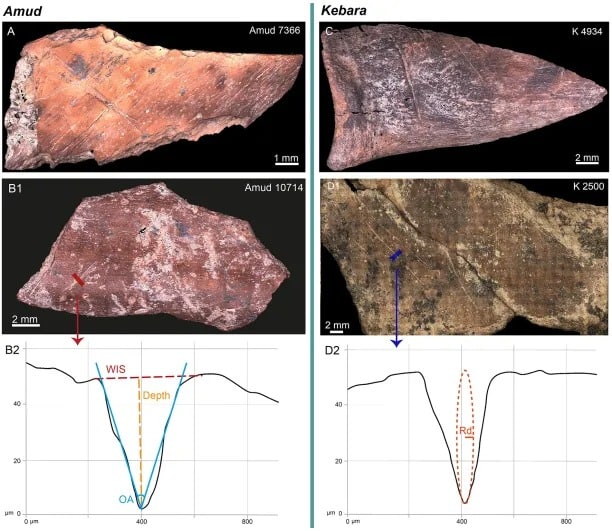
The Neanderthals at Amud and Kebara caves hunted the same types of animals, mostly gazelles and fallow deer, and used similar tools. But when researchers looked at the bones they left behind, they found clear differences in how the meat was prepared. At Amud, 40% of the bones were burned and fragmented, possibly from cooking or damage after cooking. In contrast, only 9% of the bones at Kebara were burned, and they were much less broken up.
These differences in the bones suggest that the two Neanderthal groups had their own distinct ways of processing food, even though they lived so close to each other.
“Even though Neanderthals at these two sites shared similar living conditions and faced comparable challenges, they seem to have developed distinct butchery strategies, possibly passed down through social learning and cultural traditions,” said Anaëlle Jallon, a PhD candidate at the Hebrew University of Jerusalem.
Traditions That Make Us Who We Are
According to the study, published in Frontiers in Environmental Archaeology, these variations in butchery practices were likely influenced by local cultural traditions. The differences in the cut marks on the bones suggest that each group had its own method of preparing meat, which may have been passed down socially through generations.
“Future studies, including more experimental work and comparative analyses, will be crucial for addressing these uncertainties — and maybe one day reconstructing Neanderthals’ recipes.”
If Neanderthals at each site had different techniques, it suggests they weren’t just focused on food but also had traditions or preferences that shaped how they cooked.
“If butchery techniques varied between sites or time periods, this would imply that factors such as cultural traditions, cooking preferences, or social organization influenced even subsistence-related activities such as butchering,” Jallon explained.
What Neanderthal Cooking Reveals
Neanderthals at Kebara brought larger animals back to the cave for butchering, suggesting a more organized food processing method, while those at Amud likely butchered animals near the kill site. The less damaged bones at Kebara may indicate different social structures or levels of teamwork.
While more research is needed to fully grasp these social dynamics, the study suggests that how Neanderthals handled food could be linked to how their communities were organized.
First Appeared on
Source link






Leave feedback about this