


In the ancient rock shelters of Uzbekistan, archaeologists have uncovered what may be the world’s oldest arrowheads, dating back 80,000 years. These small, triangular tools challenge our understanding of early human technology, suggesting that Neanderthals or early Homo sapiens may have been using advanced projectile weapons far earlier than previously thought. A study published in PLOS One sheds new light on this fascinating discovery, offering clues about the technological and cultural practices of our distant ancestors.
The Discovery of Ancient Arrowheads in Uzbekistan
The discovery of ancient arrowheads in the Obi-Rakhmat rock shelter is an important milestone in the field of archaeology. Located in northeastern Uzbekistan, this site has become a treasure trove for researchers seeking to understand the technological and cultural practices of early humans. The newly discovered arrowheads, which are small triangular tools known as “micropoints,” have been dated to around 80,000 years ago. Their construction and the context in which they were found suggest that they were designed to be used as arrow tips, a tool associated with bow-and-arrow technology.
Initially, these points were overlooked, as many of them were fragmented, which made it difficult to understand their true purpose. However, upon closer examination, researchers found that the points were too narrow and delicate to have been used as knives or spears. Instead, they were perfectly suited to be attached to slender shafts, ideal for high-velocity projectiles. This analysis reveals that these ancient tools were likely part of early hunting practices, where precision and efficiency in hunting were paramount.
The discovery also raises intriguing questions about the origins of bow-and-arrow technology, which was once thought to have emerged much later in history. The implications are profound, as they suggest that early humans, possibly even Neanderthals, were experimenting with projectile technology long before previously believed.
Arrowheads and Their Connection to Early Human Technology
The arrowheads found in Uzbekistan represent a significant leap in our understanding of early human technology. Traditionally, the oldest known examples of arrowheads were dated to around 74,000 years ago and found in Ethiopia. However, the new findings in Uzbekistan push this date back by an additional 6,000 years, making these arrowheads potentially the oldest of their kind. This discovery is crucial for understanding the timeline of technological development in early humans and their ability to hunt efficiently with projectiles.
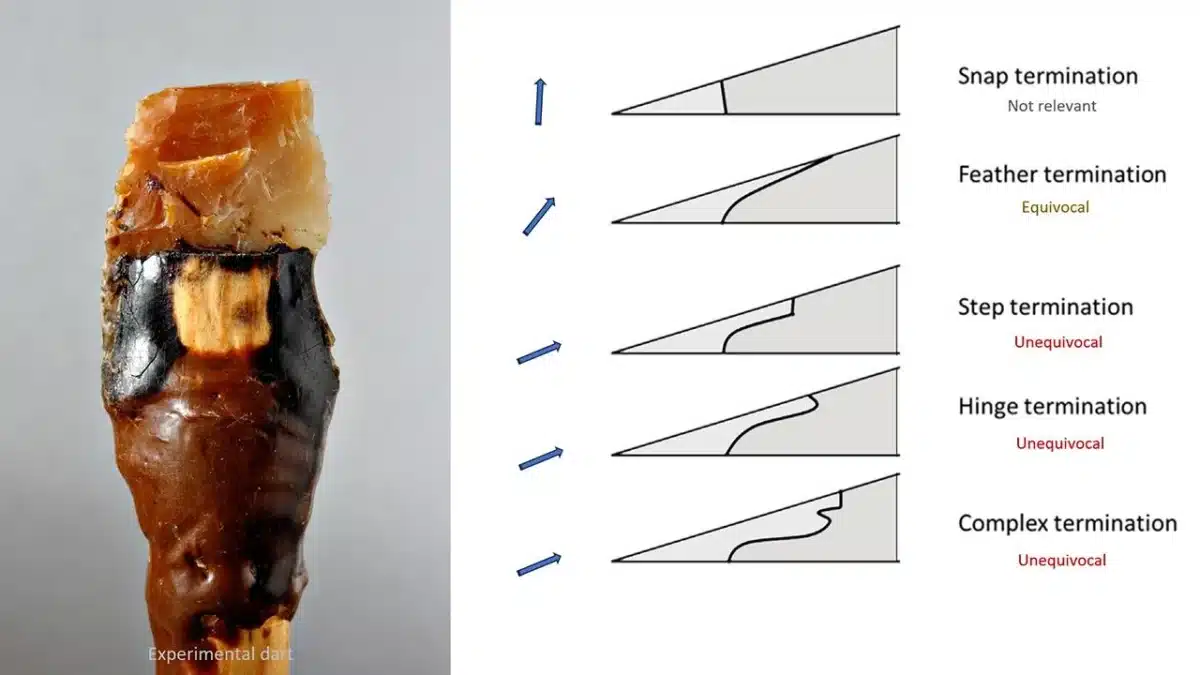
In the PLOS One study, researchers meticulously analyzed the arrowheads and found that they exhibited breakage patterns consistent with high-velocity impacts. This type of damage is typical of tools used for hunting with bows and arrows. While the evidence is compelling, researchers note that more investigation is needed to confirm that these tools were indeed used for arrows. However, the damage patterns, combined with the size and shape of the points, make it the most plausible explanation.
One of the most fascinating aspects of this discovery is its potential to reshape the understanding of how and when bow-and-arrow technology spread across ancient human populations. While modern Homo sapiens are known to have used similar tools much later in time, the fact that these early arrowheads were created 80,000 years ago suggests that such technology could have been in use long before humans’ migration into Europe and other parts of the world.
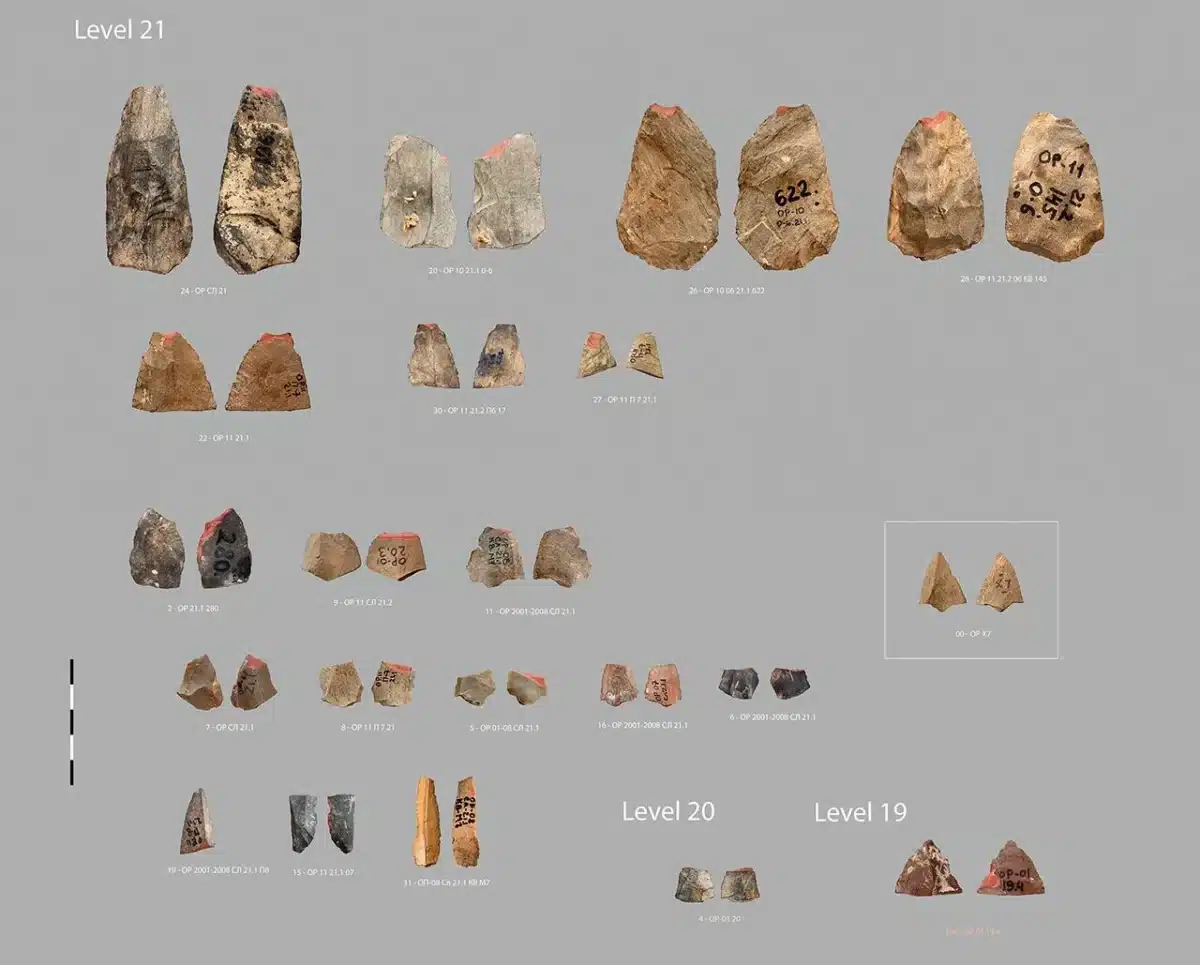
Who Created the Arrowheads? Neanderthals or Early Homo Sapiens?
The question of who created these ancient arrowheads is at the heart of the debate surrounding the discovery. The region where the tools were found was home to Neanderthals during this period. However, no Neanderthal arrowheads have been discovered until now, leaving some to speculate that these tools may have been crafted by early Homo sapiens instead. Researchers involved in the study acknowledge that it is possible that Neanderthals were responsible for creating these arrowheads, though the evidence is not definitive.
In 2003, archaeologists uncovered fragments of the skull and teeth of a child whose physical traits showed a mixture of Neanderthal and Homo sapiens characteristics. This finding has led to theories suggesting that early humans and Neanderthals may have interbred, creating a hybrid population. If these arrowheads were made by early Homo sapiens, this would suggest that modern humans were already skilled in projectile technology while interacting with Neanderthals. Alternatively, if Neanderthals were responsible for creating the tools, it would indicate that these early hominins had a more advanced understanding of hunting and tool-making than previously thought.
This discovery opens the door for future research into the interactions between Neanderthals and Homo sapiens, as well as the possibility of cultural and technological exchange between the two groups. It highlights the complex and nuanced relationships that early human populations likely had with one another.
The Impact of the Obi-Rakhmat Discovery on Human Migration Theory
The find at Obi-Rakhmat has implications far beyond the immediate scope of the discovery itself. The region where these arrowheads were found lies along a critical migration route that early human populations likely traveled as they spread out from Africa. This area served as a crossroads between different hominin species, including Neanderthals and Homo sapiens. Understanding when and how these populations interacted could provide valuable insights into human migration patterns and the spread of cultural practices.
The discovery of these ancient arrowheads also suggests that the technology and knowledge required for hunting with projectiles may have been shared across different groups, including Neanderthals, Homo sapiens, and potentially even Denisovans. This would indicate that early human populations were not isolated from one another, but rather engaged in significant cultural exchanges. The spread of advanced tools like the bow and arrow would have allowed human populations to adapt to a variety of environments and hunting challenges, which was crucial for their survival.
First Appeared on
Source link






Leave feedback about this