Archaeologists have uncovered the earliest known human burial in Africa, dating back 78,000 years. Found in the Panga ya Saidi cave along the Kenyan coast, the remains of a 2.5 to 3-year-old child offer crucial evidence of early mortuary practices and complex social behaviors in Homo sapiens.
The burial, which was intentionally prepared, signals an important step in the understanding of early human culture. Although evidence of burial practices in Africa has been limited and often unclear, the child’s remains at Panga ya Saidi change that narrative.
Unearthing the Past
The child’s remains were initially discovered in 2013, but it wasn’t until 2017 that the full extent of the find became clear. As explained by Dr. Emmanuel Ndiema of the National Museums of Kenya, the bones were fragile and highly decomposed, requiring plastering and stabilization in the field. The remains were later transported to laboratories in Nairobi and Spain for further study, where researchers were able to confirm that they belonged to a 2.5 to 3-year-old child. The child was nicknamed “Mtoto,” meaning “child” in Swahili.
Map and excavation of the oldest known human burial site in Africa, discovered at Panga ya Saidi, Kenya. Credit: Nature
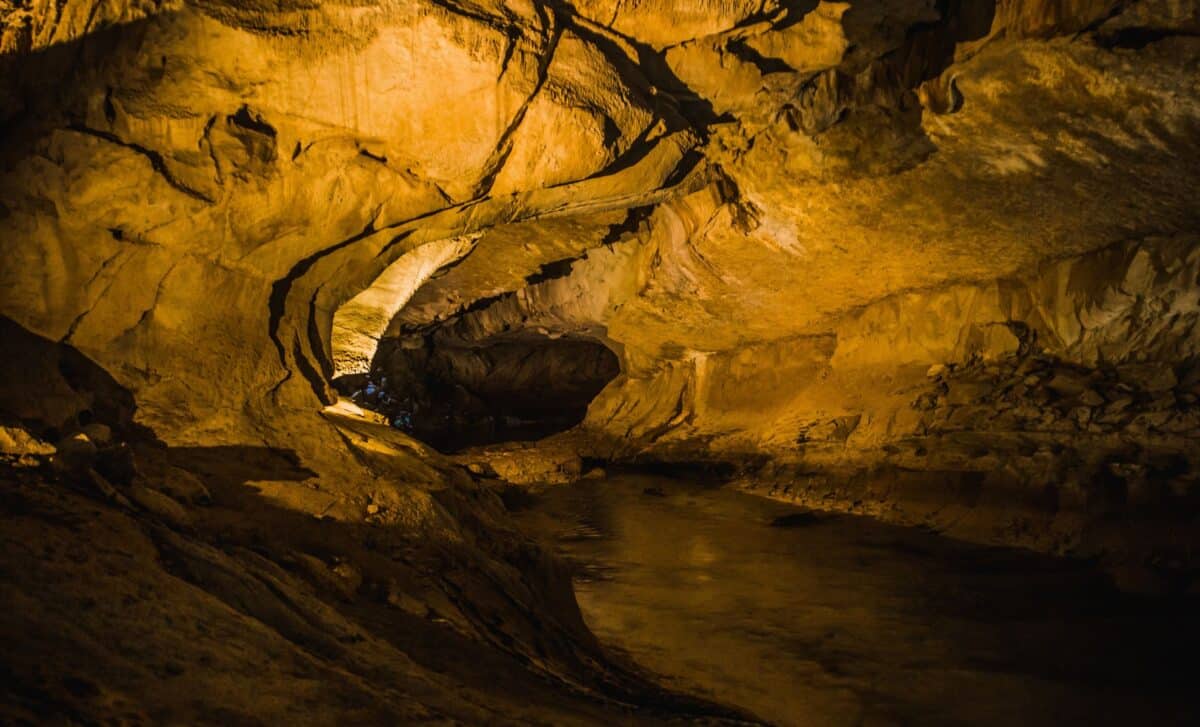
According to a report by the journalNature, the burial was discovered in a shallow, circular pit about three meters below the cave floor. The body was placed in a flexed position, lying on the right side with the knees drawn toward the chest. This deliberate arrangement suggests that the child’s body was intentionally prepared for burial. As Professor María Martinón-Torres from the National Research Center on Human Evolution explained:
“The articulation of the spine and the ribs was also astonishingly preserved, even conserving the curvature of the thorax cage, suggesting that it was an undisturbed burial and that the decomposition of the body took place right in the pit where the bones were found.”
Baby Steps to Big Social Moves
The child’s burial was found alongside Middle Stone Age tools, a distinct technology associated with Homo sapiens, which sets them apart from other hominin species. Professor Nicole Boivin of the Max Planck Institute for the Science of Human History explained that the site has become key to understanding the cultural and technological activities of early humans along the East African coast.
“The site is truly one of a kind. Repeated seasons of excavation at Panga ya Saidi have now helped to establish it as a key type site for the East African coast, with an extraordinary 78,000-year record of early human cultural, technological and symbolic activities.”
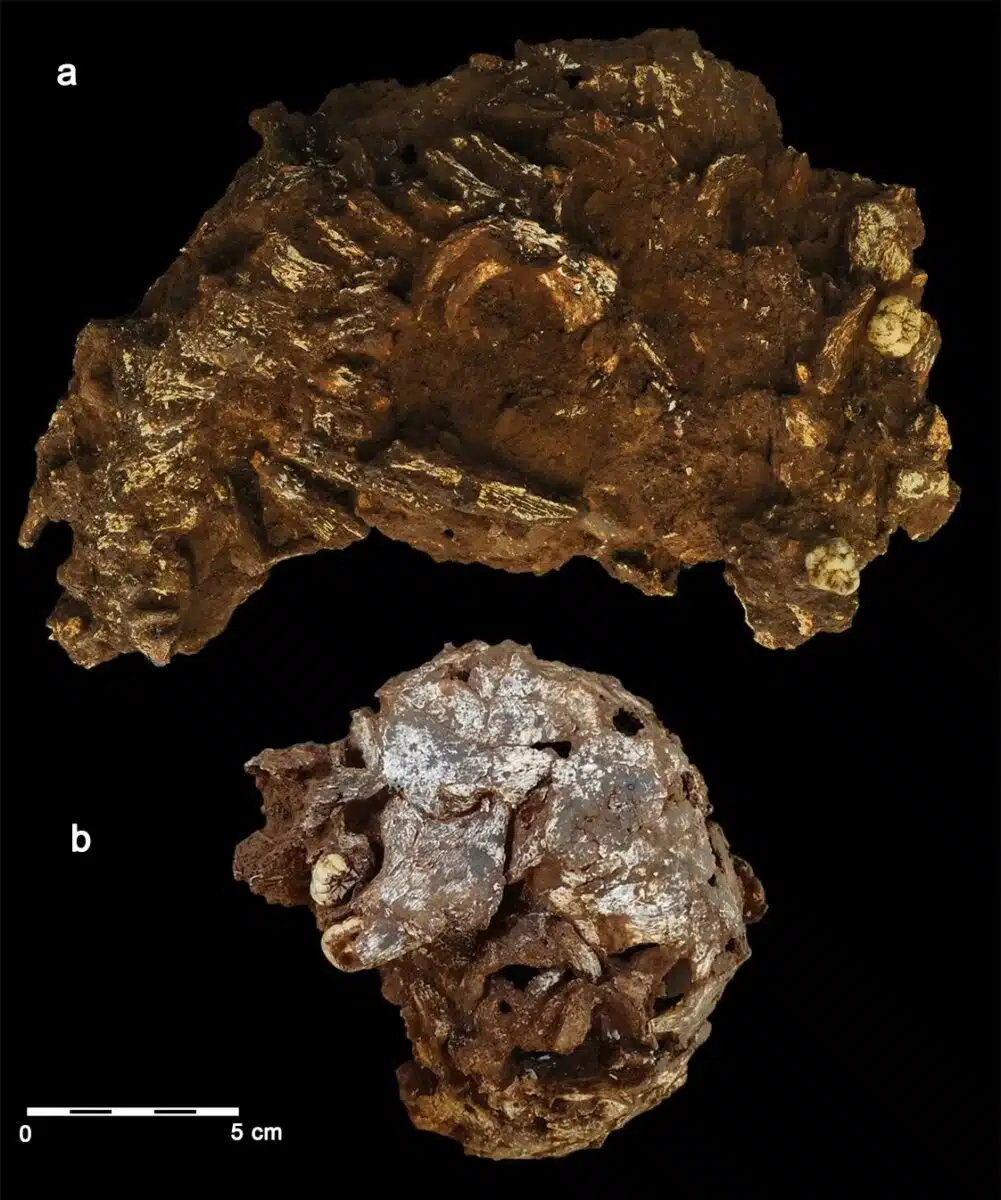
External view of the Panga ya Saidi block showing the articulated skeleton (top) and Moto’s skull and mandible (bottom). Credit: Martínón-Torres & al.
The burial of a child, instead of an adult, suggests that children might have been treated differently. The way the child was buried, possibly with something like a pillow for support.
A Rare Find in African Archaeology
The Panga ya Saidi burial is one of the few known ancient burials in Africa, and it is the oldest yet discovered on the continent. The scarcity of early burials in Africa, compared to Eurasia, has long puzzled archaeologists.
While Neanderthal and modern human burials in Eurasia date back as far as 120,000 years, Africa’s early burial practices remain poorly understood. Some scholars suggest that differences in mortuary customs or the limited scope of archaeological excavations in Africa might explain this lack of evidence.
Professor Michael Petraglia of the Max Planck Institute noted that the Panga ya Saidi burial reveals that inhumation of the dead was a cultural practice shared by both Homo sapiens and Neanderthals.
“The find opens up questions about the origin and evolution of mortuary practices between two closely related human species, (Homo sapiens and Neanderthal cousins) and the degree to which our behaviours and emotions differ from one another,” he added.








Leave feedback about this