

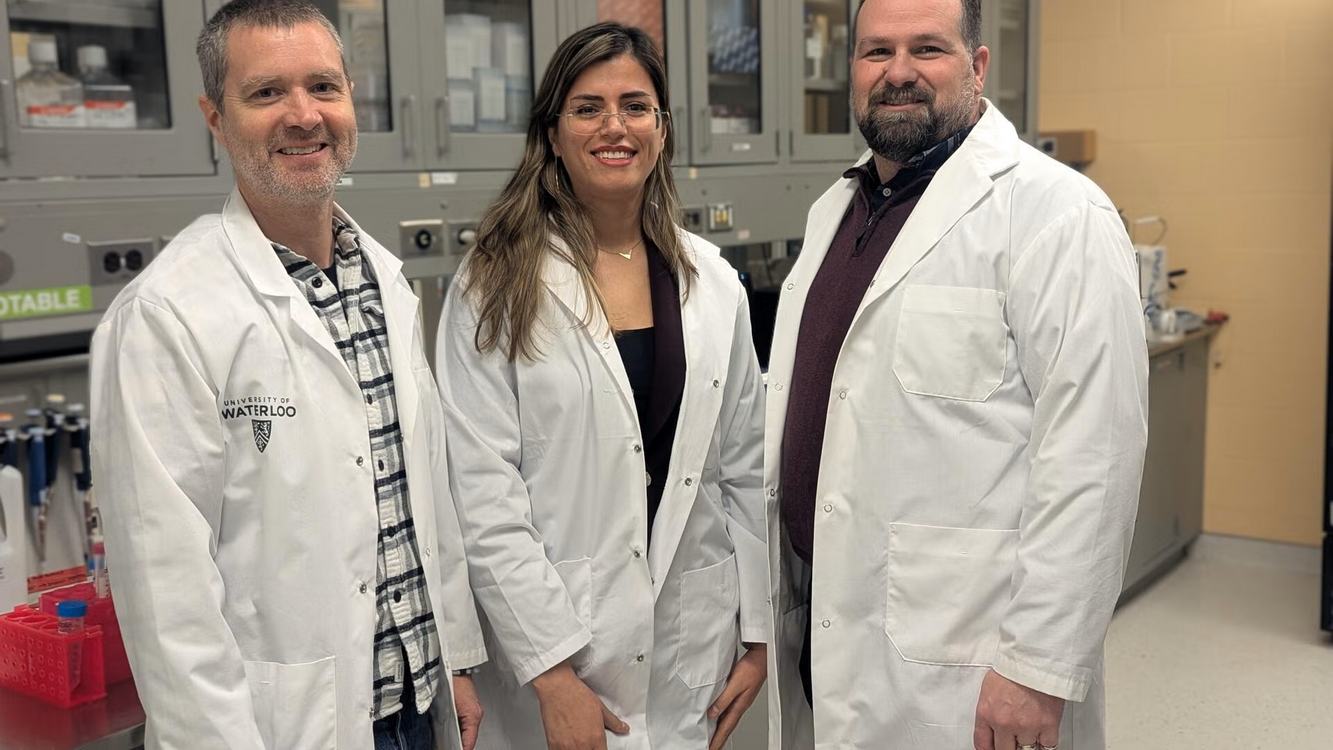
A research team led by scientists at the University of Waterloo, Ontario is developing a novel tool to treat cancer by engineering hungry bacteria to literally eat tumors from the inside out.
Key to the approach is a bacterium called Clostridium sporogenes, which is commonly found in soil and can only grow in environments with absolutely no oxygen.
The core of a solid, cancerous tumor is comprised of dead cells and is oxygen-free, making it an ideal breeding ground for the bacterium to multiply.
“Bacteria spores enter the tumor, finding an environment where there are lots of nutrients and no oxygen, which this organism prefers, and so it starts eating those nutrients and growing in size,” said Dr. Marc Aucoin, a chemical engineering professor at Waterloo. “So, we are now colonizing that central space, and the bacterium is essentially ridding the body of the tumor.”
But there is a biological catch: when the cancer-eating organisms reach the outer edges of tumors, they are exposed to low levels of oxygen and die without completing their mission to fully destroy them.
To solve that problem, the researchers first added a gene to the organism from a related bacterium that can better tolerate oxygen, enabling it to live longer near the outside of a targeted tumor.
They then found a way to activate the oxygen-resistant gene at just the right time—critical to preventing bacteria from inadvertently growing in oxygen-rich places such as the bloodstream—by leveraging a phenomenon known as quorum sensing.
In simple terms, quorum sensing involves chemical signals released by bacteria. Only when many bacteria have grown in a tumor is the signal strong enough to turn on the oxygen-resistant gene, ensuring it doesn’t happen too soon.
In a previous study, researchers demonstrated that Clostridium sporogenes can be modified to tolerate oxygen. In a follow-up study, they tested their quorum sensing system by making bacteria produce a green fluorescent protein.
Researchers now plan to combine the oxygen-resistant gene and the quorum-sensing timing mechanism in one bacterium and test it on a tumor in pre-clinical trials.
Substantial research will still need to be carried out before any such design can come to market, but it’s striking, if one reads GNN, how many alternative methods for cancer treatment are undergoing such investigations, from “electrical knives” and different combinations of existing treatments like chemotherapy, to CRISPR gene editing and stem cell infusions.
GNN recently reported on the incredible advancements in survival from all kinds of cancers in America, with 7 out of 10 patients now living 5-years or more past diagnosis.
SHARE This Innovative Approach To Tumor Removal With Your Friends…
First Appeared on
Source link






Leave feedback about this