

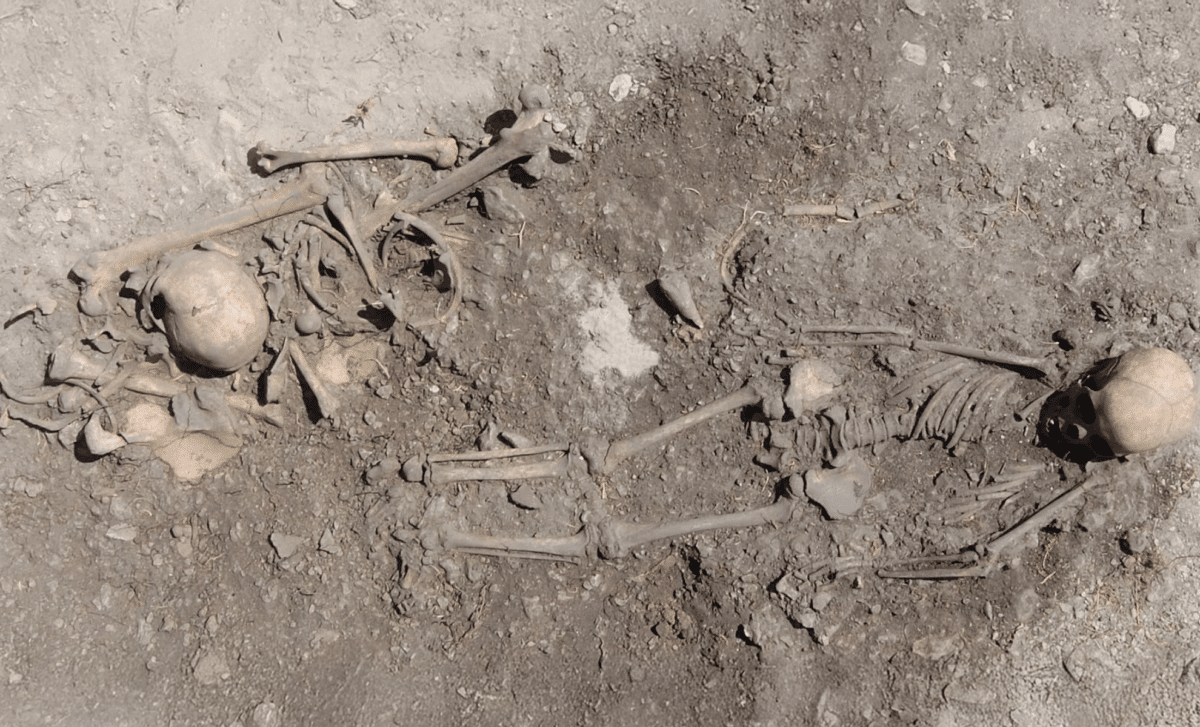
A new study published in Proceedings of the Royal Society B: Biological Sciences has uncovered fascinating details about the family relationships of an ancient hunter-gatherer community. Researchers analyzed DNA from remains found in a 5,500-year-old burial site on Gotland Island, Sweden. The findings challenge previous assumptions about the relationships between individuals buried together, offering fresh insights into the social structure of one of Europe’s last pure hunter-gatherer groups. By examining shared graves, the study not only sheds light on the genetic makeup of these individuals but also uncovers the important role of extended family networks in their society.
New Insights into Ancient Kinship Structures
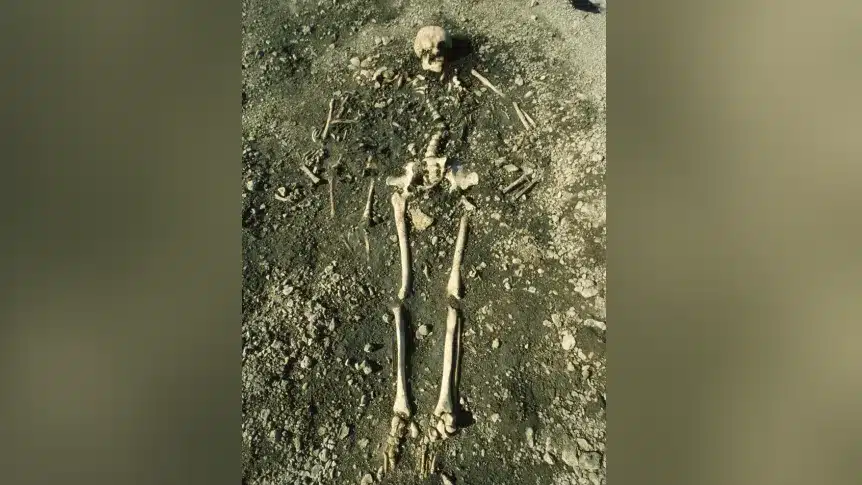
The Aivide burial site, located on Gotland Island, Sweden, is one of the most significant archaeological locations for understanding the lives of Stone Age hunter-gatherers. The graves contain the remains of individuals who lived roughly 5,500 years ago, during a time when humans were still predominantly hunter-gatherers, living off fishing and seal hunting. The site has long been known for its wealth of artifacts and the preservation of human remains. However, it was only with the application of advanced genetic techniques that researchers were able to reveal the intricate family relationships between the individuals buried there.
Researchers from Uppsala University led the study, published in Proceedings of the Royal Society B: Biological Sciences, focusing on four shared graves. By extracting DNA from teeth and bones, they were able to analyze how the individuals were related. One of the major revelations was that many of those buried together were not first-degree relatives, as had been previously assumed. Instead, they were second- or third-degree relatives, such as aunts, uncles, or cousins. As Helena Malmström, the archaeogeneticist leading the study, stated,
“Surprisingly enough, the analysis showed that many of those who were buried together were second- or third-degree relatives, rather than first-degree relatives.”
This finding suggests that these people had a deep understanding of their family lineages, with relationships beyond the immediate family playing a crucial role in their society.
The Importance of Extended Family Relationships
In traditional hunter-gatherer communities, kinship was a key factor in social organization and survival. The extended family, comprising cousins, uncles, aunts, and other relatives, was not only a source of support but also a way of ensuring genetic diversity and strengthening social bonds. The Aivide burial site’s analysis of genetic data reveals that these extended family relationships were of great importance in the daily life of the community. The study’s results indicate that the individuals at the site were well aware of their family connections, and these relationships likely held significant meaning in their social structure.
Tiina Mattila, who led the genetic analysis, explained the rarity of such findings:
“As it is unusual for these kinds of hunter-gatherer graves to be preserved, studies of kinship in archaeological hunter-gatherer cultures are scarce and typically limited in scale.”
The preservation of these graves allowed researchers to take an unprecedented look into the kinship dynamics of ancient societies, providing a rare opportunity to study how extended family networks influenced social organization.
Shaping Our Understanding of Social Dynamics in Prehistoric Communities
The implications of this study extend far beyond understanding the specific relationships at Aivide. It offers a new way of thinking about the role of family structures in ancient societies. The DNA analysis revealed not only genetic relatedness but also important social factors that shaped how these communities functioned. By combining genetic data with archaeological findings, researchers were able to reconstruct a clearer picture of how social groups were organized in prehistoric times.
“The DNA results indicate that people at the site understood their family connections well and that extended relatives held meaningful roles in their society,” the researchers wrote.
This finding provides valuable insight into how social dynamics were structured, with extended families playing a key role in both survival and the cultural fabric of ancient communities. The study offers a compelling example of how modern genetic research can shed light on social structures that would otherwise remain mysterious.
First Appeared on
Source link


Leave feedback about this